
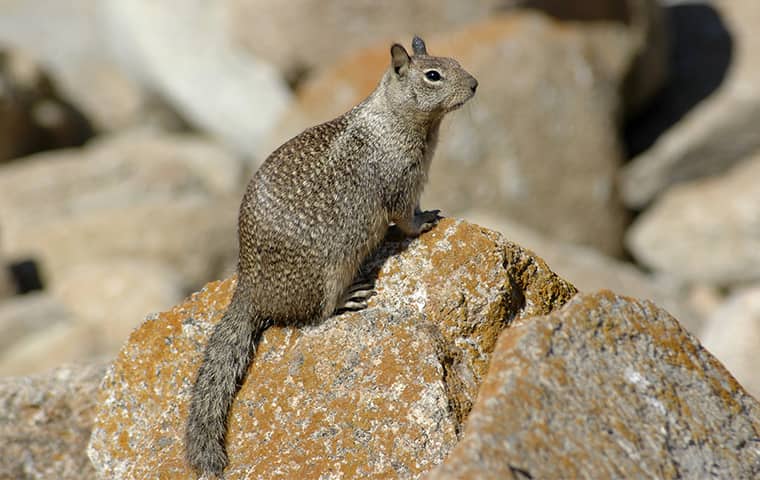
Image Source: smithspestmanagement.com
Expert Tips: How To Get Rid Of Ground Squirrels In My Yard
Can you get rid of ground squirrels in your yard? Yes, you can! Effective squirrel control involves a combination of prevention, deterrence, and, if necessary, removal. This guide will walk you through the best strategies for lawn pest management and get rid of burrowing animals that are causing trouble.
Ground squirrels, often called “tree squirrels” even when they live underground, can be a real nuisance in a yard. They dig burrows that can destabilize soil, create tripping hazards, and damage lawns and gardens. Their constant digging can also harm plant roots and create unsightly mounds of dirt. If you’re wondering how to remove squirrels from garden areas or simply want to deter ground squirrels, you’ve come to the right place. We’ll cover everything from simple fixes to more involved solutions, focusing on both effectiveness and humane methods.
Why Are Ground Squirrels in Your Yard?
Ground squirrels are attracted to yards for several reasons. Primarily, they seek food, water, and shelter.
- Food Sources: Gardens with vegetables, fruits, seeds, and nuts are prime targets. Bird feeders, pet food left outdoors, and even fallen fruit from trees can draw them in.
- Shelter and Nesting Sites: Grassy areas, overgrown bushes, and undisturbed garden beds provide ideal locations for them to dig burrows and create nests. Areas with loose soil are especially attractive for digging.
- Water: Access to water sources like leaky faucets, birdbaths, or even puddles after rain can also be a draw.
Understanding what attracts them is the first step in developing a successful strategy to deter ground squirrels.
Strategies to Deter Ground Squirrels
Preventing ground squirrels from making your yard their home is the most effective long-term solution. This involves making your yard less appealing to them.
Making Your Yard Less Appealing
- Remove Food Sources:
- Secure garbage cans with tight-fitting lids.
- Clean up fallen fruits and nuts promptly.
- Avoid leaving pet food or birdseed accessible outdoors. If you have bird feeders, consider squirrel-proof designs or clean up spilled seed regularly.
- Eliminate Shelter:
- Trim overgrown vegetation and bushes, as these can provide cover for squirrels and potential nesting sites.
- Seal off any potential entry points into sheds, garages, or under decks, as these can be used for nesting.
- Fill in existing burrows that are not in active use.
Using Natural Squirrel Repellents
Several natural options can help deter ground squirrels without resorting to harsh chemicals. These often work by making the environment smell or taste unpleasant to them.
- Spicy Sprays: Squirrels dislike strong, spicy smells. You can create a spray by mixing water with cayenne pepper, chili powder, or hot sauce. Apply this mixture around plants and areas where squirrels are active. Reapply after rain.
- Essential Oils: Peppermint oil, clove oil, and eucalyptus oil are also known to repel squirrels. Soak cotton balls in these oils and place them around the garden or near burrow entrances.
- Garlic: The strong smell of garlic can be a deterrent. Planting garlic around your garden beds or scattering crushed garlic cloves can help.
- Castor Oil: A mixture of castor oil and water can be sprayed on plants or the ground. It’s believed to irritate their paws and deter them from entering an area.
- Coffee Grounds: Some people find that scattering used coffee grounds around plants helps to deter squirrels, as they dislike the smell and texture.
These natural squirrel repellent options are generally safe for pets and children, but it’s always a good idea to test on a small area first.
Effective Squirrel Deterrents
Beyond natural repellents, there are other types of squirrel deterrents you can use.
- Motion-Activated Sprinklers: These devices detect movement and release a short burst of water. Squirrels are startled by the sudden spray and tend to avoid areas equipped with them. This is an effective way to deter ground squirrels from specific areas like vegetable gardens.
- Ultrasonic Devices: These electronic devices emit high-frequency sounds that are unpleasant to squirrels but typically inaudible to humans and pets. Their effectiveness can vary, and some squirrels may eventually get used to the sound.
- Physical Barriers:
- Netting or Cages: For fruit trees or vegetable patches, covering plants with fine mesh netting or chicken wire can prevent squirrels from accessing the food. Ensure the netting is secured to the ground to prevent burrowing underneath.
- Gravel or Mulch: A layer of coarse gravel or mulch around plants can make it uncomfortable for squirrels to dig.
Humane Squirrel Removal
If deterrence methods aren’t enough, you may need to consider humane squirrel removal. This means live trapping and relocating the squirrels.
Squirrel Trapping
- Choosing a Trap: Live traps, such as Havahart traps, are designed to catch animals without harming them. They come in various sizes, so choose one appropriate for ground squirrels.
- Baiting the Trap: Peanut butter, seeds, nuts, or pieces of fruit are effective baits. Place the bait deeper inside the trap to ensure the squirrel enters fully and triggers the door.
- Placement: Place the trap in areas where you see the most squirrel activity, near burrows or along their usual pathways.
- Checking the Trap: It is crucial to check the trap frequently, at least twice a day (morning and evening). Leaving a trapped animal in the sun or without water can be dangerous and inhumane.
- Relocation: Once you’ve caught a squirrel, you need to relocate it. Check your local wildlife regulations regarding relocation. Generally, squirrels should be relocated several miles away from your property (at least 5-10 miles) to prevent them from returning. Release them in an area with suitable habitat and a water source.
Important Considerations for Squirrel Trapping:
- Timing: Avoid trapping during the spring and summer when squirrels may have young in their burrows. Trapping a mother squirrel can leave dependent young to starve.
- Local Laws: Always be aware of and comply with local laws and regulations regarding trapping and relocating wildlife. Some areas may require permits or prohibit certain methods.
- Handling: Wear gloves when handling the trap and the squirrel to avoid bites or the transmission of diseases.
Integrated Pest Management for Squirrels
For comprehensive pest control for squirrels, an integrated approach is often best. This means combining several methods to create a multi-layered defense.
Habitat Modification
This is the cornerstone of integrated pest management. By altering the environment, you make it less hospitable to squirrels.
- Lawn Care: Maintain a neatly mowed lawn. Overgrown grass provides cover and makes it easier for squirrels to forage and hide.
- Tree Trimming: Trim tree branches that extend over your roof or house. This prevents squirrels from easily accessing your home from above.
- Remove Debris: Clear away piles of leaves, wood, or other debris that can offer shelter and nesting opportunities.
Exclusion
Physically preventing squirrels from accessing certain areas is highly effective.
- Foundation Sealing: Seal any gaps or openings in the foundation of your home or sheds.
- Vent Covers: Install sturdy mesh coverings on vents.
- Garden Protection: As mentioned earlier, using netting or hardware cloth around garden beds can be very effective. For individual plants, consider creating small cages from chicken wire.
Biological Controls
While less direct for squirrels, encouraging natural predators can play a role in population control over time.
- Attracting Predators: Birds of prey like hawks and owls are natural predators of squirrels. Creating habitats that attract them, such as leaving mature trees with cavities for owls, can help.
- Domestic Predators: Cats and dogs can also deter squirrels, though their effectiveness varies.
What to Do About Squirrel Burrows
Ground squirrel burrows are a common problem. Here’s how to deal with them:
Addressing Existing Burrows
- Filling Burrows: Once you are sure a burrow is not in active use, you can fill it in. Use soil and compact it well. This may need to be done repeatedly if the squirrels are persistent.
- Predator Guards: For burrow entrances, you can try placing a metal barrier or a wire mesh basket over the entrance. This can prevent them from digging out, but it’s crucial to ensure no squirrels are trapped inside.
Making Areas Less Conducive to Burrowing
- Soil Compaction: In areas prone to burrowing, consider compacting the soil after filling burrows.
- Dense Planting: Planting dense ground cover or shrubs in areas where squirrels tend to burrow can make it more difficult for them to start digging new holes.
Common Squirrel Myths Debunked
It’s easy to fall for misinformation when dealing with pests. Let’s clarify a few things:
- Myth: Squirrels are disease carriers and always aggressive.
- Fact: While squirrels can carry diseases, they are generally not aggressive towards humans unless cornered or protecting their young. Rabies is rare in squirrels. Practicing safe handling is key.
- Myth: Repellents are 100% effective and will permanently solve the problem.
- Fact: Repellents are most effective when used consistently and as part of a broader strategy. Squirrels can become accustomed to certain repellents over time.
- Myth: Trapping and releasing a few squirrels will solve the problem permanently.
- Fact: If the conditions that attract squirrels remain (food, shelter), new squirrels will likely move into the vacated territory.
When to Call a Professional
There are times when professional help is necessary for effective pest control for squirrels.
- Persistent Infestations: If you’ve tried multiple methods and the problem persists or worsens, a professional pest control service can offer more advanced solutions.
- Difficult Access: If burrows are in hard-to-reach areas or if squirrels have entered your home, professionals have the tools and expertise to handle these situations safely.
- Legal Concerns: Professionals are knowledgeable about local wildlife laws and can ensure all removal and exclusion methods are compliant.
A reputable pest control company will offer integrated pest management plans that focus on both removal and prevention, ensuring long-term success for your lawn pest management.
Frequently Asked Questions (FAQ)
Q1: What are the most effective natural squirrel repellents?
A1: Natural repellents that work well include spicy sprays (cayenne pepper, chili powder), essential oils (peppermint, clove), garlic, and castor oil mixtures. Applying these around your garden and property can help deter ground squirrels.
Q2: Can I use poison to get rid of ground squirrels?
A2: It is generally not recommended to use poison. Poisons can harm non-target animals, including pets and beneficial wildlife. They also pose risks to children and can lead to dead squirrels in inaccessible places, causing odor issues. Humane squirrel removal is a better approach.
Q3: How do I stop squirrels from digging in my flower beds?
A3: To stop squirrels from digging in flower beds, you can use physical barriers like chicken wire or netting placed just below the soil surface or on top of it. Applying a layer of coarse gravel or mulch can also make digging less appealing. You can also try using natural squirrel repellent sprays around the plants.
Q4: What is the best way to remove squirrels from my garden permanently?
A4: Permanent removal involves making your garden consistently unattractive to squirrels. This means securing all food sources, eliminating shelter, using physical barriers where necessary, and filling in any active burrows. Consistent lawn pest management is key.
Q5: Are ground squirrels dangerous?
A5: Ground squirrels are generally not aggressive towards humans unless they feel threatened. However, like any wild animal, they can bite if handled or cornered. They can also carry diseases, so it’s best to observe them from a distance and avoid direct contact.
Q6: How do I get rid of burrowing animals in my lawn without harming them?
A6: To get rid of burrowing animals humanely, focus on deterrents like motion-activated sprinklers, ultrasonic devices, and making the habitat less appealing. If trapping is necessary, use live traps and relocate the animals responsibly to a suitable habitat far from your property.
By implementing these strategies, you can effectively manage ground squirrels and protect your yard and garden. Remember that persistence and a combination of methods are usually the most successful approach to squirrel control.