
Can you get rid of clover naturally? Yes, you can effectively get rid of clover in your lawn using natural methods, focusing on improving lawn health and employing specific natural treatments.
Clover, with its distinctive three-leaf pattern and often bright white flowers, is a common sight in many lawns. While some homeowners appreciate clover for its nitrogen-fixing abilities, which can help fertilize the grass, for many, it’s an unwanted invader that disrupts the uniform green carpet they desire. This guide offers comprehensive, natural strategies for tackling clover infestations and maintaining a healthy, beautiful lawn. We’ll delve into the reasons why clover thrives, explore various natural ways to eliminate clover, and provide actionable steps for both immediate control and long-term lawn weed prevention clover.
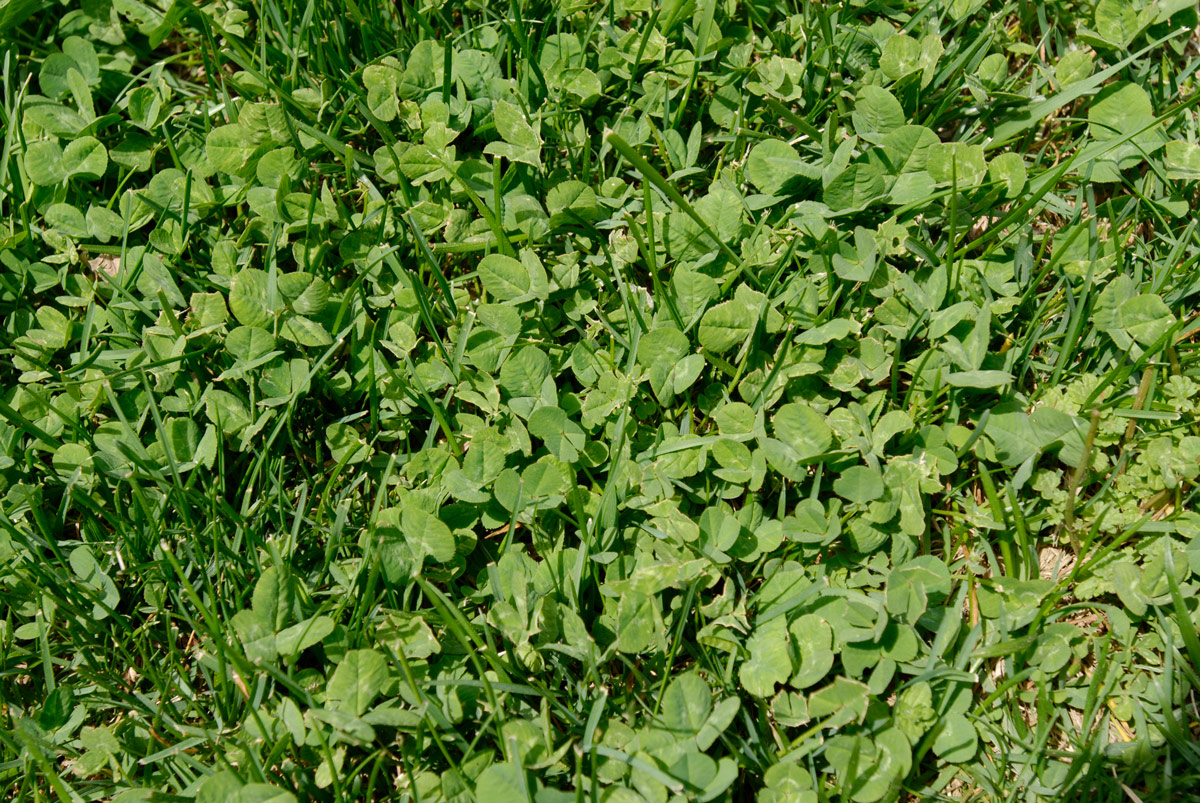
Image Source: naturalawn.com
Why Clover Invades Your Lawn
Grasping why clover takes hold is the first step in effective lawn weed control clover. Clover, scientifically known as Trifolium repens, is a hardy perennial legume. It’s not inherently a “bad” plant; in fact, its ability to fix atmospheric nitrogen into the soil benefits surrounding plants, including your grass. However, its low-growing habit and tendency to spread aggressively can overwhelm desirable turfgrasses.
Several factors contribute to clover’s prevalence:
- Poor Soil Fertility: Clover thrives in soils that are low in nitrogen and phosphorus. When your lawn lacks these essential nutrients, the grass struggles, creating an opening for clover to colonize.
- Compacted Soil: Heavily compacted soil restricts grass root growth, making it weaker and more susceptible to competition from weeds like clover.
- Improper Mowing Practices: Mowing too short stresses the grass, reducing its ability to compete. This creates ideal conditions for low-growing clover.
- Shady Areas: Some clover varieties tolerate shade better than many common turfgrasses, allowing them to flourish in less sunny spots.
- Adequate Moisture: While grass needs water, clover can often tolerate drier conditions than some turfgrasses, but it certainly doesn’t shy away from moisture.
Natural Ways to Eliminate Clover: A Multi-Pronged Approach
Getting rid of white clover in lawn areas or any other clover variety requires patience and a consistent approach. Rather than resorting to harsh chemicals, these natural methods focus on creating an environment where grass can outcompete clover and using organic solutions for targeted removal.
1. Improving Lawn Health: The Foundation of Clover Control
The most sustainable way to tackle clover is to foster a robust, healthy lawn that naturally crowds out weeds. This involves several key practices:
Promoting Strong Grass Growth
- Proper Fertilization: While clover fixes nitrogen, your grass needs a consistent supply. Use organic fertilizers like compost, bone meal, or blood meal. Apply them in the spring and fall according to package directions. Avoid over-fertilizing, which can also stress the grass.
- Adequate Watering: Water your lawn deeply and infrequently. This encourages deeper root growth in your grass, making it more resilient. Aim for about one inch of water per week, delivered in one or two watering sessions.
- Aeration: Compacted soil suffocates grass roots. Aerating your lawn annually or biennially (in the fall or spring) helps to relieve compaction, allowing air, water, and nutrients to penetrate the soil and reach the grass roots.
- Dethatching: A thick layer of thatch (dead grass clippings and organic matter) can prevent water and nutrients from reaching the soil and grass roots. Dethatch your lawn when the thatch layer exceeds half an inch.
Correct Mowing Techniques
- Mow High: Set your mower blade to a higher setting. For most cool-season grasses, this means mowing at 3 to 3.5 inches. Taller grass shades the soil, keeping it cooler and moister, and discourages weed seeds from germinating. It also promotes deeper root growth in your grass.
- Leave Grass Clippings: Grass clippings are a natural fertilizer. Unless the clippings are excessively long and clumpy, leave them on the lawn to return valuable nutrients to the soil.
2. Natural Clover Removal Methods
Once you’ve established good lawn care practices, you can employ specific natural clover removal methods for existing clover patches.
Hand-Pulling
This is the most direct method and works best when clover is just starting to appear or in small, manageable patches.
- Timing: The best time to hand-pull clover is after a rain when the soil is moist and soft, making it easier to pull the entire root system.
- Technique: Grasp the clover plant at the base and pull steadily upward. Try to get as much of the root as possible, as clover can regrow from root fragments.
- Tools: A trowel or a weeding tool can help loosen the soil around the roots if they are particularly stubborn.
- Disposal: Dispose of the pulled clover in a compost bin or trash, especially if it has seeded.
Homemade Clover Killer
Creating a homemade clover killer can be an effective and eco-friendly alternative to commercial herbicides. These solutions often rely on natural acids or salts to desiccate the clover leaves.
Vinegar-Based Spray:
- Ingredients:
- 1 gallon of white vinegar (5% acidity)
- 1 tablespoon of liquid dish soap (acts as a surfactant, helping the vinegar stick to the leaves)
- Optional: 1 tablespoon of salt (enhances the drying effect, but use sparingly to avoid harming soil microbes)
- Preparation: Mix the ingredients thoroughly in a spray bottle or garden sprayer.
- Application: Spray directly onto the clover leaves on a warm, sunny day. The vinegar will dehydrate the plant. It’s important to note that vinegar is a non-selective herbicide, meaning it can harm grass if sprayed directly on it. For spot treatment, use a cardboard shield to protect the surrounding grass. Reapply as needed.
Boiling Water:
- A simple yet effective method for small patches or cracks in pathways.
- Application: Carefully pour boiling water directly onto the clover. This will kill the plant on contact. Be cautious to avoid splashing yourself or desirable plants.
Corn Gluten Meal
Corn gluten meal is a natural pre-emergent weed suppressant. It works by preventing seeds from germinating and establishing roots.
- How it Works: Corn gluten meal releases proteins that disrupt cell division in germinating seeds, effectively stopping them before they can grow.
- Timing: Apply corn gluten meal in early spring, before clover seeds (or grass seeds, if you’re overseeding) have a chance to sprout. You can also apply it in the fall.
- Application: Spread the corn gluten meal evenly over the lawn at a rate of about 20 pounds per 1,000 square feet.
- Limitations: Corn gluten meal is not effective against established clover plants; it only prevents new ones from growing from seed.
Organic Herbicides
For a more targeted approach that avoids harsh chemicals, consider commercially available organic herbicides. These are often derived from natural acids like acetic acid (vinegar), citric acid, or essential oils.
- Examples: Look for products labeled as organic weed killers or contact herbicides.
- Application: Follow the product instructions carefully, as they are typically contact herbicides that kill the parts of the plant they touch. They may require repeat applications.
3. Enhancing Competition: Overseeding and Dandelion Control
Once you’ve reduced the existing clover population, you need to give your grass the best chance to fill in the gaps.
Overseeding
- When to Overseed: The best times for overseeding are early fall (September/October) or early spring (March/April), depending on your grass type.
- Choosing Seed: Select a high-quality grass seed blend that is suited to your climate and lawn conditions. Consider a mix that is dense and can compete well with weeds.
- Preparation: Rake the lawn to loosen the soil and remove any dead thatch. This provides a good seed-to-soil contact.
- Application: Spread the seed evenly over the lawn.
- Care: Keep the newly seeded areas moist until the grass germinates and establishes.
Managing Other Weeds
While focusing on clover, don’t forget about other weeds. A healthy, dense lawn is the best defense against all types of weeds. Address other common lawn invaders promptly.
Troubleshooting Clover Problems: Specific Scenarios
When tackling clover infestation, you might encounter specific challenges. Here’s how to address them:
Dealing with Large Clover Patches
For extensive clover coverage, a combination of methods is usually most effective.
- Mow High: Start by mowing the lawn at its highest setting. This will stress the clover but protect the underlying grass.
- Spot Treat: Use a homemade clover killer like the vinegar solution or a commercial organic herbicide on the most concentrated clover areas.
- Fertilize Appropriately: Apply an organic, slow-release fertilizer to boost your grass’s growth and its ability to compete.
- Overseed: After initial treatment, overseed bare or thin spots with a quality grass seed mix to encourage turf fill.
- Be Patient: It can take a season or two to significantly reduce clover populations using natural methods.
Clover in Flower Beds or Vegetable Gardens
Clover can be just as problematic in garden beds.
- Hand-Pulling: This is the most precise method. Ensure you remove the entire root.
- Mulching: A thick layer of organic mulch (wood chips, straw, compost) can suppress clover growth by blocking sunlight and preventing new seeds from germinating.
- Smothering: For very dense patches, you can use cardboard or black plastic to smother the clover. Lay it over the area for several weeks to kill the plants.
- Boiling Water: Useful for clover growing in cracks or between paving stones.
What is the best weed killer for clover?
The best weed killer for clover from a natural perspective often depends on the scale of the infestation and your tolerance for temporary browning of grass. For spot treatment, a homemade vinegar solution or a commercial organic contact herbicide is effective. For pre-emergent control, corn gluten meal can be beneficial. However, the most sustainable “weed killer” is a healthy, dense lawn.
Lawn Care for Clover Infestation
When you have a significant lawn care for clover infestation, it’s crucial to shift your focus to promoting grass health.
- Soil Test: Get a soil test to identify any nutrient deficiencies (especially nitrogen and phosphorus) and pH imbalances. Address these with organic amendments.
- Improve Drainage: If your lawn stays waterlogged, clover may thrive. Aeration and adding organic matter can improve drainage.
- Reduce Thatch: A healthy grass canopy is essential. Remove excess thatch to ensure nutrients and water reach the soil.
- Consistent Care: Stick to a regular schedule of appropriate watering, mowing high, and organic feeding.
Lawn Weed Prevention Clover: Long-Term Strategies
Preventing clover from returning is as important as removing it initially.
Maintaining a Dense, Healthy Lawn
The most effective lawn weed prevention clover is a lawn that simply doesn’t have space for weeds to grow.
- Regular Aeration and Dethatching: Keeps your soil healthy and your grass roots strong.
- Appropriate Fertilization: Feeds your grass, giving it the edge over weeds.
- Proper Mowing: Mowing high is key to shading out weed seeds and promoting deep grass roots.
- Overseeding Annually: Keeps your turf dense and helps it recover from any stress.
Addressing Soil Conditions
- pH Balance: Most turfgrasses prefer a slightly acidic to neutral soil pH (6.0-7.0). If your soil is too alkaline, clover may not be as prevalent, but your grass may also struggle. A soil test will guide you on how to adjust pH with lime or sulfur.
- Nutrient Management: Ensure your soil has adequate levels of nitrogen, phosphorus, and potassium. Organic matter from compost and slow-release organic fertilizers will provide these nutrients over time.
Understanding Clover’s Lifecycle
Clover seeds can remain dormant in the soil for years. When conditions are favorable (low nitrogen, soil disturbance, or thin grass), they will germinate. By creating an unfavorable environment for clover and a favorable one for grass, you minimize opportunities for new growth.
Natural Clover Killer for Lawns: DIY Options Recap
If you’re specifically looking for a natural clover killer for lawns, here are your primary DIY options:
- Vinegar Solution: (1 gallon white vinegar + 1 tbsp dish soap) – effective on contact, but non-selective.
- Boiling Water: Quick kill for small patches, non-selective.
- Salt: Can be added sparingly to vinegar solutions to enhance drying, but use with extreme caution as it can harm soil health and grass.
Important Note: While these are natural, they are still herbicides. Use them responsibly and target only the clover to avoid damaging your lawn.
How to Remove Clover From Grass: A Step-by-Step Plan
To effectively remove clover from grass, follow this structured plan:
- Assess the Infestation: Note how widespread the clover is and where it’s most concentrated.
- Improve Lawn Health (Ongoing):
- Start aerating and dethatching if needed.
- Adjust your mowing height to 3-3.5 inches.
- Begin a regular organic fertilization schedule.
- Targeted Removal:
- For small patches, hand-pull.
- For larger areas, use a homemade vinegar spray or a commercial organic herbicide. Apply on a warm, sunny day.
- Fill the Gaps:
- Once clover is treated and dying, rake the area lightly.
- Overseed with a quality grass seed blend.
- Maintain and Prevent:
- Continue with good lawn care practices.
- Consider applying corn gluten meal in early spring and fall for pre-emergent control.
- Monitor for any new clover growth and address it promptly.
Clover Removal Methods: Natural vs. Chemical
It’s helpful to compare clover removal methods.
| Method | Pros | Cons | Natural? |
|---|---|---|---|
| Hand-Pulling | Precise, eco-friendly, removes roots. | Labor-intensive, only practical for small infestations. | Yes |
| Vinegar Spray | Readily available ingredients, effective on contact. | Non-selective (kills grass too), may require reapplication, less effective on roots. | Yes |
| Boiling Water | Simple, immediate kill. | Non-selective, safety concerns, only for very small areas. | Yes |
| Corn Gluten Meal | Prevents seed germination, organic. | Only works on seeds, not established plants, timing is crucial. | Yes |
| Chemical Herbicides | Fast-acting, often selective, efficient for large areas. | Potential environmental impact, can harm beneficial insects, can damage grass if misapplied. | No |
| Improving Lawn Health | Long-term solution, creates a resilient lawn. | Takes time, requires consistent effort, not an immediate fix for existing clover. | Yes |
Frequently Asked Questions (FAQ)
Q: Will corn gluten meal kill existing clover?
A: No, corn gluten meal is a pre-emergent weed suppressant. It works by preventing seeds from germinating, but it will not kill established clover plants. It’s best used as a preventative measure in the spring and fall.
Q: How often should I apply a vinegar solution for clover?
A: You may need to apply a vinegar solution multiple times, waiting a week or two between applications, especially if the clover is well-established. Monitor the clover and reapply as needed until the plants are dead.
Q: Can I get rid of clover completely using natural methods?
A: While it’s challenging to achieve 100% eradication, you can significantly reduce and manage clover populations through consistent natural methods. The goal is to create a lawn environment that favors grass and discourages clover.
Q: Is clover bad for my lawn?
A: Clover isn’t inherently bad; it fixes nitrogen, which can benefit your grass. However, it can spread aggressively and create a less aesthetically pleasing lawn or become a nuisance if you prefer a pure grass lawn. Its low growth can also mean it gets mowed very short, potentially spreading seeds.
Q: When is the best time to treat clover naturally?
A: The best time to treat clover naturally is when it’s actively growing, typically in the spring and fall. Applying treatments on a warm, sunny day can enhance their effectiveness. For preventative measures like corn gluten meal, apply in early spring before weed seeds germinate.
By embracing these natural strategies, you can effectively manage and eliminate clover from your lawn, fostering a healthier, greener, and more environmentally friendly turf for years to come.