
Can you get rid of bugs in your yard naturally? Yes, you can effectively get rid of bugs in your yard naturally using a combination of prevention, physical barriers, beneficial insects, and targeted natural remedies. This approach focuses on creating a healthy ecosystem that discourages pests rather than eradicating them with harsh chemicals.
Our yards are meant to be havens for relaxation and enjoyment. However, unwelcome insect guests can quickly turn a pleasant outdoor space into a battleground. From annoying mosquitoes to destructive garden pests, bugs can disrupt our peace and damage our plants. Fortunately, you don’t need harsh chemicals to reclaim your yard. This in-depth guide will explore how to get rid of bugs in your yard naturally, focusing on natural pest control and organic yard care practices. We’ll delve into effective lawn care solutions and practical garden pest prevention strategies.
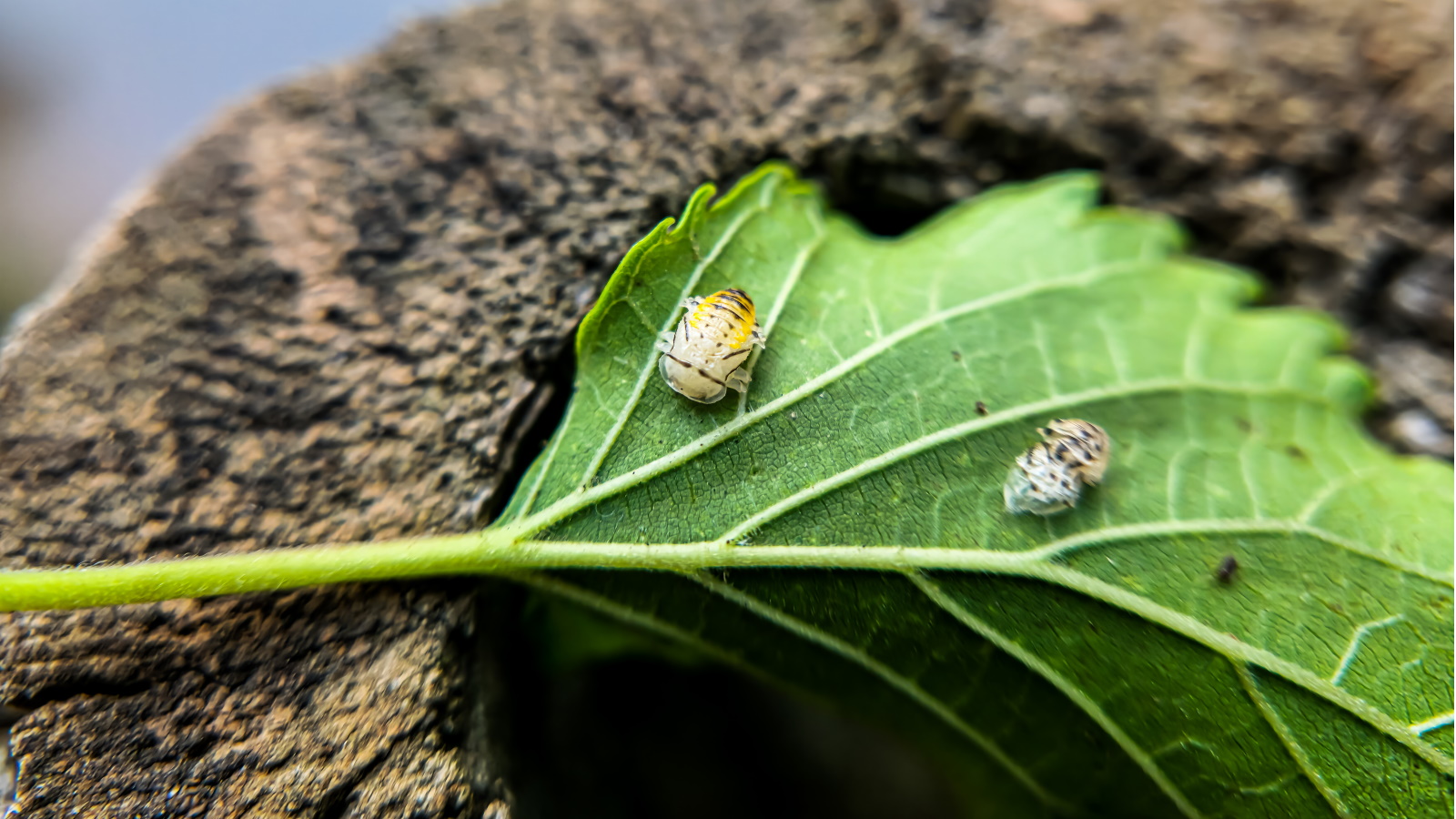
Image Source: cdn.mos.cms.futurecdn.net
Creating a Bug-Resistant Yard: The Foundation of Natural Pest Control
The most effective way to manage bugs naturally is to create an environment that is less appealing to them. This involves understanding their needs and how to disrupt their life cycles. Garden pest prevention is key.
Healthy Soil, Healthy Plants, Healthy Yard
- Good Soil Health: Healthy soil supports strong, vigorous plants. Strong plants are more resilient to pest attacks.
- Composting: Regularly add compost to your soil. Compost enriches the soil with nutrients and improves its structure, leading to healthier plants.
- Mulching: Apply a layer of organic mulch (like wood chips, straw, or shredded leaves) around your plants. Mulch helps retain soil moisture, suppresses weeds (which can harbor pests), and regulates soil temperature. It also breaks down over time, adding more nutrients.
- Right Plant, Right Place: Choose plants that are well-suited to your climate and the specific conditions in your yard (sunlight, soil type). Stressed plants are more susceptible to pests.
- Proper Watering: Water your plants deeply and less frequently rather than shallowly and often. This encourages deeper root growth, making plants stronger. Avoid overhead watering late in the day, as this can promote fungal diseases that attract certain pests.
Encouraging Biodiversity: Nature’s Pest Control Squad
A diverse yard ecosystem is naturally more resistant to pest outbreaks. The goal is to attract beneficial insects that prey on or parasitize common garden pests.
Welcoming Beneficial Insects
- Plant a Variety of Flowers: Many beneficial insects are attracted to the nectar and pollen of specific plants. Consider planting:
- Dill
- Fennel
- Parsley
- Yarrow
- Sweet Alyssum
- Cosmos
- Marigolds
- Sunflowers
- Provide Water Sources: A shallow dish of water with pebbles or a small bird bath can attract beneficial insects and birds that also eat pests.
- Avoid Broad-Spectrum Pesticides: Even natural pesticides can harm beneficial insects. Use them only when absolutely necessary and target specific pests.
Common Beneficial Insects and What They Eat:
| Beneficial Insect | What it Eats | How to Attract Them |
|---|---|---|
| Ladybugs | Aphids, mealybugs, thrips, mites | Dill, fennel, yarrow, cosmos, sweet alyssum |
| Lacewings | Aphids, caterpillars, thrips, whiteflies | Dill, fennel, coreopsis, sweet alyssum |
| Praying Mantises | A wide variety of insects, including pests | Tall grasses, shrubs, bushes (provide shelter and hunting grounds) |
| Hoverflies (Syrphid flies) | Aphids | Dill, fennel, parsley, yarrow |
| Predatory Mites | Spider mites, thrips | Plants with fuzzy leaves, certain types of ground cover |
| Ground Beetles | Slugs, snails, cutworms, insect eggs | Mulch, ground cover, compost piles (provide habitat) |
Natural Methods for Specific Yard Pests
Once you have a healthy, biodiverse yard, you can address specific bug problems with targeted natural solutions.
Tackling Aphids: A Common Garden Headache
Aphids are small, sap-sucking insects that can devastate young plants.
Aphid Treatment: Gentle and Effective
- Water Spray: A strong blast of water from your hose can knock aphids off plants. Repeat as needed.
- Handpicking: For small infestations, you can simply pick aphids off plants by hand and drop them into a bucket of soapy water.
- Beneficial Insects: Ladybugs and lacewings are voracious aphid predators. Encourage them to visit your garden.
- Insecticidal Soap: This is a highly effective DIY bug spray. Mix 1 tablespoon of mild liquid soap (like pure castile soap, not detergent) with 1 quart of water. Spray directly on the aphids, ensuring you coat them well. The soap breaks down their outer layer. Test on a small area of the plant first, as some plants can be sensitive.
- Neem Oil Spray: Neem oil is derived from the neem tree and has insecticidal, fungicidal, and miticidal properties. It disrupts insect growth and feeding. Mix according to product instructions (usually 1-2 tablespoons per gallon of water with a surfactant like soap). Apply in the early morning or late evening to avoid harming pollinators.
Dealing with Ants: Tiny Terrors of the Yard
Ants can be a nuisance, especially when they invade your home or damage plants. Ant control methods focus on disruption and elimination.
Effective Ant Control Methods
- Identify the Trail: Find where the ants are coming from and going to. This helps you target their entry points or nest.
- Cornmeal or Borax Bait: Mix equal parts cornmeal and sugar or borax and powdered sugar. Place small amounts of this mixture near ant trails or entry points. Ants eat the bait and carry it back to their nest, potentially eliminating the colony. Caution: Borax is toxic if ingested by pets or children. Use with extreme care and in secure locations.
- Diatomaceous Earth (Food Grade): This is a natural powder made from fossilized aquatic organisms. It has sharp edges that dehydrate and kill insects with exoskeletons, including ants. Sprinkle it around the base of plants, on ant trails, or near entry points.
- Vinegar Spray: A 50/50 mixture of white vinegar and water can be sprayed on ant trails to disrupt their scent markings. This confuses them and makes them scatter.
- Block Entry Points: Seal cracks and crevices in your home’s foundation and around windows and doors where ants might enter.
- Remove Food Sources: Keep outdoor areas clean. Wipe up spills, seal trash cans, and don’t leave pet food out.
Combating Slugs and Snails: The Garden’s Slimy Scourge
Slugs and snails can devour leaves, stems, and fruits overnight. Slug deterrents focus on creating barriers and traps.
Proven Slug Deterrents
- Copper Barriers: Slugs and snails receive a mild electric shock when they touch copper. Place copper tape or flashing around raised beds or individual plants.
- Diatomaceous Earth (Food Grade): Similar to its effect on ants, DE can dehydrate slugs and snails. Apply it around susceptible plants, but remember it loses effectiveness when wet.
- Crushed Eggshells: The sharp edges of crushed eggshells can deter slugs and snails from crossing them. Sprinkle a thick layer around plants.
- Coffee Grounds: Used coffee grounds are believed to deter slugs and snails due to their caffeine content and abrasive texture. Sprinkle them around plants.
- Beer Traps: Bury a shallow container (like a tuna can) so its rim is level with the soil. Fill it with beer. Slugs and snails are attracted to the yeast in the beer, fall in, and drown. Empty and refill regularly.
- Handpicking: The most straightforward method is to go out at night with a flashlight and pick them off. Drop them into a bucket of soapy water.
Mosquito Control Backyard: Reclaiming Your Outdoor Space
Mosquitoes are not just annoying; they can also transmit diseases. Effective mosquito control backyard strategies focus on eliminating breeding grounds and using natural repellents.
Natural Mosquito Control Backyard Tactics
- Eliminate Standing Water: Mosquitoes breed in stagnant water. Regularly empty or clean:
- Bird baths
- Flower pot saucers
- Clogged gutters
- Old tires
- Pet water bowls
- Buckets and tarps
- Attract Natural Predators: Encourage bats, birds (like swallows and purple martins), and dragonflies, which are natural predators of mosquitoes. Install bat houses or birdhouses.
- Mosquito-Repelling Plants: Some plants are known to repel mosquitoes. Consider planting:
- Citronella grass
- Lemongrass
- Lavender
- Basil
- Rosemary
- Marigolds
- DIY Bug Spray (Mosquito Repellent): Essential oils like citronella, lemon eucalyptus, lavender, peppermint, and tea tree oil have repellent properties. Mix a few drops of these oils with a carrier oil (like coconut oil or jojoba oil) or witch hazel and water. Test on a small skin area first.
- Mosquito Traps: Various natural mosquito traps are available that use attractants like carbon dioxide or heat to lure mosquitoes to their demise.
- Encourage Air Circulation: Mosquitoes are weak fliers and dislike wind. Using fans on your patio or deck can help keep them away.
Caterpillar Control: Protecting Your Plants
Caterpillars, the larval stage of moths and butterflies, can chew through leaves and damage plants rapidly.
Natural Caterpillar Control
- Handpicking: Like aphids, caterpillars can often be removed by hand. Drop them into soapy water.
- Bacillus Thuringiensis (Bt): This is a naturally occurring soil bacterium that is toxic to caterpillars when ingested. It is safe for humans, pets, and beneficial insects. You can purchase Bt sprays or dusts at garden centers. Follow product instructions carefully.
- Row Covers: For vulnerable seedlings and young plants, lightweight fabric row covers can physically prevent moths and butterflies from laying eggs on them.
- Encourage Birds: Many birds are excellent predators of caterpillars. Attracting birds to your yard with bird feeders, bird baths, and nesting sites can help control caterpillar populations.
Insect Repellent for Gardens: Protecting Your Plants and Yourself
Sometimes, you need to protect your plants or yourself from insect bites when natural methods aren’t enough. An insect repellent for gardens can be a lifesaver.
Safe and Effective Insect Repellent for Gardens
- Essential Oil Sprays: As mentioned for mosquitoes, sprays made with essential oils like peppermint, rosemary, thyme, and cedarwood can deter a variety of insects. Mix a few drops with water and a bit of soap as an emulsifier.
- Garlic Spray: Boil a bulb of garlic in water, strain the liquid, and add a teaspoon of mild liquid soap. This pungent spray can deter many pests.
- Companion Planting: Certain plants can naturally repel pests when planted near susceptible crops. For example:
- Marigolds repel nematodes and some flying insects.
- Basil repels flies and mosquitoes.
- Rosemary deters carrot rust flies and bean beetles.
- Mint can deter ants and rodents.
Beyond Sprays: Physical Barriers and Traps
Not all natural pest control involves sprays. Physical methods can be very effective.
Utilizing Barriers and Traps
- Sticky Traps: Yellow sticky traps attract flying insects like whiteflies, aphids, and gnats. The insects get stuck to the adhesive surface. Place them strategically around your garden.
- Diatomaceous Earth (DE): This is a versatile tool. When applied as a dry barrier around plants or garden beds, it provides protection against crawling insects. Reapply after rain.
- Row Covers: As mentioned for caterpillars, these lightweight fabrics create a physical barrier against a wide range of pests, allowing sunlight and water to pass through.
Lawn Care Solutions: A Healthy Lawn is Less Prone to Pests
A healthy, well-maintained lawn is naturally more resistant to common lawn pests like grubs and chinch bugs. Lawn care solutions should focus on promoting turf health.
Natural Lawn Care Solutions
- Proper Mowing: Mow your lawn at the correct height for your grass type. Taller grass shades the soil, keeping it moist and cooler, which discourages pests and promotes deep root growth.
- Dethatching and Aeration: Remove excess thatch (dead grass clippings) and aerate your lawn to allow water, air, and nutrients to reach the roots. Compacted soil and thick thatch create environments where pests thrive.
- Overseeding: Keep your lawn dense by overseeding regularly. A thick, healthy turf outcompetes weeds and makes it harder for pests to establish themselves.
- Beneficial Nematodes: These microscopic worms are natural predators of soil-dwelling pests like grubs, flea larvae, and chinch bugs. They are safe for humans, pets, and beneficial insects. Apply them to your lawn according to product instructions.
- Corn Gluten Meal: This is a natural pre-emergent herbicide and fertilizer. It can help prevent weed seeds from germinating and provides a boost of nitrogen to your lawn, promoting healthy growth.
- Healthy Soil: Test your soil and amend it as needed with compost or organic fertilizers to ensure your grass has the nutrients it needs to be strong and resilient.
Integrated Pest Management (IPM) for Yard Bug Control
The most effective natural pest control strategy is Integrated Pest Management (IPM). IPM combines various methods to manage pests in a way that is ecologically sound and economically viable.
Principles of IPM
- Prevention: Start with healthy soil, choose resistant plant varieties, and practice good sanitation.
- Monitoring: Regularly inspect your plants and lawn for early signs of pest infestation. Knowing what pests you have and their life cycles is crucial.
- Identification: Correctly identify the pest. This ensures you use the right treatment and don’t harm beneficial insects.
- Cultural Controls: Use practices like proper watering, mowing, and companion planting to make your yard less hospitable to pests.
- Physical/Mechanical Controls: Employ methods like handpicking, barriers, and traps.
- Biological Controls: Encourage natural predators and parasites.
- Chemical Controls (Natural Only): Use targeted, low-impact natural pesticides (like insecticidal soap or neem oil) only when other methods fail and when pest populations reach damaging levels.
Making Your Own DIY Bug Spray
Creating your own DIY bug spray is a cost-effective and natural way to combat many common garden pests. Here are a few effective recipes.
Versatile DIY Bug Spray Recipes
1. All-Purpose Insecticidal Soap Spray:
- Ingredients:
- 1 tablespoon mild liquid soap (pure castile soap recommended)
- 1 quart water
- Instructions: Mix the soap and water in a spray bottle. Shake gently. Spray directly onto pests. Test on a small plant area first.
2. Neem Oil Spray:
- Ingredients:
- 1-2 tablespoons pure cold-pressed neem oil
- 1 teaspoon mild liquid soap (as an emulsifier)
- 1 quart warm water
- Instructions: Mix the neem oil and soap in the warm water. Stir well. Pour into a spray bottle. Apply in the early morning or late evening.
3. Garlic and Pepper Spray:
- Ingredients:
- 1 bulb garlic, minced
- 1-2 hot peppers (like cayenne or jalapeño), chopped (seeds and all)
- 1 quart water
- 1 teaspoon mild liquid soap
- Instructions: Steep the garlic and peppers in the water for at least 24 hours. Strain the liquid into a spray bottle, add the soap, and shake well. This is a potent deterrent for many insects.
4. Essential Oil Repellent Spray:
- Ingredients:
- 10-15 drops each of essential oils known for repelling insects (e.g., citronella, peppermint, lavender, tea tree, eucalyptus)
- 2 tablespoons witch hazel or vodka (helps oils disperse)
- 1/2 cup water
- Instructions: Combine witch hazel/vodka and essential oils in a spray bottle. Add water and shake well. This is great for personal use or spraying around outdoor seating areas.
Important Considerations for DIY Sprays:
- Test First: Always test your spray on a small, inconspicuous part of a plant or on yourself before widespread application. Some plants are sensitive to certain ingredients.
- Apply at the Right Time: For most natural sprays, applying them in the early morning or late evening is best to avoid burning plant leaves in direct sunlight and to minimize harm to beneficial insects and pollinators.
- Reapply as Needed: Natural sprays break down more quickly than chemical ones, so you may need to reapply them after rain or every few days.
Frequently Asked Questions (FAQ)
Q1: What is the most effective natural way to get rid of ants?
The most effective natural way to get rid of ants often involves identifying their trails and nests and using baits like a mixture of borax and sugar or cornmeal and sugar, which they carry back to the colony. Diatomaceous earth can also be sprinkled along trails to dehydrate them.
Q2: Can I use essential oils to repel bugs in my garden?
Yes, many essential oils like citronella, peppermint, lavender, and tea tree oil can be used in diluted sprays to repel bugs in your garden. Always dilute them with water and a bit of soap, and test on a small area first.
Q3: How do I naturally control mosquitoes in my backyard?
Naturally controlling mosquitoes in your backyard primarily involves eliminating standing water where they breed. Additionally, planting mosquito-repelling plants, attracting natural predators like bats and birds, and using natural repellents like essential oil sprays can be effective.
Q4: What are the best natural slug deterrents?
Natural slug deterrents include copper barriers, diatomaceous earth, crushed eggshells, coffee grounds, beer traps, and handpicking. These methods create physical barriers, dehydrate them, or trap them.
Q5: Is neem oil safe for beneficial insects?
Neem oil can harm beneficial insects if sprayed directly on them. It’s best to apply neem oil in the early morning or late evening when beneficial insects and pollinators are less active. When used correctly, it can be part of an integrated pest management plan.
Q6: How often should I reapply natural bug sprays?
Natural bug sprays typically need to be reapplied every few days or after rain, as they break down more quickly than synthetic pesticides. Consistent monitoring and reapplication are key to maintaining effectiveness.
Q7: Can companion planting really keep bugs away?
Yes, companion planting can help deter pests. Certain plants release scents or have properties that repel specific insects, making them useful neighbors for your vegetables and flowers.
By adopting these organic yard care practices and natural pest control methods, you can create a thriving, pest-resistant yard that is safe for your family, pets, and the environment. It’s a journey towards a more sustainable and enjoyable outdoor living space.