
If you’ve recently purchased a home with a septic system or are simply unaware of your septic tank’s whereabouts, you’re not alone. How do I find my septic tank? You can typically find your septic tank by checking property records, looking for signs of disturbance in the yard, using a septic tank locator tool, or even by carefully probing the ground. This guide will walk you through the process of locating septic system components, ensuring you know where your septic tank is for essential septic tank maintenance and future needs.
Knowing your septic tank’s location is crucial for the proper functioning and longevity of your entire septic system. Whether you need to schedule a routine septic tank pumping, address an issue, or plan landscaping, having this information readily available will save you time, money, and potential headaches. A buried septic tank can be a mystery, but with a few simple steps, you can unravel its location.
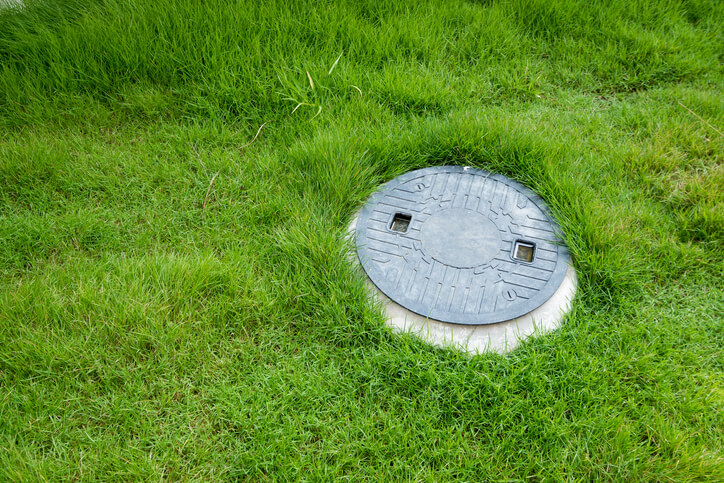
Image Source: www.jonessepticfl.com
Why Knowing Your Septic Tank’s Location Matters
A septic system is a vital part of your home, especially if you aren’t connected to a municipal sewer system. It treats and disposes of household wastewater. The septic tank is the primary component, where solids settle out and liquids (effluent) flow to a drainfield for further treatment. Without a clear idea of where your tank is, you risk:
- Damaging the system: Driving, parking, or building over your septic tank or drainfield can cause significant damage, leading to costly repairs.
- Interfering with maintenance: Finding the septic tank lid is essential for pumping and inspection. If you can’t locate it, you can’t get the service you need.
- Wasting time during emergencies: If your septic system backs up, you need to know where the tank is to allow access for emergency services.
- Improper landscaping: Planting trees with deep root systems too close to your septic tank can cause damage over time.
Initial Steps: Checking Records and Visual Clues
Before you grab a shovel, there are a few easy places to start your search for the septic system location.
Checking Property Records and Documents
The most definitive way to find your septic tank is to consult official records.
Deeds and Site Plans
Your property deed or any associated site plans or plot maps that came with your home purchase should indicate the location of the septic system. These documents are often kept by:
- Your real estate agent: They might have copies from your sale.
- Your attorney: If you used one for the purchase.
- Your local county recorder’s office or planning department: They maintain public records for all properties.
Look for symbols or notes on these plans that mark the septic tank and drainfield.
Septic System Permits
When the septic system was installed or last serviced, a permit was likely issued by your local health department or building department. These permits often include diagrams or specifications showing the system’s layout.
Visual Inspection of Your Yard
Walk around your property with a keen eye. Certain visual cues can hint at the septic tank access point.
Common Signs of a Buried Septic Tank
- Slightly raised or sunken areas: Over time, the ground above the septic tank may settle, creating a subtle depression. Conversely, soil compaction during installation can sometimes lead to a slight mound.
- Unusual grass growth: The effluent that may leak from a compromised tank or drainfield can fertilize the soil, leading to greener or lusher patches of grass. Conversely, areas around the tank might be drier if the lid is not well-sealed.
- Absence of vegetation: Sometimes, the soil above a septic tank can be too compacted or lacking in nutrients for plants to grow well.
- Underground pipes leading to the area: Look for any larger pipes that seem to be exiting your house and heading towards an open area of your yard. These often lead to the septic tank.
- Manhole covers or access risers: While often hidden, you might spot a round or rectangular metal or plastic lid (the septic tank lid) at ground level if it’s not deeply buried. These are usually located at one end of the tank for access.
Tip: Septic tanks are typically located within 10 to 50 feet of the house’s foundation, usually on the side opposite the main water supply. The drainfield is typically located further away, often in the backyard.
Advanced Techniques for Locating Your Septic Tank
If visual clues and record checks don’t yield results, or you need more certainty, consider these more involved methods.
Using a Septic Tank Locator Tool
A septic tank locator is a specialized device designed to find underground septic tanks. There are different types:
Metal Detectors
Many septic tanks are made of concrete, but they often have metal components like manhole covers, reinforcing bars, or access risers. A powerful metal detector can sometimes pick up these signals.
- How it works: You sweep the detector over the suspected area. When it detects metal, it emits a sound or visual cue.
- Limitations: This method is only effective if there are metal components near the surface. It can also give false positives from other buried metal objects.
Electronic Locators (Transmitters and Receivers)
These are more sophisticated and often used by professionals, but some homeowners opt to rent or buy them.
- How it works: A transmitter is inserted into a cleanout or access point of your plumbing system. It sends a signal down the pipe. A handheld receiver is then used to scan the yard, “listening” for the signal, which leads you to the tank.
- Effectiveness: This is a very reliable method if you can access the plumbing.
The Probe Method: A Careful Approach
This is a physical method that requires patience and careful execution to avoid damaging the septic tank itself. The goal is to find the septic tank cover.
What You’ll Need:
- A long, thin metal rod or a shovel with a thin blade (e.g., a soil probe or a plumbing snake).
- Gloves and appropriate safety gear.
- Marking flags or stakes.
Steps:
- Identify a Likely Area: Based on visual clues and record checks, narrow down the search area. Septic tanks are typically buried 3-6 feet deep.
- Start Probing: Begin probing the ground systematically in a grid pattern. Push the rod or shovel blade straight down.
- Listen and Feel: When probing, you’ll feel resistance from soil. You’ll notice a sudden lack of resistance when you hit a hard surface, like the concrete or plastic of the septic tank.
- Mark Your Findings: When you hit something solid, mark the spot with a flag or stake. If you hit something solid and then experience a sudden lack of resistance again, you may have found the edge of the tank or a riser.
- Continue and Map: Continue probing across your suspected area to map out the dimensions of the tank. The typical septic tank is rectangular, around 6×8 feet or 8×10 feet, but sizes vary.
- Locate the Lid: Once you’ve identified the tank’s general area, probe specifically for the septic tank lid or access point. It will feel like a flat, solid surface.
Important Caution: Be extremely careful not to force the probe or shovel. If you encounter significant resistance, stop and try a different spot. You don’t want to puncture the tank or damage a pipe.
Hiring a Professional Septic Service
If you’ve exhausted other methods or are uncomfortable performing the probe method yourself, hiring a professional is your best bet.
Benefits of Hiring Professionals:
- Expertise: They have the experience and specialized tools (like septic tank locators and cameras) to find your system quickly and accurately.
- Efficiency: They can often locate the tank in a fraction of the time it would take a homeowner.
- System Assessment: While they are there, they can often perform a preliminary septic tank inspection or provide advice on septic tank maintenance.
A professional service call can confirm the septic system location and ensure you know exactly where to access it for future work. They are the most reliable resource for finding septic tank cover if it’s deeply buried or unmarked.
Identifying the Septic Tank Components
Once you’ve located the general area, you need to confirm you’ve found the tank and identify its access points.
The Septic Tank Lid
The septic tank lid is the crucial point of access for maintenance.
- Types of Lids: Septic tanks can have one or two lids, depending on their design. They are typically made of concrete, plastic, or fiberglass.
- Risers: Many modern septic systems have risers extending from the tank lid up to or near ground level. These make accessing the tank much easier and safer. You might see a plastic or concrete collar around the lid.
- Covered or Buried: Some tanks have lids that are flush with the ground or even buried several inches or feet below the surface.
Confirming the Find
If you’ve probed and found a solid, rectangular or circular underground structure, it’s very likely your septic tank. If you have a septic tank locator device that uses a transmitter/receiver, the signal will pinpoint the tank’s precise location.
What to Do Once You’ve Found Your Septic Tank
Knowing the location is just the first step. Now you need to ensure it’s properly marked and maintained.
Marking the Location
Once you’ve confidently found your septic tank and its access points, it’s a good idea to mark them clearly.
- Permanent Markers: You can use durable garden stakes, brightly colored paint (specifically designed for landscaping or marking underground utilities), or even small, unobtrusive garden ornaments placed strategically.
- Map It: Draw a simple map of your property indicating the septic tank location and its distance from fixed points (like your house, a fence, or a prominent tree). Keep this map with your important home documents.
- Inform Others: If you have family members or housemates, make sure they know where the septic tank is located.
Scheduling Regular Septic Tank Maintenance
Finding your tank is a prerequisite for proper septic tank maintenance.
Septic Tank Pumping
- Frequency: Most septic tanks need to be pumped every 3 to 5 years, depending on the household size, the tank’s capacity, and usage habits.
- Why it’s important: Pumping removes the accumulated sludge and scum, preventing them from entering and clogging the drainfield.
- Access for pumping: You’ll need clear access to the septic tank lid for the pumping truck to connect its hoses.
Septic Tank Inspection
- Purpose: Regular inspections (often done during pumping) check for any signs of damage, leaks, or structural issues within the tank. They also assess the sludge and scum levels.
- Benefits: Early detection of problems can prevent major failures and costly repairs to the entire septic system.
Drainfield Awareness
While this guide focuses on the tank, remember your drainfield is an equally critical part of the system. It’s usually located some distance from the tank and looks like a series of trenches or a bed of gravel. Avoid driving or building on the drainfield.
Troubleshooting Common Septic Tank Location Challenges
Even with the best efforts, locating septic system components can be tricky.
Tank is Deeply Buried
- Challenge: If the tank was installed many years ago, or if soil has eroded or been added over time, the septic tank lid might be several feet underground.
- Solution: This is where professional services with specialized locators or extensive probing become most useful. A licensed septic professional will have the best chance of finding a deeply buried tank.
Multiple Access Points
- Challenge: Some larger septic tanks have two lids or access points for easier maintenance.
- Solution: Continue probing or using your locator until you’ve mapped out the entire structure. Identify which lid provides access to the inlet side (where wastewater enters) and which to the outlet side (where effluent leaves for the drainfield).
Unmarked, Unrecorded, and Old Systems
- Challenge: Older homes, especially those in rural areas, may have septic systems that were never properly permitted or recorded, and the original owners may no longer be around to provide information.
- Solution: This scenario often requires a combination of careful visual inspection, methodical probing, and potentially the use of professional septic tank locator services. Patience and persistence are key.
Frequently Asked Questions (FAQ)
How deep are septic tanks usually buried?
Septic tanks are typically buried between 3 to 6 feet deep. The lid itself might be closer to the surface, especially if risers were installed.
Can I dig up my septic tank myself?
While you can probe to find the general area, digging yourself can be hazardous. You risk injury from buried utilities, damaging the tank, or encountering hazardous materials. It’s generally safer to use professional services or at least consult them before significant excavation.
What if I can’t find the septic tank at all?
If you’ve tried all the methods and still can’t locate your septic tank, it’s time to call a licensed septic service company. They have specialized equipment and experience to find even the most elusive septic tanks.
Is it okay to build a patio or shed over my septic tank?
No, you should never build anything permanent over your septic tank or drainfield. Access to the tank is crucial for maintenance, and building over it can lead to damage and costly repairs. Check local regulations for setback requirements for structures from septic system components.
How often should my septic tank be pumped?
Most septic tanks require pumping every 3 to 5 years. The exact frequency depends on the tank size, the number of people in the household, and how much wastewater is generated. Regular pumping is a cornerstone of septic tank maintenance.
Conclusion
Locating your septic tank might seem like a daunting task, but with a systematic approach, it’s achievable. From reviewing property documents and conducting a thorough visual inspection of your yard to employing specialized tools or professional assistance, knowing your septic system location is a critical aspect of responsible homeownership. This knowledge empowers you to perform necessary septic tank maintenance, prevent damage, and ensure the smooth operation of your home’s wastewater treatment system. Don’t wait for a problem to arise; take the initiative to find septic tank cover and secure the health of your septic system for years to come.