
What is the best way to fill a hole in your yard? The best way to fill a hole in your yard is to use a good quality topsoil, compact it firmly, and then reseed or lay sod. Can I fill a hole with just dirt? Yes, you can fill a hole with just dirt, but using a mix of topsoil and compost will yield better results for your lawn’s health. Who is responsible for filling holes in a shared yard? If the hole is in a shared yard, the responsibility usually falls to the homeowner’s association or property management company.
A beautiful, even lawn is a joy to behold. However, life happens, and sometimes our yards end up with unwelcome holes and divots. These imperfections aren’t just unsightly; they can also pose tripping hazards and make mowing difficult. Fortunately, repairing yard depressions and filling sunken spots in lawn areas are achievable tasks for any homeowner. Whether you’re dealing with small animal burrows, frost heave aftermath, or just general wear and tear, this guide will walk you through the simple steps to patching lawn holes effectively. We’ll cover everything from choosing the right materials for soil filling for yard divots to the best techniques for levelling uneven ground in yard.
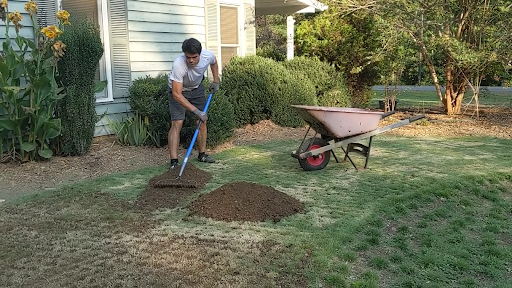
Image Source: proplugger.com
Why Do Holes Appear in My Lawn?
Before we dive into the fixes, it’s helpful to know why these holes form. Understanding the root cause can help prevent future issues.
Common Culprits Behind Lawn Holes
- Animal Activity: Moles, voles, groundhogs, and even squirrels can dig tunnels and create unsightly mounds or holes in your lawn. These critters are often searching for food like grubs or insects.
- Frost Heave: During winter, water in the soil can freeze and expand, pushing soil upwards. When it thaws, the soil can settle unevenly, leaving behind depressions. This is especially common in areas with poor drainage.
- Erosion: Heavy rainfall or improper irrigation can wash away soil, particularly on slopes or in areas with sparse grass cover, creating gullies or holes.
- Tree Roots: As trees grow, their roots can push up sections of your lawn, or if a tree is removed, the decaying roots can leave behind voids that cause the ground to sink.
- Compacted Soil: Over time, heavy foot traffic or machinery can compact the soil. This reduces water and air penetration, leading to weak grass and the potential for sinking as the soil settles.
- Plumbing Leaks: Though less common, underground water line breaks can wash away soil, leading to sinkholes. If you suspect a leak, contact a professional immediately.
- Old Structures: If there were sheds, patios, or other structures on your property that were removed, incomplete backfilling garden holes can lead to settling over time.
Your Step-by-Step Guide to Filling Lawn Holes
Repairing lawn indentations and filling outdoor craters requires a methodical approach. Here’s how to get your lawn looking smooth and even again.
Step 1: Assess the Hole
Before you grab any tools, take a good look at the hole.
How Big is the Hole?
- Small Holes (under 6 inches in diameter): These are typically easy to fill with soil and seed.
- Medium Holes (6 inches to 2 feet in diameter): These might require more soil and potentially some compaction.
- Large Holes (over 2 feet in diameter): These are essentially landscaping yard repairs that might require more significant attention, possibly involving heavier materials or even professional assessment if you suspect underground issues.
What Caused the Hole?
- Animal Burrow: Look for tell-tale signs like loose soil mounds or tunnels. You might need to address the animal problem first.
- Erosion/Settling: These often appear as gradual dips or depressions.
- Tree Root Void: You might see a noticeable lump or depression related to a tree’s location.
Is the Area Draining Well?
Poor drainage can exacerbate sinking issues. If the hole consistently fills with water, you may need to address drainage problems before filling.
Step 2: Gather Your Supplies
Having the right materials makes the job much easier.
Essential Supplies
- Topsoil: High-quality topsoil is key for soil patching for grass. Look for a blend specifically designed for lawns. It should be screened to remove rocks and debris.
- Compost (Optional but Recommended): Mixing compost with topsoil adds vital nutrients and improves soil structure, encouraging grass growth.
- Shovel: For digging, moving soil, and leveling.
- Garden Rake: For breaking up clumps of soil and smoothing the surface.
- Tamper (or a flat piece of wood/your feet): For compacting the soil.
- Wheelbarrow: To transport soil.
- Watering Can or Hose with Sprinkler: For moistening the soil and watering new seed.
- Grass Seed: Choose a seed blend that matches your existing lawn.
- Fertilizer (Starter Fertilizer): Helps new seed germinate and establish.
- Mulch or Straw (Optional): To retain moisture and protect new seed.
Step 3: Prepare the Hole
Proper preparation ensures the fill material stays in place.
Clearing the Area
- Remove any debris, rocks, weeds, or loose soil from the bottom of the hole.
- If the hole is the result of an animal burrow, you might want to dig out a bit more to ensure you remove any remaining tunnels and discourage the animal from returning.
Loosening the Soil (If Necessary)
- If the soil at the bottom of the hole is very compacted, lightly loosen it with your shovel or a garden fork. This helps the new soil blend better and prevents a layer of hard soil from hindering root growth.
Step 4: Filling the Hole
This is where the soil filling for yard divots happens.
Layering and Compacting
This is the most crucial part of filling sunken spots in lawn areas.
- Start with the Base: For deeper holes, it’s a good idea to add a layer of compost or a soil amendment first. This adds nutrients and helps the topsoil adhere better.
- Add Topsoil in Layers: Don’t just dump all the soil in at once. Add the topsoil in layers, about 4-6 inches at a time.
- Compact Each Layer: After adding each layer of soil, compact it firmly. You can use a hand tamper, the flat side of a shovel, or even stomp on it with your feet. Compaction is vital to prevent the soil from settling further over time and creating new depressions.
- Slightly Overfill: When you reach the desired level, slightly overfill the hole so the patched area is a little higher than the surrounding lawn. As the soil settles and the grass grows, it will naturally level out. Think of it as creating a very subtle mound.
- Rake Smooth: Once filled and compacted, use a garden rake to smooth the surface, breaking up any large clumps and creating a fine tilth.
How Much Soil to Use?
The amount of soil you need depends entirely on the size and depth of the hole. You can estimate by measuring the volume (length x width x depth). It’s always better to have a little extra soil than not enough.
Step 5: Seeding or Sodding
Once the hole is filled and leveled, it’s time to introduce new grass.
Seeding Your Patch
- Apply Starter Fertilizer: Spread a thin layer of starter fertilizer over the prepared soil according to the product’s instructions.
- Spread Grass Seed: Distribute the grass seed evenly over the area. A general guideline is about 2-3 pounds of seed per 1,000 square feet, but check the seed bag for specific recommendations. You can use a broadcast spreader for larger areas.
- Lightly Rake In Seed: Gently rake the seed into the top half-inch of the soil. This ensures good seed-to-soil contact, which is essential for germination.
- Cover (Optional): You can lightly cover the seed with a thin layer of straw or a specialized seed-starting mulch. This helps retain moisture and protects the seed from birds and drying out.
- Water Gently: Water the area thoroughly but gently. Avoid using a strong stream that could wash the seeds away. The soil should be kept consistently moist, but not waterlogged, until the grass is established.
- Ongoing Care: Continue to water regularly. Once the grass reaches about 3 inches tall, you can mow it for the first time, making sure the mower blades are sharp. Avoid fertilizing again until the new grass is well-established (usually after a few mowings).
Using Sod
If you want an instant repair, sodding is a great option.
- Prepare the Soil: Fill and level the hole as described above, but ensure the surface is firm and lightly moist.
- Cut Sod to Size: Purchase sod that matches your existing lawn type. Cut the sod into pieces that fit the hole snugly.
- Lay the Sod: Place the sod pieces into the hole, pressing them down firmly so they make good contact with the soil underneath. Ensure the edges are tight against the surrounding grass.
- Water Thoroughly: Water the newly laid sod immediately and deeply. Keep the sod consistently moist for the first few weeks until it has rooted into the soil.
- Avoid Traffic: Keep foot traffic off the new sod until it is well-rooted.
Advanced Techniques for Specific Situations
Sometimes, a simple soil fill isn’t enough.
Filling Larger Holes and Sinkholes
For larger holes, especially those that might be caused by underground voids or removed tree stumps, you might need a different approach.
Table: Materials for Larger Hole Fills
| Hole Size | Recommended Fill Material | Compaction Method | Additional Considerations |
|---|---|---|---|
| 2-5 feet deep | Layers of clean fill dirt, gravel, or sand at the bottom, topped with topsoil. | Heavy tamper, roller, or driving over. | Ensure good drainage by using gravel layers if water tends to collect. Address potential underground voids. |
| Larger than 5 feet | May require specialized materials like engineered fill or soil mixed with aggregate. | Professional compaction equipment. | Important: If you suspect a sinkhole or significant underground void, consult a geotechnical engineer or contractor. |
| Stumps/Root Cavities | Fill with a mix of soil and compost, compacting thoroughly. For very large voids, consider using compacted fill dirt. | Stomp or tamper firmly in layers. | Ensure all organic material (like decaying wood) is removed or properly buried and compacted to prevent further settling. |
When backfilling garden holes left by tree removal, make sure to break up any large remaining root pieces. You can also add beneficial microbes to help the remaining roots decompose naturally, which will reduce the chance of future settling.
Levelling Uneven Ground in Yard Beyond Simple Holes
If your yard has widespread unevenness, a simple hole-filling approach might not be sufficient.
Topdressing
Topdressing involves spreading a thin layer of a soil/compost mix over the entire lawn. This gradually builds up low spots over time and improves the overall health and appearance of your lawn.
- Choose Your Mix: A good topdressing mix is typically 3 parts screened topsoil to 1 part compost.
- Apply Thinly: Spread the mix evenly across the lawn, aiming for a layer no thicker than ¼ to ½ inch.
- Rake In: Use a stiff bristled rake to work the mixture into the grass blades.
- Water: Water the lawn lightly after topdressing.
You may need to repeat topdressing several times throughout the growing season to achieve the desired levelness.
Leveling with Soil and Seed
For more pronounced unevenness, you can use a similar method to filling holes but on a larger scale.
- Spread Topsoil: Spread a layer of topsoil over the uneven areas, filling the low spots.
- Rake Smooth: Rake the area smooth, ensuring the new soil blends with the existing grade.
- Seed: Seed the newly covered areas to match your existing lawn.
- Water: Keep the seeded areas consistently moist until the grass is established.
This method is excellent for repairing yard depressions that are widespread.
Troubleshooting Common Issues
Even with the best intentions, you might encounter a few hiccups.
Problem: The Filled Area is Still Sinking
- Cause: Insufficient compaction, or the soil was too dry when compacted.
- Solution: Add more soil in layers, compacting each layer very firmly. If the soil is dry, moisten it slightly before compacting.
Problem: Grass Won’t Grow in the Filled Area
- Cause: Poor seed-to-soil contact, lack of moisture, poor quality soil, or incorrect seed type.
- Solution: Gently rake the area again to ensure good seed-to-soil contact. Water consistently. If using your own soil mix, ensure it’s good quality topsoil. Double-check that you’re using a grass seed blend suitable for your climate and the amount of sunlight the area receives.
Problem: The Patch Looks Different from the Rest of the Lawn
- Cause: Using a different grass seed blend or sod.
- Solution: Over time, as the new grass matures and you maintain your lawn consistently (fertilizing, watering, mowing), the differences will become less noticeable. You might consider a light overseeding of the entire lawn with your chosen grass type if the difference is very stark.
Frequently Asked Questions (FAQ)
Q1: How long does it take for grass seed to grow after filling a hole?
A1: Grass seed typically germinates within 7-21 days, depending on the type of seed, temperature, and moisture. Full establishment can take several weeks.
Q2: Can I use play sand to fill holes in my lawn?
A2: While sand can be used in some landscaping contexts, it’s generally not recommended for filling lawn holes on its own. Sand drains very quickly, which can create a dry zone that grass struggles to grow in. A mix of topsoil and compost is far better for lawn health.
Q3: When is the best time of year to fill holes in my lawn?
A3: The best time to fill holes and reseed is during the active growing seasons for your grass type: spring or fall. This allows the new grass to establish before extreme heat or cold sets in.
Q4: Do I need to remove existing grass around the hole?
A4: For small holes, it’s usually not necessary. However, if the edges are very ragged or you’re dealing with a larger area, you might want to trim back the edges slightly to create a cleaner repair.
Q5: How do I deal with holes caused by moles?
A5: First, address the mole problem by using traps or repellents. Once the moles are gone, fill the tunnels and holes as described in this guide. You may need to reseed the affected areas.
By following these detailed steps, you can effectively tackle any hole or depression in your yard, transforming your lawn from uneven and problematic to smooth, healthy, and beautiful. Remember, careful preparation and thorough compaction are the secrets to lasting landscaping yard repairs.