
Can raccoons dig up your lawn? Yes, raccoons can definitely dig up your lawn, often in search of grubs, insects, or other tasty treats beneath the surface. This guide will help you stop raccoons digging and protect your lawn from raccoons. We’ll explore effective, natural raccoon deterrents to prevent raccoons digging holes and keep raccoons out of your garden.
Raccoons are intelligent and adaptable creatures, which makes them a common nuisance for homeowners. Their digging behavior, while natural to them, can be incredibly frustrating for those who take pride in their lawns and gardens. When these masked bandits start creating patches of bare earth and overturned sod, it’s natural to seek solutions. Fortunately, you don’t have to resort to harsh chemicals or harmful methods to manage this problem. This article delves into a variety of natural raccoon deterrents and strategies to help you protect your lawn from raccoons effectively and humanely.
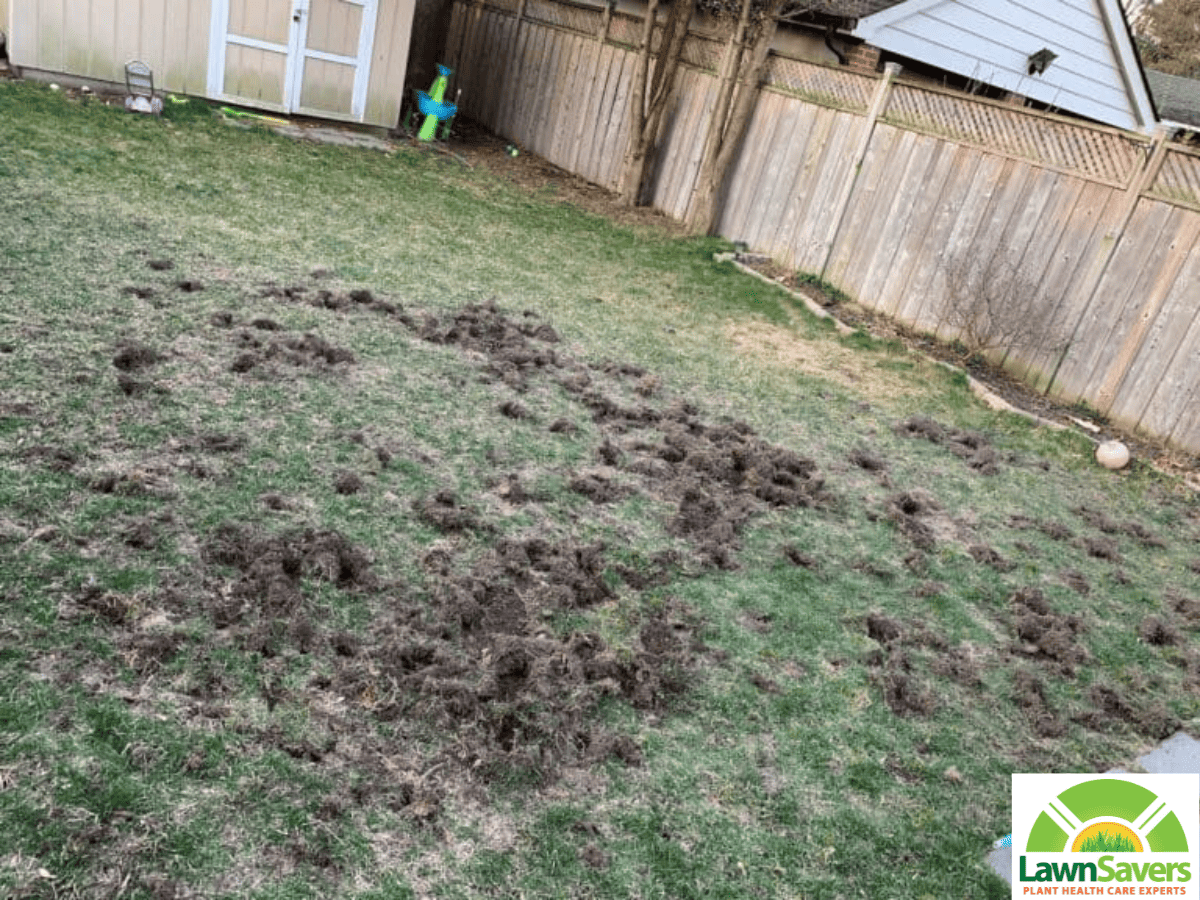
Image Source: lawnsavers.com
Why Raccoons Dig in Your Lawn
Before we can effectively deter raccoons, it’s helpful to understand why they engage in this behavior. Their digging isn’t random vandalism; it’s driven by instinct and the availability of resources.
The Search for Food
The primary reason raccoons dig is to find food. Your lawn, especially if it’s healthy and moist, is a prime hunting ground for:
- Grubs: These are the larvae of beetles, such as Japanese beetles and June bugs. They feed on grass roots, weakening your lawn, and are a favorite food for raccoons.
- Earthworms: Another valuable protein source for raccoons, earthworms are often found in healthy, aerated soil.
- Insects and Larvae: A wide variety of other invertebrates can be found just below the surface.
Shelter and Nesting
While less common for widespread lawn digging, raccoons may also dig shallow depressions or enlarge existing holes to create temporary resting spots or to access areas for shelter, especially if they feel threatened or are seeking refuge from the elements.
Curiosity and Exploration
Raccoons are naturally curious animals. They explore their environment by digging, sniffing, and manipulating objects. Sometimes, digging might simply be an act of exploration rather than a direct search for food.
Natural Raccoon Deterrents: Creating an Unwelcoming Environment
The key to successfully deterring raccoons from your lawn naturally is to make your yard less appealing and harder to access for them. This involves a multi-pronged approach, combining repellents, habitat modification, and exclusion.
Physical Barriers and Exclusion
The most effective way to stop raccoons digging holes is to prevent them from accessing the areas they want to dig in.
Securing Trash Cans
Raccoons are notorious for rummaging through trash. If your garbage cans are easily accessible, they become a buffet that attracts raccoons to your property.
- Use Heavy-Duty Cans: Invest in sturdy metal or thick plastic garbage cans with secure, locking lids.
- Bungee Cords or Straps: Use bungee cords or ratchet straps to secure lids tightly.
- Store Cans Securely: If possible, store trash cans in a shed or garage until collection day.
- Rinse Cans: Rinse out food containers before discarding them to reduce attractive odors.
Fencing Strategies
A well-designed fence can be a significant deterrent. However, raccoons are agile climbers and can squeeze through relatively small openings.
- Height: Fences should be at least 4-6 feet tall.
- Overhang: Install an inward-facing, angled overhang (about 12 inches wide) at the top of the fence. This makes it difficult for raccoons to climb over.
- Buried Skirt: Bury at least 6-12 inches of fencing material underground to prevent raccoons from digging underneath.
- Material: Use sturdy materials like hardware cloth or welded wire mesh with small openings (no larger than 2 inches).
Protecting Garden Beds and Vegetable Patches
Gardens are particularly attractive to raccoons due to the abundance of potential food sources and often softer soil.
- Raised Beds: Building raised garden beds with sturdy sides can make digging more difficult.
- Cloche Covers: Use cloche covers made of wire mesh or plastic to protect individual plants or seedlings.
- Row Covers: Lightweight row covers can deter raccoons from accessing vegetable plants directly.
Scent-Based Raccoon Repellents
Raccoons rely heavily on their sense of smell. Introducing strong, unpleasant odors can make your lawn less appealing to them.
Natural Repellent Sprays
You can create your own natural raccoon repellent sprays using common household ingredients.
- Cayenne Pepper/Hot Sauce Spray: Mix cayenne pepper or hot sauce with water and a little dish soap (to help it stick). Spray liberally around the perimeter of your lawn and garden. Reapply after rain.
- Recipe: 1 tablespoon of cayenne pepper or hot sauce, 1 teaspoon of mild dish soap, and 1 quart of water.
- Garlic Spray: Raccoons dislike the strong smell of garlic. Blend several cloves of garlic with water, strain, and spray.
- Peppermint Oil: The strong scent of peppermint oil is also thought to deter raccoons. Mix 10-15 drops of peppermint essential oil with water and a bit of dish soap, then spray.
Other Scent Deterrents
- Coffee Grounds: Used coffee grounds scattered around the lawn can act as a deterrent. Raccoons are said to dislike the smell and texture.
- Castor Oil: A mixture of castor oil and water, applied to the soil, can be unpleasant for raccoons.
- Ammonia-Soaked Rags: Raccoons are repelled by the smell of ammonia. Soak old rags in ammonia and place them strategically around the perimeter of your lawn or in areas where they frequently dig. Be cautious with this method, as ammonia can be harmful if ingested by pets or children.
Important Note on Scent Deterrents: Scent-based repellents need to be reapplied regularly, especially after rain or watering, as their effectiveness diminishes over time.
Sound-Based Deterrents
While raccoons are nocturnal, sudden or persistent noises can startle them and make them avoid your property.
- Wind Chimes: Gentle, pleasant wind chimes might not be enough, but more robust or metallic chimes that create jarring sounds can be effective.
- Radio: Leaving a radio on a talk station overnight can mimic human presence and deter nocturnal animals. Place it in a weather-protected box.
- Ultrasonic Devices: These devices emit high-frequency sounds that are inaudible to humans and pets but can be irritating to raccoons and other pests. Their effectiveness can vary, and some studies suggest animals can become accustomed to them over time.
Light-Based Deterrents
Sudden flashes of light can startle raccoons and make them feel observed, encouraging them to seek safer, darker locations.
- Motion-Activated Sprinklers: These devices detect movement and release a burst of water, which is a highly effective and humane deterrent. Raccoons dislike being sprayed unexpectedly.
- Motion-Activated Lights: Bright, motion-activated floodlights can startle raccoons and make them feel exposed.
Habitat Modification: Making Your Yard Less Attractive
Beyond deterrents, altering your yard’s environment can make it less appealing for raccoons to visit and forage.
Lawn and Garden Maintenance
- Regular Mowing: Keep your lawn mowed short. This reduces cover for raccoons and makes it easier to spot potential food sources like grubs.
- Remove Fallen Fruit: If you have fruit trees, pick up fallen fruit promptly. This is a significant attractant for raccoons.
- Secure Compost Piles: Ensure your compost bin is securely covered and not easily accessible. Avoid composting meat scraps or fatty foods, which are highly attractive to raccoons.
- Water Management: Fix leaky faucets or hoses, as raccoons are attracted to water sources.
Eliminate Other Attractants
- Pet Food: Never leave pet food or water bowls outside overnight.
- Bird Feeders: While beneficial for birds, spilled birdseed can attract rodents, which in turn attract raccoons. Consider using squirrel-proof feeders and cleaning up spills.
Introducing Natural Predators (Indirectly)
While you can’t introduce actual predators, you can create an environment that discourages raccoons by making them feel less secure.
- Reduce Hiding Places: Trim dense shrubs or bushes that can provide cover for raccoons, especially near your home or garden.
- Clean Up Debris: Remove piles of wood, rocks, or leaf litter where raccoons might seek shelter.
Best Raccoon Repellents: What Works Best?
When choosing the best raccoon repellents, consider a combination of methods for maximum effectiveness.
Top Natural Repellent Strategies:
- Motion-Activated Sprinklers: Often cited as one of the most effective humane deterrents. The sudden burst of water is startling and unpleasant.
- Scent Deterrents (Regularly Applied): A consistent application of cayenne pepper spray, garlic spray, or peppermint oil around the lawn perimeter is a good start.
- Physical Barriers: Secure trash cans and consider specialized fencing for high-value garden areas.
- Habitat Modification: Removing easy food and shelter sources is crucial for long-term success.
Raccoon Proofing Lawn: A Comprehensive Approach
Raccoon proofing lawn is about creating an environment that raccoons find unappealing and difficult to navigate. This involves:
- Eliminating food sources: Secure trash, clean up fallen fruit, and manage pet food.
- Removing shelter: Trim dense vegetation, clear debris piles.
- Introducing deterrents: Use scent sprays, motion-activated lights/sprinklers.
- Physical barriers: Secure fencing for vulnerable areas.
Humane Raccoon Removal and Deterrence
It’s important to approach raccoon problems with a focus on humane raccoon removal and deterrence. The goal is to encourage them to move on to a more suitable habitat, not to harm them.
- Eviction Method: If you suspect raccoons are denning under your deck or shed, you can use a one-way door. This allows them to leave but not re-enter. Seal all other potential entry points, then install the door. Once you’re sure the den is empty, remove the door and permanently seal the entrance.
- Timing is Key: Be aware of raccoon mating seasons (typically late winter/early spring) and when they might have young. Avoid eviction methods during these times to prevent separating mothers from their kits, which would be inhumane.
Preventing Raccoons Digging Holes: Long-Term Strategies
To prevent raccoons digging holes consistently, you need ongoing vigilance and consistent application of deterrent strategies.
Regular Monitoring
- Inspect Your Lawn: Periodically check your lawn for signs of digging and address them promptly.
- Observe Raccoon Activity: Note where and when you see raccoons to better target your deterrent efforts.
Rotational Deterrents
Raccoons can become accustomed to a single type of deterrent. Rotating or combining different methods can be more effective in the long run.
- Scent Rotation: Alternate between cayenne pepper spray, garlic spray, and peppermint oil applications.
- Light and Sound: Use motion-activated lights one week, then motion-activated sprinklers the next, or use them in tandem.
Educating Yourself and Neighbors
Sharing information with neighbors about effective, humane raccoon control methods can create a more unified and effective approach to managing local raccoon populations.
What to Do If You Find Raccoon Digging
If you discover your lawn has been dug up, the first step is to repair the damage and then implement your chosen deterrents.
- Repair the Lawn:
- Rake up the displaced soil.
- Replace the sod or reseed the damaged areas.
- Water the newly repaired areas to help grass establish.
- Apply Deterrents: Immediately apply your chosen natural raccoon deterrents to the affected areas and the perimeter of your lawn.
- Reinforce Barriers: Check and reinforce any fencing or trash can security.
- Identify Attractants: Try to determine what might have attracted the raccoon in the first place and address it.
Keeping Raccoons Out of Garden: Specific Tips
When raccoons target your garden, the stakes are higher as they can destroy months of work.
- Protect Individual Plants: Use chicken wire cages or plastic cloches around vulnerable plants, especially those with ripening fruit or vegetables.
- Netting: Drape fine-mesh netting over berry bushes or vegetable patches to prevent access. Ensure the netting is secured at the base to prevent raccoons from tunneling underneath.
- Fruiting Trees: Consider using tree trunk guards or netting draped over the entire tree canopy if raccoons are climbing trees to access fruit.
- Water Features: If you have ponds or fountains, ensure they are not easily accessible or are turned off if they are a significant attractant.
Table: Summary of Natural Raccoon Deterrents
| Deterrent Type | Method | Effectiveness | Considerations |
|---|---|---|---|
| Scent-Based | Cayenne Pepper/Hot Sauce Spray | Moderate to High (requires frequent reapplication) | Can irritate pets if not applied carefully; reapply after rain. |
| Garlic Spray | Moderate (requires frequent reapplication) | Generally safe for pets; may need strong concentration. | |
| Peppermint Oil Spray | Moderate (requires frequent reapplication) | Pleasant scent for humans; reapply often. | |
| Coffee Grounds | Low to Moderate | Pleasant scent for humans; needs consistent scattering. | |
| Physical Barriers | Secure Trash Cans | High (prevents access to a major attractant) | Essential for overall property management. |
| Fencing (with overhang/buried skirt) | High (effective exclusion) | Can be costly; requires proper installation. | |
| Cloches/Row Covers for Gardens | High (protects specific areas) | Labor-intensive for large gardens. | |
| Light-Based | Motion-Activated Lights | Moderate to High (startles and exposes) | Can affect nocturnal wildlife; consider placement. |
| Water-Based | Motion-Activated Sprinklers | Very High (effective, humane surprise) | Requires water source; might deter beneficial wildlife too. |
| Sound-Based | Radio Left On | Low to Moderate (mimics human presence) | May disturb neighbors; needs weather protection. |
| Habitat Management | Remove Fallen Fruit, Secure Compost | High (removes primary attractants) | Ongoing effort, but very effective long-term. |
| Trim Dense Shrubs, Clear Debris | Moderate (reduces hiding places) | Improves aesthetics and reduces overall appeal for shelter. |
Frequently Asked Questions (FAQ)
Q1: Will repellents harm my pets or children?
Many natural repellents are safe when used as directed. However, it’s always wise to use caution. Sprays containing hot pepper or essential oils should be applied carefully, avoiding direct contact with pets and children. Never leave ammonia-soaked rags where pets or children can access them.
Q2: How often do I need to reapply natural repellents?
Scent-based repellents need regular reapplication, often every few days or after rain or heavy watering, as their potency fades.
Q3: Can I get rid of raccoons permanently?
While you can make your property unattractive to raccoons, it’s difficult to permanently remove them from an area, especially if there are food and shelter sources nearby. The goal is to deter them from your specific property through consistent management.
Q4: What attracts raccoons to my lawn in the first place?
The primary attractants are food (grubs, earthworms, insects) and shelter (dense vegetation, accessible garbage). Water sources can also be a draw.
Q5: Are there humane traps I can use?
Humane live traps can be used, but it’s crucial to check local regulations regarding trapping and relocating wildlife. Relocated animals often struggle to survive in unfamiliar territory, and it’s generally more effective to focus on deterrents and habitat modification to keep them away. Always consult with wildlife professionals if considering trapping.
By implementing these natural deterrents and strategies, you can effectively protect lawn from raccoons, stop raccoons digging, and prevent raccoons digging holes without resorting to harmful methods. A little effort in creating an unwelcoming environment can go a long way in keeping your lawn pristine and your garden thriving.