
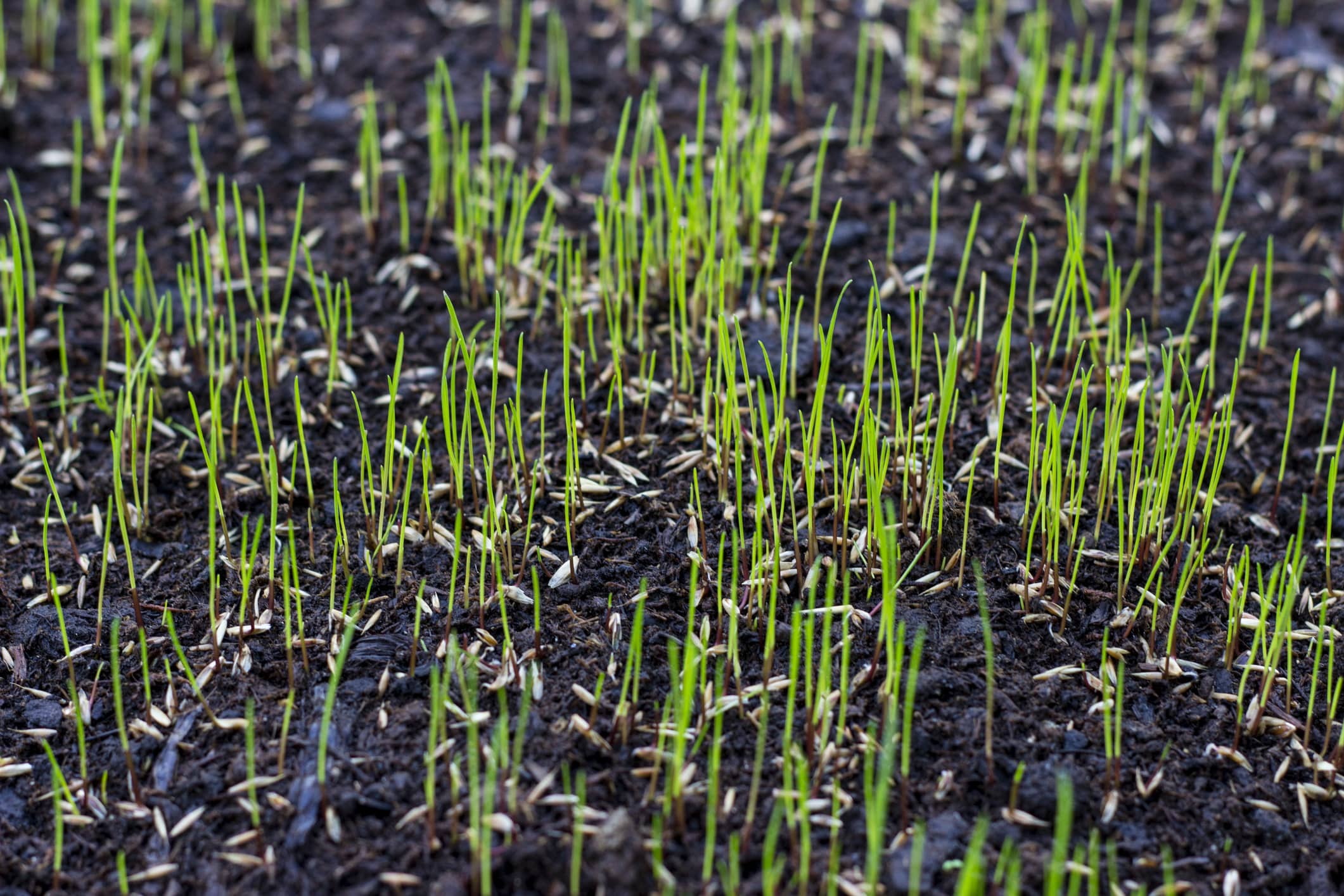
Image Source: weedman.com
How To Care For Newly Seeded Lawn: Best Tips
Can you walk on a newly seeded lawn? It’s best to avoid walking on a newly seeded lawn as much as possible until the grass is well-established. The young shoots are delicate and can be easily damaged or uprooted by foot traffic.
Establishing a lush, green lawn from seed is a rewarding process, but it requires diligent care, especially in the crucial weeks following seeding. Proper attention during this period lays the foundation for a healthy, resilient turf for years to come. This guide will walk you through the essential steps to ensure your new grass thrives.
The Crucial Early Stages: What Your New Grass Needs
The journey of a new lawn begins with seed germination. This is when the seed awakens and begins to grow. For successful germination, several key factors must be in place. Once the seeds sprout, they enter a vulnerable stage where consistent care is paramount.
1. Perfecting Soil Preparation: The Bedrock of Success
Before you even think about spreading seed, the soil preparation is arguably the most critical step. A well-prepared seedbed ensures good seed-to-soil contact, which is vital for germination and root development.
- Clear the Area: Remove all existing vegetation, weeds, rocks, and debris. This can be done manually or by using a sod cutter if the area is heavily overgrown.
- Test Your Soil: Get a soil test to determine its pH and nutrient levels. Most grasses prefer a slightly acidic to neutral pH (6.0-7.0). The test results will guide you on what amendments are needed.
- Amend the Soil: Based on your soil test, incorporate organic matter like compost or well-rotted manure. This improves soil structure, drainage, and nutrient retention. Loosen compacted soil by tilling or core aeration.
- Level the Ground: Grade the area to ensure proper drainage, preventing water from pooling. Smooth out any bumps or low spots.
- Gentle Raking: Lightly rake the surface to create a fine, crumbly texture. This provides an ideal environment for the seeds to settle into.
2. Selecting the Right Seed: A Foundation for Future Growth
The type of grass seed you choose significantly impacts your lawn’s appearance, resilience, and maintenance needs. Consider your climate, the amount of sunlight the area receives, and your desired aesthetic.
- Cool-Season Grasses: These thrive in cooler climates and include varieties like Kentucky Bluegrass, Perennial Ryegrass, and Fine Fescues. They typically germinate in cooler soil temperatures.
- Warm-Season Grasses: These are best for warmer climates and include Bermuda grass, Zoysia grass, and Centipede grass. They prefer warmer soil temperatures for germination and growth.
- Mixtures: Often, a blend of different grass types is recommended to create a more robust lawn that can tolerate a wider range of conditions.
3. The Art of Seeding: Even Distribution is Key
Proper seeding technique ensures a uniform stand of grass.
- Timing is Everything: The best time to seed is typically in the fall for cool-season grasses and late spring or early summer for warm-season grasses, when soil temperatures are optimal for germination.
- Use a Spreader: A broadcast spreader or drop spreader ensures even seed distribution. Follow the recommended seeding rates for your chosen grass type.
- Divide and Conquer: If seeding a large area, divide the seed and the lawn into sections. This helps ensure you cover the entire area evenly.
- Gentle Raking (Again): Lightly rake the seeded areas to ensure good seed-to-soil contact. You want the seeds to be nestled into the soil, not sitting on the surface.
4. The Crucial Role of Starter Fertilizer
Applying a starter fertilizer at the time of seeding provides the young grass seedlings with the essential nutrients they need for strong root development and initial growth.
- Phosphorus is Key: Starter fertilizers are typically high in phosphorus (the middle number in the N-P-K ratio), which is crucial for root formation.
- Follow Instructions: Apply the starter fertilizer according to the package directions. Over-fertilizing can burn young seedlings.
- Timing: It’s best to apply starter fertilizer just before or at the time of seeding.
5. The Essential Practice of Mulching Seeded Areas
Mulching seeded areas is a vital step that conserves moisture, protects seeds from birds and washing away, and helps maintain a consistent soil temperature.
- Options for Mulch:
- Straw: Lightly spread a thin layer of clean, weed-free straw over the seeded area. Avoid thick layers, which can smother seedlings.
- Paper Mulch: Specially designed paper mulches can also be used.
- Topsoil: A very thin layer (about 1/8 inch) of screened topsoil can also help, but ensure it doesn’t bury the seeds too deeply.
- How Much? The goal is to lightly cover the soil so you can still see the soil through the mulch.
6. Mastering the Watering Schedule: The Lifeline of New Grass
Consistent moisture is absolutely critical for seed germination and the survival of young grass seedlings. A proper watering schedule is the cornerstone of new lawn care.
- Keep the Seedbed Consistently Moist: This is the golden rule. The top inch of soil should feel like a damp sponge, but not waterlogged.
- Frequent, Light Watering: Initially, you’ll need to water several times a day for short durations. This is to prevent the delicate seeds and emerging seedlings from drying out.
- Adjust Based on Conditions:
- Hot, Dry Weather: May require watering 3-4 times a day.
- Cool, Humid Weather: May only need watering once a day or even less.
- Monitor Soil Moisture: The best way to know if you’re watering enough is to feel the soil. Stick your finger in about an inch deep. If it feels dry, it’s time to water.
- Avoid Heavy Watering: Overwatering can wash away seeds, cause disease, and discourage deep root growth.
- When to Reduce Frequency: As the grass grows and establishes, you can gradually decrease the frequency of watering while increasing the duration of each watering session. The goal is to encourage roots to grow deeper in search of moisture.
7. Providing the Right Sun Exposure for New Grass
Most grass types need adequate sun exposure for new grass to grow healthily.
- Full Sun Areas: Typically require at least 6-8 hours of direct sunlight per day.
- Partial Shade Areas: Can tolerate 4-6 hours of sunlight, but may grow slower.
- Full Shade Areas: Very few grass types can thrive in deep shade. If your area is heavily shaded, consider shade-tolerant groundcovers instead of grass.
- Observation: Pay attention to how your new grass is growing in different areas. If it looks leggy or is struggling in a particular spot, the sun exposure might be the issue.
8. Navigating Weed Control for New Lawns
Weeds are often the first to appear in a new lawn, and weed control for new lawns requires a gentle approach.
- Manual Removal: For a newly seeded lawn, the best approach is often to hand-pull weeds as soon as you see them. This prevents them from competing with your grass for water, nutrients, and sunlight.
- Avoid Herbicides: Most herbicides are not safe for young grass seedlings, as they can damage or kill them. Wait until your lawn has been mowed a few times and is well-established before considering any chemical weed control.
- Healthy Lawn is the Best Defense: A thick, healthy lawn is the most effective way to prevent weeds in the long run. By following proper care practices, you’ll create a dense turf that chokes out weeds naturally.
9. The Use of a Lawn Roller: When and How
A lawn roller use can be beneficial in certain situations after seeding.
- Purpose: A lawn roller helps to firm the soil and ensure good seed-to-soil contact, especially if the soil is loose or has been disturbed. It can also help smooth out minor bumps.
- Timing: It’s best to use a lawn roller immediately after seeding and before applying mulch, or very lightly after mulching.
- Caution: Do not over-roll. Excessive rolling can compact the soil, which is detrimental to root growth. Use a light roller, and avoid rolling when the soil is too wet. If the soil is already firm, rolling may not be necessary.
10. Mowing New Lawn: The First Cut is Important
Knowing when and how to perform the first mowing new lawn is critical for its long-term health.
- When to Mow: Wait until the grass reaches a height of about 3-4 inches. For some grass types, this might take 2-4 weeks or even longer.
- Never Remove More Than One-Third: When you do mow for the first time, and for subsequent mows, never remove more than one-third of the grass blade’s height. This means you’ll likely be cutting off less than an inch from the top initially.
- Use a Sharp Mower Blade: A sharp blade cuts the grass cleanly, preventing ragged edges that can lead to disease.
- Keep Mower Deck High: Set your mower deck to the highest setting. This allows the grass to develop a deeper root system.
- Leave Grass Clippings: Unless the clippings are excessively long and clumpy, leave them on the lawn. They act as a natural fertilizer.
- Avoid Mowing Wet Grass: Never mow a wet lawn, as this can lead to uneven cutting and damage the grass blades.
11. Overseeding Tips: Enhancing Existing Lawns
While this guide focuses on new lawns, it’s worth mentioning overseeding tips as a future maintenance practice. Overseeding involves sowing grass seed over an existing lawn to fill in thin areas and improve density.
- Timing: The best time for overseeding is typically fall for cool-season grasses and late spring for warm-season grasses.
- Preparation: Mow the lawn short, and then aerate the soil to create good seed-to-soil contact.
- Seed Selection: Choose a grass variety that is compatible with your existing lawn.
- Fertilization: Use a starter fertilizer to help the new seed germinate and establish.
- Watering: Maintain a consistent watering schedule as described earlier in this guide.
Long-Term Care and Patience
The first few weeks are the most critical for your newly seeded lawn. Continue to provide consistent moisture, especially during dry spells. As the grass matures, you can gradually adjust your watering schedule to deeper, less frequent watering to encourage strong root growth.
Be patient. It takes time for a new lawn to become fully established and resilient. Avoid heavy foot traffic, play, or placing heavy objects on the lawn for at least 4-6 weeks after germination, or until the grass is well-rooted.
Table: Key Milestones for Your New Lawn
| Milestone | Timing | Key Actions |
|---|---|---|
| Seed Germination | Typically 7-21 days after seeding | Keep soil consistently moist. Avoid traffic. |
| First Mowing | When grass reaches 3-4 inches tall | Mow high, never remove more than 1/3 of the blade. Use a sharp blade. Leave clippings. |
| Establishment Period | 4-6 weeks after germination | Continue consistent watering. Gradually reduce frequency, increase duration. |
| Reduced Foot Traffic | Until grass is well-established | Avoid heavy play, sports, or pets on the new lawn. |
| First Fertilization (Post-Seed) | Typically 6-8 weeks after germination | Use a balanced lawn fertilizer, following package directions. |
Frequently Asked Questions (FAQ)
Q1: How often should I water my newly seeded lawn?
A: You should water your newly seeded lawn frequently enough to keep the top inch of soil consistently moist but not waterlogged. This often means watering lightly 2-3 times a day for the first week or two, adjusting based on weather conditions.
Q2: When can I walk on my new lawn?
A: It’s best to avoid walking on your newly seeded lawn until the grass is well-established, which is typically 4-6 weeks after germination. Even then, try to minimize traffic until it has been mowed a few times.
Q3: Can I use weed killer on my new lawn?
A: No, it’s generally not recommended to use weed killer on a newly seeded lawn. Most herbicides can damage or kill the delicate grass seedlings. It’s better to hand-pull weeds or wait until the lawn is more established before considering any chemical treatments.
Q4: My seeds aren’t germinating, what should I do?
A: Several factors can affect germination. Ensure the soil is consistently moist, that seeds have good soil contact, and that you’re using the correct seed for your climate and sun exposure. If conditions are right and germination is still slow, patience is key, as some grass varieties take longer than others.
Q5: How soon can I fertilize my new lawn after seeding?
A: You should use a starter fertilizer at the time of seeding. Wait about 6-8 weeks after germination before applying a regular lawn fertilizer, and always follow the product’s instructions.