
Is your lawn looking tired, patchy, and sad? Don’t worry! You can bring your lawn back to life with a few simple steps. Can you revive a dead-looking lawn? Yes, often you can, especially if the roots are still alive. This guide will walk you through everything you need to know to achieve a lush, green lawn again.
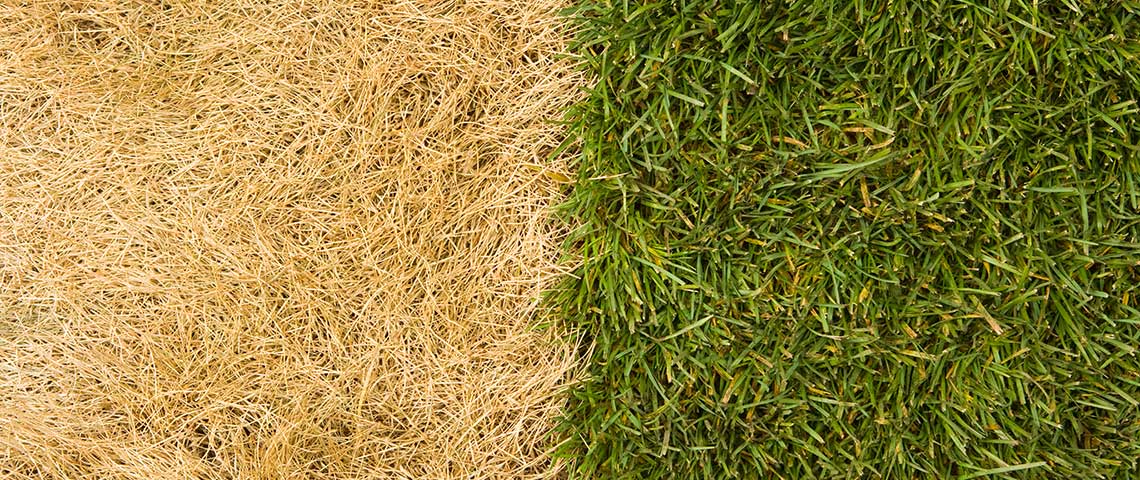
Image Source: www.pennington.com
Reviving Your Lawn: A Step-by-Step Guide
Bringing a struggling lawn back to health involves several key actions. We’ll cover everything from simple fixes to more involved lawn repair processes.
Step 1: Assess the Damage and Identify the Cause
Before you start any work, take a close look at your lawn. What’s wrong? Are there brown patches? Is it thin all over? Is it full of weeds? Knowing the problem helps you find the right solution.
- Brown Patches: These could be from drought, pet urine, grubs (lawn insects), or fungal diseases.
- Thinness: This might be due to poor soil, lack of sun, or the grass being old and worn out.
- Weeds: Too many weeds mean your grass isn’t growing as strong as it should.
- Overall Dullness: This often points to a lack of nutrients or poor watering habits.
Step 2: Clear Out Debris and Dead Grass
First, you need to clean up your lawn. Remove any leaves, twigs, and dead grass. This allows air, water, and sunlight to reach the soil and any living grass blades.
- Raking: A stiff metal rake is great for removing thatch (dead grass and roots) and dead grass.
- Edging: Clean up the edges of your lawn. This makes it look tidier and helps prevent grass from growing into garden beds.
Step 3: Aeration – Letting Your Lawn Breathe
Many lawns become compacted over time. This means the soil is packed too tightly, making it hard for air, water, and nutrients to get to the grass roots. Aeration fixes this.
What is Aeration?
Aeration is the process of making small holes in the soil. This loosens the soil and allows everything good to reach the grass roots.
Why Aerate?
- Improves Airflow: Grass roots need air to survive and grow.
- Enhances Water Penetration: Water can soak deeper into the soil.
- Boosts Nutrient Uptake: Fertilizers and nutrients can reach the roots more easily.
- Reduces Thatch Buildup: It helps break down that layer of dead grass.
How to Aerate:
- Core Aeration: This is the best method. It pulls small plugs of soil out of the ground. You can rent a core aerator for this.
- Spike Aeration: This method pokes holes with spikes. It’s less effective than core aeration but easier to do. You can use spiked shoes or a simple garden fork.
Timing for Aeration:
The best time to aerate is when your grass is actively growing. For cool-season grasses (like fescue and bluegrass), this is usually in the fall or early spring. For warm-season grasses (like Bermuda and Zoysia), it’s best in late spring or early summer.
Step 4: Dethatching – Removing the Mat
If you have a thick layer of thatch (more than half an inch), it needs to be removed. Thatch stops air, water, and nutrients from reaching the soil.
What is Thatch?
Thatch is a layer of dead and living stems, roots, and grass clippings that build up between the green grass and the soil.
Why Dethatch?
- Improves Nutrient Access: Helps fertilizer reach the soil.
- Prevents Disease: Reduces moisture and disease buildup.
- Encourages Root Growth: Allows roots to grow deeper into the soil.
How to Dethatch:
- Raking: For light thatch, a stiff rake might be enough.
- Power Dethatcher: For thicker thatch, you’ll need a dethatching machine. These machines have rotating tines that scratch and pull up the thatch.
Timing for Dethatching:
Dethatch at the same time you aerate, when the grass is actively growing.
Step 5: Overseeding a Lawn – Filling in the Gaps
After aeration and dethatching, your lawn is ready for new grass seed. This is called overseeding, and it’s crucial for lawn revitalization.
Why Overseed?
- Thickens the Lawn: Fills in thin spots and bare patches.
- Improves Appearance: Creates a more uniform and greener look.
- Introduces Better Grass Types: You can add more disease-resistant or drought-tolerant grass varieties.
How to Overseed:
- Choose the Right Seed: Select a seed mix that matches your existing grass type and climate.
- Spread the Seed: Use a broadcast spreader or a drop spreader for even coverage.
- Rake Lightly: Gently rake the seeds into the soil so they are about ¼ inch deep.
- Water Gently: Keep the seeded area consistently moist but not waterlogged. Mist it lightly a couple of times a day.
Timing for Overseeding:
The best times are fall for cool-season grasses and late spring/early summer for warm-season grasses.
Step 6: Fertilizing Your Lawn – Feeding Your Grass
Fertilizer provides the nutrients your grass needs to grow strong and healthy. Fertilizing your lawn is key to getting that vibrant green color.
Types of Fertilizer:
- Nitrogen (N): Promotes green growth and leaf development.
- Phosphorus (P): Helps with root development.
- Potassium (K): Aids in overall plant health and stress tolerance.
A balanced fertilizer, like a 10-10-10, is often a good starting point. For a quick green-up, a fertilizer with a higher nitrogen content can be beneficial.
How to Fertilize:
- Read the Label: Always follow the instructions on the fertilizer bag.
- Use a Spreader: A spreader ensures even application, preventing burn spots.
- Water After Fertilizing: This helps the fertilizer dissolve and move into the soil.
Timing for Fertilizing:
The best times to fertilize depend on your grass type.
* Cool-season grasses: Early fall, late fall, and early spring.
* Warm-season grasses: Late spring, summer, and early fall.
Step 7: Watering Wisely – The Lifeline of Your Lawn
Proper watering is essential to revive dormant grass and keep it healthy.
How Much to Water?
Most lawns need about 1 to 1.5 inches of water per week, either from rain or irrigation.
When to Water?
- Early Morning: This is the best time. It allows the grass to dry before nightfall, reducing the risk of fungal diseases.
- Avoid Midday: Water can evaporate quickly in the heat.
- Avoid Evening: Wet grass overnight can encourage disease.
Watering Techniques:
- Deep and Infrequent: Water deeply so the moisture reaches the grass roots. This encourages roots to grow deeper, making the lawn more drought-tolerant.
- Check Soil Moisture: Stick a screwdriver into the ground. If it goes in easily, the soil is moist enough. If it’s hard to push in, you need to water more.
Step 8: Weed Control – Battling Unwanted Guests
Weeds compete with your grass for water, nutrients, and sunlight. Getting rid of them is crucial for lawn repair.
Types of Weeds:
- Broadleaf Weeds: Dandelions, clover, plantain.
- Grassy Weeds: Crabgrass, foxtail.
Weed Control Methods:
- Hand Pulling: Effective for small infestations, especially when the soil is moist.
- Pre-emergent Herbicides: Applied in early spring to prevent weed seeds from germinating.
- Post-emergent Herbicides: Applied to kill weeds that have already sprouted. Choose a product specific to the type of weed you have.
- Healthy Lawn: The best defense against weeds is a thick, healthy lawn. Proper mowing, watering, and fertilizing will naturally crowd out many weeds.
Step 9: Pest and Disease Management – Protecting Your Lawn
Sometimes, brown patches or thinning are caused by pests or diseases. Identifying the problem is the first step to lawn disease treatment.
Common Lawn Pests:
- Grubs: Larvae of beetles that feed on grass roots. Look for brown, dead patches that you can easily lift up.
- Chinch Bugs: Small insects that suck the sap from grass blades, causing yellowing and browning.
Common Lawn Diseases:
- Dollar Spot: Small, straw-colored patches about the size of a silver dollar.
- Brown Patch: Circular or irregular patches of brown, dead grass.
- Red Thread: Pinkish or reddish threads appearing on grass blades.
Management Strategies:
- Identify the Problem: Bring a sample of your lawn to a local garden center or extension office for diagnosis.
- Cultural Practices: Proper watering, mowing, and fertilization can prevent many problems.
- Chemical Treatments: Use insecticides for pests and fungicides for diseases. Always follow label instructions carefully.
Step 10: Mowing Correctly – The Unsung Hero of Lawn Care
How you mow your lawn significantly impacts its health and appearance.
Mowing Tips:
- Mow High: Set your mower to the highest recommended setting for your grass type. Taller grass shades the soil, keeping it cooler and moister, and helps prevent weeds.
- Fescue/Bluegrass: 2.5 – 3.5 inches
- Bermuda Grass: 0.5 – 1.5 inches (mowed lower after dormancy)
- Zoysia Grass: 1 – 2 inches
- One-Third Rule: Never cut more than one-third of the grass blade at a time. This prevents shocking the grass.
- Sharp Blades: Dull mower blades tear grass, making it susceptible to disease and giving it a brown, ragged appearance. Sharpen your blades regularly.
- Mulch Clippings: Leave grass clippings on the lawn (unless they are very long or wet). They decompose and return nutrients to the soil.
Bringing Dormant Grass Back to Life
If your lawn looks dormant (brown but not dead) due to drought or cold, here’s how to revive dormant grass:
- Water Deeply: If the dormancy is due to lack of water, a good, deep watering can often bring it back.
- Wait for Warmer Temperatures: Many grasses go dormant in winter. They will naturally green up lawn as temperatures rise in spring.
- Gentle Fertilization: Once active growth begins in spring, a light application of fertilizer can help it recover.
Quick Fixes for Brown Patches
Having trouble with fix brown patches? Try these solutions:
- Small Patches (likely pet urine): Water the area heavily to dilute the urine. You may need to reseed the area.
- Larger Patches (suspect grubs): Check for grubs by lifting a section of turf. If you find them, apply an appropriate grub control product.
- Fungal Disease: Apply a fungicide and adjust watering practices to improve air circulation and avoid wet conditions overnight.
Essential Lawn Care Tips for Long-Term Health
To maintain a beautiful lawn, incorporate these lawn care tips into your routine:
- Regular Mowing: Stick to the mowing guidelines above.
- Consistent Watering: Water deeply and infrequently.
- Annual Fertilization: Feed your lawn at the right times.
- Seasonal Aeration and Dethatching: Every 1-2 years.
- Overseed Annually: Especially in the fall to maintain thickness.
- Monitor for Pests and Diseases: Address problems early.
- Top Dressing: Adding a thin layer of compost can improve soil health over time.
Thickening Your Lawn
To thicken lawn and make it dense and lush:
- Overseed Regularly: This is the most direct way to fill in gaps.
- Fertilize Properly: Healthy grass grows more blades.
- Mow High: Taller grass spreads more and creates a denser look.
- Aerate and Dethatch: Good soil conditions promote vigorous growth.
Common Lawn Problems and Solutions
Here’s a quick look at some common issues and how to address them:
| Problem | Cause | Solution |
|---|---|---|
| Brown Patches | Drought, pet urine, grubs, disease, fungus | Water deeply, dilute urine, use grub killer, apply fungicide, check soil moisture. |
| Thin or Sparse Lawn | Poor soil, lack of nutrients, too much shade | Fertilize, aerate, overseed, improve soil with compost, trim overhanging trees. |
| Weeds | Weak grass, poor soil conditions | Hand pull, use herbicides, fertilize and water properly to outcompete weeds. |
| Yellowing Grass | Lack of nitrogen, overwatering, poor drainage | Fertilize, adjust watering schedule, improve drainage. |
| Chalky White Patches | Powdery mildew (fungal disease) | Improve air circulation, reduce shade, use a fungicide. |
| Bare Spots | High traffic, pet damage, disease, grub damage | Reseed the area, protect from traffic, treat underlying cause. |
Frequently Asked Questions (FAQ)
How long does it take to revive a lawn?
It can take anywhere from a few weeks to a full season to see significant improvement. Consistent effort is key. You might see new growth within a week or two, but a truly lush lawn takes time and ongoing care.
Can I revive a lawn that is completely brown?
Yes, if the roots are still alive. Dormant grass will turn brown but should sprout new growth when conditions improve (warmth, water). If the grass is dead, you’ll need to reseed or re-sod the area.
What is the best time of year to do major lawn repair?
The best time for major lawn repair like overseeding and aeration is typically fall for cool-season grasses and late spring/early summer for warm-season grasses. This allows new grass to establish before extreme weather.
How often should I fertilize my lawn?
Most lawns benefit from 2-4 applications of fertilizer per year. The exact schedule depends on your grass type, climate, and the type of fertilizer used. Always follow product instructions.
My lawn has a lot of moss. What should I do?
Moss usually grows in shady, damp areas with compacted or acidic soil. To get rid of moss, address the underlying cause: improve drainage, aerate the soil, reduce shade if possible, and consider a soil pH test to see if lime is needed. You can also use a moss killer product.
What does “green up lawn” mean?
“Green up lawn” refers to the process of a lawn returning to its healthy green color. This often happens in spring as temperatures rise and dormant grass begins to grow again, or after proper watering, fertilizing, and other lawn care treatments.
By following these steps and lawn care tips, you can transform your tired lawn into a beautiful, healthy, and green space. Patience and consistent effort are your best tools for a successful lawn revitalization!