
Can you attract foxes to your yard? Yes, you can attract foxes to your yard by providing essential elements they need to survive: food, water, and shelter.
Many people are fascinated by foxes. Seeing these clever, beautiful animals in your own backyard can be a magical experience. While some may worry about negative interactions, with the right approach, you can create a space that is welcoming to foxes without causing problems for yourself or your neighbors. Attracting foxes naturally is all about understanding their needs and providing them in a way that is harmonious with your environment. This guide will delve into the best ways to make your yard a haven for these fascinating creatures.
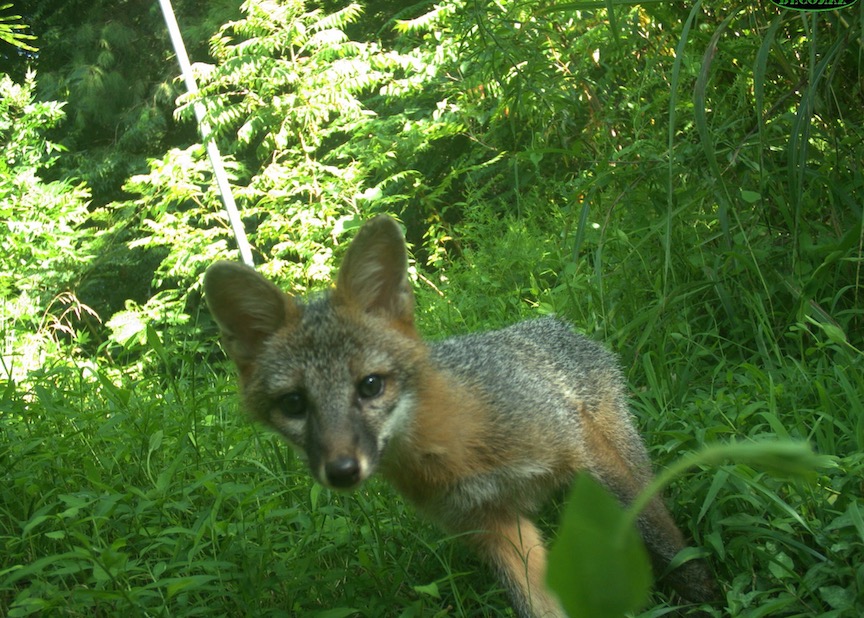
Image Source: stephanieschuttler.com
The Appeal of a Fox-Friendly Garden
A fox-friendly garden isn’t just about attracting wildlife; it’s about fostering biodiversity and creating a more vibrant ecosystem. Foxes play a crucial role in controlling rodent populations, which can be a significant benefit to any garden. They are opportunistic hunters, and their presence can help keep down the numbers of mice, voles, and even rabbits that might otherwise nibble on your prize-winning plants.
Creating a space where foxes feel safe and have access to resources requires a thoughtful approach. It’s not about leaving out random scraps or using aggressive fox bait; it’s about mimicking their natural habitat and understanding their natural behaviors. This gentle, nature-based strategy is far more effective and ethical in the long run, leading to more frequent and enjoyable fox sightings.
Providing Essential Fox Food Sources
The most direct way to attract foxes is by offering suitable fox food sources. However, it’s vital to do this responsibly and sustainably. Foxes are primarily carnivorous, with a diet consisting mainly of small mammals.
Natural Prey in Your Yard
The most effective and natural way to attract foxes is to create an environment that supports their natural prey. This means:
- Encouraging Rodents: While it might sound counterintuitive, a healthy population of mice and voles is a primary attractant for foxes. This can be achieved by leaving some areas of your yard a bit wild and undisturbed. Dense ground cover, piles of leaves, or brush piles can provide shelter for small rodents, making them readily available for foxes.
- Protecting Beneficial Insects: Many insects are food for small mammals, which in turn are food for foxes. Avoiding broad-spectrum pesticides can help maintain a healthy insect population.
- Considering Native Plants: Planting native species can attract a wider variety of insects and small animals that form the base of the food web.
Supplemental Feeding – With Caution
While natural prey is ideal, supplemental feeding can be a way to attract foxes, especially in areas where their natural food sources are scarce. However, this should be done with extreme caution.
- What to Feed: Uncooked meat scraps (avoiding heavily seasoned or processed meats), and certain fruits can be offered. Eggs are also a good option. Never feed foxes cooked food, dairy products, or anything containing onions or garlic, as these can be harmful.
- How to Feed: Place food in a designated, discreet area, preferably in the evening when foxes are most active. Avoid leaving food out overnight, as it can attract other scavengers and become unsanitary. It’s also important not to overfeed, as this can make foxes dependent on human handouts and alter their natural hunting behaviors.
- Frequency: Start with infrequent feeding and observe the fox presence. If you see consistent visits, you can continue, but always monitor your impact.
Important Note on Fox Bait: While “fox bait” might seem like a straightforward way to attract them, it’s crucial to be aware of the ethical and practical implications. Many commercial fox baits are designed for trapping and pest control, often containing chemicals or substances that can be harmful if ingested by non-target animals, including pets or birds. If your goal is simply to observe and coexist, natural attractants and responsible supplemental feeding are far superior and safer methods.
Creating a Welcoming Fox Habitat
Beyond food, foxes need safe places to rest, raise their young, and escape predators. Your yard can be designed to offer these crucial elements of a fox habitat.
Shelter and Denning Sites
Foxes typically den in underground burrows, often dug by themselves or taken over from other animals like badgers. While you can’t dig a den for them, you can provide conditions that make your yard attractive for denning.
- Undisturbed Areas: Leave sections of your yard overgrown with dense shrubs, tall grasses, or underbrush. These areas provide cover and can offer potential locations for denning.
- Brush Piles: A well-constructed brush pile can serve as a sheltered resting spot and a place to escape the elements. Ensure it’s sturdy and doesn’t pose a hazard.
- Natural Features: Consider existing features like hollow logs, dense thickets, or even sheltered spaces beneath sheds or decks. If you have an old, unused shed with an opening at ground level, foxes might find it appealing.
Water Sources
Like all animals, foxes need access to fresh water. Providing a clean water source can significantly increase the attractiveness of your yard.
- Bird Baths: A sturdy, ground-level bird bath can be used by foxes, especially during dry periods. Ensure it’s kept clean.
- Shallow Ponds or Water Features: A small, shallow pond or a water feature with a gently sloping edge can provide a safe place for foxes to drink.
- Avoid Deep Water: Ensure any water feature is not too deep to prevent accidental drowning.
Attracting Foxes Naturally: A Holistic Approach
Attracting foxes naturally involves creating a balanced ecosystem that caters to their needs without disruption. It’s about working with nature, not against it.
The Fox-Friendly Garden Checklist
To foster a truly fox-friendly garden, consider these elements:
- Native Planting: Prioritize native plants. They support local insect populations, which in turn feed small mammals, creating a robust food web.
- Reduced Lawn Area: Large, manicured lawns offer little in terms of food or shelter. Reducing lawn size and allowing areas to grow wild provides more habitat.
- Composting with Care: While compost bins can attract rodents, which attract foxes, ensure your compost is securely contained to prevent attracting unwanted pests or creating a mess.
- Pet Food Management: If you have pets that eat outdoors, never leave pet food accessible overnight. This is a major attractant for foxes and can lead to dependency and potential conflict.
- Garbage Security: Ensure all garbage cans have secure lids and are stored away from easy access. Foxes are opportunistic scavengers, and unsecured trash is a significant attractant.
Understanding Fox Behavior
Observing foxes can be a rewarding experience, but it’s important to do so respectfully.
- Nocturnal and Crepuscular Activity: Foxes are most active at dawn and dusk (crepuscular) and often throughout the night (nocturnal). This means your best chances for fox sightings will be during these times.
- Territorial Nature: Foxes are territorial, and their territories can be quite large, especially for solitary individuals. Once you establish a welcoming environment, you might see the same fox or family regularly.
- Cautious Nature: Foxes are naturally shy and wary of humans. They will likely observe you from a distance before approaching your yard. Avoid direct interaction or attempts to pet them.
What NOT to Do: Avoiding Fox Deterrents and Negative Interactions
While attracting foxes, it’s equally important to know what to avoid. Understanding what acts as a fox deterrent can help you refine your approach to ensure you are creating an attractant, not a repellent. Conversely, certain actions can inadvertently lead to negative interactions or make your yard unattractive.
Common Fox Deterrents to Avoid for Attraction
If you are trying to attract foxes, you should avoid anything that would drive them away. This includes:
- Loud Noises and Sudden Movements: Foxes are easily startled.
- Strong Scents: Certain strong artificial scents can be repellent.
- Aggressive Pest Control Methods: Broad-spectrum pesticides can harm their food sources and, in some cases, the foxes themselves.
- Direct Confrontation: Approaching or cornering a fox can make them feel threatened.
Preventing Conflicts and Nuisances
- Secure Your Pets: If you have small pets, like rabbits or chickens, ensure they are kept in secure enclosures at all times, especially at night. Foxes are predators, and an unsecured pet is an easy target.
- Maintain Distance: Do not attempt to feed or handle foxes. This can lead to habituation, making them less fearful of humans and potentially leading to dangerous encounters. Maintain a respectful distance for their safety and yours.
- Avoid Unsanitary Conditions: Rotting food or overflowing trash not only attracts foxes but also other scavengers and can create health hazards.
Creating a Safe Space for Foxes and Yourself
Your goal is to create a haven, a place where foxes can thrive without causing issues. This involves a balance of providing resources and maintaining responsible practices.
Den Management
If you discover a fox den on your property, it’s important to give it a wide berth, especially during the denning season (spring and early summer) when kits are present.
- Observe from Afar: Enjoy fox sightings from a distance.
- Minimize Disturbance: Avoid making noise or activity close to the den.
- Leash Pets: Keep dogs on leashes when in areas where you know foxes are denning.
Yard Design for Harmony
Consider the layout of your yard:
- Clear Pathways: While you want some undisturbed areas, ensure that pathways are clear enough that you can move around your yard safely without surprising a fox.
- Pet Enclosures: As mentioned, secure enclosures for smaller pets are non-negotiable.
The Rewards of a Fox-Friendly Yard
Attracting foxes to your yard is a testament to creating a healthy, balanced environment. The presence of foxes can be a sign that your yard is supporting a rich ecosystem.
Enjoying Fox Sightings
Regular fox sightings become a source of wonder and connection with nature. You’ll learn about their routines, their interactions, and their place in the local environment. It’s a quiet observation of wildness in your own space.
The Ecological Benefits
By attracting foxes, you are also:
- Controlling Pests: You’re contributing to natural pest control.
- Supporting Biodiversity: You’re helping to maintain a healthy food web.
- Fostering a Natural Balance: You’re encouraging a more natural state of affairs in your local environment.
Summary Table: Key Elements for Attracting Foxes
| Element | How to Provide | Important Considerations |
|---|---|---|
| Food | Encourage natural prey (rodents, insects). Supplemental feeding with cooked meat scraps, eggs, and fruits (cautiously and infrequently). | Never feed foxes processed foods, dairy, or anything with onions/garlic. Avoid leaving food out overnight. Never use toxic fox bait. Secure all garbage. |
| Water | Provide clean, shallow water sources like bird baths or small, accessible ponds. | Ensure water sources are safe and easy for foxes to access and exit. |
| Shelter | Create undisturbed areas with dense shrubs, tall grasses, and brush piles. Offer natural resting spots like hollow logs or sheltered areas under decks. | Avoid disturbing potential denning sites. Ensure brush piles are stable. |
| Safety | Secure small pets in sturdy enclosures. Maintain a respectful distance from foxes. Avoid loud noises or direct confrontation. | Never attempt to handle or pet a fox. Secure garbage to prevent attracting unwanted scavengers. |
| Overall | Plant native species. Reduce lawn area. Avoid broad-spectrum pesticides. Secure pet food and garbage. | The goal is to create a natural, safe environment that mimics their ideal habitat, leading to harmonious coexistence and enjoyable fox sightings. |
Frequently Asked Questions (FAQ)
Q1: Is it safe to have foxes in my yard?
A1: Generally, yes, it is safe to have foxes in your yard if you take precautions. Foxes are naturally shy and will avoid direct contact with humans. The main safety concern is for small pets like rabbits, guinea pigs, or chickens, which should always be kept in secure enclosures, especially at night. It’s important to never feed or approach foxes, as this can lead to habituation and potential risks.
Q2: What are the best fox attractants?
A2: The best fox attractants are those that provide natural food sources, water, and shelter. Encouraging rodent populations through habitat management, providing clean water, and creating safe, undisturbed resting areas are excellent natural attractants. Supplemental feeding with specific, safe foods like raw meat scraps or eggs can also be effective when done responsibly.
Q3: Can I use fox bait to attract them?
A3: While “fox bait” exists, it’s often associated with pest control and can contain harmful substances. If your goal is to observe and attract foxes naturally and ethically, it’s best to avoid commercial fox bait. Relying on natural food sources and responsible supplemental feeding is a safer and more sustainable approach.
Q4: How often should I feed foxes if I choose to supplement their diet?
A4: If you decide to supplement fox diets, it should be done infrequently and in moderation. Once or twice a week is usually sufficient, and only if you are observing consistent fox presence. Overfeeding can lead to dependency and alter their natural hunting behaviors.
Q5: What if I see a fox in my yard during the day?
A5: Seeing a fox during the day isn’t necessarily a sign of a problem. They might be less inhibited due to a lack of human activity or if they have young kits to feed. Continue to observe from a distance and avoid making them feel threatened. If a fox appears sick, injured, or acts aggressively, contact your local animal control or wildlife authority.
Q6: How can I make my yard a fox-friendly garden without attracting pests like rats?
A6: The key is responsible management. Secure your garbage cans tightly, clean up any fallen fruit promptly, and avoid leaving pet food or water dishes out overnight. While foxes are attracted to rodents, keeping your own living space clean and free from obvious food sources will minimize the attraction of unwanted pests.
Q7: Will attracting foxes harm my plants?
A7: Foxes themselves are unlikely to harm your plants. They may occasionally dig small holes, but this is usually minimal. The larger benefit of their presence is controlling populations of herbivores like voles and rabbits that do damage plants. By attracting foxes, you are essentially employing natural pest control.
Q8: What are common fox deterrents if I don’t want them in my yard?
A8: If you wish to deter foxes, common methods include securing garbage, removing pet food from outdoors, using motion-activated sprinklers, installing physical barriers, and using commercial repellents (though their effectiveness can vary). Loud noises and bright lights can also be deterrents. However, for those wishing to attract them, all these actions should be avoided.