
Can I add organic matter to my lawn? Yes, adding organic matter to your lawn is one of the best things you can do for its health and appearance.
Your lawn is more than just a green carpet; it’s a living ecosystem. Like any ecosystem, its health depends on the quality of its foundation – the soil. The secret to a vibrant, resilient lawn lies in its soil health, and the cornerstone of good soil health is organic matter. This guide will walk you through the essential steps of how to add organic matter to your lawn, transforming your turf from drab to fab.
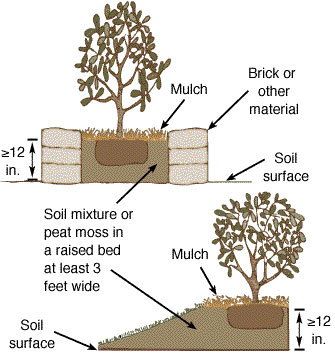
Image Source: extension.missouri.edu
Why Organic Matter Matters for Your Lawn
Organic matter is essentially decomposed plant and animal material. It’s the lifeblood of healthy soil, acting as a natural fertilizer, improving soil structure, and enhancing water retention.
The Benefits of Organic Matter
- Improved Soil Structure: Organic matter binds soil particles together, creating a crumbly texture. This structure allows for better air circulation and water infiltration, preventing compaction and waterlogging.
- Enhanced Water Retention: Think of organic matter like a sponge. It soaks up water and holds onto it, releasing it slowly to plant roots. This means less frequent watering and a more drought-tolerant lawn.
- Nutrient Supply: As organic matter decomposes, it releases essential nutrients that grass plants need to grow strong and healthy. This natural fertilization reduces the need for synthetic fertilizers.
- Support for Beneficial Microbes: Organic matter provides food and habitat for earthworms, bacteria, fungi, and other microorganisms. These beneficial microbes are crucial for breaking down nutrients and making them available to your grass.
- Buffering Soil pH: Organic matter can help to moderate soil pH, making it more favorable for nutrient uptake by grass plants.
- Reduced Erosion: A healthy soil with good structure is less prone to erosion from wind and rain.
What is Organic Matter? A Closer Look
Organic matter comes in many forms, but for lawn care, we focus on materials that are readily decomposable and beneficial to turfgrass.
Key Sources of Organic Matter
- Compost: This is fully decomposed organic material, often made from kitchen scraps, yard waste, and other organic materials. It’s a powerhouse of nutrients and beneficial microbes.
- Manure: Well-rotted animal manure is an excellent source of nutrients and organic matter. It’s important to use aged or composted manure to avoid burning your lawn.
- Grass Clippings: Don’t bag your grass clippings! Leaving them on the lawn (mulching them) allows them to decompose and return valuable nutrients and organic matter to the soil.
- Leaf Mold: Decomposed leaves create a rich, dark material that is fantastic for improving soil structure and water retention.
- Peat Moss: While it can improve soil structure and water retention, its sustainability is a concern, and it can be less beneficial for nutrient content compared to compost or manure.
- Humus: This is the most stable form of organic matter, the dark, rich material that remains after extensive decomposition. It’s what gives healthy soil its characteristic color and earthy smell.
Methods for Adding Organic Matter to Your Lawn
There are several effective ways to introduce organic matter to your lawn. The best method for you will depend on your lawn’s size, your soil condition, and the types of organic materials you have access to.
Method 1: Top Dressing with Compost or Other Amendments
Top dressing is the process of applying a thin layer of material over the existing lawn. This is a popular and effective method for improving soil health gradually.
Steps for Top Dressing:
- Choose Your Material: High-quality compost is ideal. Aged manure, leaf mold, or a mixture of these can also be used. Ensure the material is free of weed seeds.
- Prepare the Lawn: For best results, aeration (explained later) should be done before top dressing. This helps the organic material penetrate the soil.
- Apply the Material: Spread a thin, even layer of your chosen organic matter over the lawn. Aim for a layer that is no more than ¼ to ½ inch thick. You should still be able to see the grass blades through the material.
- Rake It In: Use a garden rake to spread the material evenly and work it into the turf canopy. This helps prevent the organic matter from smothering the grass and ensures it reaches the soil.
- Water: Lightly water the area to help the organic matter settle and begin to decompose.
- Frequency: Top dressing can be done once or twice a year, typically in the spring or fall.
What to Use for Top Dressing:
| Material | Benefits | Considerations |
|---|---|---|
| Compost | Nutrient-rich, improves soil structure, adds beneficial microbes. | Ensure it’s well-composted and weed-free. |
| Aged Manure | Excellent source of nutrients and organic matter. | Must be well-rotted to avoid burning grass. |
| Leaf Mold | Improves soil structure, moisture retention. | Can be slightly acidic, good for certain grass types. |
| Sand (mixed) | Can improve drainage in clay soils, but use sparingly with organics. | Pure sand can create a concrete-like mix if not done correctly. |
Method 2: Aeration and Overseeding with Organic Amendments
Aeration is a process that removes small plugs of soil from your lawn. This creates channels that allow air, water, and nutrients to penetrate the soil more easily. Combining aeration with the application of organic matter is highly effective.
Steps for Aeration and Organic Application:
- Aeration: Use a core aerator (available for rent or purchase) to perforate the lawn. The plugs of soil left on the surface will break down naturally.
- Apply Organic Matter: Immediately after aerating, spread a thin layer of compost or other soil amendments over the lawn, as described in the top-dressing method.
- Work it In: Rake the organic material into the aeration holes. This is a key step, as it pushes the organic matter down into the root zone.
- Overseeding (Optional but Recommended): If your lawn is thin or has bare patches, this is the perfect time to overseed. The aeration holes and the organic matter provide an ideal seedbed.
- Water: Water the lawn thoroughly to help the seed germinate and the organic matter settle.
- Maintenance: Keep the seeded areas moist until germination. Continue with regular watering and mowing as the new grass grows.
Method 3: Mulching with Grass Clippings and Leaves
This is a simple, ongoing way to add organic matter, essentially allowing nature to do the work.
Grass Clippings:
- Mow High: Set your mower to a higher cutting height. This encourages healthier grass growth and produces larger clippings that break down faster.
- Mulch Mowing: Use a mulching mower or remove the bag from a standard mower. The mulching mower cuts the clippings into fine pieces that disappear into the turf.
- Don’t Over-Mow: Avoid mowing when the grass is excessively long, as thick clumps of clippings can smother the lawn.
Leaves:
- Mow Over Them: In the fall, use your mower to shred fallen leaves. This breaks them down into smaller pieces that decompose more quickly.
- Spread Thinly: Avoid piling thick layers of leaves, as this can smother your grass.
- Compost Them: Alternatively, collect leaves and add them to your compost pile. The resulting compost can then be used for top dressing in the spring.
Method 4: Incorporating Green Manure
Green manure involves growing specific plants, often legumes, and then tilling them into the soil while they are still green and before they go to seed.
Steps for Using Green Manure:
- Choose a Cover Crop: Legumes like clover, vetch, or rye are excellent choices as they also fix nitrogen from the air into the soil.
- Plant the Cover Crop: Sow the seeds in late summer or early fall, or in early spring if you have enough time before your main lawn season.
- Allow Growth: Let the cover crop grow for several weeks or months, depending on the plant and your schedule.
- Incorporate: Before the plants go to seed, mow them down and till them into the top few inches of soil.
- Wait and Seed: Allow several weeks for the green manure to decompose before planting your grass seed or allowing your existing lawn to grow over it.
This method is more intensive and might be better suited for preparing new lawn areas or significantly amending problem spots rather than a quick fix for an established lawn.
When to Add Organic Matter
Timing is important for maximizing the benefits of adding organic matter.
Seasonal Considerations:
- Spring: This is an excellent time to top dress or aerate and amend your lawn. The warming soil temperatures encourage decomposition, and the grass is actively growing, ready to benefit from the nutrients.
- Fall: Another ideal time. Aeration and top dressing in the fall allow the organic matter to work into the soil over winter and be ready for spring growth. It also helps to improve winter hardiness.
- Summer: Avoid heavy applications of organic matter during the peak of summer heat, as it can sometimes stress the lawn. Light mulching with grass clippings is generally fine.
- Winter: Do not apply organic matter when the ground is frozen or covered in snow.
Key Soil Amendments and Their Role
Soil amendments are materials added to the soil to improve its physical properties, such as drainage, water retention, and nutrient availability. Organic matter is the most versatile and beneficial type of soil amendment.
Popular Organic Soil Amendments:
- Compost: As discussed, it’s a complete package for soil health.
- Aged Manure: Provides a good balance of nutrients and organic material. Horse, cow, chicken, and sheep manure are all options, but always ensure they are aged or composted.
- Worm Castings: Highly concentrated in nutrients and beneficial microbes. Excellent for a quick boost.
- Biochar: A charcoal-like material produced from burning organic matter in a low-oxygen environment. It improves soil structure, water retention, and nutrient availability, and can sequester carbon.
Non-Organic Amendments (Use with Caution):
While the focus is organic, sometimes specific non-organic amendments are used for particular soil issues, but they don’t provide the same holistic benefits as organic matter.
- Lime: Used to raise soil pH (make it less acidic).
- Sulfur: Used to lower soil pH (make it more acidic).
- Gypsum: Can help improve soil structure in clay soils, particularly those with high sodium content.
Important Note: Always get a soil test before adding amendments like lime or sulfur to ensure you’re addressing a genuine need and not causing harm.
The Role of Aeration in Organic Matter Application
Aeration is not just about making holes; it’s about creating pathways for improvement. When you aerate, you create an opportunity for organic matter to reach the root zone, where it can have the most impact.
How Aeration Works with Organic Matter:
- Penetration: The holes created by aeration allow your chosen organic materials (like compost) to fall deeper into the soil profile, closer to the grass roots.
- Decomposition: With better access to moisture and air within the aerated holes, the organic matter can decompose more efficiently, releasing its beneficial nutrients.
- Root Growth: As organic matter works its way into the soil, it loosens compacted areas, allowing grass roots to grow deeper and stronger. Deeper roots make for a more drought-tolerant and resilient lawn.
- Improved Nutrient Uptake: With improved soil structure and the presence of beneficial microbes from the organic matter, your grass can absorb nutrients more effectively.
Aeration Equipment:
- Core Aerators: These mechanical devices pull out soil cores, leaving them on the surface to break down. This is the most effective type for improving soil structure.
- Spike Aerators: These push spikes into the soil, which can help with surface compaction but are less effective at creating deep channels for organic matter.
Estimating How Much Organic Matter to Apply
The amount of organic matter to apply depends on your soil’s condition and the material you’re using.
General Guidelines for Top Dressing:
- Thin Layer: Aim for a layer of compost or manure that is ¼ to ½ inch thick.
- Coverage: For a 1,000 sq ft lawn, a ¼ inch layer requires approximately 0.3 cubic yards of material. A ½ inch layer requires approximately 0.6 cubic yards.
- Observation: The goal is to cover the grass without smothering it. You should still see the green blades of grass.
Assessing Soil Condition:
- Compacted Soil: If your soil is very hard and compacted, you might need to aerate more frequently and ensure the organic matter is worked into the holes.
- Sandy Soil: Sandy soils drain quickly and hold few nutrients. Organic matter helps them retain moisture and nutrients.
- Clay Soil: Heavy clay soils can become waterlogged and compacted. Organic matter helps improve drainage and aeration.
Creating Your Own Organic Matter: Composting and Mulching
You don’t always need to buy organic materials. You can generate your own!
Backyard Composting:
- What to Compost: Kitchen scraps (vegetable peels, coffee grounds, eggshells), yard waste (grass clippings, leaves, small twigs), shredded newspaper, cardboard.
- What to Avoid: Meat, dairy, oily foods, diseased plants, pet waste.
- Compost Pile Setup: A bin or a simple pile works. Aim for a good mix of “greens” (nitrogen-rich, like grass clippings) and “browns” (carbon-rich, like dry leaves and cardboard).
- Turning: Regularly turning the pile introduces oxygen, which speeds up decomposition and prevents odors.
- Moisture: Keep the pile moist like a wrung-out sponge.
Mulching Grass Clippings:
As mentioned earlier, leaving your grass clippings on the lawn is a simple yet effective way to return nitrogen and organic matter to the soil. It’s like a continuous feeding program for your lawn.
Frequently Asked Questions (FAQ)
Q1: How often should I add organic matter to my lawn?
A: For best results, top dressing with compost or manure can be done once or twice a year, ideally in spring or fall. Mulching with grass clippings should be a practice with every mowing.
Q2: Can I put fresh manure on my lawn?
A: No, never use fresh manure. It is too concentrated in nitrogen and salts, which can burn your grass. Always use well-aged or composted manure.
Q3: Will adding organic matter kill my grass?
A: If applied too thickly, any material, including organic matter, can smother and kill your grass. Always apply organic matter in a thin, even layer (¼ to ½ inch) and rake it in to ensure it doesn’t block sunlight or air.
Q4: What is the difference between compost and humus?
A: Compost is a material that has been decomposed but may still contain some recognizable particles. Humus is the end product of complete decomposition – a stable, dark, rich organic substance that is highly beneficial for soil. Compost will eventually break down further to form humus.
Q5: Is aeration necessary before adding organic matter?
A: While not strictly necessary, aeration significantly improves the effectiveness of adding organic matter. It creates channels for the material to reach the root zone, where it can have the greatest benefit.
Q6: Can I add organic matter to my lawn in the summer?
A: It’s best to avoid heavy applications during hot summer months. Light mulching with grass clippings is generally acceptable. Spring and fall are the ideal times for top dressing and more substantial applications.
Q7: What are the best types of organic matter for lawns?
A: High-quality compost is generally considered the best all-around option. Aged manure, leaf mold, and worm castings are also excellent choices. The key is to use well-decomposed, nutrient-rich materials.
Q8: How can I tell if my soil needs more organic matter?
A: Signs of low organic matter include compacted soil that drains poorly, a lawn that struggles to retain moisture, poor nutrient retention (requiring frequent fertilization), and a lack of earthworm activity. A simple soil test can also provide insights into your soil’s organic content.
By consistently adding organic matter to your lawn, you’re not just feeding your grass; you’re investing in the long-term health and vitality of your soil. This practice will lead to a lusher, greener, and more resilient lawn that can better withstand the stresses of weather, pests, and diseases. Your lawn will thank you for it!