
Watering newly seeded lawn is crucial for healthy growth, and the answer to how often is not a simple one-size-fits-all. Generally, you’ll need to water your newly seeded lawn multiple times a day, keeping the soil consistently moist but not waterlogged, until the grass is about an inch tall.
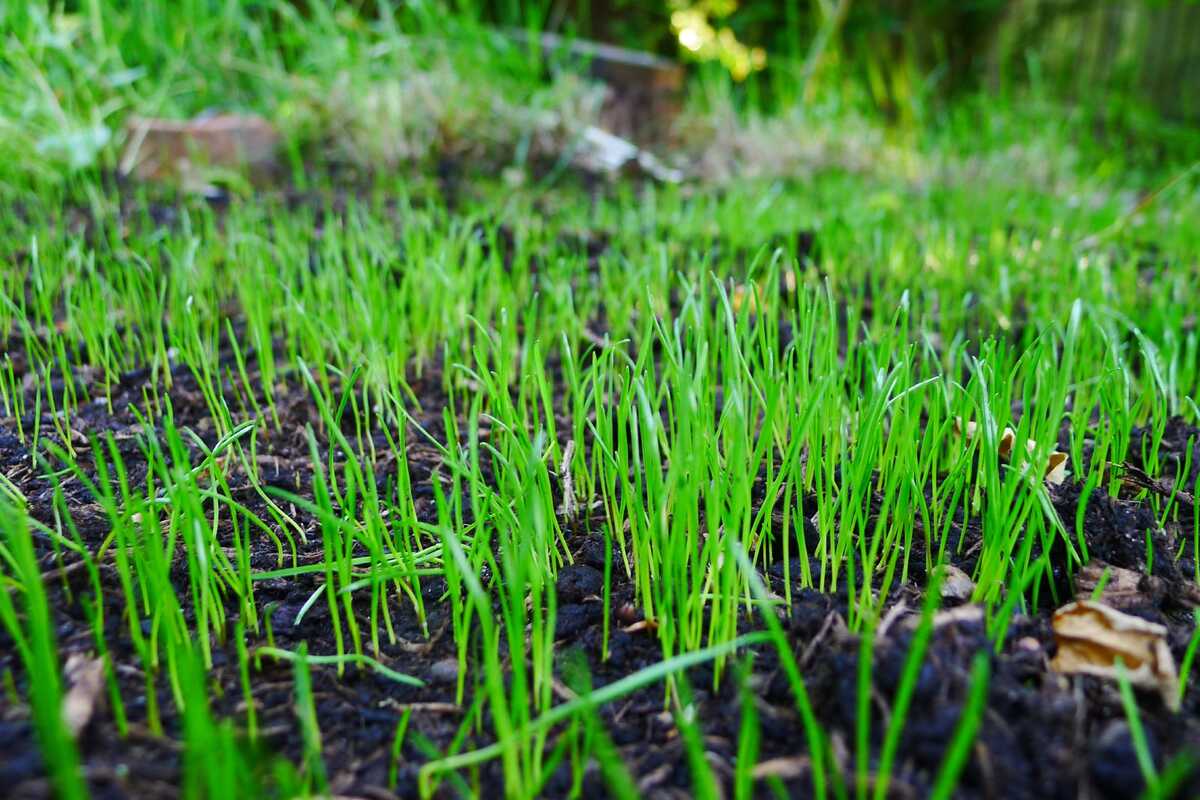
Image Source: www.lawnstarter.com
The Importance of Consistent Moisture for Seed Germination
Seed germination watering schedule is a delicate dance. Tiny grass seeds have a very specific need: constant moisture. Unlike established lawns that can tolerate periods of dryness, young grass sprouts are incredibly vulnerable. Their roots are shallow and undeveloped, making them unable to seek out water deep in the soil. This is where the importance of maintaining soil moisture for seed comes into play. If the soil surface dries out, even for a short period, the delicate root hairs can shrivel and die, preventing germination or stunting the young seedling’s growth. Think of it like trying to grow a delicate flower; it needs consistent care to thrive.
Why Frequent Watering is Essential
- Stimulates Germination: Moisture is the trigger that tells the seed it’s time to wake up and grow. Without it, the process simply won’t start.
- Supports Root Development: As the seed sprouts, it sends out tiny roots in search of water. Frequent watering ensures there’s always a readily available source for these new roots to tap into.
- Prevents Drying Out: The surface layer of soil, where the seeds are, dries out much faster than deeper soil. This is especially true on sunny or windy days. Consistent watering prevents this surface from becoming a desert.
- Ensures Even Growth: When the soil dries and then gets wet again, it can lead to uneven germination. Some seeds might sprout, while others remain dormant, resulting in patchy growth.
Determining the Right Watering Frequency: Factors to Consider
The watering frequency for cool-season grass seed will differ from that of watering frequency for warm-season grass seed. Several environmental and situational factors influence how often you need to reach for the hose or sprinkler.
Environmental Influences
- Temperature: Warmer temperatures mean faster evaporation. On hot days, you’ll likely need to water more frequently.
- Sunlight: Direct, intense sunlight dries out the soil surface very quickly. Areas that receive full sun will require more attention than shaded spots.
- Wind: Wind increases evaporation rates, essentially drying out the soil surface like a blow dryer. Windy conditions necessitate more frequent watering.
- Soil Type: Different soils hold moisture differently. Sandy soils drain quickly and will need watering more often than clay soils, which retain moisture longer. Loam soils offer a good balance.
- Humidity: High humidity can slow down evaporation, meaning you might not need to water as often. Conversely, low humidity will increase your watering needs.
Seeding Method and Depth
- Surface Seeding: Seeds that are barely covered or simply pressed into the soil surface will dry out the fastest and require the most frequent watering.
- Lightly Covered Seed: Seeds that have a thin layer of soil or compost over them will be slightly more protected from drying, but still need consistent moisture.
The Art of Watering Newly Seeded Lawn: Technique Matters
It’s not just about how often you water, but how you water. The goal is to keep the top inch of soil consistently moist. This is where the concepts of shallow watering for grass seed and deep watering for grass seed become important, but with a crucial distinction for new seed.
Shallow Watering for Grass Seed: The Initial Stage
For watering newly seeded lawn, the initial approach is often described as shallow watering. This means applying small amounts of water frequently to keep the very top layer of soil damp.
- Why it’s important: The goal is to provide enough moisture for the seeds to swell and begin the germination process without washing them away or creating a waterlogged environment that can lead to fungal diseases.
- How to do it: Use a gentle spray from a hose with a fine mist attachment or a sprinkler set to a very light application. Avoid powerful jets of water that can dislodge the seeds.
- Frequency: You might need to water as often as 2-4 times a day, depending on the conditions. It’s more about touch than strict timing – feel the soil. If it looks or feels dry on the surface, it’s time to water.
The Transition to Deeper Watering
As the grass seedlings begin to emerge and grow taller (reaching about ½ to 1 inch in height), you can start to gradually transition to slightly less frequent but deeper watering. This encourages the roots to grow downwards in search of moisture.
- Why the shift: While initial moisture is key for germination, sustained shallow watering can lead to shallow root systems, making the young grass more susceptible to drought stress later on.
- How to do it: Increase the duration of each watering session slightly, but reduce the frequency. The aim is to moisten the soil to a depth of about 2-3 inches.
- Frequency: You might move from watering multiple times a day to once or twice a day, or even every other day, as the seedlings establish.
Seed Germination Watering Schedule: A Practical Guide
Here’s a breakdown of what a typical seed germination watering schedule might look like, remembering that this is a guideline and you must adapt it to your specific conditions.
Phase 1: Pre-Seeding Preparation
Before you even spread the seed, proper soil preparation is vital.
- Moisten the Soil: A day or two before seeding, water the soil thoroughly but allow it to drain. This creates a moist base for the seeds to land on.
- Even Moisture: Ensure the entire area is evenly moist.
Phase 2: Seeding and Initial Watering
Once the seed is down, the critical phase begins.
- Immediate Watering: Water the newly seeded area immediately after seeding. Use a gentle spray to settle the seeds into the soil and ensure good seed-to-soil contact.
- First Few Days: For the first 7-10 days, or until you see significant germination, keep the top ¼ to ½ inch of soil consistently moist. This often means light watering 2-4 times a day.
Phase 3: Germination and Early Growth (First 2-3 Weeks)
Once seedlings start to appear, continue keeping the soil moist, but you can slightly adjust your approach.
- Monitor Closely: Continue checking the soil moisture daily.
- Adjust Frequency: If temperatures are moderate and humidity is good, you might be able to water once in the morning and perhaps once in the late afternoon if needed. On hotter, drier, or windier days, you may still need to water more frequently.
- Avoid Saturation: The goal is moist, not soggy. Soggy soil can lead to rot and disease.
Phase 4: Establishment (3 Weeks Onward)
As the grass grows taller (around 1 inch or more), you can start to encourage deeper root growth.
- Less Frequent, Deeper Watering: Begin watering less often, but for longer durations. Aim to moisten the soil to a depth of 2-3 inches.
- Watering Time: The best time to water lawn seed is typically in the early morning. This allows the grass to absorb moisture before the heat of the day, and any excess moisture on the blades will evaporate, reducing the risk of fungal diseases. Watering in the late afternoon can also be effective, but avoid watering too late in the evening when prolonged leaf wetness can encourage disease.
- Frequency: This might mean watering every 1-3 days, depending on the grass type and weather.
How to Water Dormant Grass Seed: A Special Case
How to water dormant grass seed is a slightly different question. Dormant grass seed refers to seeds that have the potential to germinate but are waiting for favorable conditions (temperature, moisture). It’s important not to confuse this with watering a dormant lawn (established grass that has gone dormant due to heat or drought).
If you’ve intentionally sown dormant seed in the fall, waiting for spring germination, the watering needs are minimal.
- Minimal Watering: Dormant seeding relies on winter moisture (snow and rain) to provide the necessary conditions for germination in the spring.
- Avoid Overwatering: Overwatering dormant seed can actually be detrimental. It can lead to premature germination if a warm spell hits, followed by frost damage, or it can promote fungal growth that ruins the seed.
- Occasional Check: In extremely dry winters with no snow cover, a very light watering might be considered, but this is rare and should be done with extreme caution. The primary “watering” for dormant seed is the natural precipitation cycle.
Lawn Seeding Watering Tips for Success
Here are some practical lawn seeding watering tips to help you achieve a lush, healthy lawn:
- Visual Cues: Don’t rely solely on a schedule. Learn to read the soil. If the top layer looks dry, it’s time to water.
- Gentle Application: Always use a gentle spray or mist to avoid washing away seeds or damaging delicate seedlings.
- Even Coverage: Ensure your sprinkler or hose covers the entire seeded area evenly. Dry spots will lead to patchy growth.
- Morning Watering is Best: Watering in the early morning is ideal. It minimizes evaporation and reduces the risk of fungal diseases.
- Avoid Overwatering: Too much water can be as harmful as too little. It can drown roots, wash away seeds, and promote disease. Aim for consistently moist, not saturated, soil.
- Consider Your Soil Type: Sandy soils need more frequent watering than clay soils.
- Adjust for Weather: Be prepared to water more on hot, dry, or windy days and less on cool, humid, or rainy days.
- Don’t Stop Too Soon: Continue a regular watering schedule until the grass is at least 2-3 inches tall and has established a good root system. Even then, continue to water appropriately as the lawn matures.
- Use a Soil Moisture Meter: For more precise control, a simple soil moisture meter can be a valuable tool to check how deep the moisture is penetrating.
- Mulch Lightly: A very light layer of straw or a seeding mulch can help retain moisture and prevent seeds from washing away, but ensure it doesn’t create a barrier that prevents light and air from reaching the seeds.
Watering Frequency for Different Grass Types
While the general principles apply, specific grass types have slightly different needs, particularly when it comes to established lawns. However, for the seeding stage, the primary concern is germination and early growth for all types.
Watering Frequency for Cool-Season Grass Seed
Cool-season grasses, such as Kentucky Bluegrass, Fescues, and Ryegrass, are typically seeded in the fall or early spring.
- Germination Needs: During the germination phase, they require consistent moisture just like any other grass seed.
- Establishment: Once established, they benefit from slightly deeper, less frequent watering, especially during hotter periods when they may not go fully dormant but will slow their growth. They can tolerate cooler temperatures and are more prone to disease in overly wet conditions.
Watering Frequency for Warm-Season Grass Seed
Warm-season grasses, such as Bermuda, Zoysia, and Centipede, are seeded in late spring or early summer when temperatures are consistently warm.
- Germination Needs: These grasses need warmth and consistent moisture for germination. The watering schedule is similar to cool-season grasses during the seeding phase – frequent and shallow initially.
- Establishment: Once established, they are more drought-tolerant than cool-season grasses and thrive in warmer temperatures. Their watering needs will increase during periods of extreme heat and low rainfall.
Frequently Asked Questions About Watering Lawn Seed
Q1: How do I know if I’m watering too much or too little?
- Too Little: The soil surface will look dry and feel brittle. Seeds may appear dry and unsprouted, or seedlings may look wilted and pale.
- Too Much: The soil will appear muddy or have standing water. Seedlings might look yellow or stunted, and you might notice fungal growth or a slimy appearance on the soil surface.
Q2: Can I use a regular lawn sprinkler for watering new seed?
Yes, but you need to adjust it. A standard sprinkler might deliver water too forcefully. You can either:
* Use a sprinkler with a fine mist setting.
* Run your regular sprinkler for shorter durations more frequently.
* Attach a watering wand with a gentle spray nozzle to your hose.
Q3: How long does it take for grass seed to sprout?
This varies greatly depending on the type of grass seed and the conditions.
* Fast Germinators: Some ryegrass varieties can sprout in 5-7 days.
* Slower Germinators: Kentucky Bluegrass can take 14-21 days or even longer.
* Warm-Season Grasses: May take 7-21 days depending on the specific type.
Always check the seed packaging for estimated germination times.
Q4: When can I stop watering my lawn seed so frequently?
You can start to reduce the frequency once the grass seedlings have reached about 1 inch in height and are showing consistent growth. Continue to keep the soil moist, but gradually transition to watering less often and for longer periods to encourage deeper root development. Don’t stop watering entirely until the grass is well-established, typically 3-4 weeks after germination.
Q5: What if it rains? Do I still need to water?
If you get a good, soaking rain that moistens the soil to a depth of at least an inch, you might be able to skip a watering. However, light showers may not be enough, especially on hot or windy days. Always check the soil moisture after rain to ensure the top layer remains adequately hydrated.
Q6: Is it okay to water my lawn seed in the heat of the day?
It’s generally not recommended. Watering in the heat of the day leads to significant water loss through evaporation. This means more water is used for less effective hydration, and the water that does reach the soil might not be enough to counteract the rapid drying caused by the sun and heat. It can also scorch young grass blades if the water droplets act like tiny magnifying glasses. Early morning is the ideal time.
By following these guidelines and paying close attention to the needs of your new lawn, you’ll be well on your way to a beautiful and healthy turf.