
Can you water your lawn every day in 90-degree weather? While daily watering might seem logical in extreme heat, it’s generally not the best approach for a healthy lawn. Overwatering can lead to shallow roots and fungal diseases, making your lawn more vulnerable. This guide will explore how to properly water your lawn when temperatures soar into the 90s, ensuring your grass thrives even in the hottest conditions.
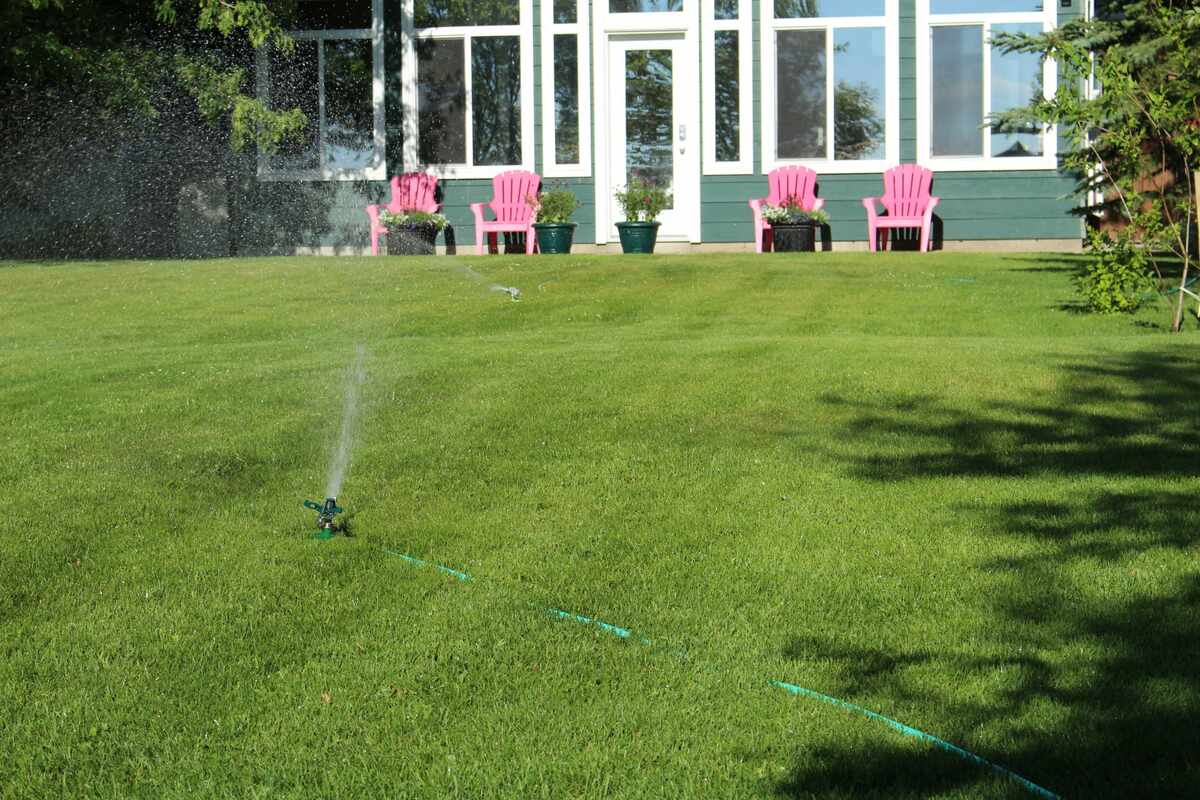
Image Source: www.lawnstarter.com
Why 90-Degree Weather Demands a Different Watering Approach
When temperatures consistently hit 90 degrees Fahrenheit and beyond, your lawn experiences significant stress. High heat causes increased evaporation from the soil surface and greater transpiration from grass blades. This means your grass needs more water, but how you deliver it makes all the difference. Simply watering more often with less water often leads to shallow root systems, making the grass weaker and more susceptible to drought and disease. This is where a strategic lawn watering schedule becomes crucial for effective summer lawn care.
Fathoming the Needs of Your Lawn in Intense Heat
Your lawn is a living organism, and its water requirements change with the weather. In 90-degree heat, the grass is working overtime to stay cool and healthy.
Grass Hydration Needs
- Transpiration: Grass blades release water vapor through tiny pores called stomata. This process cools the plant, but it also uses up stored water. High temperatures accelerate transpiration.
- Evaporation: Water from the soil surface and even the grass blades evaporates quickly in hot, dry conditions.
These two factors mean that a thirsty lawn in 90-degree weather can dry out much faster than you might expect.
Signs of an Underwatered Lawn
Recognizing the warning signs is key to preventing serious damage. Look for these signs of an underwatered lawn:
- Wilting or Curling Grass Blades: The most obvious sign. Grass blades will start to curl or fold inward, trying to conserve moisture.
- Color Change: The vibrant green of a healthy lawn will fade to a duller, grayish-green, and eventually to a straw-like brown.
- Footprints Remain: When you walk on healthy, well-hydrated grass, the blades spring back quickly. If you walk on dry grass, your footprints will remain visible for a longer time as the blades are too brittle to bounce back.
- Soil Cracking: In severe cases, the soil around the grass roots will begin to crack as it dries out.
Crafting Your Lawn Watering Schedule for High Temperatures
A well-planned lawn watering schedule is your best defense against the heat. The goal is to encourage deep root growth, which allows the grass to access moisture deeper in the soil.
Deep Watering Techniques for Optimal Hydration
This is the cornerstone of effective hot weather lawn maintenance. Instead of frequent, light sprinklings, aim for less frequent, but deeper, watering sessions.
- Frequency: In 90-degree weather, you might need to water your lawn every 2-3 days, or even every other day, depending on your soil type and the duration of the heatwave. This is a significant shift from cooler months.
- Duration: The key is to water long enough for the moisture to penetrate 4-6 inches into the soil. This encourages roots to grow deeper in search of water. A general rule of thumb is to apply about 1 to 1.5 inches of water per week, spread out over your watering sessions.
How to Measure Water Depth:
You can use a simple rain gauge or place tuna cans or other straight-sided containers around your lawn while watering. After your irrigation cycle, measure the depth of water in the containers. This will tell you how long you need to run your sprinklers to achieve the desired depth.
Watering Frequency Considerations
The optimal watering frequency is influenced by several factors:
- Soil Type:
- Sandy Soils: Drain quickly and require more frequent watering, but can’t hold as much water at one time.
- Clay Soils: Drain slowly and can hold water for longer. Overwatering can lead to waterlogging and root rot.
- Loam Soils: Offer a good balance of drainage and water retention.
- Grass Type: Some grasses are more drought-tolerant grass varieties than others. For example, Zoysia, Bermuda, and Tall Fescue are generally more resilient to heat and drought than Kentucky Bluegrass.
- Sun Exposure: Lawns in full sun will dry out faster than those in partial shade.
- Wind: Windy conditions increase evaporation, meaning you might need to water more often.
Best Time to Water Lawn During 90 Degree Heat
Timing your watering is as important as how much you water. The best time to water lawn in hot weather is early in the morning.
Morning Watering Benefits
- Reduced Evaporation: Temperatures are cooler, and there is less wind, meaning more water reaches the soil and roots rather than evaporating into the air.
- Disease Prevention: Watering in the morning allows the grass blades to dry off during the day. Wet grass overnight can promote fungal growth and diseases.
- Early Hydration: The grass can absorb water before the peak heat of the day, helping it to withstand the stress.
Avoiding Evening Watering
While it might seem intuitive to water when it’s cooler, watering in the late evening or at night is generally not recommended in 90-degree weather.
- Disease Risk: Grass blades remain wet for extended periods, creating an ideal environment for fungal diseases like brown patch and dollar spot.
- Wasted Water: Less efficient due to cooler temperatures but also the potential for dew formation to add to the overall moisture, which can contribute to disease.
Implementing Efficient Lawn Irrigation Best Practices
Using the right equipment and techniques will make your watering efforts more effective. Here are some lawn irrigation best practices:
Sprinkler System Check-up
- Even Coverage: Ensure your sprinklers are distributing water evenly. Adjust heads or nozzles if you notice dry spots or over-watered areas.
- Nozzle Types: Consider low-angle, large-droplet nozzles, which are less prone to wind drift and evaporation.
- Runoff Prevention: If water starts running off your lawn, it means the soil is saturated, and you should stop watering. You can come back later to finish the cycle if needed.
Water Conservation
Even with high temperatures, conservation is important.
- Cycle and Soak: For sloped areas or clay soils, water for shorter periods, let the water soak in, and then water again. This prevents runoff and allows deeper penetration.
- Smart Controllers: If you have an irrigation system, consider a smart controller that adjusts watering based on weather data.
- Manual Watering: If you’re using a hose and sprinkler, pay close attention to the duration and coverage.
Lawn Care Tips for 90 Degree Heat
Beyond watering, other lawn care tips 90 degree heat can help your grass survive and thrive.
Mowing Practices
- Mow Higher: Raise your mower blade to the highest recommended setting for your grass type. Taller grass shades the soil, reducing evaporation and keeping the soil cooler.
- Sharp Blades: Use a sharp mower blade. Dull blades tear grass, leading to frayed tips that lose more moisture and are more susceptible to disease.
- Don’t Mow During Peak Heat: If possible, avoid mowing during the hottest part of the day. This further stresses the grass. Mow in the early morning or late evening.
- Grass Clippings: Leave grass clippings on the lawn (mulching). They act as a natural fertilizer and help retain soil moisture.
Fertilization
- Avoid Over-Fertilizing: While your lawn needs nutrients, excessive nitrogen fertilizer in hot weather can stimulate growth that the grass can’t support, leading to increased water needs and stress.
- Timing: If you must fertilize, do so during cooler periods of the summer, or in the fall, which is a prime time for lawn recovery and root development.
Weed Control
Weeds compete with your grass for water and nutrients.
- Pre-Emergent Herbicides: Apply these in early spring to prevent crabgrass and other annual weeds from germinating.
- Hand Pulling: For broadleaf weeds, hand-pulling is often best, especially during dry spells.
Aeration
- Benefits: Aerating your lawn in late spring or early fall can improve water and nutrient penetration into the soil, which is crucial during heat stress. It relieves soil compaction, allowing roots to grow more easily.
Adapting to Drought Conditions and Drought-Tolerant Grass
If you live in an area prone to frequent drought, considering drought-tolerant grass varieties for future overseeding or renovation is a wise long-term strategy.
Popular Drought-Tolerant Grasses
- Bermuda Grass: Thrives in heat and drought once established.
- Zoysia Grass: Very drought-tolerant, forms a dense turf.
- Tall Fescue: Particularly newer cultivars, are known for their deep root systems and good heat tolerance.
- Centipede Grass: Prefers warmer climates and is relatively drought-tolerant.
Watering Your Lawn: A Practical Guide Table
Here’s a simplified guide to help you manage your lawn watering schedule during 90-degree heat. Remember to adjust based on your specific lawn conditions.
| Condition | Frequency | Duration (per session) | Key Focus |
|---|---|---|---|
| Consistent 90°F+ Weather | Every 2-3 days | 20-30 minutes per zone | Deep roots, encourage moisture absorption |
| Lawn Shows Wilting Signs | Daily (if severe) | Shorter bursts (10-15 min) | Quick relief, then return to deep watering |
| After Intense Heat Wave | Gradually reduce frequency | Monitor soil moisture | Transition back to normal summer care |
| Sandy Soil | More frequent watering | Shorter duration | Prevent rapid drying |
| Clay Soil | Less frequent watering | Longer duration | Allow for absorption, prevent runoff |
Common Mistakes to Avoid in 90 Degree Heat
- Shallow Watering: This is the biggest culprit for weak, stressed lawns.
- Watering at the Wrong Time: Watering in the midday sun leads to significant water loss through evaporation.
- Over-Fertilizing: This can harm your lawn more than help it during heat stress.
- Mowing Too Short: This exposes soil and increases water loss.
- Ignoring Signs of Stress: Catching wilting early can prevent permanent damage.
Frequently Asked Questions (FAQ)
Q1: How much water does a lawn need in 90 degree heat?
A1: Typically, lawns need about 1 to 1.5 inches of water per week. In 90-degree weather, you’ll likely need to deliver this amount in 2-3 watering sessions, each lasting 20-30 minutes per zone, ensuring the water penetrates 4-6 inches deep.
Q2: Can I water my lawn every day in 90 degree weather?
A2: It’s generally better to water deeply and less frequently, such as every 2-3 days, rather than every day. Daily light watering encourages shallow roots, making the grass more vulnerable to heat stress and drought. However, in extreme, prolonged heat, a very short daily sprinkle might be necessary for certain grass types, but deep watering is preferred.
Q3: My lawn is turning brown, is it dead?
A3: Not necessarily. Many grass types have a dormancy mechanism. When stressed by heat and lack of water, they turn brown to conserve energy. If the roots are still alive, the lawn can often recover once temperatures cool and rainfall returns, or with proper watering. Continue to water deeply, and you might see it green up again.
Q4: Is it okay to water my lawn at night?
A4: It’s best to avoid watering at night in 90-degree weather. This is because the grass blades remain wet for too long, creating a perfect environment for fungal diseases to develop. The ideal time is early morning.
Q5: How do I know if I’m watering enough?
A5: Use a rain gauge or tuna cans to measure how much water your sprinklers are putting out. Aim for 1 to 1.5 inches of water per week. Also, check the soil by digging a small hole; if the soil is moist 4-6 inches down, you’re watering sufficiently. Look for the signs of an underwatered lawn mentioned earlier.
By following these comprehensive lawn watering schedule guidelines and summer lawn care tips, you can ensure your lawn remains healthy and resilient, even when faced with the challenging conditions of 90-degree heat. Remember, consistent observation and adaptation are key to successful hot weather lawn maintenance.