
So, how often should you fertilize a lawn? For most cool-season grasses, a good rule of thumb is to fertilize 3-4 times per year, with a focus on spring and fall. Warm-season grasses typically benefit from 2-3 applications during their active growing period.
Getting your lawn fertilization schedule right is key to a lush, green, and healthy yard. Fertilizing provides essential nutrients that grass needs to grow strong, resist pests and diseases, and recover from stress. But knowing when and how often to apply fertilizer can feel a bit like a guessing game. This guide will help you decipher the best time to fertilize grass and create a consistent lawn care calendar tailored to your specific needs. We’ll explore fertilization frequency, the right amount of fertilizer for your lawn, and the best fertilizer types for lawns.
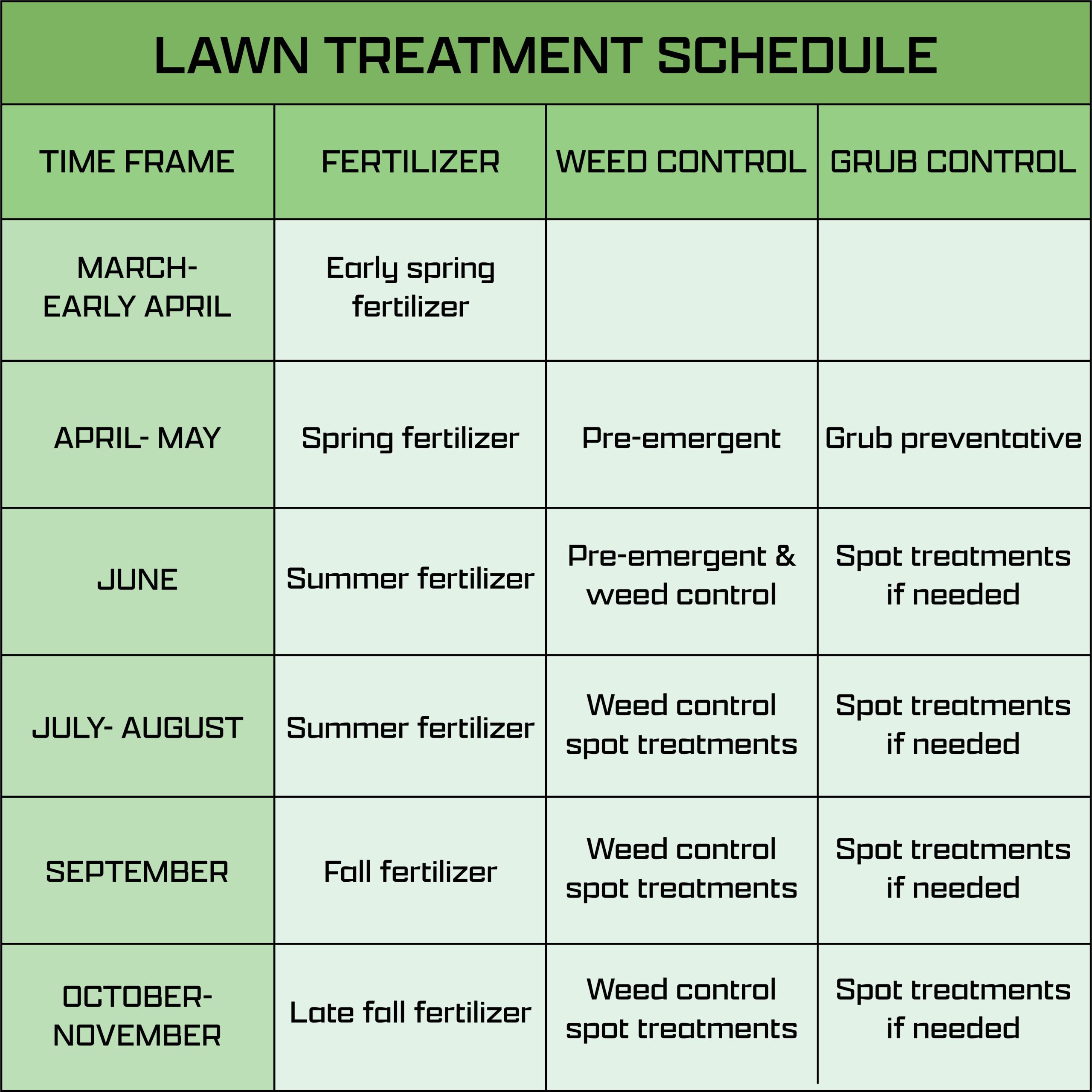
Image Source: stewartslawn.com
Why Fertilize Your Lawn?
Think of your lawn like any other living thing. It needs food to thrive. Soil, while seemingly rich, can become depleted of the nutrients grass roots absorb. Fertilizers replenish these vital elements, boosting your lawn’s overall health and appearance.
Here’s why a good fertilization plan is important:
- Vibrant Color: Nitrogen, a primary nutrient in most fertilizers, is crucial for green leafy growth.
- Denser Growth: Fertilization encourages thicker turf, which helps crowd out weeds.
- Stronger Roots: Phosphorus and potassium play vital roles in root development, making your grass more resilient.
- Disease and Pest Resistance: Healthy, well-fed grass is better equipped to fight off common lawn diseases and insect pests.
- Stress Tolerance: Fertilized lawns can better withstand environmental stresses like drought, heat, and heavy foot traffic.
Deciphering Lawn Nutrient Needs
Grass needs three main nutrients, often referred to as macronutrients, which are listed as N-P-K on fertilizer bags:
- Nitrogen (N): This is the most important nutrient for promoting leafy green growth. It’s what gives your lawn its vibrant color.
- Phosphorus (P): Phosphorus is essential for root development, flowering, and fruiting. While important for new lawns or establishing grass, mature lawns often have sufficient phosphorus in the soil.
- Potassium (K): Potassium helps improve the overall health of the plant, including its ability to withstand stress from heat, drought, and disease.
Beyond these, lawns also need micronutrients like iron, sulfur, and calcium, which are usually present in the soil or provided in smaller amounts by complete fertilizers.
Creating Your Lawn Care Calendar: Best Time to Fertilize Grass
The timing of your fertilization applications is just as crucial as the type of fertilizer you use. Applying fertilizer at the wrong time can be ineffective or even harmful to your lawn. The best time to fertilize grass depends heavily on your grass type and your local climate.
Cool-Season Grasses
Cool-season grasses, such as Kentucky bluegrass, fescues, and ryegrass, thrive in cooler temperatures. They grow most actively in spring and fall.
- Spring Lawn Fertilization: This is a critical time to fertilize cool-season grasses.
- When to Apply: Apply in mid-spring, typically after the lawn has greened up and is actively growing, but before the extreme heat of summer arrives. This is usually between April and May.
- What to Use: A balanced fertilizer, or one with a slightly higher nitrogen content, is ideal. Slow-release nitrogen is beneficial here as it feeds the grass gradually.
- Purpose: To replenish nutrients lost over winter and promote healthy growth as the weather warms.
- Summer: Generally, avoid fertilizing cool-season grasses during the peak heat of summer. High temperatures combined with fertilizer can stress the grass, potentially leading to dormancy or even death. If you must fertilize, use a very low nitrogen product and water thoroughly.
- Fall Lawn Fertilization: This is arguably the most important fertilization of the year for cool-season grasses.
- When to Apply: Apply in early to mid-fall, before the ground freezes. This typically falls between September and October.
- What to Use: A fertilizer with a higher potassium content can help the grass prepare for winter dormancy and promote root growth.
- Purpose: To help the grass recover from summer stress, build up root reserves, and store food for the winter.
- Late Fall/Dormant Feeding: Some experts recommend a final application in late fall, just before the ground freezes, but after the grass has stopped actively growing. This “dormant feeding” provides nutrients for early spring green-up.
- When to Apply: Late October to early November, before the first hard frost.
- What to Use: A slow-release nitrogen fertilizer is best.
Warm-Season Grasses
Warm-season grasses, such as Bermuda grass, zoysia grass, and St. Augustine grass, thrive in warm temperatures and go dormant in the winter.
- Late Spring/Early Summer Fertilization: This is when warm-season grasses start their active growth period.
- When to Apply: Once the grass has fully greened up and is actively growing, usually in late May or early June.
- What to Use: A balanced fertilizer with a good nitrogen content.
- Purpose: To fuel the initial surge of growth and provide nutrients for the summer.
- Mid-Summer Fertilization: This application helps maintain consistent growth and color through the hottest months.
- When to Apply: Around July or August.
- What to Use: Continue with a balanced fertilizer.
- Purpose: To keep the grass healthy and growing during its peak season.
- Late Summer/Early Fall Fertilization: A final application can help the grass recover from summer stress and prepare for dormancy.
- When to Apply: Late August or early September.
- What to Use: A fertilizer with a good potassium content is beneficial for winter hardiness.
- Purpose: To help the grass store energy and strengthen itself before winter.
- Avoid Fertilizing Warm-Season Grasses in Fall: Once temperatures begin to cool and the grass starts to slow down its growth, stop fertilizing. Fertilizing too late can encourage tender new growth that is susceptible to winter damage.
Fertilization Frequency: How Often To Fertilize A Lawn
As a general guideline:
- Cool-Season Grasses: Typically require 3-4 applications per year.
- Warm-Season Grasses: Typically require 2-3 applications per year.
It’s important to remember that this is a guideline. Your specific lawn’s needs might vary based on soil test results, the health of your turf, and the type of fertilizer you use.
Sample Lawn Care Calendar
Here’s a sample fertilization schedule, keeping in mind that you should always adjust based on your local climate and grass type:
| Season | Cool-Season Grasses | Warm-Season Grasses |
|---|---|---|
| Spring | Mid-April to May | Late May to June |
| Summer | Avoid fertilizing | July/August |
| Fall | September to October | Late August to Early September |
| Late Fall | Late October to Early November | Avoid fertilizing |
How Much Fertilizer For Lawn?
This is a crucial question that often leads to over or under-fertilization. The most common recommendation is to apply 1 pound of actual nitrogen per 1,000 square feet of lawn per application.
Here’s how to figure that out:
- Identify the Nitrogen Percentage: Look at the first number (N) on the fertilizer bag (e.g., 24-0-10 means 24% nitrogen).
- Calculate the Amount of Fertilizer:
- If your fertilizer is 24% nitrogen, you need to apply 4.17 pounds of the fertilizer product to get 1 pound of actual nitrogen per 1,000 sq ft.
- Formula: (1 lb nitrogen / Nitrogen percentage) * 100 = Pounds of fertilizer product per 1,000 sq ft.
- Example: (1 / 0.24) * 100 = 4.17 lbs
Important Considerations:
- Bag Coverage: Always check the fertilizer bag for its recommended coverage area. This is usually stated in square feet.
- Square Footage of Your Lawn: Accurately measure your lawn. You can use online mapping tools or simply walk the perimeter with a measuring wheel or tape measure.
- Don’t Over-Apply: Applying too much fertilizer can burn your lawn, damage roots, and contribute to water pollution.
Fertilizer Types For Lawns
Choosing the right fertilizer type is important for effective and safe lawn fertilization.
- Quick-Release Fertilizers: These fertilizers release nutrients rapidly. They are good for a quick green-up but can also burn the lawn if over-applied and require more frequent applications. They are often made from inorganic compounds.
- Slow-Release Fertilizers: These fertilizers release nutrients gradually over a period of weeks or months. They are less likely to burn the lawn, provide more consistent feeding, and require fewer applications. They can be made from organic materials or specially coated synthetic materials.
- Coated Fertilizers: Nitrogen is coated with sulfur or plastic, which breaks down over time, releasing nitrogen.
- Organic Fertilizers: These come from natural sources like compost, manure, or bone meal. They release nutrients slowly and also improve soil structure over time. While they are gentler, they may contain lower concentrations of nutrients and require more product to achieve the same effect as synthetic fertilizers.
What to Look For on the Bag (The N-P-K Ratio):
- High Nitrogen (First Number): Good for promoting green, leafy growth. Example: 20-5-10.
- Balanced Ratio: Suitable for general lawn maintenance. Example: 10-10-10 or 12-12-12.
- Higher Potassium (Last Number): Beneficial for root development and stress tolerance, especially for fall applications. Example: 5-10-20.
For most lawn fertilization, a slow-release nitrogen fertilizer is recommended to ensure consistent feeding and minimize the risk of burning. Many lawn care professionals recommend starting with a “starter fertilizer” (higher phosphorus) for new lawns or overseeding, and then switching to balanced or higher potassium fertilizers for maintenance.
When to Apply Lawn Fertilizer: The Nitty-Gritty
Beyond the seasons, consider these factors for the best application timing:
- Grass Health: Never fertilize a stressed or dormant lawn. Wait until it’s actively growing.
- Weather Conditions:
- Rain: Fertilize before a gentle rain. The rain will help the fertilizer dissolve and penetrate the soil.
- Heat: Avoid fertilizing during extreme heat waves.
- Wind: If it’s very windy, the fertilizer can blow off the lawn, leading to uneven application.
- Mowing:
- Mow the lawn a day or two before fertilizing. This removes excess leaf blade that could absorb too much fertilizer.
- Avoid fertilizing freshly mowed grass.
- Watering: Water your lawn lightly after fertilizing to help the nutrients reach the root zone and rinse any fertilizer off the grass blades.
Common Fertilization Mistakes to Avoid
- Fertilizing a Dormant Lawn: This is a waste of fertilizer and can harm the grass.
- Over-Applying Fertilizer: This can lead to fertilizer burn, weak growth, and environmental damage.
- Not Watering After Fertilizing: Fertilizer left on the surface can burn the grass blades.
- Fertilizing Before Heavy Rain: The fertilizer can wash away into storm drains and waterways.
- Ignoring Soil Tests: A soil test from your local extension office can tell you exactly what nutrients your lawn is lacking, allowing for more targeted fertilization.
The Role of Soil Testing
Before you establish your lawn care calendar, consider getting a soil test. This is one of the most valuable steps you can take for your lawn.
- What it is: A soil test analyzes your soil’s pH level and its nutrient content.
- Why it matters:
- pH Level: Grass prefers a slightly acidic to neutral pH (typically between 6.0 and 7.0). If the pH is too high or too low, grass cannot effectively absorb nutrients, even if they are present in the soil.
- Nutrient Deficiencies: A test will reveal if your soil is lacking specific nutrients like phosphorus or potassium, allowing you to choose fertilizers that address these needs.
- How to do it: Contact your local cooperative extension office. They provide soil testing kits and instructions on how to collect and submit samples. The results often come with recommendations for liming (to adjust pH) and fertilization.
Frequently Asked Questions (FAQ)
Q1: Can I fertilize my lawn in the winter?
A: Generally, no. Fertilizing when the grass is dormant or during freezing temperatures is not beneficial and can even harm the lawn. For cool-season grasses, a late fall application before dormancy is acceptable.
Q2: What if I miss my scheduled fertilization?
A: Don’t worry too much. If you miss a scheduled application, you can often make it up at the next appropriate time, but avoid applying more than the recommended total amount per year. It’s better to be slightly under-fertilized than over-fertilized.
Q3: How do I know if my lawn needs fertilizer?
A: Signs of nutrient deficiency include a pale green or yellowish color, slow growth, and increased susceptibility to weeds and diseases. A soil test is the most accurate way to determine nutrient needs.
Q4: Is it okay to fertilize when the grass is wet?
A: It’s generally best to fertilize dry grass. If you fertilize wet grass, the fertilizer can stick to the blades and cause burn. Ensure the grass is dry before applying.
Q5: What is the difference between lawn fertilizer and garden fertilizer?
A: Lawn fertilizers are formulated with the specific needs of turfgrass in mind, often focusing on nitrogen for green growth and root development. Garden fertilizers may have different N-P-K ratios and micronutrient profiles to support flowering plants, vegetables, or shrubs.
By following these guidelines and creating a consistent lawn care calendar, you can ensure your lawn receives the proper nutrients at the right times, leading to a healthier, more beautiful, and resilient turf. Remember to always read and follow the instructions on the fertilizer packaging carefully.