
A new lawn, whether from seed or sod, is thirsty and needs consistent moisture to establish a strong root system. Generally, a new lawn requires frequent, light watering in the initial stages to keep the top inch of soil consistently moist, with the goal of gradually reducing frequency and increasing depth as the grass matures.
Establishing a lush, green lawn from scratch is a rewarding endeavor, but it comes with a crucial responsibility: providing the right amount of water. This isn’t a one-size-fits-all situation. The needs of your new lawn change significantly as it grows. We’ll break down the specifics, from the moment you plant your seed or lay your sod to when it starts to look like a mature turf.
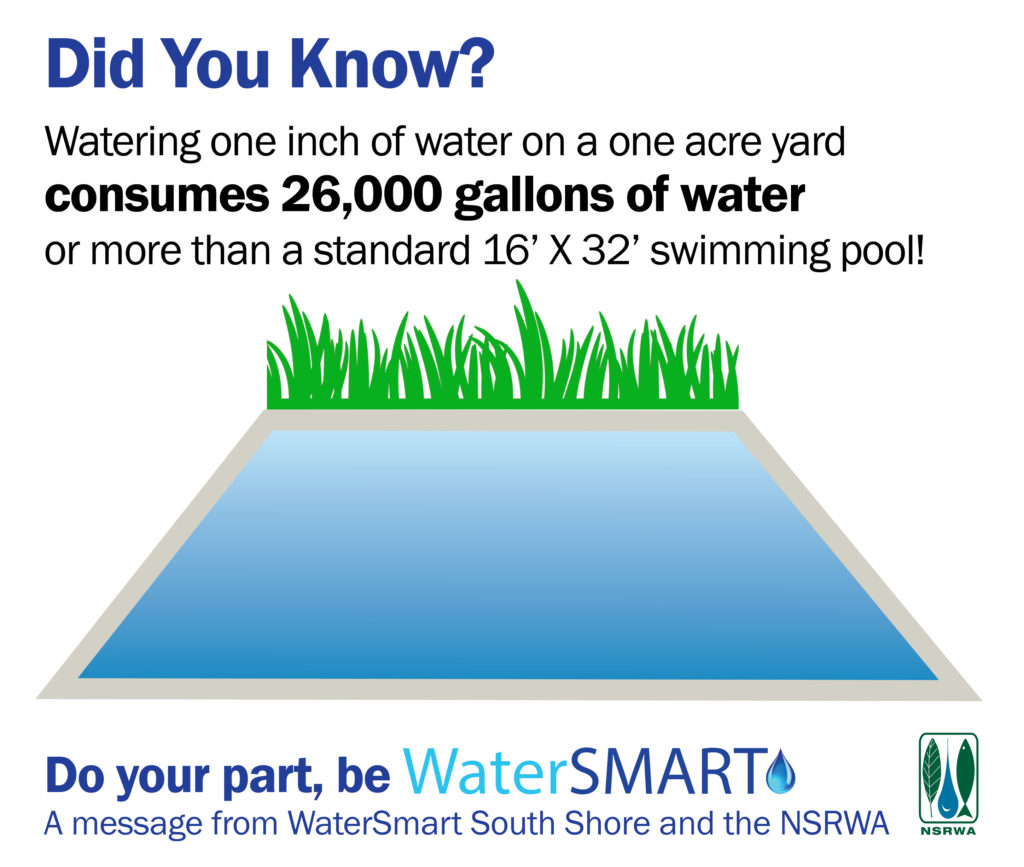
Image Source: www.nsrwa.org
The Basics of New Lawn Watering
Think of a new lawn like a baby. It needs constant attention and the right nourishment to grow strong. For a new lawn, that nourishment comes primarily in the form of water. The goal is to encourage shallow roots to go deep, making your lawn more resilient to dry spells and less demanding on your watering schedule later on.
Seed Germination Watering: A Delicate Balance
When you sow grass seed, the germination phase is critical. The tiny seeds need a consistently moist environment to sprout. This means more frequent watering, but not enough to wash the seeds away.
Key Principles for Seed Germination Watering:
- Keep the Surface Moist: The top half-inch to an inch of soil should feel like a damp sponge.
- Light and Frequent: Several short watering sessions per day are often better than one long soak. This prevents the soil from drying out completely, which can kill emerging seedlings.
- Gentle Application: Use a sprinkler with a fine spray. A harsh stream can dislodge seeds, creating bare patches.
This phase typically lasts until the grass is about an inch tall. During this time, you might be watering two to four times a day, with each session lasting only a few minutes.
New Sod Watering: Settling In for Success
Laying sod is like transplanting a mature plant. The sod itself has roots, but they need to connect with the soil below to survive and thrive. This requires a different watering approach than seed.
Key Principles for New Sod Watering:
- Deep and Thorough Initial Soak: When the sod is laid, water it thoroughly until the soil beneath the sod is moist to a depth of at least 4-6 inches. This encourages the sod’s existing roots to grow down into the new soil.
- Maintain Moisture: For the first 1-2 weeks, keep the sod consistently moist. The goal is to prevent the roots from drying out as they begin to establish contact with the soil.
- Gradual Reduction: As the sod begins to knit into the soil (you can test this by gently trying to lift a corner – if it resists, the roots are taking hold), you can gradually reduce the watering frequency.
Initially, you might water once or twice a day for a longer duration to ensure deep moisture penetration. As the sod establishes, you’ll transition to a less frequent but still thorough watering schedule.
How Much Water Does A New Lawn Need? Daily and Weekly Targets
The amount of water a new lawn needs is best measured by the moisture level in the soil and the stage of growth.
Initial Watering (First 1-2 Weeks)
- For Seed: Aim to keep the top 1/2 to 1 inch of soil consistently moist. This might mean watering 2-4 times a day for 5-10 minutes each time, depending on your sprinkler type and weather conditions.
- For Sod: Water deeply immediately after laying to moisten the soil beneath by 4-6 inches. Then, for the first 1-2 weeks, water once or twice a day to keep the sod and the top few inches of soil moist. Each watering session might last 15-20 minutes.
Establishing Phase (Weeks 2-6)
As your new grass grows taller, you can start to adjust your watering schedule. The goal here is to encourage deeper root growth.
- For Seedlings: Reduce watering frequency but increase the duration. Aim to water enough to moisten the soil to a depth of 3-4 inches. This might be every day or every other day.
- For Sod: Continue to water thoroughly, but you can start to reduce frequency. Aim to water deeply enough to moisten the soil to a depth of 4-6 inches, perhaps every 2-3 days.
Maturing Phase (Beyond 6 Weeks)
Once your new lawn is well-established and has been mowed a few times, you can transition to a more mature lawn watering schedule.
- Water Deeply and Infrequently: The goal is to encourage roots to grow even deeper, seeking out moisture. Water thoroughly enough to moisten the soil to a depth of 6-8 inches.
- Allow Soil to Dry Slightly: Let the top inch or two of soil dry out between waterings. This promotes stronger root development.
Factors Influencing Your Watering Schedule
No two lawns are exactly alike, and environmental factors play a huge role in how much water your new turf will need.
Soil Type
- Sandy Soil: Drains quickly. You’ll need to water more frequently but for shorter durations. It’s harder to overwater sandy soil.
- Clay Soil: Retains moisture longer. Water less frequently but ensure deep penetration. Be careful not to overwater, as it can lead to drainage issues and disease.
- Loam Soil: A good balance of drainage and moisture retention. Follow general guidelines, adjusting based on other factors.
Weather Conditions
- Temperature: Hotter weather means more evaporation, so you’ll likely need to water more often.
- Wind: Wind also increases evaporation, drying out the soil and grass faster.
- Rainfall: Natural rainfall is your best friend! Adjust your watering schedule to account for any rain your lawn receives.
Grass Type
Some grass types are naturally more drought tolerant than others. Cool-season grasses (like Kentucky bluegrass, fescue, and ryegrass) generally need more consistent moisture than warm-season grasses (like Bermuda, zoysia, and St. Augustine), especially during hot, dry periods. If you’ve chosen a drought tolerant grass variety, you may find it can withstand slightly longer periods between waterings once established.
Time of Day
- Best Time to Water: Early morning is ideal. This allows the grass blades to dry off before nightfall, reducing the risk of fungal diseases. Watering between 4 AM and 10 AM is typically recommended.
- Avoid Midday: Watering in the heat of the day leads to significant water loss through evaporation.
- Avoid Evening: Watering late in the evening can leave the grass blades wet overnight, creating a perfect environment for fungi.
Practical Watering Techniques
- Sprinkler Check: Ensure your sprinklers are distributing water evenly. Look for dry spots or areas that are oversaturated. Adjust sprinkler heads as needed.
- Duration vs. Frequency: This is a key concept. Initially, with seed, it’s frequent, short watering. With sod and as the lawn establishes, it becomes less frequent but deeper watering.
- Soil Moisture Test: The best way to know if you’re watering enough is to check the soil. Stick a screwdriver or a trowel into the ground. If it goes in easily and the soil is moist to the desired depth, you’re likely on track.
Common Watering Mistakes and How to Avoid Them
Mistakes can set your new lawn back significantly. Here are the most common pitfalls:
Overwatering Signs
Overwatering is just as detrimental as underwatering, if not more so.
- Mushy Soil: The ground feels soft and squishy even hours after watering.
- Yellowing Grass: While underwatering can also cause yellowing, overwatering can lead to root rot, which also manifests as yellow or brown patches.
- Fungal Growth: White or gray powdery patches on the grass blades or soil surface are a tell-tale sign of too much moisture and potential disease.
- Increased Weed Growth: Some weeds thrive in consistently wet conditions.
- Shallow Roots: Roots won’t grow deep if they don’t need to search for water.
Underwatering Signs
Underwatering stresses the new grass, making it vulnerable.
- Grayish-Green or Bluish Tint: The grass can take on a dull, off-color hue.
- Wilting or Drooping: The grass blades lose their turgor and lie flat.
- Footprints Remain: When you walk on a properly watered lawn, the blades spring back. If footprints stay pressed down, the grass is thirsty.
- Brown or Dry Patches: Especially in hot weather, areas can quickly turn brown and crispy.
- Slow Growth: Lack of moisture hinders new growth.
Transitioning to a Mature Lawn Watering Schedule
Once your new lawn is established (typically after 6-8 weeks and a few mowings), you can adjust your watering practices.
- Reduce Frequency, Increase Depth: Aim to water only once or twice a week, but water deeply enough to saturate the soil to a depth of 6-8 inches.
- Observe Your Lawn: Continue to monitor your grass for signs of stress. A healthy, established lawn can often indicate when it needs water through subtle changes in color or texture.
- Consider Drought Tolerant Grass: If you live in a dry climate or want a low-maintenance lawn, choosing a drought tolerant grass variety from the outset can significantly simplify your watering routine once established.
Watering Guide Summary Table
| Phase | Lawn Type | Watering Goal | Frequency | Duration/Depth | Key Indicators |
|---|---|---|---|---|---|
| Seed Germination | Seed | Keep top 1/2-1 inch of soil consistently moist | 2-4 times per day | 5-10 minutes per session | Soil surface looks moist, seeds are visibly wet |
| Initial Establishment | Seed | Encourage shallow roots to start growing | 1-2 times per day | 10-15 minutes per session, moisten soil to 2-3 inches | Grass seedlings are about 1 inch tall |
| Initial Establishment | Sod | Encourage existing roots to grow into new soil | 1-2 times per day | 15-20 minutes per session, moisten soil to 4-6 inches | Sod feels firm, not lifting easily |
| Growth & Rooting | Seed | Encourage deeper root growth | Every 1-2 days | 15-20 minutes per session, moisten soil to 3-4 inches | Grass is several inches tall, starting to look greener |
| Growth & Rooting | Sod | Continue root establishment, reduce stress | Every 2-3 days | 20-30 minutes per session, moisten soil to 4-6 inches | Sod is well-knitted, grass is growing |
| Mature Lawn | Seed or Sod | Promote deep root systems, conserve water | 1-2 times per week | 30-45 minutes per session, moisten soil to 6-8 inches | Top 1-2 inches of soil can dry slightly between waterings |
Advanced Lawn Care Tips for New Lawns
Beyond just watering, a few extra lawn care tips can help your new grass thrive.
- Avoid Mowing Too Soon: Wait until your grass reaches its recommended mowing height for its type. For most new lawns, this is around 3-4 inches.
- Use a Sharp Mower Blade: A dull blade tears grass, leaving it susceptible to disease and making it look ragged.
- Fertilize Appropriately: Follow the recommendations for your grass type and the stage of growth. Often, a starter fertilizer is used at planting time.
- Top Dressing: For seed, a light layer of compost can help retain moisture and provide nutrients.
- Aeration (Later On): Once your lawn is established (usually after its first year), aeration can help improve water and air penetration to the root zone.
Frequently Asked Questions (FAQ)
Can I water my new lawn at night?
It is generally not recommended to water a new lawn at night. The grass blades remain wet for extended periods, creating an ideal environment for fungal diseases to develop. Early morning watering is best, allowing the grass to dry before dusk.
How long should I water my new lawn each time?
The duration of watering depends on your sprinkler system’s output and the soil type. For seed germination, it’s short, frequent watering (5-10 minutes) to keep the surface moist. For sod and the establishment phase, it’s longer watering sessions (15-30 minutes or more) to ensure deep soil penetration, aiming to moisten the soil to a depth of several inches.
What if it rains? Should I still water?
If your lawn receives enough rain to moisten the soil to the required depth (e.g., 1-2 inches of rain), you can skip your scheduled watering. However, during the critical germination and early establishment phases, even light rain might not be enough to provide consistent moisture to the top layer of soil. Always check the soil moisture if you’re unsure.
How do I know if I’m overwatering my new lawn?
Signs of overwatering include consistently soggy soil, yellowing grass blades (often due to root rot), visible fungal growth, and an increase in weeds that prefer wet conditions. The soil will feel soft and squishy even hours after watering.
How do I know if I’m underwatering my new lawn?
Signs of underwatering include a dull, grayish-green or bluish tint to the grass, wilting or drooping blades, footprints that remain pressed into the lawn after walking on it, and dry, brown patches. The soil will feel dry and hard.
How long does it take for a new lawn to become established?
A new lawn is typically considered established after about 6-8 weeks, when its roots have grown sufficiently into the soil and it can withstand light foot traffic. However, it can take up to a year or more for the turf to reach its full maturity and density. Your watering practices should evolve throughout this period.
By following these guidelines, you can give your new lawn the best possible start, fostering healthy root growth and paving the way for a beautiful, resilient turf for years to come. Remember that consistent observation and adjustment are key to successful new lawn care.