
So, how much is 1 yard of rock? The cost of 1 yard of rock varies, but it generally ranges from $20 to $70 per cubic yard, depending on the type of rock, its source, and your location. This price typically covers the material itself, but you’ll also need to factor in bulk rock delivery cost.
When you’re planning a landscaping project, figuring out how much material you need is a key step. This is especially true when you’re buying in bulk, like with landscape rock. Many people ask, “How many cubic feet in a yard of rock?” This is an important question because rock is usually sold by the cubic yard, but measurements are often thought of in cubic feet. A single cubic yard of rock is equivalent to 27 cubic feet. Knowing this conversion helps immensely when you’re using a rock yardage calculator or simply trying to picture the volume.
This blog post will dive deep into the world of buying landscape rock. We’ll explore the cost of a yard of gravel, the price per cubic yard of crushed stone, and factors that influence landscape rock prices. We’ll also discuss how to calculate rock needed for landscaping, rock quantity estimation, and the specifics of buying landscape rock, including gravel delivery prices.
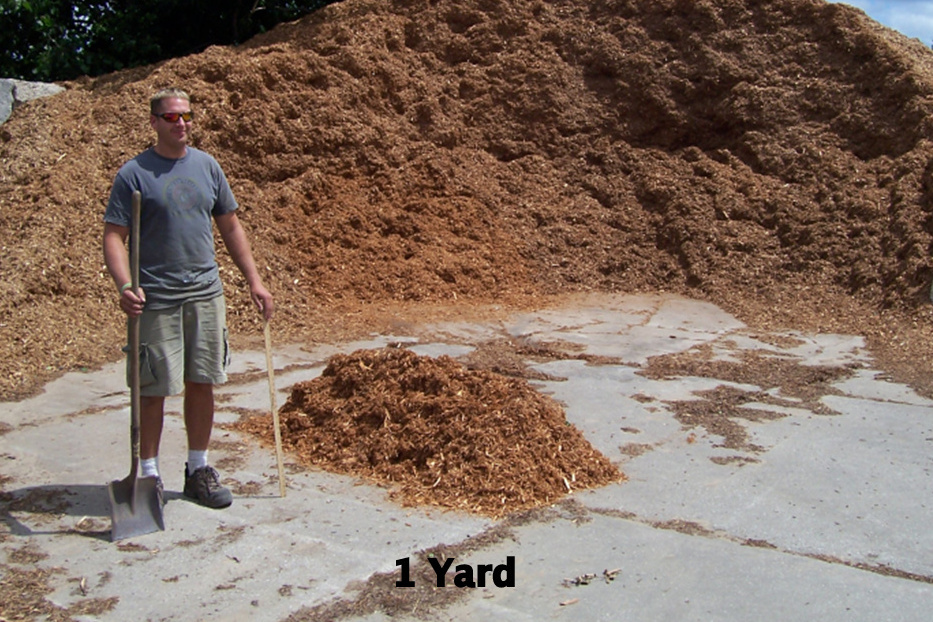
Image Source: klsupplies.com
Deciphering Rock Volumes: Yards vs. Cubic Feet
The fundamental unit of measurement for bulk landscaping materials like rock and gravel is the cubic yard. However, many homeowners are more familiar with linear feet or even cubic feet. Let’s make this clear:
- 1 Cubic Yard = 3 Feet x 3 Feet x 3 Feet = 27 Cubic Feet
Think of it this way: a cubic yard is a cube that is 3 feet long, 3 feet wide, and 3 feet tall. If you were to fill that space with loose rock, that’s one cubic yard.
Many online tools, often referred to as a “rock yardage calculator,” are available to help you with these calculations. These calculators usually ask for the length, width, and desired depth of your project area. They then use the conversion of 27 cubic feet per cubic yard to give you an estimate in cubic yards.
Why Does Volume Matter?
Accurate volume calculation is critical for several reasons:
- Cost Efficiency: Buying too much rock means wasted money. Buying too little means multiple trips or delays in your project.
- Project Completion: Having the right amount ensures you can finish your landscaping project without interruption.
- Aesthetics: The right depth of rock is crucial for both its appearance and its function (e.g., weed suppression).
The Price of Rock: What Influences Cost?
The “cost of a yard of gravel” or any other type of rock isn’t a single fixed number. Several factors play a significant role in determining the price per cubic yard of crushed stone and other decorative rocks.
Type of Rock
Different types of rocks have vastly different costs. This is influenced by their rarity, how easy they are to quarry, and their aesthetic appeal.
- Gravel: Generally the most affordable option. It’s often a byproduct of larger stone processing and widely available. Common types include pea gravel, crushed gravel, and river rock.
- Crushed Stone: Produced by crushing larger rocks, crushed stone is versatile and comes in various sizes (e.g., 3/4 inch minus, 1 inch minus). Its price can vary based on the type of stone crushed (limestone, granite, etc.) and the processing required.
- Decorative Rocks: These are typically chosen for their color, shape, and texture. Examples include:
- Flagstone: Often sold by weight or by the piece, but bulk quantities can be estimated by volume.
- River Rock: Smooth, rounded stones that are popular for dry creek beds and decorative accents.
- Pea Gravel: Small, smooth, rounded stones, usually quite inexpensive.
- Lava Rock: Lightweight and porous, often used for its unique texture and color.
- Granite Chips/Quarry Rock: Angular, sharp-edged rocks that are excellent for pathways and drainage.
Table 1: Typical Price Ranges for Landscape Rock (Per Cubic Yard)
| Rock Type | Average Price Range (USD per Cubic Yard) | Notes |
|---|---|---|
| Pea Gravel | $20 – $45 | Small, rounded, smooth. Good for pathways, dog runs. |
| Crushed Gravel | $25 – $50 | Angular, good for paths, driveways, drainage. Size varies. |
| River Rock | $40 – $70 | Rounded, smooth, natural look. Good for accents, dry creek beds. |
| Granite Chips | $30 – $60 | Angular, durable, various colors. Good for pathways, decorative. |
| Lava Rock | $35 – $65 | Lightweight, porous, red/black colors. Good for mulch, planters. |
| Decorative Stone | $50 – $100+ | Larger, more unique or colorful stones. Price depends heavily on type. |
Note: These are general estimates and can vary significantly by region.
Source and Quarry Location
The distance the rock needs to be transported from the quarry to your location significantly impacts the final cost. Local quarries will generally have lower prices than those farther away, as transportation is a major component of bulk rock delivery cost.
Quality and Processing
The way rock is processed also affects its price. Crushed stone that is screened to specific sizes and shapes will often cost more than unscreened or naturally occurring gravel. Premium decorative rocks that are washed, sorted, and polished will command higher prices.
Seasonality and Demand
Like many goods, the demand for landscaping materials can fluctuate with the seasons. Prices might be slightly higher during peak landscaping seasons (spring and summer) when demand is greatest.
Calculating Rock Needed for Landscaping: A Step-by-Step Guide
Accurate rock quantity estimation is crucial. Here’s how to do it:
Step 1: Measure Your Area
You need to know the dimensions of the area you want to cover with rock.
- Length: Measure the longest side of your area.
- Width: Measure the shortest side of your area.
- Depth: Decide how deep you want the layer of rock to be. This is critical for effective weed suppression and a pleasing appearance. A common depth for decorative rock ground cover is 2-4 inches. For pathways or drainage, you might need a deeper layer.
Step 2: Convert Units
Ensure all your measurements are in the same unit, usually feet. If you measure in inches, divide by 12 to convert to feet.
- Example: If you want a 3-inch depth, that’s 3 inches / 12 inches/foot = 0.25 feet.
Step 3: Calculate the Volume in Cubic Feet
Use the formula for volume:
Volume (cubic feet) = Length (feet) x Width (feet) x Depth (feet)
Let’s say you have a rectangular garden bed that is 10 feet long and 5 feet wide, and you want a 3-inch (0.25 feet) layer of decorative rock.
- Volume = 10 ft x 5 ft x 0.25 ft = 12.5 cubic feet
Step 4: Convert Cubic Feet to Cubic Yards
Now, use the conversion factor: 1 cubic yard = 27 cubic feet.
Volume (cubic yards) = Volume (cubic feet) / 27
- Using our example: 12.5 cubic feet / 27 cubic feet/yard ≈ 0.46 cubic yards
Step 5: Add a Buffer
It’s always wise to add a little extra to your calculation. A buffer of 10-15% accounts for settling, uneven areas, and potential spillage during delivery or installation.
- For 0.46 cubic yards, adding 10% would be: 0.46 * 1.10 ≈ 0.51 cubic yards.
In this case, you’d likely round up to the nearest half or full yard when buying, so you’d probably order 0.5 or 1 cubic yard. This is where a rock yardage calculator can be very helpful, doing these conversions automatically.
Irregular Shapes
For areas that aren’t perfect rectangles or squares, break them down into smaller, regular shapes (rectangles, squares, triangles). Calculate the volume for each section and then add them together. For very complex shapes, you can use online rock quantity estimation tools or consult with your supplier.
The Costs of Getting Rock to Your Yard: Delivery Fees
Beyond the price per cubic yard of crushed stone or gravel, you must consider the bulk rock delivery cost. This is often a significant portion of the overall expense, especially if you’re buying smaller quantities or live far from the supplier.
Factors Affecting Delivery Costs
- Distance: The further the delivery location is from the quarry or distribution yard, the higher the delivery fee.
- Quantity: Some suppliers have minimum order requirements for delivery or charge a flat fee regardless of quantity. Others might charge per cubic yard for delivery.
- Delivery Site Access: If your delivery site is difficult to access (e.g., narrow driveways, steep slopes, tight corners), there might be an additional charge.
- Delivery Time: Expedited delivery or delivery during peak demand times might incur higher fees.
- Type of Truck: Large dump trucks carrying multiple cubic yards will have different delivery costs than smaller trucks.
Typical Gravel Delivery Prices
Gravel delivery prices can range from $50 to $200 or more per delivery. It’s essential to get a quote from your supplier for your specific address and order size. Buying in larger quantities can sometimes make the per-cubic-yard delivery cost more economical. For example, delivering 5 cubic yards might have a similar or only slightly higher cost than delivering 3 cubic yards.
Picking Up Rock Yourself
If your project is small and you have a suitable vehicle (like a truck with a good payload capacity), you might be able to save on delivery costs by picking up the rock yourself. However, remember that a cubic yard of rock is heavy – it can weigh between 1.5 to 2 tons (3,000 to 4,000 pounds) depending on the type and moisture content. Ensure your vehicle can safely handle the load.
Buying Landscape Rock: Tips for Success
When you’re ready to start buying landscape rock, follow these tips for a smooth experience:
1. Plan Your Project Meticulously
- Purpose: What will the rock be used for? (e.g., pathways, ground cover, drainage, decorative accents). This will influence the type and size of rock you choose.
- Aesthetics: Consider the color, shape, and texture that will complement your existing landscape.
- Functionality: For weed suppression, a deeper layer and angular rock might be better. For drainage, specific sizes of gravel are ideal.
2. Research Different Suppliers
- Local Quarries: Often offer the best prices and a wide variety of materials.
- Garden Centers/Nurseries: May have smaller quantities or pre-bagged options, but are usually more expensive for bulk purchases.
- Landscape Supply Yards: Specialize in bulk materials and often have knowledgeable staff.
3. Get Quotes and Compare Prices
Don’t settle for the first price you see. Contact multiple suppliers and ask for quotes that include:
- Price per cubic yard of the specific rock.
- Bulk rock delivery cost to your address.
- Any potential additional fees.
4. Get Samples (If Possible)
If you’re unsure about the appearance of a particular rock, ask if you can get a small sample or visit their yard to see the material firsthand. Colors can look very different online or in brochures.
5. Consider the “Minus” Measurement for Crushed Stone
For crushed stone, you’ll often see measurements like “3/4 inch minus” or “1 inch minus.” The “minus” indicates that the material includes fines (smaller particles) down to dust. This is important because the fines help bind the larger stones together, creating a more stable surface, which is good for pathways or driveways. If you want a cleaner look with less binding, you might opt for a “clean” gravel that has the fines screened out.
6. Ask About Moisture Content
The moisture content of rock can affect its weight and volume. Wet rock is heavier. If you’re paying by weight, this might be less of an issue, but if you’re paying by volume and the rock is very wet, you might be getting slightly less “dry” rock than you anticipate. Most suppliers factor this in, but it’s good to be aware of.
7. Confirm Delivery Details
Before delivery day, confirm the delivery address, any special instructions for the driver (e.g., “dump in the back driveway”), and the estimated delivery time.
Frequently Asked Questions (FAQ)
Here are some common questions people have when buying landscape rock:
Q1: How many cubic feet are in a yard of rock?
A1: There are 27 cubic feet in one cubic yard of rock (3 ft x 3 ft x 3 ft).
Q2: What is the average cost of a yard of gravel?
A2: The cost of a yard of gravel typically ranges from $20 to $50 per cubic yard, depending on the type and local market.
Q3: How do I calculate how much rock I need for my project?
A3: Measure the length, width, and desired depth of your area in feet. Multiply these three numbers to get cubic feet, then divide by 27 to get cubic yards. Always add a 10-15% buffer.
Q4: What does “price per cubic yard of crushed stone” typically include?
A4: The price per cubic yard of crushed stone usually includes the material itself but may not include delivery fees, taxes, or other charges. Always clarify with your supplier.
Q5: Is bulk rock delivery cost expensive?
A5: Bulk rock delivery cost can be significant, often ranging from $50 to $200 or more, depending on distance, quantity, and site access.
Q6: Can I use a rock yardage calculator to estimate my needs?
A6: Yes, a rock yardage calculator is an excellent tool. You input your project dimensions, and it automatically calculates the volume needed in cubic yards.
Q7: What factors affect landscape rock prices?
A7: Key factors include the type of rock, its rarity, quarry location, processing quality, and market demand.
Q8: Where can I find good deals on landscape rock?
A8: Look for local quarries and landscape supply yards, compare prices from multiple vendors, and consider buying larger quantities to potentially reduce the per-unit cost and delivery fees.
Q9: How deep should I lay decorative rock?
A9: For effective weed suppression and a good look, a depth of 2-4 inches is generally recommended. For pathways or drainage, you might need 4-6 inches or more.
Q10: How heavy is a cubic yard of rock?
A10: A cubic yard of rock typically weighs between 1.5 to 2 tons (3,000 to 4,000 pounds), depending on the rock type and moisture content.
By following these guidelines, you can confidently navigate the process of buying landscape rock and ensure you get the right materials at the best possible price for your project. Happy landscaping!