
The weight of one cubic yard of gravel can vary significantly, generally falling between 2,000 to 3,000 pounds. This range depends heavily on the type of gravel and its moisture content.
When planning any project involving gravel, whether it’s for a driveway, a garden path, or a foundation, knowing the gravel weight per cubic yard is crucial. This information helps you accurately order materials, estimate project costs, and plan for transportation and labor. Many people wonder, “How much does gravel weigh?” and the answer isn’t a simple one-size-fits-all figure. It requires a closer look at the properties of gravel itself. This comprehensive guide will delve into the factors that influence the weight of gravel, provide estimates for common types, and offer practical advice for your landscaping and construction needs. We’ll cover gravel calculations, landscaping gravel weight, bulk gravel weight, and provide you with a helpful gravel weight chart.
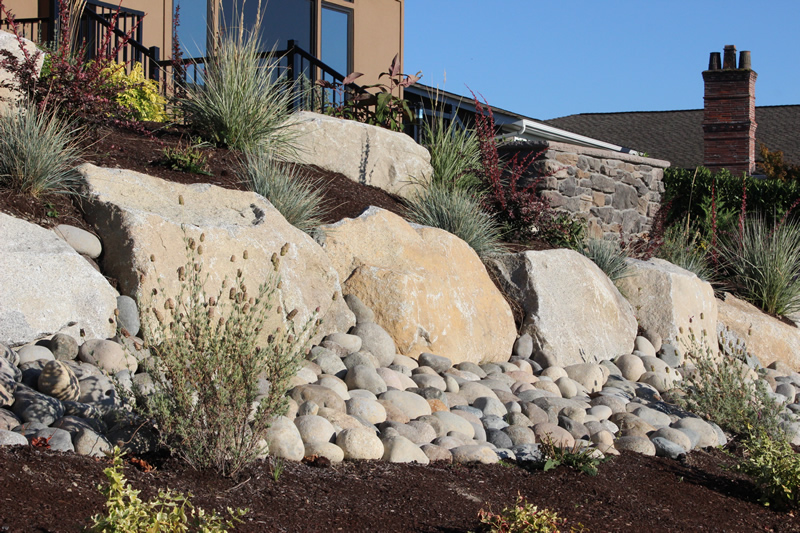
Image Source: www.earthhaulers.com
Factors Affecting Gravel Weight
Several elements play a significant role in determining the aggregate weight per cubic yard. These include the type of stone, its size and shape, and its moisture content. Let’s break down these influences.
Type of Stone
The fundamental component of gravel is the type of rock from which it originates. Different rock types have varying densities due to their mineral composition and how they were formed. For instance:
- Limestone: Often lighter than granite due to its composition.
- Granite: Generally denser and heavier.
- Basalt: Another dense rock type.
- Sandstone: Can vary, but often falls in the mid-range of density.
- Crushed Concrete: The density here depends on the original concrete mix and any additives.
- Recycled Asphalt: Similar to concrete, its weight depends on the original asphalt composition.
The specific gravity of the rock is a key indicator of its potential weight. Higher specific gravity means more mass packed into the same volume.
Size and Shape of Gravel
While less impactful than the stone type itself, the size and shape of the gravel can subtly influence how tightly it packs.
- Angular Gravel: Crushed stone with sharp edges tends to interlock better, creating denser packing. This can lead to a slightly higher weight per cubic yard compared to rounded gravel of the same stone type.
- Rounded Gravel: Smooth, river-worn stones may have more air space between them when in a pile, potentially resulting in a slightly lower weight per cubic yard.
However, the primary driver of weight remains the inherent density of the rock material.
Moisture Content
This is arguably the most variable and significant factor affecting the cubic yard of gravel weight. Gravel is porous, meaning it can absorb water.
- Dry Gravel: This will be lighter as it contains no excess water.
- Damp Gravel: Even a small amount of moisture can add considerable weight. A cubic yard of wet gravel can be substantially heavier than the same cubic yard of dry gravel.
- Saturated Gravel: When gravel has been submerged in water or has absorbed a significant amount, its weight will be at its peak.
The moisture content can change daily depending on weather conditions, how the gravel was stored, and when it was last exposed to rain or washing. It’s important to consider this when calculating how much you need to order, especially if you’re buying in bulk.
Typical Gravel Weights Per Cubic Yard
To give you a practical understanding, here’s a breakdown of the approximate weight of common types of gravel per cubic yard. These are general estimates, and the actual weight can fluctuate based on the factors mentioned above.
Gravel Weight Chart (Approximate)
| Gravel Type | Approximate Weight Per Cubic Yard (lbs) | Notes |
|---|---|---|
| Crushed Limestone (3/4 inch) | 2,500 – 2,800 | Common for driveways and base layers. |
| Crushed Granite (3/4 inch) | 2,600 – 2,900 | Denser than limestone, good for high-traffic areas. |
| River Rock (1-3 inch) | 2,400 – 2,700 | Rounded, often used for decorative purposes and drainage. |
| Pea Gravel (3/8 inch) | 2,400 – 2,700 | Smaller, rounded stones, popular for decorative landscaping. |
| Decomposed Granite | 2,000 – 2,400 | Finer material, can compact well, often used for pathways. |
| Crushed Concrete | 2,200 – 2,500 | Recycled material, weight depends on concrete composition. |
| Crushed Asphalt | 2,000 – 2,300 | Recycled material, typically lighter than stone aggregates. |
| Sand | 2,500 – 2,800 | Finer than gravel, can be very dense, especially when wet. |
| Ballast (Crushed Stone) | 2,700 – 3,000 | Hard, dense stone, used in railway construction. |
Important Consideration: When ordering bulk gravel, suppliers usually work with these approximate weights. However, if you are ordering for a critical structural application, it’s always best to confirm the specific gravel density with your supplier.
Why Knowing Gravel Weight Matters
Accurate gravel calculations are essential for a variety of reasons in both DIY projects and professional construction.
Material Ordering and Cost Estimation
- Accurate Quantity: Knowing the weight helps you order the correct amount of gravel. Most suppliers sell gravel by the cubic yard or by the ton. If you know the gravel weight per cubic yard, you can easily convert between these units. For instance, if you need 10 cubic yards of limestone gravel and it weighs 2,700 lbs per cubic yard, you’ll need 27,000 lbs, or 13.5 tons.
- Budgeting: Understanding the weight allows for more precise cost estimation. If gravel is priced per ton, knowing the expected weight per cubic yard is vital for projecting your total expenditure.
Transportation and Logistics
- Vehicle Capacity: Trucks and trailers have weight limits. Knowing the weight of gravel helps you determine how much you can safely transport in a single trip. A standard dump truck or a heavy-duty pickup truck has a payload capacity that can be reached quickly with dense materials like gravel.
- Delivery Fees: Some suppliers might base delivery fees on the weight or volume of material. Having a good estimate of the bulk gravel weight can help you anticipate these costs.
Structural Integrity and Application
- Load Bearing Capacity: For applications like driveway bases or foundation fill, the weight of the gravel contributes to the overall load-bearing capacity of the sub-base. Different gravel types, with their varying densities, will perform differently under load.
- Compaction: The weight of the material, along with proper compaction techniques, is critical for achieving a stable and durable surface.
Calculating Gravel Needs
Let’s walk through a practical example of gravel calculations. Suppose you want to create a gravel driveway that is 10 feet wide, 50 feet long, and 4 inches deep.
Step 1: Convert all measurements to the same unit (feet).
* Width: 10 feet
* Length: 50 feet
* Depth: 4 inches = 4/12 feet = 0.333 feet
Step 2: Calculate the volume in cubic feet.
* Volume (cubic feet) = Width × Length × Depth
* Volume = 10 ft × 50 ft × 0.333 ft = 166.5 cubic feet
Step 3: Convert cubic feet to cubic yards.
* There are 27 cubic feet in 1 cubic yard (3 ft × 3 ft × 3 ft = 27 cu ft).
* Volume (cubic yards) = Volume (cubic feet) / 27
* Volume = 166.5 cu ft / 27 ≈ 6.17 cubic yards
Step 4: Estimate the weight.
Let’s assume you’re using 3/4 inch crushed limestone, which we estimated weighs around 2,700 pounds per cubic yard.
- Total Weight = Volume (cubic yards) × Weight Per Cubic Yard
- Total Weight = 6.17 cu yd × 2,700 lbs/cu yd ≈ 16,659 pounds
Step 5: Convert to tons (if needed).
* There are 2,000 pounds in 1 ton.
* Total Tons = Total Weight (lbs) / 2,000
* Total Tons = 16,659 lbs / 2,000 ≈ 8.33 tons
Adding a Buffer: It’s always wise to add a buffer of 10-15% to account for settling, uneven compaction, and slight variations in depth. In this case, adding 10% to 6.17 cubic yards would bring your order to approximately 6.8 cubic yards. It’s often best to round up to the nearest half or full yard when ordering.
Gravel Density Explained
Gravel density refers to the mass of gravel per unit of volume. It’s typically expressed in pounds per cubic foot (lb/ft³) or kilograms per cubic meter (kg/m³). This property is fundamental to determining how much does gravel weigh.
The density can be further broken down into:
- Bulk Density: This is the weight of the gravel, including the air spaces between the particles. This is the figure most relevant for practical calculations.
- Particle Density (or Specific Gravity): This refers to the density of the solid rock material itself, excluding any air voids.
For practical purposes, like ordering materials or estimating project weight, bulk density is what you’ll use. The bulk density is influenced by the factors we’ve already discussed: stone type, shape, and packing efficiency.
Purchasing Gravel: By the Yard or By the Ton?
Gravel is commonly sold by volume (cubic yard) or by weight (ton). The choice often depends on the supplier and the type of gravel.
Buying by the Cubic Yard
- Pros: Easier for DIY projects as most calculations are based on volume. Suppliers can often provide consistent cubic yard volumes.
- Cons: The actual weight can vary, meaning you might get slightly more or less weight than expected if the moisture content is significantly different from their standard.
Buying by the Ton
- Pros: You are purchasing a specific weight of material. If you know the exact gravel weight per cubic yard, you can convert your volume needs to tonnage accurately. This can sometimes be more cost-effective if the supplier has a good price per ton.
- Cons: Requires a more precise understanding of the gravel density and expected weight per cubic yard to convert your volume-based project needs into tonnage. You need access to a scale to verify the weight if you’re self-hauling.
Recommendation: For most homeowners and DIYers, ordering by the cubic yard is often simpler. However, if you are working on a large-scale project or are concerned about cost, comparing prices per ton with estimated weight conversions can be beneficial. Always ask your supplier how they measure and price their gravel.
Common Gravel Applications and Considerations
The type of gravel you choose, and consequently its weight, can significantly impact the success of your project.
Driveways and Pathways
For driveways and high-traffic pathways, you’ll want durable and stable gravel. Crushed stone like granite or limestone is ideal because its angular shapes interlock, creating a firm surface. These materials are also denser, meaning a cubic yard will weigh more, contributing to stability.
- Base Layer: Often requires larger, coarser gravel (e.g., 1-2 inches) for drainage and stability.
- Surface Layer: Typically uses smaller, more angular gravel (e.g., 3/4 inch minus, meaning it includes fines) for a smoother, more compacted finish.
Landscaping and Decorative Uses
For garden beds, decorative borders, or drainage around foundations, you might opt for rounded river rock or pea gravel.
- Weight: These are generally lighter than crushed stone.
- Aesthetics: Their smooth texture and varied colors offer a different look.
- Function: Good for drainage and weed suppression.
French Drains and Drainage Systems
Here, the permeability and void space are key. Gravel that allows water to pass through easily is essential. The weight is less of a concern than the void space and particle size.
Construction Foundations
Crushed stone is often used as a base material under concrete slabs or foundations. Its weight contributes to the load-bearing capacity, and its compactability ensures a stable base for the structure.
Frequently Asked Questions (FAQ)
Q1: What is the average weight of a cubic yard of gravel?
A1: The average weight of a cubic yard of gravel typically falls between 2,000 and 3,000 pounds, but this can vary significantly based on the type of rock and its moisture content.
Q2: How does moisture affect the weight of gravel?
A2: Moisture significantly increases the weight of gravel because gravel is porous and can absorb water. Wet or saturated gravel will weigh considerably more than dry gravel of the same type.
Q3: Can I use the weight of gravel to calculate how much I need for my project?
A3: Yes, if you know the gravel weight per cubic yard for the specific type of gravel you are using. This allows you to convert your volume-based project needs (e.g., cubic yards) into weight (e.g., tons), which is often how it’s sold in bulk.
Q4: Is gravel sold by weight or volume?
A4: Gravel can be sold by either volume (cubic yard) or by weight (ton). This often depends on the supplier and the type of gravel. It’s important to clarify with your supplier how they measure and price their materials.
Q5: Why is knowing the gravel weight important for landscaping?
A5: Knowing the weight is important for accurate material ordering, cost estimation, and planning transportation. For structural landscaping elements like driveways or foundations, the weight also contributes to the stability and load-bearing capacity of the project.
Q6: What is considered “fine gravel” or “decomposed granite” weight?
A6: Fine gravels or decomposed granite tend to be lighter than larger, coarser gravels. Their weight can range from 2,000 to 2,400 pounds per cubic yard, as they contain more fines and pack differently.
Q7: If I order bulk gravel, what is the typical weight per cubic yard I should expect for a common driveway mix?
A7: For a common driveway mix, such as 3/4 inch crushed limestone or granite, you can generally expect the bulk gravel weight to be between 2,500 and 2,900 pounds per cubic yard. Always confirm with your supplier for the most accurate figure.
By now, you should have a solid grasp of how much one cubic yard of gravel weighs and the factors influencing that weight. This knowledge empowers you to make informed decisions for your next project, ensuring you order the right amount of material and budget effectively.