
What is the weight of a cubic yard of gravel? On average, a cubic yard of gravel weighs between 2,000 and 2,700 pounds, but this can change depending on the type of gravel. This guide will help you figure out the weight of gravel for your project.
When you’re planning a landscaping or construction project, knowing the weight of materials is crucial. This is especially true for gravel. Whether you’re building a driveway, creating a patio, or adding decorative stone, you need to order the right amount. Ordering too much can be wasteful, while ordering too little can halt your progress.
This guide will dive deep into the question of “how much does gravel weigh per yard?” We’ll explore the factors that influence gravel’s weight, provide average figures, and offer tools to help you calculate precisely what you need. We’ll also touch on how much a yard of gravel might cost.
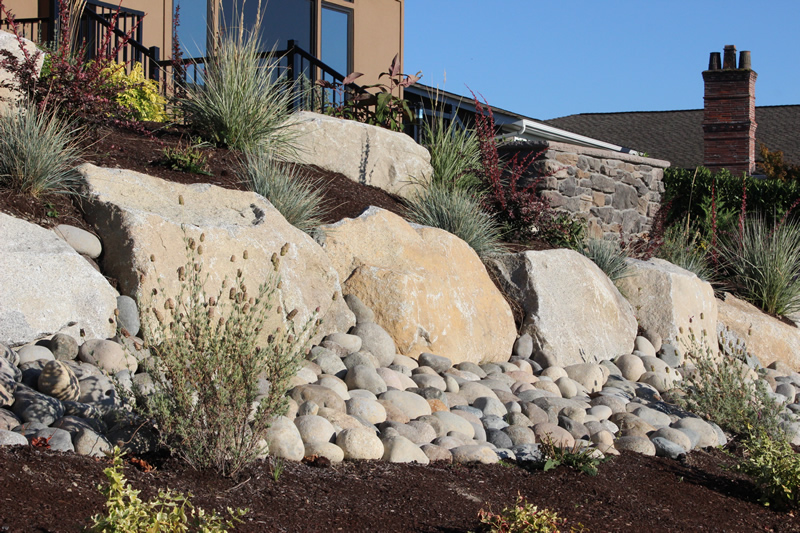
Image Source: www.earthhaulers.com
Deciphering Gravel Density Per Cubic Yard
The weight of gravel per cubic yard isn’t a fixed number. It’s influenced by several key factors, primarily the gravel density per cubic yard. Density refers to how much mass is packed into a given volume. For gravel, this means looking at:
What Affects Gravel Weight?
- Type of Rock: Different types of rocks have different natural densities. For example, granite is generally denser than limestone. This means a cubic yard of granite gravel will weigh more than a cubic yard of limestone gravel.
- Size and Shape of the Stones: Smaller, more angular stones tend to pack together more tightly, leaving less empty space. This results in a higher density and therefore a heavier cubic yard. Larger, rounded stones will have more air pockets, making them lighter.
- Moisture Content: Gravel, especially when freshly dug or delivered, can hold a significant amount of water. Wet gravel is considerably heavier than dry gravel. If your gravel has been sitting out in the rain, its weight will increase.
- Compaction: How the gravel is compacted also plays a role. Uncompacted, loose gravel will have more air pockets than compacted gravel. When you order gravel, it’s usually delivered in a loose state.
What is the Average Weight of Gravel?
While the specific weight can vary, there are some commonly accepted averages for loose gravel weight per yard.
- General Gravel Mix: For a typical mix of crushed stone and sand (often used for driveways and pathways), the average weight is around 2,700 pounds per cubic yard.
- Crushed Stone: Crushed stone, like granite or limestone, often weighs between 2,500 and 2,800 pounds per cubic yard.
- Pea Gravel: Smaller, rounded stones like pea gravel are generally lighter due to more air space. Expect around 2,000 to 2,200 pounds per cubic yard.
- River Rock: Larger, rounded river rocks can also be on the lighter side, often in the 2,000 to 2,300 pounds per cubic yard range.
These are approximations, and it’s always best to check with your supplier for their specific product’s weight.
Calculating Your Gravel Needs: Gravel Volume to Weight
Accurately calculating how much gravel you need involves converting volume (cubic yards) to weight (pounds or tons). This is where a gravel weight calculator can be invaluable. The basic principle is gravel volume to weight conversion, using density as the key factor.
The Formula for Calculating Gravel Weight
The fundamental formula is:
Weight = Volume × Density
- Volume: This is typically measured in cubic yards.
- Density: This is the weight per cubic yard, which you’ll need to determine for your specific type of gravel.
Let’s say you need to cover a 100-square-foot area with 4 inches of gravel.
- Convert Depth to Yards: 4 inches / 12 inches/foot = 0.333 yards.
-
Calculate Volume in Cubic Yards: Volume = Length × Width × Depth
Volume = 100 sq ft × 0.333 yards.
First, convert square feet to square yards: 100 sq ft / 9 sq ft/sq yd = 11.11 square yards.
Now, calculate the volume: 11.11 sq yards × 0.333 yards = 3.7 cubic yards. -
Calculate Weight: If you’re using a gravel with an average density of 2,700 pounds per cubic yard:
Weight = 3.7 cubic yards × 2,700 pounds/cubic yard
Weight = 9,990 pounds
This means you’d need approximately 9,990 pounds of gravel. Since gravel is often sold by the ton (2,000 pounds), this is about 5 tons.
Using a Gravel Weight Calculator
Many online retailers and landscaping supply companies offer gravel weight calculators. These tools simplify the process. You typically input:
- The dimensions of your project area (length, width, depth).
- The type of gravel you plan to use (which helps the calculator determine the density).
The calculator then provides an estimated weight and volume in cubic yards. This is a great way to get a quick estimate.
Gravel Weight Conversion: Pounds, Tons, and Kilograms
It’s helpful to know how to perform gravel weight conversion. The most common units in the US are pounds and tons.
- 1 Ton = 2,000 Pounds
If you calculate your gravel need in pounds, you can easily convert it to tons by dividing by 2,000.
If you’re working with international suppliers or tools, you might encounter kilograms.
- 1 Pound ≈ 0.453592 Kilograms
- 1 Kilogram ≈ 2.20462 Pounds
Example Conversion:
Let’s say your gravel density per cubic yard is 2,600 pounds.
- In Tons: 2,600 pounds / 2,000 pounds/ton = 1.3 tons per cubic yard.
- In Kilograms: 2,600 pounds × 0.453592 kg/pound ≈ 1,179.34 kilograms per cubic yard.
This gravel weight conversion is essential for accurate ordering and transportation planning.
Standard Gravel Density and Variations
While we’ve discussed averages, it’s worth noting the concept of standard gravel density. This usually refers to common construction aggregates. However, “standard” can still encompass a range.
Common Gravel Types and Their Weights
Here’s a table showing the approximate weight of different gravel types per cubic yard:
| Gravel Type | Typical Density (Pounds/Cubic Yard) | Notes |
|---|---|---|
| Crushed Granite | 2,500 – 2,800 | Angular, good for drainage and compaction. |
| Crushed Limestone | 2,400 – 2,700 | Similar to granite, might be slightly less dense. |
| Pea Gravel | 2,000 – 2,200 | Small, rounded, smooth stones. |
| River Rock | 2,000 – 2,300 | Larger, rounded, natural river stones. |
| Decomposed Granite | 2,200 – 2,500 | Finer material, can compact well. |
| Gravel (All-purpose) | 2,600 – 2,800 | Mix of sizes, often used for driveways. |
| Sand | 2,700 – 3,000 | Very fine, can be quite heavy when wet. |
Disclaimer: These are approximate figures. Actual weights can vary significantly based on the specific quarry, moisture content, and exact composition.
Factors Influencing Density: A Deeper Look
- Rock Porosity: Some rocks are naturally more porous than others. Porous rocks absorb water more readily, increasing their weight.
- Shape and Sizing: As mentioned, angular, smaller pieces pack more densely. Think of trying to fit marbles versus gravel into a container – the marbles will leave more space.
- Mineral Composition: The specific minerals that make up the rock influence its inherent density.
How Much Does a Yard of Gravel Cost?
The question of how much does a yard of gravel cost is as important as its weight. Prices vary widely based on:
- Gravel Type: Premium or decorative gravels (like certain river rocks or colored stones) will cost more than standard crushed stone.
- Location: Delivery costs and local market prices play a significant role.
- Quantity: Buying in bulk often reduces the per-yard price.
- Delivery Fees: If you need it delivered, factor in the delivery charges, which can be substantial.
Generally, you can expect to pay anywhere from $20 to $75 per cubic yard for basic crushed stone or pea gravel, before delivery. More specialized or decorative gravels can range from $50 to $200+ per cubic yard. Delivery fees can add another $50 to $200+ depending on the distance and quantity.
It’s always best to get quotes from local landscape supply yards and compare prices, including delivery, to get the most accurate cost for your project.
Practical Applications and Considerations
Knowing the weight of gravel is essential for several practical reasons:
Transportation and Load Limits
- Vehicle Capacity: If you’re planning to haul gravel yourself, you need to know the weight to ensure your truck or trailer can handle the load. A standard half-ton pickup truck can typically haul around 1,000 to 2,000 pounds in its bed. A full cubic yard of gravel can easily exceed this, meaning you might need multiple trips or a larger vehicle.
- Trailer Weight Limits: Check the Gross Vehicle Weight Rating (GVWR) of your trailer and your tow vehicle. Exceeding these limits is dangerous and illegal.
- Delivery Truck Capacity: Landscape suppliers often deliver gravel in large trucks. They will know the weight of their loads and can advise on the maximum amount they can deliver per trip.
Project Planning and Material Ordering
- Accurate Ordering: As we’ve emphasized, accurate weight calculations prevent under or over-ordering.
- Budgeting: Knowing the cost per ton or cubic yard, along with the required weight, allows for precise project budgeting.
- Site Preparation: Understanding the weight can also inform site preparation. Heavy materials require a stable base.
Compaction and Final Volume
Remember that gravel delivered in loose form will compact once it’s spread and potentially rolled or driven on. The loose gravel weight per yard is what you’ll typically purchase, but the final, compacted volume might be slightly less. For most landscaping projects, ordering a little extra (5-10%) is a good practice to account for settling and potential errors in measurement or density.
Frequently Asked Questions (FAQ)
Q1: Can I estimate the weight of gravel if I don’t know the exact type?
A1: Yes, you can use the average weight of 2,500 to 2,700 pounds per cubic yard as a general estimate. However, if you can get information from your supplier about the specific gravel, your estimate will be much more accurate.
Q2: How does moisture affect gravel weight?
A2: Moisture significantly increases gravel weight. Wet gravel can be 5-15% heavier than dry gravel. If you’re buying gravel after a heavy rain, expect it to weigh more.
Q3: Is there a difference between a ton of gravel and a cubic yard of gravel?
A3: Yes, a ton is a unit of weight, while a cubic yard is a unit of volume. A cubic yard of gravel can weigh anywhere from 2,000 to 2,800 pounds, which is equivalent to 1 to 1.4 tons.
Q4: Who can I ask about specific gravel weight?
A4: Your best resource is the gravel supplier or quarry you are purchasing from. They deal with the specific materials daily and will have the most accurate gravel density per cubic yard information.
Q5: How do I convert cubic feet to cubic yards?
A5: There are 27 cubic feet in 1 cubic yard. To convert cubic feet to cubic yards, divide the total cubic feet by 27. This is crucial for calculating gravel weight if your initial measurements are in feet.
By grasping these details about gravel weight, you can confidently plan, budget, and execute your next project with the right amount of material.