
Wondering how much does a yard of pea gravel weigh? A cubic yard of pea gravel typically weighs between 1.4 to 1.7 tons, or roughly 2,800 to 3,400 pounds. This weight can vary based on moisture content and the specific density of the gravel. This guide will help you understand the factors influencing pea gravel weight per cubic yard and how to estimate it for your projects.
When planning landscaping or construction projects, knowing the weight of materials is crucial. This is especially true for gravel, which is often sold by the cubic yard. Whether you’re building a garden path, a patio, or a drainage system, accurate weight estimates help you order the right amount, avoid costly over- or under-ordering, and plan for transportation and delivery.
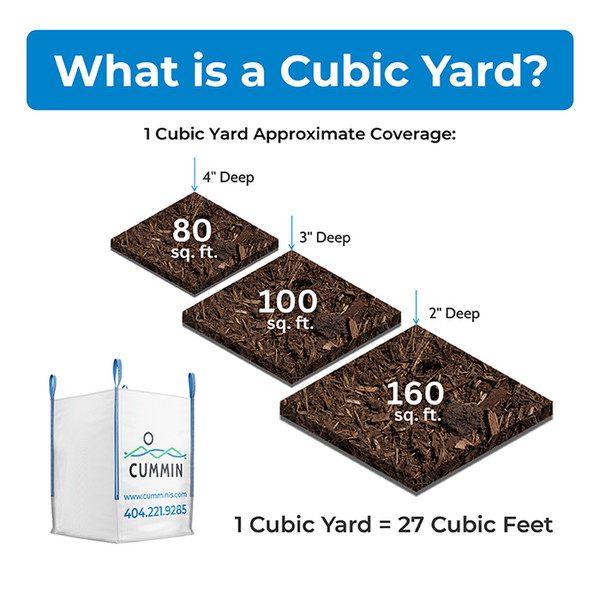
Image Source: www.cumminlandscapesupply.com
Deciphering Gravel Weight: The Basics
Before diving into pea gravel specifically, let’s look at the general principles of how much does gravel weigh. Gravel is a broad category, and its weight depends on several factors, including the type of rock, its size and shape, and how tightly it’s packed.
The Concept of Density
Density is the key to figuring out gravel density calculator values. Density refers to how much mass is contained in a given volume. For gravel, it’s usually measured in pounds per cubic foot or tons per cubic yard. Different types of stone have different densities. For example, granite is denser than limestone.
Units of Measurement
It’s important to keep units consistent. You’ll often see gravel sold by the cubic yard, but weights might be listed in pounds or tons. Always double-check your calculations to ensure you’re converting correctly.
What Makes Pea Gravel Unique?
Pea gravel is a popular choice for many landscaping applications due to its smooth, rounded texture and small size, typically ranging from 1/8 inch to 3/8 inch in diameter. Its uniform size and shape contribute to its specific weight characteristics.
Characteristics of Pea Gravel
- Size: Small and rounded, like peas.
- Texture: Smooth and pleasant to touch.
- Composition: Usually made from crushed river rock or quarried stone.
- Color: Varies widely, from tan and grey to red and white.
These characteristics directly impact how much a cubic yard of gravel weight will be for pea gravel.
The Core Question: The Weight of Pea Gravel
So, how much does pea gravel actually weigh? The weight of pea gravel is not a single fixed number. It’s a range, influenced by several factors.
Typical Pea Gravel Weight
A common range for the weight of pea gravel per cubic yard is between 2,800 to 3,400 pounds. To convert this to tons, you divide by 2,000 (since there are 2,000 pounds in a ton). This means a cubic yard of pea gravel typically weighs between 1.4 and 1.7 tons.
Factors Affecting Pea Gravel Weight
- Moisture Content: This is a significant factor. Gravel, especially porous stone like that often used for pea gravel, can absorb water. Wet gravel is much heavier than dry gravel. If you buy gravel on a humid or rainy day, it will likely weigh more.
- Rock Type: While pea gravel is generally consistent in size, the actual stone material can vary. Some types of rock are naturally denser than others. For instance, gravel made from denser granite will weigh more than gravel made from lighter sandstone.
- Compaction: How tightly the gravel is packed in the truck or in your project also affects the weight per cubic yard. However, when buying by the yard, the loose volume is usually what’s measured.
Calculating and Estimating Gravel Weight
Knowing the typical weight is helpful, but you might need to calculate it for a specific situation. Here’s how to approach it.
Using a Gravel Weight Estimator
Many online tools and apps act as a gravel weight estimator. These tools typically ask for the type of gravel (e.g., pea gravel) and the volume needed (in cubic yards or cubic feet), and they provide an estimated weight.
The Math Behind the Estimate
If you want to do it yourself, you’ll need to know the pea gravel bulk density. This is a scientific measurement. A good approximation for the bulk density of pea gravel is around 100-120 pounds per cubic foot.
Here’s how to calculate gravel weight:
- Know the volume: You need your project’s volume in cubic feet. If you know the area and the desired depth, you can calculate this.
- Area (sq ft) = Length (ft) × Width (ft)
- Volume (cu ft) = Area (sq ft) × Depth (ft)
- Convert cubic yards to cubic feet: There are 27 cubic feet in 1 cubic yard (3 ft × 3 ft × 3 ft = 27 cu ft). So, if you need to know the weight of 1 cubic yard, you’ll multiply your density (in pounds per cubic foot) by 27.
- Apply the density:
- Weight (lbs) = Volume (cu ft) × Density (lbs/cu ft)
Example Calculation:
Let’s say you need 5 cubic yards of pea gravel and you estimate its density to be 110 pounds per cubic foot.
- First, find the volume in cubic feet: 5 cubic yards × 27 cubic feet/cubic yard = 135 cubic feet.
- Then, calculate the weight: 135 cubic feet × 110 pounds/cubic foot = 14,850 pounds.
- Convert to tons: 14,850 pounds / 2,000 pounds/ton = 7.425 tons.
What is a Cubic Yard of Gravel Weight?
Reiterating, a cubic yard of gravel weight for pea gravel generally falls between 1.4 to 1.7 tons (2,800 to 3,400 pounds). This is a useful benchmark.
Tools for Accurate Weight Estimation
When you need precise numbers, consider these tools.
The Pea Gravel Weight Calculator
A pea gravel weight calculator is a specialized online tool. You input the dimensions of your project (length, width, depth) and the type of gravel, and it outputs the estimated weight. These calculators often use pre-programmed density values for different gravel types.
Gravel Density Calculator
A gravel density calculator works slightly differently. It might ask you to input the density of the specific gravel you’re interested in, or it might help you find that density. Once you have the density in pounds per cubic foot, you can use it with the volume of your project to find the total weight.
Practical Applications and Considerations
Knowing the weight of pea gravel is essential for several practical reasons.
Ordering and Delivery
- Truck Capacity: Delivery trucks have weight limits. Knowing the weight of your order helps ensure it can be legally and safely transported.
- Cost: While often sold by the cubic yard, some suppliers might charge by weight, especially for bulk deliveries.
- Quantity: Accurate weight estimation prevents ordering too much (waste) or too little (delays and extra delivery fees).
Site Preparation and Handling
- Lifting and Moving: If you’re moving the gravel yourself using wheelbarrows or smaller equipment, knowing the weight per cubic yard helps you gauge how many trips you’ll need and the effort involved. A ton of gravel is a lot of weight!
- Structural Load: For projects like patios or pathways where the gravel is part of a base layer, its weight can contribute to the overall load on the ground beneath.
Comparing Pea Gravel to Other Gravel Types
It’s interesting to compare the typical gravel weight of pea gravel to other common types.
Table: Typical Gravel Weights per Cubic Yard
| Gravel Type | Approximate Weight per Cubic Yard (Tons) | Approximate Weight per Cubic Yard (Pounds) | Notes |
|---|---|---|---|
| Pea Gravel | 1.4 – 1.7 | 2,800 – 3,400 | Smooth, rounded, common landscaping gravel |
| Crushed Stone | 1.5 – 1.8 | 3,000 – 3,600 | Angular, good for base layers and drainage |
| River Rock | 1.5 – 1.7 | 3,000 – 3,400 | Similar to pea gravel but can be larger |
| Gravel (General) | 1.4 – 1.8 | 2,800 – 3,600 | Wide range depending on composition & size |
Note: These are approximate values and can vary based on the factors discussed earlier.
As you can see, pea gravel generally falls within the typical range for most types of gravel, leaning towards the lighter side compared to some denser crushed stone varieties.
Frequently Asked Questions (FAQ)
Here are some common questions about pea gravel weight:
How much does a cubic yard of pea gravel weigh in pounds?
A cubic yard of pea gravel typically weighs between 2,800 to 3,400 pounds.
Is wet pea gravel heavier than dry pea gravel?
Yes, wet pea gravel is significantly heavier than dry pea gravel because the stones absorb water, increasing their overall mass.
How much does a ton of pea gravel cover?
A ton of pea gravel will cover approximately 60-75 square feet at a depth of 2 inches, or about 20-25 square feet at a depth of 6 inches. This estimation relies on the average weight per cubic yard.
Can I use a gravel weight estimator if I don’t know the exact density?
Yes, most gravel weight estimators use average density figures for different gravel types, making them useful even if you don’t know the precise density of your specific gravel.
Why is it important to know the weight of pea gravel?
Knowing the weight is crucial for planning project logistics, including transportation, delivery truck capacity, and handling requirements. It also helps in ordering the correct quantities to avoid waste or shortages.
Does the size of pea gravel affect its weight?
While pea gravel is categorized by its small size, slight variations within that range, combined with differences in rock composition, can lead to minor weight differences. However, moisture content and rock type are generally more significant factors.
By now, you should have a clear picture of how much does a yard of pea gravel weigh and the factors that influence it. Remember to always check with your supplier for their specific weight estimates or density information if precise calculations are critical for your project. Happy graveling!