
The cost to fence a yard varies widely, typically ranging from $1,500 to $7,000 or more. Several factors influence the final price, including the type of fencing material, the total length and height of the fence, the complexity of the terrain, and whether you hire a professional or opt for a DIY approach.
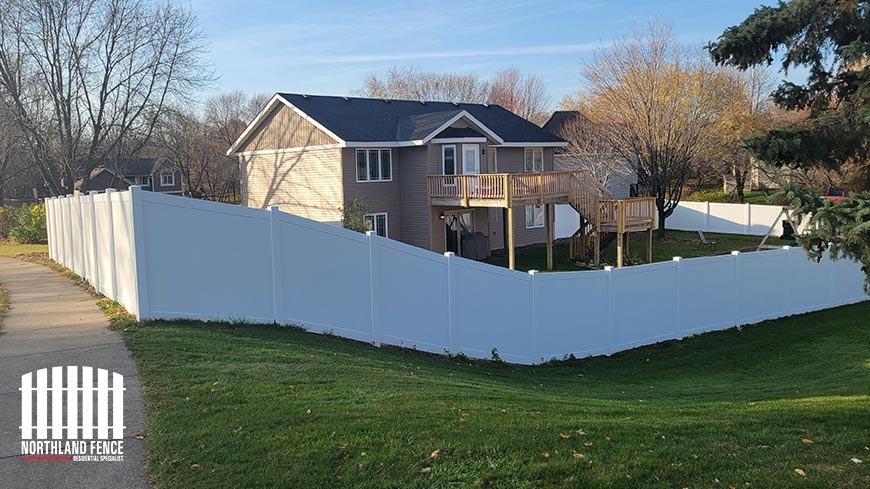
Image Source: www.northlandfence.com
Deciphering Fence Pricing: What You Need to Know
Putting up a fence is a significant investment for any homeowner. It adds security, privacy, and curb appeal to your property. But before you start picturing that perfectly manicured backyard, you need to get a handle on the financial aspect. This guide will break down the cost of fencing a yard, providing insights into materials, labor, and other crucial elements that shape the fence installation price.
Factors Influencing Your Backyard Fence Cost Estimate
Getting an accurate backyard fence cost estimate requires looking at several key components. It’s not just about the linear feet; it’s about the whole picture.
Material Choices and Their Impact
The type of material you select for your fence is arguably the biggest driver of cost. Each material offers a different balance of durability, aesthetics, maintenance, and price.
-
Wood Fences: A perennial favorite, wood fences offer a classic, natural look.
- Pine: The most budget-friendly wood option, but it requires regular sealing and staining to prevent rot and insect damage.
- Cedar: Naturally more resistant to rot and insects, cedar is a popular choice that holds up better over time. It has a beautiful grain and color.
- Redwood: The premium wood option, known for its exceptional durability, rot resistance, and stunning appearance. However, it comes with a higher price tag.
- Pressure-Treated Lumber: Treated to resist decay and insects, this is a common and cost-effective choice for many types of wood fences.
Wood Fence Installation Cost is often calculated per linear foot, including materials and labor. You can expect prices to range from $20 to $50 per linear foot for basic to mid-range wood fences. Higher-end woods like redwood can push this figure closer to $60 or more.
-
Vinyl Fences: A low-maintenance and durable option, vinyl fences are made from PVC.
- Styles: Available in various styles, including privacy, picket, and ranch rail, often mimicking the look of wood.
- Durability: Resistant to rot, insects, and fading. It’s easy to clean and rarely requires painting.
- Cost: While the initial vinyl fence cost can be higher than basic wood, its longevity and low maintenance can make it more economical over time. Expect prices from $25 to $60 per linear foot.
-
Chain Link Fences: A highly functional and budget-friendly option, especially for larger areas or specific security needs.
- Materials: Galvanized steel wire woven into a mesh pattern. Vinyl coatings in various colors are also available, adding to the cost but increasing aesthetic appeal and rust resistance.
- Applications: Commonly used for backyards, dog kennels, sports fields, and industrial sites.
- Chain Link Fence Price: This is often one of the most affordable options, typically ranging from $15 to $30 per linear foot, depending on height, gauge of wire, and coating.
-
Aluminum and Wrought Iron Fences: These offer a more decorative and elegant look, often used for perimeter fencing or as decorative accents.
- Aluminum: Lighter and more resistant to rust than iron, making it a popular choice.
- Wrought Iron: Provides a classic, robust, and highly secure barrier, but it is also the most expensive option and requires maintenance to prevent rust.
- Pricing: Aluminum fences can range from $30 to $70 per linear foot, while wrought iron can easily cost $50 to $100 or more per linear foot.
-
Composite Fences: Made from a blend of wood fibers and recycled plastic, composite fences offer the look of wood with enhanced durability and low maintenance. They are resistant to rot, insects, and fading. The cost of fencing a yard with composite materials can be comparable to or slightly higher than vinyl, typically between $30 and $70 per linear foot.
The Length and Height of Your Fence
The total linear footage of your property line that needs fencing is a primary cost factor. The longer the fence, the more materials and labor are required.
- Linear Footage Calculation: Measure the perimeter of the area you want to enclose. Don’t forget to account for gates.
- Height Matters: Taller fences require more material and often sturdier posts and construction, naturally increasing the price. Standard heights are 4, 6, or 8 feet, with 6 feet being a common choice for privacy.
Terrain and Site Complexity
The condition of your land can significantly impact the fence installation price.
- Sloping or Uneven Ground: Installing a fence on a slope is more challenging and time-consuming than on flat ground. This often requires special techniques like “stepping” the fence or using more complex paneling, leading to higher labor costs.
- Obstacles: Large rocks, tree roots, existing landscaping, or underground utilities can complicate the digging of post holes, increasing labor time and potentially requiring specialized equipment.
- Soil Type: Some soil types can be harder to dig through, affecting labor costs.
Gates and Access Points
Every gate adds to the overall cost. The size, style, and material of the gate will influence its price.
- Single Walk Gates: Typically cost between $150 and $500 each, depending on the material and design.
- Double Driveway Gates: Will be more expensive, potentially ranging from $400 to $1,500 or more.
- Hardware: Hinges, latches, and locks also add to the total cost.
Professional Installation vs. DIY Fence Cost
The decision to hire a professional or tackle the project yourself will have a major impact on your budget.
- Professional Fence Contractor Cost: Hiring a professional fence contractor cost is typically higher due to labor, expertise, insurance, and warranty. However, it ensures the job is done correctly and efficiently, often with better materials and techniques. Expect labor to be 30-50% of the total project cost.
- DIY Fence Cost: If you have the skills, time, and tools, a DIY approach can save money on labor. However, factor in the cost of tool rentals or purchases, potential mistakes, and the value of your time. The DIY fence cost will primarily cover materials, permits, and tool expenses.
Average Fence Prices: A General Overview
To give you a clearer picture, let’s look at some average fence prices for common materials and property sizes. These are estimates and can vary significantly by region and specific project details.
Table 1: Estimated Average Fence Costs (for a standard 150 linear foot, 6-foot high fence)
| Fence Material | Material Cost (per linear foot) | Installation Labor (per linear foot) | Total Estimated Cost (per linear foot) | Estimated Total Project Cost (150 ft) |
|---|---|---|---|---|
| Basic Wood (Pine) | $10 – $20 | $15 – $30 | $25 – $50 | $3,750 – $7,500 |
| Cedar Wood | $15 – $30 | $15 – $30 | $30 – $60 | $4,500 – $9,000 |
| Vinyl | $20 – $40 | $15 – $25 | $35 – $65 | $5,250 – $9,750 |
| Chain Link | $8 – $15 | $7 – $15 | $15 – $30 | $2,250 – $4,500 |
| Aluminum | $25 – $50 | $10 – $20 | $35 – $70 | $5,250 – $10,500 |
| Wrought Iron | $40 – $80 | $15 – $30 | $55 – $110 | $8,250 – $16,500 |
| Composite | $25 – $50 | $15 – $25 | $40 – $75 | $6,000 – $11,250 |
Note: These figures are estimates and can vary widely based on location, specific product quality, and contractor pricing.
Residential Fence Pricing Considerations
When you receive quotes, pay attention to what’s included in the residential fence pricing. A good contractor will provide a detailed breakdown.
- Permits: Some cities or HOAs require permits for fence installation. Ensure this cost is either included in the quote or factored into your budget.
- Site Preparation: This can include clearing brush, removing old fences, or leveling the ground.
- Post Material: The type of posts used (wood, metal, concrete) will affect the cost. Metal posts are often used for chain link, while wood or vinyl posts are common for other types.
- Concrete: Posts are usually set in concrete to ensure stability, especially for taller or heavier fences. The amount of concrete needed will vary.
- Waste Removal: Will the contractor haul away debris from the old fence or construction?
- Warranty: What kind of warranty is offered on materials and labor?
Fathoming the DIY Fence Cost
Embarking on a DIY fence project can be a rewarding experience, but it’s essential to approach it with a realistic budget.
Materials You’ll Need for a DIY Project:
- Fencing Material: The panels, pickets, or mesh you’ve chosen.
- Fence Posts: Typically wood (pressure-treated for ground contact) or metal posts.
- Concrete Mix: For setting posts securely.
- Gravel: For drainage at the bottom of post holes.
- Hardware: Screws, nails, hinges, latches, brackets, tension bands (for chain link).
- Post Caps: For wooden posts, to prevent water damage.
Tools You Might Need:
- Post Hole Digger or Auger: Essential for digging holes.
- Level: To ensure posts are plumb.
- Measuring Tape: For accurate measurements.
- String Line and Stakes: To mark the fence line.
- Hammer or Nail Gun: For attaching pickets or rails.
- Circular Saw: For cutting wood to size.
- Wheelbarrow: For mixing and transporting concrete.
- Shovel: For backfilling and moving dirt.
- Safety Gear: Gloves, safety glasses, work boots.
The DIY Cost Calculation:
To estimate your DIY fence cost, multiply the linear feet of your fence by the per-foot material cost of your chosen fencing. Then, add the cost of posts, concrete, hardware, and any tool rentals. Researching the best prices for each component will be crucial. Remember to add a buffer for unexpected issues or material needs.
Getting the Best Backyard Fence Cost Estimate
To ensure you get the most accurate backyard fence cost estimate, follow these steps:
-
Define Your Needs:
- What is the purpose of the fence (privacy, security, pet containment)?
- What material do you prefer?
- What height and length do you need?
- How many gates are required?
- What is your budget?
-
Measure Accurately:
- Walk the perimeter of your property and measure the exact length of the fence line.
- Note the location of any gates, corners, or changes in terrain.
-
Research Materials:
- Visit local lumber yards or fencing suppliers to get an idea of material costs.
- Look online for pricing on different types of fencing, posts, and hardware.
-
Contact Multiple Professionals:
- Obtain at least three detailed quotes from reputable fencing contractors in your area.
- Ensure quotes specify materials, labor, site preparation, waste removal, and warranty information.
- Ask for references and check online reviews.
-
Compare Apples to Apples:
- Carefully review each quote to ensure you are comparing similar materials, specifications, and services. A cheaper quote might omit important steps or use lower-quality materials.
Frequently Asked Questions (FAQ)
-
Q1: What is the cheapest type of fence?
A1: Generally, chain link fencing is the most budget-friendly option for the material itself. However, a basic, lower-quality wood fence can also be very cost-effective for initial installation. -
Q2: How much does it cost to install a 6-foot privacy fence?
A2: For a 6-foot privacy fence, you can expect to pay anywhere from $25 to $60 per linear foot, including installation, depending on the material (e.g., pressure-treated pine, cedar, or vinyl). -
Q3: Can I save money by building my own fence?
A3: Yes, a DIY fence can save you money on labor costs, which often account for 30-50% of the total project price. However, you’ll need to factor in the cost of tools, materials, and your time. -
Q4: How much do vinyl fence panels cost?
A4: The cost of vinyl fence panels varies by style and height, but they typically range from $20 to $40 per linear foot for the material alone. -
Q5: Who is the best fence contractor to hire?
A5: The best fence contractor is one who is licensed, insured, experienced, has good reviews and references, and provides a clear, detailed quote that meets your needs and budget. Getting multiple quotes is essential to find the right fit. -
Q6: What are the ongoing costs of owning a fence?
A6: Ongoing costs depend on the material. Wood fences require regular staining or sealing (every 2-5 years) to prevent rot and maintain appearance, costing $100-$500 per application. Vinyl, aluminum, and chain link fences require minimal maintenance, mainly occasional cleaning. -
Q7: How long does it take to install a fence?
A7: The time it takes to install a fence can vary from a few days to a week or more, depending on the size of the property, the complexity of the terrain, the type of fence, and the availability of the crew.
By carefully considering these factors and getting detailed quotes, you can accurately estimate the cost of fencing a yard and make informed decisions for your home improvement project.