
Most riding lawn mower batteries operate at 12 volts (V). While 12V is the standard, a few older or specialized models might use 6V batteries, and electric riding mowers have different battery systems, often utilizing higher voltages depending on their design.
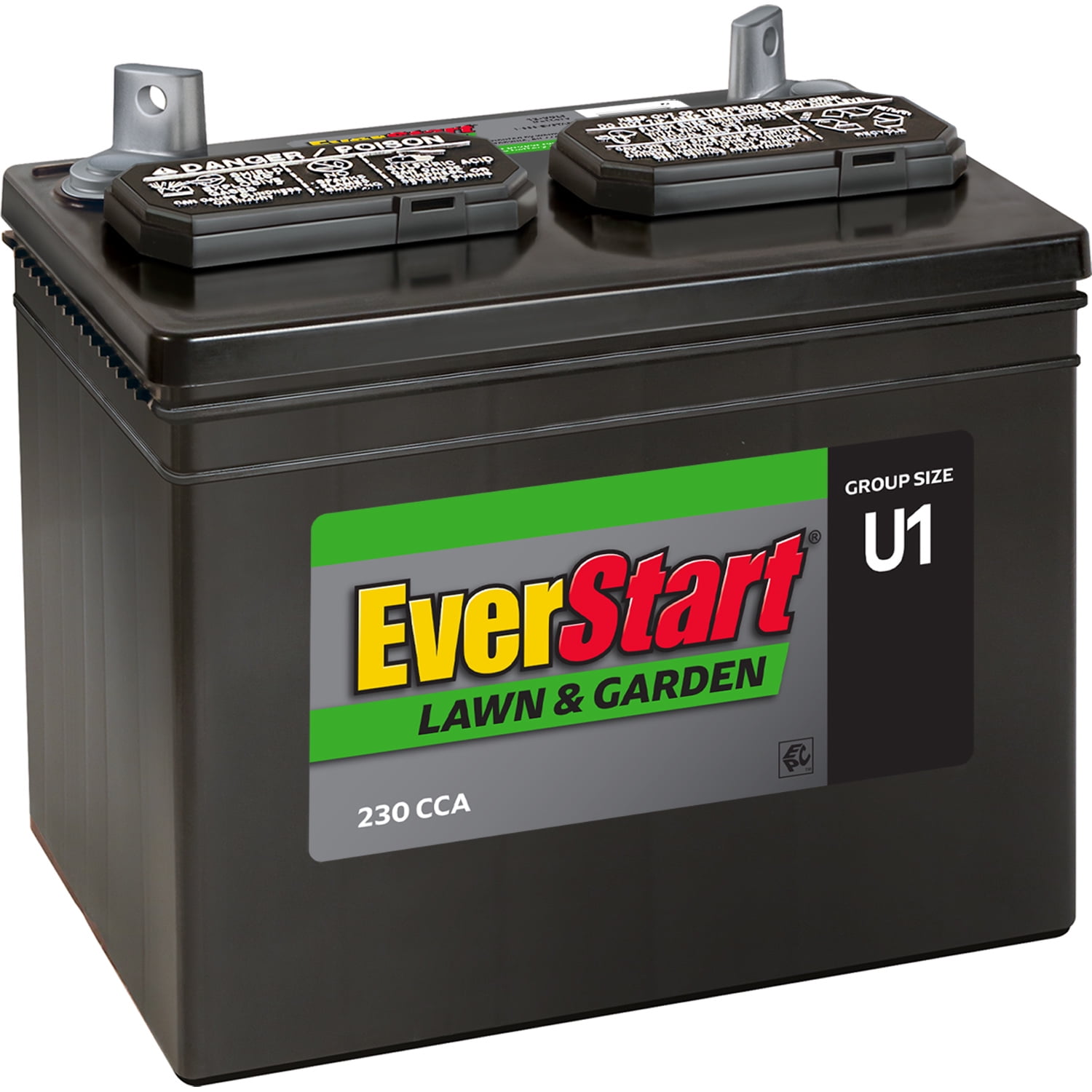
Image Source: i5.walmartimages.com
Deciphering Riding Mower Battery Voltage
When you’re out on your riding mower, keeping it running smoothly is key. A big part of that is the battery. So, you might ask yourself, “How many volts does a riding lawn mower battery actually have?” For most conventional gas-powered riding mowers, the answer is a solid 12 volts. This is the most common riding mower battery voltage you’ll encounter.
However, the world of lawn maintenance isn’t always straightforward. You might come across other voltages, especially if you’re dealing with older equipment or looking at different types of mowers. Let’s dive deeper into the world of lawn tractor battery volts and garden tractor battery voltage to get a clearer picture.
The Dominance of the 12 Volt Lawn Mower Battery
The 12-volt system is the backbone of most modern gasoline-powered riding lawn mowers, including lawn tractors and garden tractors. This voltage is a sweet spot for providing enough power to start the engine, run the lights (if equipped), and operate any accessories, all while being manageable in terms of battery size and weight.
Think of it this way: the starter motor on your riding mower needs a good jolt of power to crank the engine over. A 12V battery can deliver this surge effectively. It’s also a widely standardized voltage, meaning you’ll find a vast array of replacement batteries available for almost any brand or model.
Beyond 12 Volts: Exploring Other Voltages
While 12V is the norm, it’s not the only game in town.
The 6 Volt Lawnmower Battery
Occasionally, you might encounter older riding mowers, particularly some vintage models or very basic setups, that use a 6 volt lawn mower battery. These batteries are less common today. They typically have a lower power output and are usually found in smaller, lighter equipment. If your mower is from several decades ago, it’s worth double-checking its battery requirements. A 6V battery won’t have enough power to start a typical modern riding mower engine.
Electric Riding Mower Battery Systems
Electric riding mowers operate on a different principle altogether. Instead of a small battery to start a gasoline engine, they have a much larger battery pack that directly powers the electric motor driving the mower. The electric riding mower battery voltage can vary significantly. You’ll commonly see systems operating at 24V, 36V, 48V, or even higher. These higher voltages allow for more efficient power delivery to the electric motor and can contribute to longer run times. The capacity, often measured in lawn mower battery amp hours (Ah), is also a crucial factor in how long an electric mower can operate on a single charge.
What Determines the Best Riding Mower Battery Voltage?
The “best” riding mower battery voltage isn’t about which voltage is inherently superior, but rather which voltage is correct for your specific mower. Using the wrong voltage can lead to serious problems:
- Using a lower voltage battery (e.g., 6V on a 12V system): The mower likely won’t start or will have very weak performance.
- Using a higher voltage battery (e.g., 24V on a 12V system): This can severely damage the mower’s electrical system, including the starter, ignition, and any electronic components.
Always refer to your mower’s owner’s manual or the existing battery to determine the correct voltage.
Key Riding Mower Battery Specs to Consider
When you’re looking for a new battery, voltage is just one piece of the puzzle. Here are other critical riding mower battery specs to pay attention to:
Amp Hours (Ah)
This spec indicates the battery’s capacity – how much energy it can store and deliver over time. A higher amp-hour rating generally means the battery can power your mower for longer periods or start the engine more times before needing a recharge. For a 12V battery, you might see ratings ranging from 15Ah to 35Ah or more, depending on the mower’s size and power needs.
Cold Cranking Amps (CCA)
CCA measures the battery’s ability to start an engine in cold temperatures. This is crucial if you live in a region with cold winters where you might need to mow in cooler weather. A higher CCA rating means a stronger, more reliable start, especially when the engine oil is thick and the battery’s own performance is reduced by the cold. For riding mowers, you’ll typically see CCA ratings from around 200 CCA to 350 CCA or higher.
Reserve Capacity (RC)
Reserve Capacity (RC) is another measure of a battery’s endurance. It tells you how long a fully charged battery can deliver a specific current (usually 25 amps) at a standard temperature (80°F or 27°C) before its voltage drops below a usable level. A higher RC means the battery can keep your mower running longer if the charging system has an issue, or it can power accessories for a more extended period.
Battery Type
The type of battery also matters. The most common riding mower battery types are:
- Flooded Lead-Acid (Wet Cell): These are the traditional batteries that require periodic checking and topping up of distilled water in the cells. They are often the most affordable option.
-
Sealed Lead-Acid (SLA): These are maintenance-free batteries. They are sealed and do not require watering. They are further divided into:
- Absorbent Glass Mat (AGM): The electrolyte is absorbed into fiberglass mats. AGM batteries are vibration-resistant, spill-proof, and can handle deeper discharges than flooded batteries. They are often considered a superior replacement for standard flooded batteries.
- Gel Cell: The electrolyte is suspended in a gel-like substance. Gel batteries are also maintenance-free and spill-proof, offering good deep-cycle capabilities and excellent performance in extreme temperatures.
-
Lithium-Ion (Li-ion): While more common in electric vehicles and smaller electronics, some high-performance riding mowers, particularly electric ones, are starting to use advanced lithium-ion battery packs. These offer lighter weight, faster charging, and longer lifespans but come at a higher initial cost.
Fathoming Riding Mower Battery Size and Terminal Configuration
Beyond electrical specifications, the physical dimensions of the battery and how its terminals are configured are crucial for compatibility.
Physical Dimensions
Riding mower batteries come in various sizes to fit different mower chassis. You’ll need to measure the space available in your mower or consult your owner’s manual for the correct battery group size (e.g., Group U1, U1R, 24F). If the battery is too large, it simply won’t fit. If it’s too small, it may not be securely held in place, leading to vibration damage.
Terminal Type and Location
Riding mower batteries typically have two terminals: a positive (+) and a negative (-). The riding mower battery specs will indicate the terminal type (e.g., standard automotive posts, L-terminals, vertical posts) and their placement (e.g., top, side). Ensuring the terminals match your mower’s cables is essential for a correct and secure connection.
Common Battery Issues and Their Relation to Voltage
Several problems with your riding mower can be traced back to battery issues, and sometimes voltage plays a role.
Slow Cranking or No Crank
If your mower is struggling to start or won’t crank at all, a low-voltage battery is a prime suspect. A 12V battery that has discharged significantly will have a voltage reading well below its nominal 12V. This lack of sufficient riding mower battery voltage means the starter motor doesn’t get enough power to engage.
Intermittent Power or Electrical Issues
If your mower’s lights flicker, the charging indicator light comes on erratically, or accessories cut out unexpectedly, it could indicate a weak battery or a problem with the charging system. A battery that can no longer hold a sufficient charge (even if it’s technically a 12V battery when fully charged) will exhibit these symptoms.
Overcharging and Undercharging
While not directly a voltage of the battery itself, issues with the mower’s voltage regulator can lead to overcharging or undercharging. An overcharged battery can overheat and potentially be damaged, reducing its lifespan. An undercharged battery won’t have enough power to start the engine reliably.
Maintaining Your Riding Mower Battery for Longevity
Proper care can extend the life of your riding mower battery. Here are some tips:
- Keep it Clean: Regularly clean the battery terminals and the top of the battery with a wire brush and a mixture of baking soda and water to remove corrosion. Corrosion can impede electrical flow.
- Check Water Levels (for Flooded Batteries): If you have a flooded lead-acid battery, check the electrolyte levels every few months and top up with distilled water only if necessary. Never overfill.
- Use a Battery Tender/Maintainer: When the mower is in storage, connect a battery tender. This device provides a low, trickle charge to keep the battery topped up and prevent deep discharge, which is detrimental to battery health.
- Avoid Deep Discharges: Try not to let the battery drain completely. Frequent deep discharges significantly reduce the lifespan of lead-acid batteries.
- Secure the Battery: Ensure the battery is firmly secured in its tray to prevent damage from vibrations.
Replacing Your Riding Mower Battery
When it’s time to replace your battery, it’s essential to get the right one. Don’t just grab the cheapest option.
- Consult Your Manual: Your owner’s manual is the best source for exact battery specifications, including voltage, dimensions, and recommended group size.
- Match the Specs: Ensure the replacement battery has the same voltage, and as close as possible to the original CCA, Ah, and RC ratings.
- Consider Battery Type: Upgrading to an AGM battery can offer better performance and longevity compared to a standard flooded battery, especially if you frequently use your mower in demanding conditions.
- Proper Disposal: Old batteries contain lead and acid and should be disposed of responsibly. Most auto parts stores and many mower dealers will accept old batteries for recycling.
Frequently Asked Questions (FAQ)
Q1: Can I use a higher voltage battery in my riding mower?
A1: No, you should never use a battery with a higher voltage than your mower is designed for. This can cause severe damage to your mower’s electrical system.
Q2: What happens if I use a 6V battery in a 12V mower?
A2: Your mower will likely not start or will have very weak performance. The 6V battery simply doesn’t provide enough power.
Q3: How do I know if my riding mower battery needs replacing?
A3: Signs include slow cranking, failure to start, and erratic electrical performance. You can also test its voltage with a voltmeter; a fully charged 12V battery should read around 12.6V or higher when the engine is off.
Q4: What does “CCA” mean on a lawn mower battery?
A4: CCA stands for Cold Cranking Amps. It’s a measure of the battery’s ability to start an engine in cold temperatures.
Q5: Are AGM batteries better than regular flooded batteries for riding mowers?
A5: Yes, AGM batteries are generally considered superior due to their maintenance-free nature, better vibration resistance, spill-proof design, and often longer lifespan. They also tend to perform better in extreme temperatures.
Q6: How long should a riding mower battery last?
A6: With proper care, a riding mower battery typically lasts 3 to 5 years. However, this can vary based on usage, climate, and maintenance.
By knowing the typical riding mower battery voltage and the other important specifications, you can make informed decisions about purchasing, maintaining, and replacing your riding mower’s battery, ensuring it reliably powers your lawn care for years to come.