
If you’re wondering, “how long is lawn seed good for?”, the general answer is that while there’s no strict expiration date, lawn seed typically remains viable for 1-3 years when stored correctly. Factors like the type of grass seed and storage conditions significantly influence its longevity.
Starting a lush, green lawn from seed is a rewarding experience. However, the success of your seeding project often hinges on the quality and freshness of the seed you use. You might have a bag of grass seed tucked away in your garage or shed from a previous year, leading to the question: how long is lawn seed good for? This guide will delve into the factors affecting seed viability, explain how to maximize lawn seed shelf life, and provide practical advice on how to store grass seed to ensure your next seeding attempt is a success. We’ll explore what makes lawn seed freshness paramount and address concerns about expired grass seed and when to use old lawn seed.
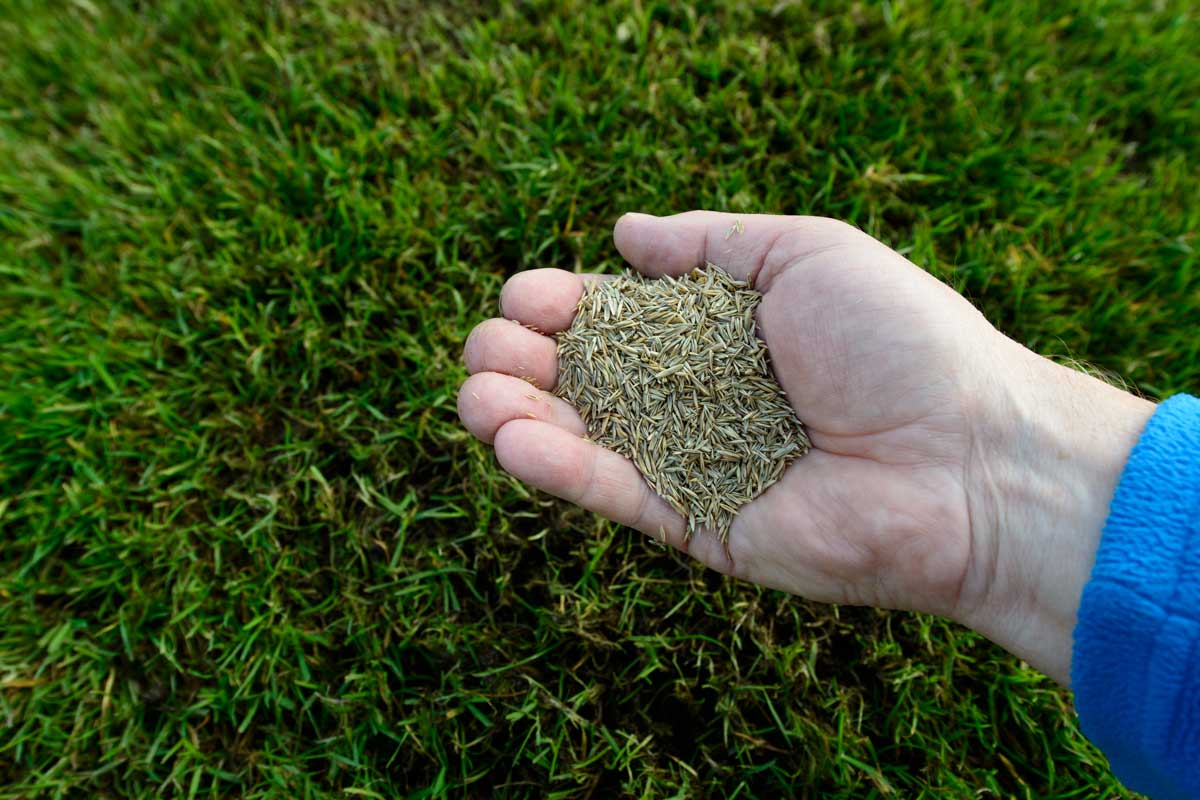
Image Source: www.greenviewfertilizer.com
The Science of Seed Viability
The ability of a seed to germinate and grow, known as seed viability, is not indefinite. While seeds are nature’s resilient package, designed to sprout when conditions are right, their internal resources dwindle over time. This decline is a natural process influenced by several key elements, including the seed’s inherent biological makeup, its moisture content, temperature, and oxygen exposure.
Factors Influencing Seed Longevity
Several elements play a crucial role in determining how long grass seed remains viable. Comprehending these factors will help you make informed decisions about your seed purchases and storage.
- Species of Grass: Different grass species have varying seed storage life. Cool-season grasses like fescues and ryegrasses generally have a slightly shorter viability period than some warm-season grasses.
- Seed Quality: High-quality seed, processed and packaged with care, typically has a longer shelf life. This includes purity levels (free from weed seeds and inert matter) and germination rates at the time of packaging.
- Moisture Content: High moisture levels are detrimental to seed viability. Seeds with higher moisture content are more prone to fungal growth and rapid deterioration. Proper drying during processing is essential for long-term storage.
- Temperature: Temperature is perhaps the most critical factor. Warm temperatures accelerate the metabolic processes within the seed, leading to a faster decline in viability. Conversely, cool temperatures slow down these processes, preserving the seed.
- Oxygen Exposure: While seeds need oxygen to respire, excessive exposure, especially in combination with heat and moisture, can degrade the seed’s internal components. Airtight storage helps limit this.
- Light: While not as impactful as temperature or moisture for most common lawn seeds, prolonged exposure to direct sunlight can contribute to heat buildup and degradation.
How Viability Declines Over Time
Think of a seed as a tiny, dormant organism with a finite amount of stored energy. As time passes, this energy is slowly used up through respiration, even in a dormant state.
- Respiration: Seeds continuously respire, consuming stored food reserves and oxygen. This process releases energy needed for eventual germination but also breaks down the seed’s vital components.
- Enzyme Activity: Enzymes within the seed, essential for germination, can degrade over time. This degradation is faster at higher temperatures.
- Cell Damage: The cellular structures within the seed can become damaged due to oxidation, moisture fluctuations, or pest activity, reducing their ability to support a growing seedling.
- Germination Rate Reduction: As viability decreases, the germination rate also drops. This means fewer seeds in a bag will sprout, and those that do may take longer or grow more slowly.
Determining Lawn Seed Shelf Life
While there isn’t a stamped “expiration date” like on a carton of milk, lawn seed expiration is a real concern for gardeners. Most reputable seed manufacturers provide a best by date lawn seed or a date of packaging. This date is your best indicator of the seed’s expected viability.
Interpreting Packaging Dates
- Date of Packaging: This is often more useful than a “best by” date. It tells you when the seed was processed and tested. Seed from a more recent packaging date is generally more reliable.
- “Best By” or “Sell By” Dates: These are guidelines set by the manufacturer. They indicate the period during which the seed is expected to maintain a high germination rate under optimal storage conditions. After this date, viability may still be present but is likely reduced.
Typical Lawn Seed Longevity
The lawn seed shelf life varies, but generally:
- High-Quality, Properly Stored Seed: Can remain viable for 1-3 years, with some species potentially lasting longer.
- Lower Quality or Poorly Stored Seed: Viability can drop significantly within a year.
It’s crucial to note that these are averages. Individual results can differ based on the specific conditions the seed has been exposed to.
Optimal Storage Conditions for Seed Longevity
The key to extending the life of your grass seed lies in proper how to store grass seed. By creating an environment that slows down the natural degradation processes, you can significantly increase the time your seed remains viable. The goal is to keep it cool, dry, and protected.
The Ideal Storage Environment
Think of the perfect conditions for preserving something delicate. This translates to:
- Cool Temperatures: The cooler, the better. Basements, garages (in cooler climates), or climate-controlled storage units are ideal. Avoid attics or sheds that experience extreme temperature fluctuations.
- Dryness: Moisture is the enemy of seed viability. Keep seeds in a place with low humidity.
- Darkness: While not as critical as temperature and moisture, avoiding direct sunlight helps prevent heat buildup.
- Airtight Container: This is vital to prevent moisture absorption from the air and limit oxygen exchange.
Practical Storage Tips
Implementing these practical steps will help you maintain the lawn seed freshness of your stored seed.
- Original Packaging: Keep seed in its original, sealed bag or container. This packaging is often designed to offer some protection against moisture.
- Airtight Secondary Container: For extra protection, place the original bag inside a sturdy, airtight container. Plastic bins with gasket seals or glass jars with tight-fitting lids work well.
- Reseal Properly: If you’ve opened a bag of seed and haven’t used it all, reseal it tightly. Use strong tape or a heavy-duty clip to close the bag before placing it in your secondary container.
- Avoid Damp Areas: Never store seed on a concrete floor in a damp basement, as concrete can draw moisture from the air. Place containers on shelves.
- Control Humidity: If you live in a very humid climate, consider using a desiccant (like silica gel packets) inside the airtight container to absorb any residual moisture.
What to Avoid When Storing Seed
Steering clear of certain practices will prevent premature degradation of your seed.
- Exposure to Extreme Heat: Garages that get very hot in the summer or direct sunlight will drastically reduce seed viability.
- High Humidity: Storing seed in damp basements or sheds without proper sealing will allow moisture to penetrate and damage the seed.
- Open Containers: Leaving seed in an unsealed bag or box exposes it to air, moisture, and potential pests.
- Proximity to Chemicals: Storing seed near fertilizers, pesticides, or other chemicals can lead to contamination or degradation.
When to Use Old Lawn Seed
So, you’ve found a bag of seed that’s a year or two old. The question arises: when to use old lawn seed? It’s not always a simple “yes” or “no.” The decision depends on how well it was stored and how much viability you think it retains.
Assessing the Quality of Stored Seed
Before you sow old seed, it’s wise to assess its condition.
- Visual Inspection: Open the bag. Does it look or smell off? Moldy, dusty, or an unusual odor can indicate spoilage. The seed itself should look like typical grass seed, not discolored or shriveled.
- Check the Packaging Date: Reconfirm the packaging or “best by” date. If it’s significantly past its prime (e.g., more than 3-5 years old, even with good storage), the chances of successful germination are very low.
Conducting a Germination Test
The most reliable way to determine if your old seed is still good is to perform a simple germination test. This will give you a practical understanding of its current seed viability.
Simple Seed Germination Test
- Gather Supplies: You’ll need a few plastic bags, paper towels, water, and your old grass seed.
- Prepare the Test:
- Take a small sample of the seed (e.g., 50-100 seeds).
- Dampen a paper towel – it should be moist but not dripping wet.
- Spread the seeds evenly on one half of the damp paper towel.
- Fold the other half of the paper towel over the seeds.
- Incubate:
- Place the folded paper towel inside a plastic bag.
- Seal the bag loosely or keep it slightly open to allow for air exchange.
- Store the bag in a warm, dark place (like on top of a refrigerator or in a cupboard).
- Observe: Check the seeds daily for 7-14 days. Keep the paper towel consistently moist.
- Calculate Germination Rate: Count the number of seeds that have sprouted.
- Formula: (Number of sprouted seeds / Total number of seeds) x 100 = Germination Rate (%)
A germination rate of 60-70% or higher for older seed might still be acceptable for a lawn, especially if you’re willing to overseed more densely. However, if the rate is below 50%, it’s likely not worth the effort, and you should consider purchasing fresh seed.
Using Seed with Reduced Viability
If your germination test shows a moderately reduced viability (e.g., 50-70%), you can still use the seed, but you’ll need to adjust your approach.
- Increase Seeding Rate: Sow the seed at a higher density than recommended for fresh seed. This compensates for the lower germination rate, aiming to achieve adequate coverage. For example, if the recommended rate is 1 lb per 1000 sq ft, you might use 1.5 to 2 lbs.
- Be Patient: Germination may be slower and more staggered than with fresh seed.
- Expect Patchiness: Even with increased seeding rates, some areas might remain thin. You may need to overseed again later with fresh seed.
- Consider Non-Critical Areas: If the seed has very low viability but you don’t want to waste it, consider using it in less visible areas, such as the back of your property or a less-trafficked part of the yard.
Understanding the Impact of Expired Grass Seed
Using expired grass seed can lead to disappointing results, wasted time, and unnecessary expense. It’s important to know what to expect.
What Happens When Seed Expires?
As discussed, the biological processes within the seed continue, albeit slowly. This leads to a gradual loss of vigor and the ability to germinate.
- Lower Germination Rates: The most common outcome of using old seed is a significantly reduced germination rate. Fewer seeds sprout.
- Weaker Seedlings: Even if seeds germinate, they may produce weaker, less vigorous seedlings that are more susceptible to disease, pests, and environmental stress.
- Slower Establishment: The lawn will take longer to establish and fill in, potentially leaving it vulnerable to weed invasion.
- Ultimately, Failure: In extreme cases of age or poor storage, the seed may have zero viability, meaning nothing will grow.
Recognizing Signs of Poor Seed Quality
Beyond the germination test, some visual and olfactory cues can signal that your seed is no longer at its best.
- Dustiness: A bag of seed that appears excessively dusty might indicate that the seed has broken down or is of poor quality.
- Unusual Odors: A musty, moldy, or sour smell is a clear indication that moisture has entered the bag and caused spoilage.
- Discoloration: While some seed varieties have natural color variations, significant discoloration or a dull, lifeless appearance can suggest age and degradation.
- Presence of Mold or Fungus: Any visible signs of mold or fungal growth mean the seed is compromised and should not be used.
When to Purchase New Seed
Sometimes, the best course of action is to invest in fresh seed. Knowing when to bite the bullet and buy new seed will save you frustration and ensure better results.
Indicators That It’s Time for New Seed
- Unknown Age and Poor Storage: If you have seed with no discernible date, stored in questionable conditions (e.g., leaky shed, damp garage), it’s often best to start fresh.
- Past “Best By” Date by Several Years: If your seed is several years beyond its “best by” date and has not been stored under ideal, cool, dry conditions, its viability is highly questionable.
- Failed Germination Tests: If your germination test yields very low results (under 50%) or no germination at all, it’s time for new seed.
- Specific Project Needs: For critical projects where you need reliable, fast germination and strong establishment (e.g., repairing a high-traffic area, starting a new lawn in a challenging climate), always opt for fresh, high-quality seed.
The Benefits of Using Fresh Seed
Investing in fresh seed offers several advantages:
- Higher Germination Rates: You’re virtually guaranteed a much higher percentage of seeds will sprout.
- Faster Establishment: Fresh seed germinates and establishes more quickly, leading to a denser, more robust lawn sooner.
- Stronger Seedlings: Young plants from fresh seed are typically more vigorous and better equipped to withstand stress.
- Predictable Results: You can rely on the germination rates stated on the packaging, making it easier to calculate how much seed you need.
- Reduced Weed Competition: A quickly established, dense lawn provides less opportunity for weeds to take root.
Frequently Asked Questions About Lawn Seed Viability
Q1: Does grass seed actually expire?
A1: While there isn’t a hard “expiration date” stamped on every bag, grass seed does lose its viability over time due to natural degradation. It’s more accurate to think of it as having a declining germination rate.
Q2: How can I tell if my grass seed is still good?
A2: You can perform a simple germination test by placing a small sample of seeds on a damp paper towel in a plastic bag and keeping it in a warm place for 7-14 days. Count how many seeds sprout. Also, check for signs of mold, dustiness, or foul odors, which indicate spoilage.
Q3: I found a bag of seed from 5 years ago. Should I use it?
A3: It’s highly unlikely that seed stored for 5 years, even under good conditions, will have a good germination rate. Unless it was stored in a perfectly controlled environment (like a refrigerator with a desiccant) and your germination test shows some viability, it’s best to purchase new seed.
Q4: What’s the best way to store grass seed I don’t use?
A4: Store it in a cool, dry, dark place in an airtight container. Keeping it in its original sealed bag inside a plastic bin with a gasket seal is ideal. Avoid areas with temperature fluctuations or high humidity.
Q5: Can I mix old seed with new seed?
A5: Yes, you can mix old seed with new seed, but do so cautiously. Perform a germination test on the old seed first. If it shows moderate viability, you can mix it with new seed and increase the overall seeding rate slightly to compensate for the lower germination of the older portion.
Q6: What is the “best by date” on lawn seed?
A6: The “best by date” is the manufacturer’s recommendation for when the seed is expected to maintain its optimal germination rate when stored properly. After this date, the viability may decrease, but the seed could still be usable if stored well and a germination test confirms it.
By adhering to proper storage practices and knowing when to reassess the viability of your seed, you can significantly increase your chances of cultivating a beautiful, healthy lawn. Happy seeding!