
A riding lawn mower battery typically lasts between 3 to 5 years, though this can vary significantly based on usage, maintenance, and environmental factors. If you’re wondering how long your specific mower’s battery will serve you, or when it’s time for a replacement, this guide will break down everything you need to know about riding mower battery life.
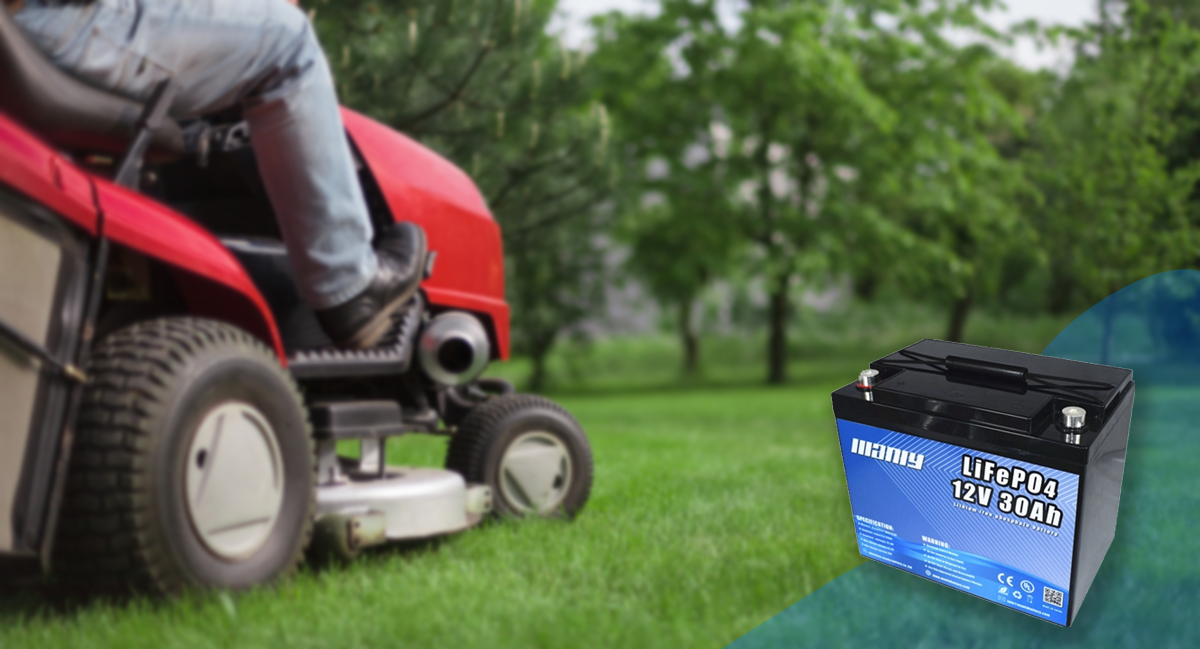
Image Source: manlybattery.com
Deciphering Riding Mower Battery Lifespan
The lifespan of your riding mower’s battery isn’t set in stone. Several elements contribute to its longevity. Think of it like this: a well-cared-for car engine lasts longer than one that’s neglected. The same applies to your mower’s battery.
Factors Affecting Riding Mower Battery Life
Numerous elements play a role in how long your battery will function optimally. Let’s explore these key influences:
- Usage Frequency and Duration: How often and for how long you use your riding mower is a primary factor. Frequent, lengthy mowing sessions will naturally put more wear on the battery than occasional, short bursts.
- Climate and Temperature: Extreme temperatures, both hot and cold, can significantly impact battery performance and lifespan.
- Heat: High temperatures accelerate the chemical reactions within the battery, leading to faster degradation. Leaving your mower in direct sunlight for extended periods can be detrimental.
- Cold: While cold weather can temporarily reduce a battery’s power output, it’s the cycle of extreme cold followed by heat that causes the most damage. Deep freezing can also be harmful if the battery isn’t fully charged.
- Charging Habits: Improper charging can shorten a battery’s life. Overcharging or undercharging can both cause damage. Using the correct charger is also crucial.
- Maintenance Practices: Regular maintenance, such as keeping the battery terminals clean and ensuring the battery is securely fastened, can prevent issues that lead to premature failure.
- Battery Quality and Type: Not all batteries are created equal. Higher-quality batteries, even if they cost more upfront, often offer a longer lifespan. The type of battery (e.g., lead-acid, AGM) also plays a role.
- Depth of Discharge: How deeply you drain the battery each time you use the mower matters. Consistently running the battery down to a very low level can reduce its overall lifespan.
Lawn Tractor Battery Lifespan: A Closer Look
Your lawn tractor battery lifespan is essentially the same as a generic riding mower battery lifespan. The term “lawn tractor” is often used interchangeably with “riding mower.” The principles discussed above apply directly to lawn tractor batteries as well. Whether you have a compact yard or a sprawling estate, the fundamental science of battery degradation remains consistent.
How Often to Replace Riding Mower Battery
Knowing how often to replace riding mower battery is essential for avoiding mid-mow breakdowns. While the average is 3-5 years, you might notice signs that indicate an earlier replacement is needed.
Signs Your Battery Needs Replacing
Don’t wait until your mower refuses to start altogether. Look out for these common indicators:
- Slow Engine Crank: If the engine sounds sluggish when you turn the key, it’s a strong sign the battery is losing its power.
- Dimming Lights: If your mower has headlights, and they appear dimmer than usual, this points to a weak battery.
- Corrosion on Terminals: While corrosion can sometimes be cleaned, excessive or stubborn corrosion can indicate internal battery issues.
- Swollen or Warped Battery Case: This is a critical sign of internal damage, often caused by overheating or overcharging, and the battery should be replaced immediately.
- Battery Age: Even if it seems to be working, if your battery is approaching or has passed the 3-5 year mark, it’s wise to consider replacement before it fails unexpectedly.
- Failure to Hold a Charge: If you charge the battery, but it only lasts for a short mowing session or doesn’t start the mower the next day, it’s likely on its way out.
Comprehending Riding Mower Battery Maintenance
Proper riding mower battery maintenance is key to maximizing its riding mower battery life. Simple, regular checks can prevent many common problems.
Essential Maintenance Steps
- Keep Terminals Clean: Battery terminals can corrode over time. This corrosion can prevent a good electrical connection, hindering starting and charging.
- How to Clean: Disconnect the battery cables (negative first, then positive). Use a wire brush or a specialized battery terminal cleaning tool to scrub away any white or bluish-green powdery buildup. Once clean, apply a thin layer of petroleum jelly or dielectric grease to prevent future corrosion. Reconnect the cables (positive first, then negative).
- Check Fluid Levels (for non-sealed batteries): Some older or less expensive riding mower batteries are not sealed and have caps to check the electrolyte levels. If the electrolyte level is low, distilled water should be added to cover the plates. Caution: Always wear safety glasses and gloves when working with batteries.
- Ensure Secure Mounting: A loose battery can vibrate, which can damage internal components and loosen terminal connections. Make sure the battery is firmly secured in its tray.
- Protect from Extreme Temperatures: Whenever possible, store your riding mower in a cool, dry place, away from direct sunlight. If you must store it outdoors, consider a cover that offers protection from the elements.
Riding Mower Battery Charging Best Practices
Correct riding mower battery charging is crucial for both immediate performance and long-term riding mower battery capacity.
- Use the Right Charger: Always use a charger designed for your specific battery type and voltage. An underpowered charger will not fully charge the battery, while an overpowered charger can cause damage.
- Follow Manufacturer Instructions: Each charger and battery combination may have slightly different charging requirements. Refer to your mower and battery manuals for specific guidelines.
- Avoid Overcharging: Modern trickle chargers are designed to prevent overcharging, but older or manual chargers require you to monitor the charging process. Overcharging can overheat the battery and reduce its lifespan.
- Charge Before Storage: If you’re storing your mower for an extended period (e.g., over winter), fully charge the battery before storing it. A battery that sits discharged for too long can suffer irreversible damage.
- Charge After Use: For best results, charge the battery after each significant mowing session to ensure it’s ready for the next use.
Deciphering Riding Mower Battery Voltage and Capacity
Understanding the specifications of your battery, like riding mower battery voltage and riding mower battery capacity, helps in choosing the right replacement and understanding its power.
Riding Mower Battery Voltage
The most common riding mower battery voltage is 12 volts (12V). This is similar to car batteries. You might occasionally encounter 6V systems on very old or small equipment, but 12V is the standard for most modern riding mowers and lawn tractors. It’s vital to ensure any replacement battery matches the voltage of your original battery.
Riding Mower Battery Capacity
Battery capacity is typically measured in Ampere-hours (Ah) or Cold Cranking Amps (CCA).
- Ampere-hours (Ah): This indicates how much current a battery can deliver over a period of time. A higher Ah rating generally means the battery can power accessories for longer or provide more sustained power.
- Cold Cranking Amps (CCA): This measures the battery’s ability to start an engine in cold temperatures. A higher CCA rating means the battery is more likely to start your mower in chilly conditions.
When selecting a replacement battery, it’s best to match or exceed the original battery’s Ah and CCA ratings.
Finding the Best Riding Mower Battery
The best riding mower battery for your needs depends on your mower’s specifications, your budget, and your priorities (e.g., longevity, starting power).
Factors to Consider When Buying
- Size and Terminal Configuration: The battery must physically fit in your mower’s battery tray, and the terminals (positive and negative posts) must be in the correct location for your mower’s wiring.
- Voltage: As mentioned, it must be a 12V battery for most modern mowers.
- CCA Rating: Ensure it meets or exceeds your mower’s requirements, especially if you live in a colder climate.
- Brand Reputation: Stick with reputable battery manufacturers known for quality and reliability.
- Warranty: A longer warranty period often signifies a manufacturer’s confidence in their product’s durability.
- Battery Type:
- Flooded Lead-Acid: These are the most common and generally the most affordable. They require periodic checks of electrolyte levels.
- Absorbent Glass Mat (AGM): These are sealed, maintenance-free batteries. They are more resistant to vibration and leakage and often offer better performance in extreme temperatures. They tend to be more expensive.
- Lithium-ion: While becoming more common in other power tools, lithium-ion batteries for riding mowers are still less prevalent and typically much more expensive, though they offer lighter weight and potentially longer lifespans.
Testing Your Riding Mower Battery
Regular riding mower battery testing can help you stay ahead of potential problems.
Methods for Battery Testing
- Visual Inspection: Check for corrosion, damage, or leaks.
- Voltmeter Test: A multimeter can measure the battery’s voltage.
- A fully charged 12V battery should read around 12.6 volts or slightly higher when the engine is off and the battery has rested for a few hours.
- If the voltage is consistently below 12.4 volts after charging, it may indicate a weak battery.
- With the engine running, the voltage should be between 13.5 and 14.5 volts, indicating the alternator (or charging system) is working correctly.
- Load Tester: This is the most accurate way to test a battery’s health. A load tester simulates the demand placed on the battery during starting. Most auto parts stores can perform this test for free. They will connect the tester to your battery and draw a specific amount of current for a short period. The tester then indicates if the battery can maintain its voltage under load.
How Often to Replace Riding Mower Battery: A Final Thought
The question of how often to replace riding mower battery is one best answered by observing your battery’s performance and age. While the 3-5 year guideline is a good starting point, proactive testing and maintenance will help you maximize its riding mower battery life and ensure your mower is always ready to tackle your lawn.
Frequently Asked Questions (FAQ)
Can I use a car battery in my riding mower?
While some compact riding mowers might physically accommodate a smaller car battery, it’s generally not recommended. Car batteries are designed for different starting demands. Riding mower batteries are often built to withstand more vibration and may have different terminal configurations. Always use a battery specifically designed for your riding mower or a compatible type recommended by the manufacturer.
How long does a riding mower battery take to charge?
The charging time varies significantly depending on the battery’s capacity, its current state of discharge, and the charger’s amperage output. A standard 12V riding mower battery might take anywhere from 4 to 24 hours to fully charge using a typical charger. Faster chargers are available, but it’s essential to use them cautiously to avoid overcharging or damaging the battery. Always refer to your charger’s manual for estimated charging times.
What happens if I overcharge my riding mower battery?
Overcharging can cause several problems:
* Overheating: The battery can get excessively hot, which damages the internal components and can lead to warping of the battery case.
* Electrolyte Loss: In non-sealed batteries, overcharging can cause the electrolyte to boil, leading to a loss of water. This can expose the battery plates, causing permanent damage and reducing capacity.
* Reduced Lifespan: Even without obvious signs of damage, consistent overcharging will accelerate the battery’s aging process and shorten its overall riding mower battery life.
Is it okay to leave my riding mower plugged in all the time?
If you are using a modern, smart trickle charger designed to maintain a charge without overcharging, it is generally safe to leave the battery connected. These chargers are designed to detect when the battery is full and reduce the charging rate accordingly. However, if you are using an older, manual charger, it’s best to disconnect the battery once it’s fully charged to prevent overcharging damage. Always check your charger’s specifications and user manual.
How do I know if my riding mower’s charging system is working?
The charging system (typically an alternator or stator) is responsible for recharging the battery as the engine runs. You can test this using a voltmeter.
1. Start your mower’s engine.
2. Measure the voltage across the battery terminals.
3. A healthy charging system should produce a voltage reading between 13.5 and 14.5 volts.
If the voltage is significantly lower than this range, it indicates a problem with the charging system, which will prevent the battery from recharging and can lead to premature battery failure. If the voltage is too high, it can also damage the battery.