
Can you plant a garden near your leach field? Yes, you can, but there are crucial safety and health reasons why you need to maintain a specific distance. This distance ensures that your garden doesn’t contaminate your water supply or cause problems with your septic system’s ability to treat wastewater.
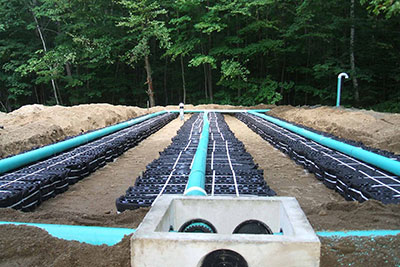
Image Source: www.nexgenseptics.com
The Importance of Proper Septic System Placement
Your septic system is a vital part of your home’s infrastructure, responsible for treating and disposing of household wastewater. It typically consists of a septic tank and a leach field (also known as a drain field or effluent disposal zone). The septic tank separates solids from liquids, and the liquid effluent then flows into the leach field, where it is further treated by soil and microorganisms before returning to the groundwater.
Septic tank proximity to your home, wells, and property lines is critical. Likewise, the leach field distance requirements are paramount for public health and environmental protection. Ignoring these distances can lead to a host of problems, from unpleasant odors and sewage backups to serious contamination of drinking water sources and surrounding ecosystems.
Understanding Leach Field Setback
A drainage field setback refers to the minimum required distance between your leach field and various features like wells, property lines, streams, lakes, and, importantly for gardeners, areas where food is grown. These setbacks are not arbitrary; they are based on scientific principles designed to protect public health and the environment.
The primary goal of these setbacks is to prevent the untreated or partially treated wastewater (effluent) from reaching sensitive areas. When effluent leaves the leach field, it slowly filters through the soil. This natural filtration process removes many harmful bacteria, viruses, and nutrients. However, this process takes time and distance. If a garden is too close, the effluent may not be fully treated before it can be absorbed by plants or reach groundwater.
Why Setbacks Matter for Your Garden
- Preventing Pathogen Contamination: Effluent from a septic system can contain harmful bacteria, viruses, and parasites. If these pathogens reach your garden vegetables or fruits, they can cause serious illness when consumed.
- Nutrient Overload: Septic effluent is rich in nutrients like nitrogen and phosphorus. While these can act as fertilizers, excessive amounts can harm plants or lead to algal blooms in nearby water bodies if they reach surface water.
- System Performance: Planting inappropriate vegetation or allowing gardens too close can interfere with the leach field design guidelines. Roots from trees and shrubs can clog the pipes, and compacted soil from foot traffic can hinder the system’s ability to drain and treat effluent.
Leach Field Distance Requirements: What the Experts Say
Leach field distance requirements vary by local jurisdiction (county, state, or even town). It is essential to consult your local health department or building code office for the specific regulations in your area. However, general guidelines and common requirements exist across most regions.
Common Setback Distances
While specific numbers can differ, here’s a general idea of common drainage field setback requirements:
| Feature | Typical Minimum Distance |
|---|---|
| Wells (Potable Water) | 50-100 feet |
| Surface Water (Lakes, Rivers, Streams) | 50-100 feet |
| Property Lines | 5-10 feet |
| Dwelling (House) | 10-20 feet |
| Other Septic Systems | 10-20 feet |
| Gardens (Food Crops) | 5-20 feet |
| Trees and Large Shrubs | 15-30 feet |
Table 1: General Septic System Setback Guidelines
Note: These are general guidelines. Always verify with your local authorities.
The distance required for gardens is often less stringent than for wells or surface water, but it’s still a significant consideration. The specific distance for gardens will depend on local regulations and the type of plants you intend to grow.
Factors Influencing Leach Field Placement and Setbacks
Several environmental and site-specific factors influence leach field design guidelines and, consequently, the required setbacks:
1. Soil Percolation and Placement
The ability of the soil to absorb liquid is called percolation. This is a critical factor in soil percolation and placement. Sandy soils with good drainage allow effluent to be absorbed quickly, while clay soils drain slowly.
- Fast Percolation: If the soil percolates very quickly, effluent can travel further and faster, potentially bypassing some of the natural treatment process. This might necessitate larger setback distances.
- Slow Percolation: If the soil percolates slowly, effluent can pool and saturate the ground, increasing the risk of surfacing or backing up. This might influence the size and design of the leach field, but typically not the setbacks themselves, though site suitability becomes more critical.
The proper septic placement considers the soil type and its percolation rate to ensure the leach field functions effectively and safely.
2. Water Table and Leach Field
The water table and leach field interaction is crucial. The water table is the upper level of the saturated zone in the ground.
- High Water Table: If the water table is close to the surface, there is less unsaturated soil available for effluent treatment. In such cases, the leach field may need to be elevated (e.g., using fill material) or a more advanced treatment system might be required. Setback distances can also be influenced by the proximity of a high water table to ensure effluent doesn’t directly enter saturated soil or groundwater.
- Low Water Table: A low water table generally allows for better treatment as effluent has more unsaturated soil to filter through.
The effluent disposal zone (leach field) must be designed with the water table in mind to prevent contamination of groundwater.
3. Slope of the Land
The topography of your property plays a role. If your leach field is uphill from a well or a surface water body, the risk of contamination is higher. Local regulations often include setback requirements based on slope to mitigate this risk.
4. Type of Soil
As mentioned with percolation, different soil types (sand, silt, clay, loam) have varying capacities to filter and absorb effluent. The soil percolation and placement are directly tied to soil type.
Building Near Septic Systems: What You Need to Know
When you are building near septic system components, whether it’s a new home, an addition, or even a shed, stringent rules apply. The septic tank and leach field require clear zones around them to ensure accessibility for maintenance and to prevent damage.
- Access for Maintenance: Septic tanks need to be pumped out periodically, and the leach field may require inspection or occasional repair. Any structures built too close can make these essential maintenance tasks difficult or impossible.
- Preventing Damage: Heavy structures, driveways, or even compacted soil from frequent foot traffic can damage the underground pipes and distribution lines of the leach field.
Planting Considerations for Your Garden
Now, let’s get back to gardening. While you can have a garden near your leach field, the type of plants and your gardening practices matter.
What to Plant in Your Garden
- Shallow-Rooted Vegetables: Plants like lettuce, spinach, beans, peas, and root vegetables such as carrots and radishes are generally good choices. Their root systems are less likely to interfere with the leach field.
- Annual Flowers: These also have shallow root systems and are a safe option.
- Grasses and Ground Cover: These are excellent choices as their roots are typically not invasive and can help stabilize the soil above the leach field.
What to Avoid Planting Near Your Leach Field
- Large Trees and Shrubs: The most critical thing to avoid is planting trees and large shrubs with deep, invasive root systems. These roots can seek out moisture and nutrients, infiltrating the leach field pipes and causing blockages or collapse. Common culprits include:
- Willows
- Poplars
- Maple trees
- Oaks
- Bamboo
- Hedges
- Deep-Rooted Vegetables: While some root vegetables are okay, extremely deep-rooting varieties or those that require extensive tilling should be approached with caution.
How Far Should Garden Be From Leach Field? The Nuance
The specific answer to “how far should garden be from leach field?” depends on several factors:
- Local Regulations: This is your primary guide. Always check with your local health department or building authority for leach field distance requirements for gardens in your specific area.
- Type of Plants: As discussed, shallow-rooted plants are less of a concern than those with aggressive root systems.
- Leach Field Design: The leach field design guidelines for your system might influence optimal planting distances.
- Soil Type and Water Table: If you have challenging soil conditions or a high water table, greater caution and potentially wider setbacks may be advisable.
In most cases, a minimum of 5 to 10 feet from the edge of the leach field is considered a safe buffer for shallow-rooted vegetable gardens. For larger plants or trees, the setback should be significantly greater, often 15 to 30 feet or more.
Best Practices for Gardening Near a Septic System
- Know Your System: Familiarize yourself with the location of your septic tank and leach field. If you don’t have a diagram, try to get one from your local building department or the previous homeowner.
- Mark the Area: Clearly mark the boundaries of your leach field to avoid accidental disturbance.
- Avoid Compaction: Minimize heavy foot traffic or vehicle movement over the leach field. This is especially important during wet periods when the soil is more susceptible to compaction.
- Use Appropriate Fertilizers: While leach fields can provide nutrients, over-fertilizing can lead to problems. If you do fertilize your garden, choose organic options and apply them judiciously. Avoid fertilizers with high nitrogen content, as excess nitrogen can overload the system.
- Never Cover the Leach Field: Do not build anything over the leach field, including sheds, patios, or play structures, unless it’s specifically designed to accommodate it and approved by local authorities.
- Inspect Your Garden Area: Regularly check for any signs of trouble, such as unusually lush or wet spots in the garden, foul odors, or sewage backups, which could indicate a problem with the leach field.
Legal and Health Ramifications of Ignoring Setbacks
Ignoring leach field distance requirements is not just a matter of inconvenience; it carries significant legal and health risks.
- Health Hazards: The primary concern is the potential for pathogenic contamination of your garden produce and drinking water, leading to gastrointestinal illnesses and other serious health issues.
- Environmental Damage: Untreated effluent can pollute groundwater and surface water, harming aquatic life and making water sources unsafe for recreational use.
- Property Value: A malfunctioning septic system or evidence of contamination can significantly devalue your property.
- Legal Penalties: Local health departments and environmental agencies enforce septic system regulations. Violations can result in fines, orders to repair or replace the system, and legal action. Building near or improperly using a septic system can lead to liability issues.
Designing for the Effluent Disposal Zone
The effluent disposal zone, or leach field, needs careful consideration during home construction and any subsequent landscaping. Proper septic placement is key from the very beginning.
- Site Evaluation: A thorough site evaluation, including percolation tests and identification of soil types and water table levels, is crucial before building near septic system components or even planning a leach field.
- System Sizing: The size of the leach field is determined by the expected wastewater flow and the soil’s percolation rate. An undersized leach field is more prone to failure, increasing the risk of effluent surfacing.
- Leach Field Design Guidelines: These guidelines ensure the system is installed correctly to maximize treatment and longevity. This includes proper pipe spacing, gravel depth, and overall layout.
Frequently Asked Questions (FAQ)
Q1: Can I plant trees near my leach field?
A1: It is strongly advised not to plant trees near your leach field. The roots of trees, especially species like willows and poplars, are aggressive and can easily penetrate and damage the leach field pipes, leading to system failure. Always maintain a significant distance, typically 15-30 feet or more, depending on the tree species and local regulations.
Q2: What if my leach field is old? Do I still need to worry about planting distances?
A2: Yes, especially if your leach field is old, you need to be more cautious. Older systems may be less efficient and more prone to leaks or surfacing effluent. It’s crucial to maintain or even increase setback distances for gardens and avoid any activities that could further stress the system.
Q3: My neighbor’s garden is very close to their leach field. Is it safe?
A3: While your neighbor might be doing it, it doesn’t necessarily mean it’s safe or compliant with regulations. What looks okay on the surface might be causing underlying issues that haven’t manifested yet, or they might be unaware of the risks. Always adhere to the official leach field distance requirements for your property.
Q4: Can I put a gravel path or patio over my leach field?
A4: Generally, no. Covering a leach field with impermeable surfaces like concrete or asphalt is a strict no-no. Gravel paths or patios might be permissible in some cases if designed specifically to allow for drainage and aeration, and with proper permits and approvals. However, it’s best to avoid building anything directly on top of the leach field to ensure accessibility and prevent compaction.
Q5: What is considered “food crop” for setback purposes?
A5: “Food crop” typically refers to any plant grown for human consumption, including vegetables, fruits, berries, and herbs. Even if you’re just growing a few tomatoes, the same drainage field setback principles apply to ensure the produce is safe to eat.
Conclusion: Prioritizing Safety and System Longevity
The question of “how far should garden be from leach field?” is fundamentally about safety, health, and the longevity of your septic system. By adhering to leach field distance requirements, choosing appropriate plants, and following best practices for proper septic placement and maintenance, you can enjoy a thriving garden while protecting your family and the environment. Always remember to consult your local authorities for specific regulations in your area, as they are the ultimate guide for safe and compliant septic system management. Your diligence today ensures a healthier tomorrow.