
A lawn water fountain works by using a submersible pump to push water from a reservoir up through plumbing to a fountain nozzle, where it then cascades back down, creating a continuous cycle of water circulation.
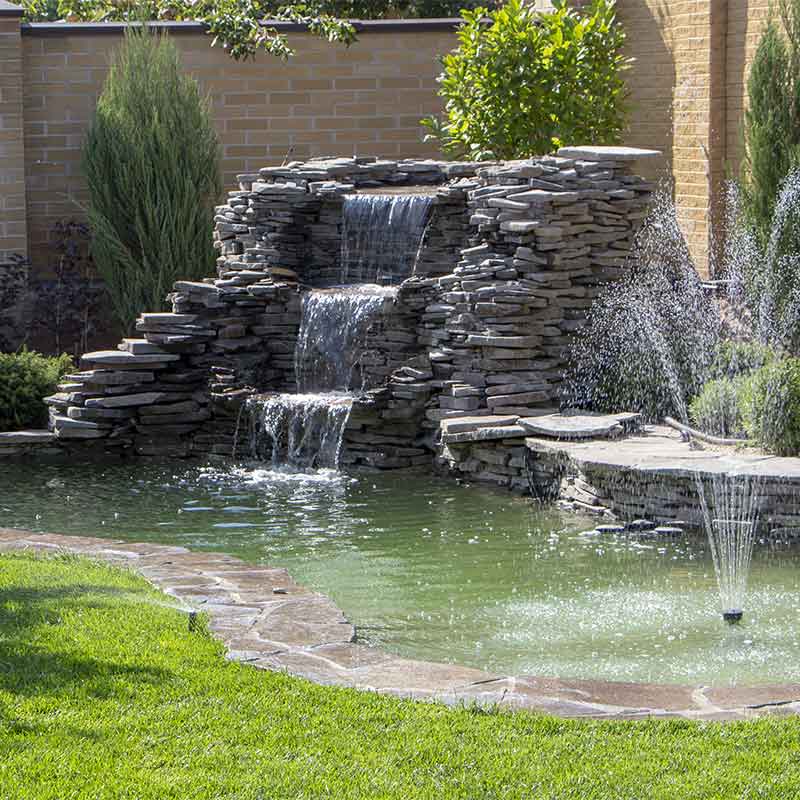
Image Source: www.solariverusa.com
The Heart of the Matter: The Submersible Pump
The submersible pump is the engine that drives your lawn water fountain. It’s typically located at the bottom of the fountain’s reservoir, submerged in the water it will be pumping. These pumps are designed to be completely underwater, which helps them stay cool and operate efficiently.
How the Submersible Pump Operates
- Water Intake: The pump has an intake port, usually covered by a filter to prevent debris from entering.
- Motor and Impeller: Inside the pump, an electric motor spins a small propeller-like device called an impeller.
- Generating Pressure: As the impeller spins, it forces water outwards, creating a low-pressure area at the center and a high-pressure area at the outlet. This pressure difference is what pushes the water upwards.
- Water Output: The pressurized water is then directed out of the pump and into the plumbing system that leads to the fountain nozzle.
Types of Submersible Pumps
There are several types of submersible pumps suitable for lawn water fountains:
- AC Pumps: These are the most common and require a standard electrical outlet. They are generally powerful and reliable.
- Solar-Powered Pumps: These pumps use solar panels to harness energy from the sun. They are eco-friendly but their performance can depend on sunlight availability.
- Battery-Operated Pumps: These can be convenient for locations without easy access to power, but they require regular recharging or battery replacement.
The Journey of Water: Plumbing and Water Flow
Once the submersible pump has done its job, the water embarks on a journey through the fountain’s plumbing. This system is designed to guide the water from the pump to the fountain nozzle and back into the reservoir.
The Plumbing Network
The plumbing in a lawn water fountain is usually quite simple:
- Tubing: Flexible, durable tubing connects the pump’s outlet to the base of the fountain structure or directly to the fountain nozzle. The diameter of the tubing is important; it affects water flow and the overall performance of the fountain.
- Connectors and Fittings: Various connectors and fittings are used to create a watertight seal and direct the water correctly.
Controlling Water Flow and Water Pressure
The amount of water flow and water pressure can be adjusted to create different fountain effects.
- Pump Capacity: The pump itself has a GPH (gallons per hour) rating, which indicates how much water it can move. Higher GPH generally means a stronger spray.
- Nozzle Design: Different fountain nozzle types create varied spray patterns. Some nozzles restrict water flow, creating a finer mist, while others allow for a more robust stream.
- Valves: Some sophisticated fountains include valves that allow manual adjustment of water flow and pressure, giving you control over the spray.
The Grand Finale: The Fountain Nozzle
The fountain nozzle is the creative element that shapes the water into the beautiful patterns we associate with water features. It’s the final point of egress for the water before it falls back into the reservoir.
How Fountain Nozzles Work
The design of the nozzle determines the spray pattern:
- Single Jet Nozzle: This is the simplest type, producing a straight, upward stream of water.
- Multi-Tiered Nozzles: These nozzles have multiple outlets at different heights, creating cascading or tiered spray effects.
- Bell Nozzles: These create a wide, conical spray, resembling a bell shape.
- Fan Nozzles: These produce a flat, fan-shaped spray.
- Aerating Nozzles: These nozzles introduce air into the water stream, creating a frothy, white spray that can be visually appealing and help with oxygenation.
Nozzles and Water Pressure
The fountain nozzle plays a crucial role in how the water pressure is experienced. A nozzle with a smaller opening will increase water pressure at the point of exit, resulting in a higher or more forceful spray. Conversely, a wider opening will reduce the velocity of the water, creating a gentler effect.
The Cycle Continues: Gravity and Reservoir
The water circulation in a fountain is a continuous loop, and two fundamental forces make this possible: gravity and the reservoir.
The Role of Gravity
Gravity is what brings the water back down to the reservoir after it’s been propelled upwards by the pump. The water, once it leaves the fountain nozzle, is subject to gravity’s pull. It falls back into the basin or pond, completing the circuit. This downward motion also helps to aerate the water and adds to the soothing sound of the fountain.
The Reservoir: The Fountain’s Foundation
The reservoir is the water-holding basin of the fountain. It can be anything from a small, self-contained unit within a decorative statue to a larger pond or pool.
- Water Storage: The reservoir stores the water that the submersible pump will draw from. It’s essential to ensure the reservoir is large enough to hold sufficient water, accounting for evaporation.
- Water Source: For the water circulation to continue, the pump must always have access to water. If the water level in the reservoir drops too low, the pump can become damaged. Many fountains have overflow mechanisms to prevent the reservoir from becoming completely empty during operation, especially in windy conditions or during hot weather when evaporation is high.
- Aesthetics: The reservoir is often an integral part of the fountain’s design, contributing to its overall visual appeal.
Beyond the Basics: Other Components and Considerations
While the pump, plumbing, nozzle, reservoir, and gravity are the core elements, several other factors contribute to a well-functioning lawn water fountain.
Electrical Connections and Safety
- Power Source: Most submersible pumps require a standard electrical outlet. It’s crucial to use a GFCI (Ground Fault Circuit Interrupter) protected outlet for safety, especially in outdoor environments where water and electricity can be a dangerous mix.
- Outdoor-Rated Cords: Ensure all electrical cords are specifically designed for outdoor use and are in good condition, free from any damage.
- Professional Installation: For larger or more complex fountains, professional installation might be necessary to ensure all electrical components are safely and correctly wired.
Water Treatment and Maintenance
- Algae Control: In sunny locations, algae can grow quickly in the water. Algae control solutions can be added to the reservoir to keep the water clear and healthy.
- Debris Removal: Regularly clean the pump’s intake filter and remove any leaves, twigs, or other debris that can clog the system and reduce water flow.
- Winterization: In colder climates, it’s important to winterize your fountain. This usually involves draining the reservoir, removing the pump, and storing it indoors to prevent freezing and damage.
Material Considerations
The materials used in a fountain’s construction can affect its durability and appearance:
- Concrete: Durable and can be molded into various shapes, but can be heavy.
- Fiberglass/Resin: Lightweight, durable, and can mimic the look of stone or metal.
- Metal (Copper, Bronze, Stainless Steel): Offer a classic look, but can be more expensive and may require specific maintenance to prevent corrosion.
- Ceramics/Pottery: Often used for smaller, decorative fountains.
The Sound of Water
The gentle sound of cascading water is a major appeal of water features. The height of the fall, the type of fountain nozzle, and the shape of the reservoir all influence the sound produced. Some people specifically choose fountains designed to create particular auditory experiences.
Fathoming Garden Fountain Mechanics: A Summary Table
To recap the key elements of garden fountain mechanics, let’s look at this table:
| Component | Function | Key Considerations |
|---|---|---|
| Submersible Pump | Moves water from the reservoir to the nozzle. | GPH (gallons per hour) rating, power source (AC, solar), reliability, intake filter. |
| Reservoir | Holds the water for circulation. | Size (consider evaporation), material, aesthetic integration, overflow mechanisms. |
| Plumbing | Channels water from the pump to the nozzle and back. | Tubing diameter, material (durability), secure fittings, potential for flow control valves. |
| Fountain Nozzle | Shapes the water into decorative spray patterns. | Design (jet, bell, multi-tier), material, impact on water pressure and flow, ease of cleaning/changing. |
| Gravity | Pulls water back down to the reservoir, completing the circulation loop. | Influences the sound and visual effect of falling water. |
| Water Pressure | The force with which water is propelled. Determined by pump strength and nozzle design. | Affects spray height, pattern, and overall visual impact. |
| Water Flow | The volume of water moving through the system per unit of time. Directly related to pump GPH and nozzle. | Impacts the fullness of the spray and the sound. Can be adjusted with valves or by changing the nozzle/pump. |
| Water Circulation | The continuous movement of water through the fountain system. | Essential for maintaining water quality, preventing stagnation, and creating the fountain’s dynamic effect. |
Frequently Asked Questions (FAQ)
How much electricity does a lawn water fountain use?
The electricity consumption of a lawn water fountain depends on the wattage of the submersible pump. Most small to medium-sized decorative fountains use pumps that range from 5 to 50 watts. For comparison, a typical 60-watt light bulb uses more electricity than most fountain pumps.
Can I use a regular household pump for my fountain?
No, it is not recommended to use a regular household pump. Submersible pumps designed for fountains are specifically built to operate submerged in water and are typically low-voltage or designed with safety features for outdoor use. Household pumps are usually designed for different applications and may not be watertight or safe for this purpose.
How often do I need to add water to my fountain?
The frequency of adding water depends on several factors, including the size of your reservoir, the ambient temperature, humidity, and wind conditions. Hot, dry, and windy weather will cause water to evaporate more quickly. You may need to top off the reservoir every few days or even daily during extreme weather. Checking the water level regularly is the best practice.
What happens if my fountain runs dry?
If the water level in the reservoir drops below the intake of the submersible pump, the pump can overheat and burn out. This is a common cause of pump failure. Always ensure the pump is fully submerged in water.
Can I put fish in a fountain with a pump?
It depends on the fountain’s size and the pump’s flow rate. Small fountains with low water flow might not provide enough aeration or space for fish. Larger fountains with robust water circulation and adequate depth can potentially support small fish like goldfish or koi, provided the pump’s impeller doesn’t pose a risk to them. It’s best to research the specific needs of fish and the capabilities of your fountain.
How do I clean my fountain?
Regular cleaning involves draining the reservoir, scrubbing away any algae or debris from the basin and fountain components, and cleaning the intake filter on the submersible pump. You can use a stiff brush and water, or mild, non-toxic fountain cleaners.
What is the average lifespan of a submersible pump?
The lifespan of a submersible pump can vary greatly depending on its quality, how often it runs, and how well it’s maintained. A good quality pump, properly maintained, can last anywhere from 3 to 10 years or even longer.