
So, you want to know how to kill stickers in your yard? You’re not alone! Many homeowners struggle with these prickly pests. The best way to tackle stickers in your yard involves a multi-pronged approach, combining physical removal with targeted treatment and ongoing prevention. Let’s dive into how you can get rid of sticker weeds for good.
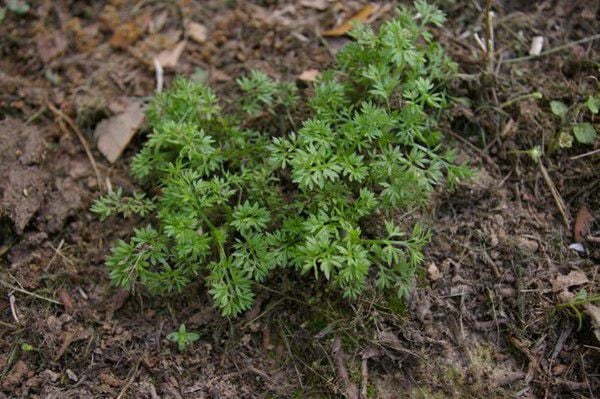
Image Source: bloximages.newyork1.vip.townnews.com
Deciphering the Sticker Problem: What Are These Prickly Pests?
Before we can effectively kill stickers, it’s crucial to identify what we’re dealing with. “Stickers” is a common term used for various plants that produce small, spiny fruits or seed pods that cling to clothing, pets, and anything else that brushes past them. The most notorious of these is often puncturevine (Tribulus terrestris), also known as goathead or devil’s thorn. These plants are low-growing annuals that spread horizontally, making them difficult to spot until you step on one.
Other plants that might be referred to as “stickers” include:
- Sandbur (Cenchrus spp.): A type of grass that produces spiny burrs.
- Bursage (Ambrosia spp.): Some species have spiny seed heads.
- Certain thistles: While often recognized by their larger spiny leaves, some thistles also produce smaller, sticker-like seed structures.
The common thread among all these is their tenacious ability to spread their seeds far and wide, thanks to those clinging, spiky fruits. This makes them a significant nuisance in lawns, gardens, and even sidewalks.
The Lifecycle of a Sticker Weed
To effectively remove stickers from your lawn and implement sticker weed control, it’s important to grasp their life cycle. Most common sticker weeds, like puncturevine, are annuals. This means they complete their entire life cycle – from seed germination to producing seeds – within a single growing season.
- Germination: Seeds typically germinate in warm soil, usually in late spring or early summer, when soil temperatures consistently reach a certain point.
- Growth: The plants spread low to the ground, developing a network of stems and leaves. They thrive in disturbed soil, compacted areas, and full sun.
- Flowering and Seed Production: Small, inconspicuous flowers appear, followed by the development of those infamous spiky seed pods (burrs). Each burr can contain multiple seeds, and a single plant can produce thousands of seeds.
- Maturity and Death: As temperatures cool in the fall, the plants mature and eventually die back. However, the seeds within the burrs remain viable in the soil for many years, ready to sprout the following season.
This understanding is key because it dictates the best times for treatment and removal. Targeting plants before they go to seed is paramount for breaking the cycle.
Strategies for Sticker Weed Control
Getting rid of sticker weeds requires a consistent and multi-faceted approach. There’s no single magic bullet, but by combining several methods, you can significantly reduce their presence and prevent future infestations.
1. Manual Removal: The Hands-On Approach
For small infestations or when you first notice sticker weeds, manual removal is an effective first step. This is a great way to get rid of sticker weeds before they have a chance to spread.
Pulling Stickers
- Timing is Key: The best time to pull sticker weeds is when the soil is moist. This makes it easier to remove the entire plant, including the root system.
- Use the Right Tools: Wear thick gardening gloves to protect your hands from the spines. For puncturevine, which has a taproot, a trowel or a weeding tool can help loosen the soil and extract the entire root.
- Get the Root: If you only pull the top part of the plant, it can often regrow. Focus on getting the entire root system out.
- Bag and Dispose: Carefully place the pulled weeds into a plastic bag and seal it tightly. This prevents any remaining seeds from scattering. Do not compost sticker weeds, as the seeds can survive and contaminate your compost.
Mowing
While mowing won’t kill mature sticker weeds with established burrs, it can be a part of a broader strategy.
- Pre-emptive Mowing: Mow before the sticker weeds go to seed. This can help weaken the plants and prevent seed production.
- Adjust Mowing Height: For your lawn, maintaining a slightly higher mowing height can help the grass better compete with low-growing weeds.
- Be Cautious: If sticker burrs are already present on the plants, mowing can actually break them up and spread them further. Always bag your clippings if you suspect seed heads are present.
2. Chemical Control: Choosing the Right Weed Killer for Stickers
When manual removal isn’t enough, or for larger infestations, chemical solutions can be effective sticker weed control. It’s important to choose the right weed killer for stickers and use it appropriately.
Pre-Emergent Herbicides
These herbicides are applied to the soil before weed seeds germinate. They create a barrier that prevents weed seedlings from establishing.
- How They Work: They disrupt the early growth stages of seedlings.
- Timing is Crucial: For puncturevine and other summer annual stickers, pre-emergents are typically applied in early spring, before soil temperatures get warm enough for germination.
- Application: Follow label instructions carefully. They are often applied as granules or liquids and may need to be watered in.
- Limitations: Pre-emergents won’t kill existing weeds. They only prevent new ones from growing.
Post-Emergent Herbicides
These herbicides are applied directly to actively growing weeds to kill them.
- Types of Post-Emergents:
- Non-Selective Herbicides (e.g., Glyphosate): These kill any plant they come into contact with. They are effective for killing sticker weeds but can also harm your desired lawn grass or plants if not applied carefully. Spot treatment is recommended.
- Selective Herbicides: These are designed to kill specific types of weeds without harming your lawn grass. Many broadleaf herbicides can be effective against dicotyledonous weeds like puncturevine. Look for products labeled for broadleaf weed control in turfgrass.
- Application Best Practices:
- Read the Label: Always read and follow the product label instructions precisely. This includes recommended application rates, timing, and safety precautions.
- Targeted Application: Spray directly onto the sticker weeds, ensuring good coverage of the leaves and stems.
- Wind Conditions: Avoid spraying on windy days to prevent drift onto desirable plants.
- Timing of Application: Apply when weeds are actively growing and before they produce seeds.
Table 1: Common Weed Killers for Stickers
| Herbicide Type | Active Ingredient Examples | Target Weeds | Best Use Case | Considerations |
|---|---|---|---|---|
| Pre-Emergent | Pendimethalin, Dithiopyr | Prevents seed germination | Preventing new sticker weeds from appearing | Apply in early spring, before germination. Won’t kill existing weeds. |
| Non-Selective | Glyphosate | All plants (non-selective) | Killing existing sticker weeds, spot treatment | Can harm lawn grass and desirable plants. Use with caution. |
| Selective Broadleaf | 2,4-D, MCPP, Dicamba | Broadleaf weeds | Killing broadleaf sticker weeds in lawns (e.g., puncturevine) | Choose products labeled for your specific turf type. Avoid on windy days. |
3. Natural Sticker Removal and Control
For those who prefer eco-friendly methods, there are natural ways to tackle sticker weeds. While often less potent than synthetic herbicides, they can be effective when used consistently.
Vinegar Solutions
- Horticultural Vinegar: Solutions with higher concentrations of acetic acid (10-20% horticultural vinegar) can act as a contact herbicide.
- How it Works: The acid burns the plant tissue on contact.
- Application: Spray directly onto the sticker weeds. It’s most effective on young, actively growing plants.
- Limitations: Vinegar is non-selective and can harm grass and other plants. It is most effective in hot, sunny weather and may require repeat applications. It tends to kill the top growth but may not always kill the roots of perennial sticker weeds.
Boiling Water
- Direct Application: Pouring boiling water directly onto sticker weeds can kill them on contact.
- Effectiveness: Similar to vinegar, it’s a contact killer and works best on young plants.
- Caution: Be extremely careful when handling boiling water to avoid burns. It will also kill any grass or desirable plants it touches.
Corn Gluten Meal
- Natural Pre-Emergent: Corn gluten meal is a natural byproduct of corn milling and acts as a pre-emergent by inhibiting root formation in germinating seeds.
- Application: Apply in early spring before weed seeds germinate.
- Benefits: It also acts as a natural fertilizer for your lawn.
- Limitations: Its effectiveness can be variable, and it needs to be applied at the correct time. It does not kill existing weeds.
4. Lawn Care for Stickers: Cultivating a Healthy Lawn
The best defense against any weed, including stickers, is a healthy, dense lawn. Proper lawn care for stickers involves creating an environment where grass can outcompete weeds.
Aeration and Dethatching
- Benefits: These practices improve air circulation, water penetration, and nutrient uptake in the soil. This leads to a stronger, healthier root system for your grass, making it more resilient to weed invasion.
- When to Do It: Aeration and dethatching are typically done in the fall or spring, depending on your grass type.
Proper Watering
- Deep and Infrequent: Water your lawn deeply but infrequently. This encourages grass roots to grow deeper, making the grass more drought-tolerant and better able to compete with shallow-rooted weeds.
- Avoid Overwatering: Overwatering can create conditions favorable for weed growth.
Fertilization
- Balanced Nutrition: Fertilize your lawn according to its specific needs and the type of grass you have. A well-nourished lawn is thicker and healthier, leaving less space for weeds to establish.
- Timing: Fertilize at the appropriate times of the year for your grass type.
Overseeding
- Filling Gaps: Overseeding your lawn in the fall or spring helps to thicken the turf and fill in any bare spots where weeds might otherwise take hold.
5. Weed Prevention Lawn Strategies
Preventing sticker weeds from establishing in the first place is the most effective long-term strategy. Weed prevention lawn practices focus on creating a robust turf that naturally suppresses weed growth.
Healthy Soil
- Soil Testing: Get your soil tested to determine its pH and nutrient levels. Amend the soil as needed to create an optimal growing environment for grass.
- Composting: Adding compost improves soil structure, drainage, and fertility.
Mulching (in Garden Beds)
- Smothering Weeds: In garden beds, a layer of mulch can help suppress weed growth by blocking sunlight.
- Types of Mulch: Organic mulches like wood chips or straw are beneficial for soil health.
Vigilance and Early Intervention
- Regular Inspections: Walk your yard regularly, especially during the growing season, to spot any emerging sticker weeds.
- Act Quickly: The sooner you catch and remove a weed, the easier it is to control and the less likely it is to spread its seeds.
Specific Sticker Weed Removal Techniques
Let’s get more granular on how to remove stickers from your lawn and implement sticker weed control for different types.
Treating Puncturevine (Goathead)
Puncturevine is one of the most common and troublesome “sticker” plants. Treating puncturevine requires persistence.
- Best Time for Control: Early spring (pre-emergent) and late spring/early summer (post-emergent).
- Mechanical Removal: Digging out the entire plant, including the taproot, is very effective for small infestations. Do this before the plant flowers and produces burs.
- Chemical Control:
- Pre-emergent: Apply a pre-emergent herbicide in early spring. Look for products containing dithiopyr or pendimethalin.
- Post-emergent: Spot treat actively growing puncturevine with a broadleaf herbicide. Glyphosate can also be used for spot treatment, but be aware it will kill grass.
- Cultural Control: Maintain a dense, healthy lawn. Puncturevine thrives in thin turf and disturbed soil.
Controlling Sticker Burrs (Sandbur)
Sandbur is a grassy weed that produces spiny burs. Controlling sticker burrs can be trickier as it’s a grass itself.
- Identification: Recognize sandbur by its flattened growth habit and distinctive spiny seed heads.
- Mechanical Removal: For individual plants, digging them out is effective. Ensure you get the root system.
- Chemical Control:
- Pre-emergent: Apply a pre-emergent herbicide in early spring, before the seeds germinate. Look for products labeled for grassy weed control.
- Post-emergent: There are limited selective post-emergent options for controlling sandbur in established lawns without harming the desirable grass. Some products containing quinclorac or fenoxaprop can be effective, but always check the label for grass compatibility. Glyphosate can be used for spot treatment but will kill the surrounding grass.
- Cultural Control: Healthy, dense turf is key. Aeration and proper fertilization help grass outcompete sandbur.
Sticker Vine Removal
Some plants are more vine-like and can spread extensively. Sticker vine removal often involves a combination of pulling and smothering.
- Identification: Identify the specific type of sticker vine.
- Manual Pulling: For smaller vines, pull them out by hand or with a trowel, ensuring you get as much of the root system as possible.
- Smothering: In garden beds, you can try smothering the vines with thick layers of mulch or landscape fabric.
- Chemical Control: For persistent sticker vines, a systemic herbicide (like glyphosate) applied to the foliage might be necessary. Repeat applications may be needed.
Maintaining Your Sticker-Free Yard
Once you’ve successfully managed your sticker weed problem, the focus shifts to weed prevention lawn strategies and ongoing maintenance.
Regular Lawn Maintenance
- Mow at the Right Height: Keep your mower blades sharp and mow at the recommended height for your grass type. This promotes deeper root growth.
- Water Wisely: Stick to deep, infrequent watering.
- Fertilize Appropriately: Feed your lawn what it needs, when it needs it.
- Aerate and Dethatch: Perform these tasks annually or as needed to keep your soil healthy.
Seasonal Vigilance
- Spring: Apply pre-emergent herbicides if you have a history of sticker weeds. Inspect for early growth and pull any strays.
- Summer: Monitor for new weed growth, especially after rain. Spot treat as needed.
- Fall: Overseed thin areas of your lawn. Continue to pull any weeds that pop up.
- Winter: Plan for the next growing season. Consider soil testing and researching new prevention methods.
Frequently Asked Questions About Sticker Removal
Q1: How can I quickly get rid of stickers in my lawn?
A1: For quick removal of existing stickers, manual pulling (especially after rain) or spot treatment with a post-emergent herbicide is most effective. Ensure you remove the entire plant, including the root, to prevent regrowth.
Q2: Are there natural ways to kill stickers?
A2: Yes, natural methods include using horticultural vinegar or boiling water as contact killers, and applying corn gluten meal as a pre-emergent. These methods are generally less potent but can be effective with consistent application.
Q3: What is the best time to treat stickers?
A3: The best time to treat stickers depends on the method. Pre-emergent herbicides are best applied in early spring before seeds germinate. Post-emergent herbicides are most effective when applied to young, actively growing weeds before they produce seeds. Manual removal is also best done before seed set.
Q4: Can I use household vinegar to kill stickers?
A4: Household vinegar (5% acetic acid) can kill very young, small sticker weeds on contact, but it is often not strong enough to kill larger plants or their root systems. Horticultural vinegar (10-20% acetic acid) is more effective but still primarily a contact killer.
Q5: How do I prevent stickers from coming back next year?
A5: Effective weed prevention lawn strategies are key. This includes maintaining a healthy, dense lawn through proper mowing, watering, and fertilization. Applying pre-emergent herbicides in the spring and diligently removing any weeds that appear before they go to seed will also significantly reduce future infestations.
Q6: What if stickers are on my pet?
A6: If stickers are on your pet’s fur, wear gloves and carefully try to remove them. For burrs stuck deep in the fur or near the skin, it might be best to use a comb or even trim the affected fur. Be gentle to avoid hurting your pet. If you can’t remove them easily or if your pet seems irritated, consult your veterinarian.
By implementing these comprehensive strategies, you can effectively tackle existing sticker weeds and establish robust weed prevention lawn practices for a healthier, more enjoyable yard. Remember, consistency is your greatest ally in the ongoing battle against these prickly pests.