
Do you have moths in your lawn? Yes, it’s possible to have moths in your lawn. While we often associate moths with indoor problems like pantry pests or clothing damage, certain species also target our outdoor green spaces. These lawn moths, and more importantly, their larvae (caterpillars), can cause significant grass damage. So, how do you get rid of moths in your lawn naturally and safely? The key lies in identifying lawn moths, understanding their life cycle, and employing natural, safe control methods focused on their larvae.
Lawn moths themselves are usually nocturnal and attracted to light. They are rarely the direct culprits of visible lawn damage. The real trouble makers are the moth larvae treatment is often focused on. These hungry caterpillars chew on grass blades and roots, leading to patches of brown, thinning, or even dead grass. This grass damage can spread quickly, turning your beautiful lawn into an unsightly mess. Effective lawn grub control is a broad term that can encompass moth larvae as well, as both are common culprits for lawn damage.
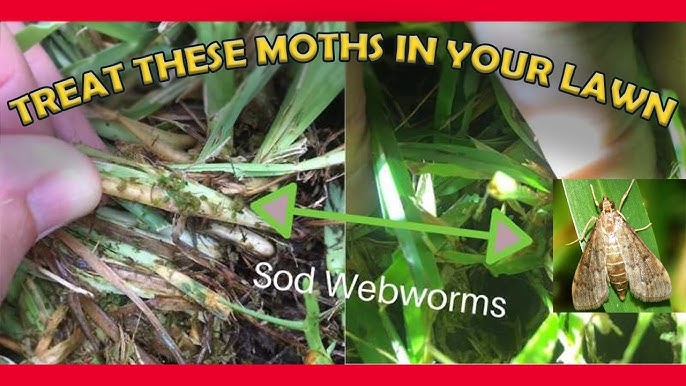
Image Source: i.ytimg.com
Deciphering Lawn Moths and Their Impact
Before you can effectively combat them, you need to know what you’re dealing with. Identifying lawn moths is the first step in a successful organic lawn care strategy.
What Are Lawn Moths?
Lawn moths are a diverse group of insects belonging to the order Lepidoptera, just like their indoor-dwelling cousins. However, their habits and preferred food sources differ. Instead of fabrics or stored foods, many lawn moth species lay their eggs on or near grass blades. The resulting larvae, often referred to as armyworms, cutworms, or sod webworms, are the primary cause of damage.
Common Types of Lawn Moths and Their Larvae:
- Sod Webworms: These are perhaps the most common culprits in many regions. Adult sod webworms are small, buff-colored moths that fly low over the lawn at dusk. Their larvae are small, cylindrical caterpillars that feed on grass blades. They create silken tunnels just below the surface of the soil or in the thatch layer, which they retreat into during the day.
- Armyworms: These larvae are notorious for their rapid feeding and tendency to move in large groups, hence the name “armyworm.” They can defoliate large areas of lawn quickly. Adult armyworms are usually grayish or brownish moths.
- Cutworms: These are plump, often dark-colored caterpillars that feed at night. They are known for “cutting” young plants off at the soil line, but in lawns, they typically feed on grass blades and roots.
Recognizing the Signs of Infestation
The presence of adult moths might be subtle, but the damage they cause is not. Keeping an eye out for specific signs can help you catch an infestation early.
Indicators of Moth Larvae Activity:
- Brown Patches: Irregular brown or yellowish patches that enlarge over time are a classic sign. These areas might resemble drought stress, but they won’t improve with watering.
- Thinning Grass: The overall density of your lawn might decrease, with individual grass blades appearing chewed or ragged.
- Visible Caterpillars: In severe infestations, you might see the actual caterpillars on the lawn surface, especially in the early morning or late evening.
- Bird Activity: An increase in bird activity on your lawn can indicate they are feeding on caterpillars.
- Silken Tunnels (Sod Webworms): You might notice small, silken tubes or tunnels in the thatch layer, often marked by small piles of sawdust-like frass (insect droppings).
The Life Cycle of Lawn Moths
Comprehending the moth life cycle is crucial for effective moth larvae treatment. Most moths have a four-stage life cycle: egg, larva (caterpillar), pupa, and adult.
- Eggs: Adult female moths lay their eggs on grass blades or in the thatch. The number of eggs and the incubation period vary depending on the species and environmental conditions.
- Larvae (Caterpillars): This is the feeding stage. Caterpillars hatch and begin consuming grass. They molt several times as they grow. This stage is responsible for the visible grass damage.
- Pupa: Once fully grown, the caterpillar forms a pupa, often in the soil or thatch. This is a resting stage where the transformation into an adult moth occurs.
- Adult Moth: The adult moth emerges, mates, and the cycle begins again. Adult moths typically do not feed on grass and are primarily focused on reproduction. Their lifespan is generally short, only a few weeks.
Different species have different numbers of generations per year. Some might have one or two generations, while others can have three or more, meaning you could be dealing with intermittent damage throughout the growing season.
Natural and Safe Moth Control Strategies
When you discover a caterpillar infestation in your lawn, you want solutions that are effective but also safe for your family, pets, and the environment. This is where organic lawn care principles shine.
Cultural Practices for Prevention and Control
The foundation of natural pest management lies in promoting a healthy lawn that is naturally more resistant to pests.
Enhancing Lawn Health:
- Proper Mowing: Mow your grass at the higher recommended height for your grass type. Taller grass shades the soil, which can deter female moths from laying eggs and makes the environment less hospitable for some larvae.
- Adequate Watering: Water your lawn deeply and less frequently. This encourages deep root growth, making the grass more resilient. In some cases, overwatering can make the soil too moist for certain larvae to thrive, but it’s essential not to overdo it to the point of promoting fungal diseases.
- Aeration: Aerating your lawn improves soil structure and drainage, which can help reduce thatch buildup and create a less favorable environment for larvae overwrought wintering.
- Dethatching: A thick thatch layer provides a perfect habitat for many lawn insect pests, including moth larvae. Regularly dethatching your lawn can significantly reduce their populations.
Biological Control Agents
Nature provides its own arsenal against pests. Introducing or encouraging beneficial organisms can be highly effective.
Beneficial Nematodes:
These microscopic roundworms are natural parasites of many soil-dwelling insects, including moth larvae. When applied to the soil, they actively seek out and infect their prey.
- How they work: Nematodes enter the insect’s body through natural openings and release bacteria that quickly kill the host.
- Application: They are typically applied as a liquid drench to the soil. It’s important to apply them when the soil is moist and the larvae are present and active.
- Types: Look for species like Heterorhabditis bacteriophora (Hb nematodes) or Steinernema feltiae (Sf nematodes), which are effective against grubs and other soil-dwelling larvae.
Bacillus thuringiensis (Bt):
Bt is a naturally occurring soil bacterium that produces toxins harmful to the larvae of certain insects, including moth caterpillars.
- How it works: When caterpillars ingest Bt, the toxins disrupt their digestive system, leading to starvation and death. It’s specific to certain insect groups, meaning it’s generally safe for beneficial insects, pets, and humans.
- Application: Bt is usually applied as a spray or dust to the affected areas of the lawn. For best results, apply when caterpillars are actively feeding and are young.
- Types: Different strains of Bt target different insects. Look for strains effective against caterpillars.
Beneficial Fungi:
Certain fungi, like Beauveria bassiana, can also infect and kill insect larvae.
- How they work: The fungal spores attach to the insect’s exoskeleton, germinate, and then penetrate the body, growing inside and eventually killing the host.
- Application: These are typically applied as sprays. They work best in humid conditions.
Mechanical and Physical Control Methods
Sometimes, direct intervention can be effective, especially for localized infestations.
Watering:
While not always the primary solution, sometimes a good soaking of the affected area can encourage larvae to move closer to the surface. This can make them more vulnerable to predators.
- Method: Water the brown patches heavily in the late afternoon or early evening.
- Follow-up: The moisture may drive the caterpillars to the surface, making them easier for birds to find and eat.
Manual Removal:
For smaller, localized infestations, you can physically remove the caterpillars.
- Method: Go out at night with a flashlight and carefully pick the caterpillars off the grass. Dispose of them in a bucket of soapy water.
Natural Moth Repellents and Deterrents
While direct control of larvae is key, you can also make your lawn less attractive to egg-laying moths.
Botanical Repellents:
Certain plant-derived substances are known to deter moths and other insects.
-
Neem Oil: Derived from the neem tree, neem oil is a broad-spectrum natural pesticide. It acts as an antifeedant, growth regulator, and repellent.
- How it works: When applied to plants, it interferes with insect hormones and makes the plant tissue unpalatable or toxic to them.
- Application: Mix with water and a mild soap as an emulsifier, then spray on the lawn. Apply in the early morning or late evening to avoid scorching the grass.
-
Garlic and Pepper Sprays: Homemade sprays can also be effective deterrents.
-
Ingredients: Blend garlic cloves and hot peppers with water, strain, and add a little mild soap.
- Application: Spray on the lawn. The strong odor can repel adult moths.
Companion Planting (Indirect Effect):
While not directly applied to the lawn, planting certain herbs around the perimeter of your lawn or garden beds can help deter moths from venturing into your yard. Plants like rosemary, thyme, sage, and mint are known for their repellent qualities.
Dealing with Severe Infestations: When to Call the Professionals
Sometimes, despite your best efforts, the infestation can become overwhelming. In these cases, professional lawn pest control might be necessary.
When Professional Help is Warranted
- Widespread Damage: If large portions of your lawn are affected and the grass is dying rapidly.
- Failed DIY Attempts: If you’ve tried natural methods consistently without seeing significant improvement.
- Identification Challenges: If you’re unsure of the specific pest and need expert diagnosis.
What Professionals Offer
Professional lawn care services have access to a wider range of treatments, including organic and integrated pest management (IPM) options. They can accurately identify the specific lawn insect pests and tailor a treatment plan. They also have the equipment and expertise to apply treatments safely and effectively, ensuring minimal impact on the environment and non-target organisms.
Preventing Moth Eggs: Proactive Lawn Care
The best defense against moth larvae is to prevent the problem from starting in the first place by preventing moth eggs.
Regular Lawn Inspection
Make it a habit to inspect your lawn regularly, especially during the peak seasons for moth activity (typically late spring through summer). Look for the signs of infestation mentioned earlier.
Maintaining a Healthy Thatch Layer
As mentioned, a thick thatch layer is an invitation for many lawn pests.
- Action: Aerate and dethatch your lawn annually or as needed to keep the thatch layer at a manageable level (no more than ½ inch).
Proper Watering and Fertilization
A strong, healthy lawn is less susceptible to pest damage.
- Action: Follow a balanced fertilization program appropriate for your grass type. Avoid over-fertilizing, which can sometimes lead to lush, tender growth that attracts pests. Ensure proper watering to keep your grass healthy and resilient.
Reducing Outdoor Lighting
Adult moths are attracted to light.
- Action: Minimize the use of outdoor lighting at night, especially near your lawn. If you must use lights, consider using yellow or sodium vapor bulbs, which are less attractive to insects than white incandescent lights.
Frequently Asked Questions About Lawn Moths
Q1: Can I use diatomaceous earth for moth larvae in my lawn?
A1: Food-grade diatomaceous earth can be used as a natural insecticide. It works by abrading the exoskeleton of crawling insects, causing them to dehydrate. While it can be effective against some crawling larvae, it’s important to apply it when the soil is dry, as moisture reduces its effectiveness. Reapplication may be necessary after rain or watering. Ensure you use food-grade DE, as industrial grades can be harmful.
Q2: How do I know if it’s moths causing my lawn damage, or something else like grubs?
A2: Differentiating between different types of lawn grub control issues can be tricky. Grubs are beetle larvae that feed on grass roots, often causing the lawn to lift up like a carpet. Moth larvae (caterpillars) typically feed on grass blades, causing chewed or ragged appearances and brown patches. Observing the type of damage and, if possible, finding the culprits (caterpillars on blades, grubs in soil) will help with accurate identification. A professional can also help diagnose the issue.
Q3: Are natural moth repellents safe for my pets and children?
A3: Generally, natural moth repellents and treatments like Bt, beneficial nematodes, and botanical oils (like neem oil, when used as directed) are considered safer than synthetic pesticides. However, it’s always wise to follow product instructions carefully, keep pets and children away from treated areas until the product has dried or settled, and avoid direct contact with the eyes or skin.
Q4: How long does it take to get rid of moths and their larvae naturally?
A4: Natural methods often take longer to show significant results compared to synthetic chemicals. It can take several weeks or even a full season to bring an infestation under control, especially if it’s severe. Patience and consistent application of treatments are key.
Q5: Is it necessary to treat for adult moths, or just the larvae?
A5: For lawn damage, the focus is almost always on the moth larvae treatment. Adult moths are typically short-lived and primarily reproduce. While some deterrents can make your lawn less attractive to them for egg-laying, directly targeting the caterpillars is the most effective way to stop the damage.
By adopting a proactive approach, focusing on lawn health, and utilizing safe, natural control methods, you can effectively manage moth infestations and keep your lawn looking its best. Remember, a healthy lawn is your best defense against a wide range of lawn insect pests.