
Image Source: cdn11.bigcommerce.com
How Can I Keep Geese Off My Lawn: Expert Advice
Can you keep geese off your lawn? Yes, you can effectively keep geese off your lawn using a combination of strategies. These range from simple deterrents to more permanent solutions, all aimed at making your yard less appealing to these waterfowl.
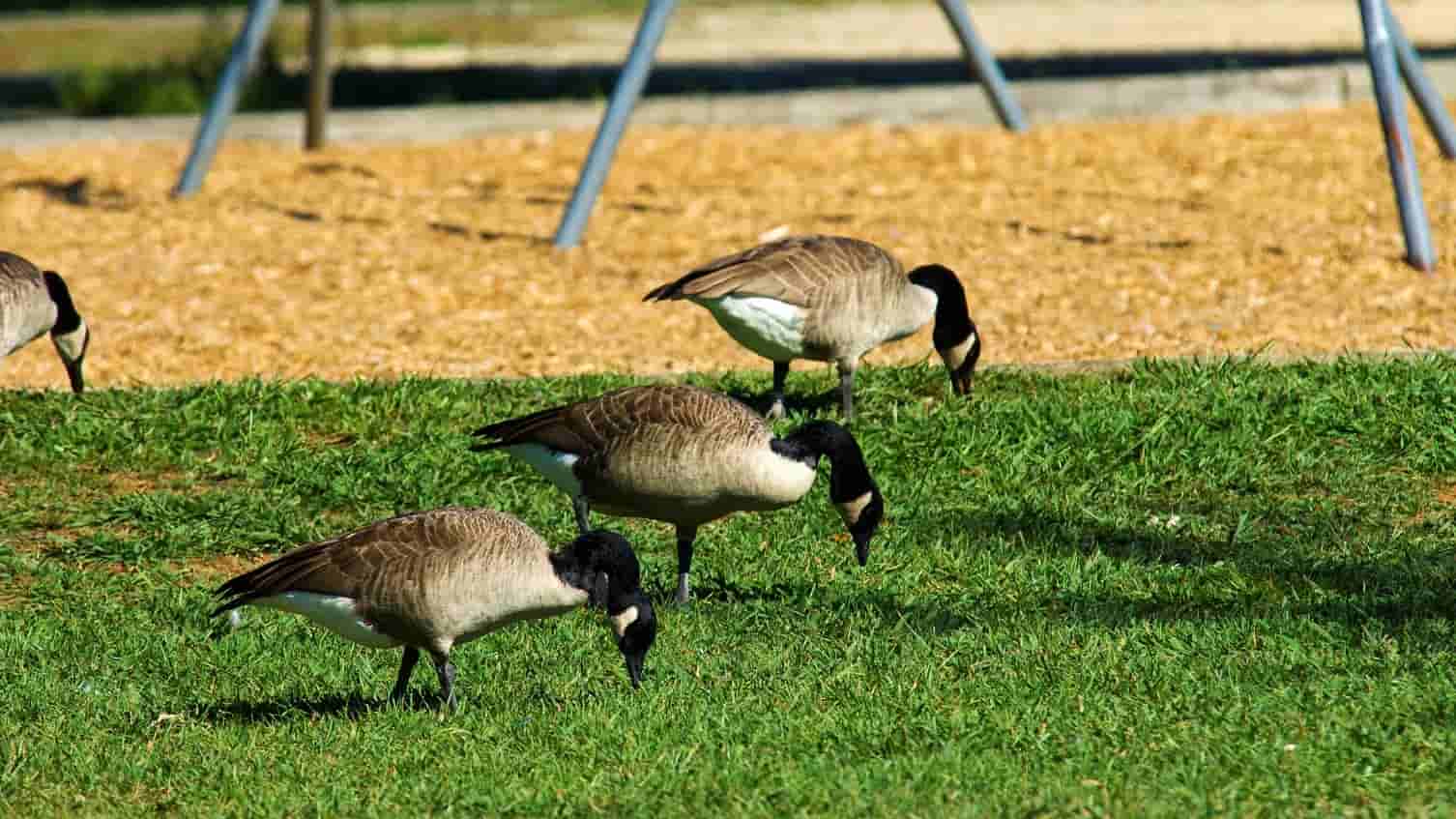
Geese love lush, green lawns, especially near water sources. This makes residential yards a prime target for grazing, leading to unsightly droppings and damaged grass. Fortunately, you don’t have to resort to harsh methods to manage these feathered visitors. This guide will walk you through expert-approved techniques for goose control methods and lawn care for geese, helping you to deter geese and prevent geese from landing on your property.
Why Do Geese Choose Your Lawn?
Geese are attracted to lawns for several key reasons:
- Abundant Food Source: The short, tender grass found on well-maintained lawns is a preferred food for geese eating grass.
- Proximity to Water: Geese need water for drinking, bathing, and protection. Lawns near ponds, lakes, or even swimming pools are particularly attractive.
- Lack of Predators: Suburban and urban environments often lack natural predators that would normally keep goose populations in check.
- Comfort and Safety: Open, grassy areas provide a sense of security and visibility, allowing geese to spot danger from a distance.
Effective Goose Repellent Strategies
When looking for goose repellent, it’s important to consider a variety of approaches, as no single method works for every situation. Combining different tactics often yields the best results.
Visual Deterrents
Visual cues can be surprisingly effective in startling geese and making them think twice about landing or grazing.
- Predator Decoys:
- Owl and Hawk Decoys: Realistic-looking decoys of natural predators can scare geese. However, geese are intelligent and can become accustomed to stationary decoys. It’s best to move them around your yard every few days to maintain their effectiveness.
- Scarecrows: Similar to predator decoys, traditional scarecrows can work, but their impact diminishes over time.
- Reflective Objects:
- Shiny Tapes and Pinwheels: Mylar tape, old CDs, or shiny pinwheels hung on stakes can reflect sunlight, creating flashes that startle geese.
- Floating Devices: For lawns bordering water, floating Mylar balloons or other reflective objects on the water can prevent geese from landing.
Auditory Deterrents
Sound can also be a powerful tool to keep geese away.
- Ultrasonic Devices: These devices emit high-frequency sounds that are unpleasant for geese but generally inaudible to humans and pets. Place them strategically around your lawn.
- Noise Makers: While less subtle, devices that create sudden noises, like air horns or sonic cannons, can scare geese. Use these judiciously to avoid disturbing neighbors.
- Recorded Predator Sounds: Some systems play recorded sounds of geese in distress or predator calls, which can be effective.
Physical Barriers
Creating physical barriers is a surefire way to deter geese from accessing your lawn.
- Fencing:
- Traditional Fencing: While effective, tall fences can be unsightly and impractical for many homeowners.
- Low Fencing: A simple wire fence, about 1-2 feet high, around the perimeter of your lawn can deter geese from walking onto it.
- Submerged Fencing: For properties with water access, installing a fence a few feet into the water can prevent geese from landing.
- Netting: Bird netting can be used over specific areas, like vegetable gardens, but it can be a hazard for smaller birds if not installed carefully.
- Dog Patrol: A well-trained dog can be a highly effective deterrent. The mere presence of a dog can make geese feel unsafe.
Taste and Scent Deterrents
These methods aim to make the grass itself unappealing.
- Repellent Sprays:
- Commercial Goose Repellents: Many commercial sprays are available that contain ingredients like methyl anthranilate, a grape-derived compound that irritates geese’s senses. These require regular reapplication, especially after rain.
- Homemade Goose Repellent: While less tested, some people have success with mixtures of water, garlic, and chili powder sprayed on the grass. However, effectiveness can vary, and it may require frequent reapplication. It’s important to test on a small area first to avoid damaging your lawn.
- Odor Repellents: Certain strong smells can deter geese. Essential oils like peppermint or eucalyptus are sometimes used, but their effectiveness is often short-lived.
Humane Goose Deterrents: Focusing on Natural Methods
When seeking to deter geese, prioritizing humane options is key for many homeowners. These methods focus on making your property less attractive without causing harm.
Habitat Modification
Changing your lawn’s environment can make it less hospitable for geese.
- Mow Your Lawn Shorter: Geese prefer short, tender grass. Keeping your lawn slightly longer (3-4 inches) can make it less appealing.
- Reduce Water Access: If possible, limit access to ponds or standing water. Drainage improvements can help.
- Remove Food Sources: Ensure there are no spilled birdseed or other food sources that might attract geese.
- Plant Native Vegetation: Certain plants, like tall grasses or shrubs, can create less desirable foraging areas for geese and may offer cover for their predators.
Goose-Proofing Your Yard: A Comprehensive Approach
Goose proofing your yard involves a multi-faceted strategy that combines several of the methods mentioned above. The goal is to create an environment that is inconvenient, uncomfortable, or unsafe for geese.
Lawn Care for Geese: Making Your Grass Less Attractive
The way you manage your lawn plays a significant role in its appeal to geese.
- Grass Height: As mentioned, keeping grass at a moderate height discourages geese. Regularly mowing your lawn to a consistent, slightly longer length makes it less appealing for grazing.
- Fertilization and Watering: While healthy grass is generally good, over-fertilizing can lead to an excessively lush growth that attracts geese. Balance your lawn care practices.
- Aeration and Dethatching: These practices improve soil health and grass density, which can make it harder for geese to pull up grass by the roots.
Creating Barriers
Physical barriers are often the most effective long-term solution.
- Border Plantings: Planting dense shrubs or hedges along the edges of your lawn, especially near water, can deter geese from entering.
- Low-Level Fencing: As discussed, a simple, low fence can make it difficult for geese to walk onto your lawn.
Introducing Natural Predators (Safely)
- Dogs: The presence of a dog, even if not actively chasing them, can be a powerful deterrent.
- Visual Predator Decoys: Remember to move these regularly.
Regular Maintenance
Consistent effort is crucial. Geese can adapt to static deterrents, so rotating methods and staying vigilant is key to successful goose control methods.
Homemade Goose Repellent Recipes and Considerations
For those looking for homemade goose repellent, several common ingredients are often suggested. However, it’s crucial to approach these with realistic expectations regarding their efficacy and potential impact on your lawn.
Common Ingredients and How to Use Them
- Garlic Spray:
- Recipe: Blend a whole head of garlic with water and a few drops of dish soap. Let it steep for a day, then strain and spray.
- Why it might work: The strong scent of garlic can be unpleasant for geese.
- Considerations: Requires frequent reapplication, especially after rain or watering. Can be labor-intensive.
- Chili Pepper Spray:
- Recipe: Mix cayenne pepper or hot sauce with water and a drop of dish soap.
- Why it might work: The capsaicin irritates their eyes and mouth.
- Considerations: Can also irritate human eyes and skin, so handle with care. May require testing on a small lawn area to ensure it doesn’t burn the grass.
- Vinegar Solution:
- Recipe: Dilute white vinegar with water (e.g., 1 part vinegar to 4 parts water).
- Why it might work: The strong smell can be a deterrent.
- Considerations: Vinegar is acidic and can damage grass if used in high concentrations or too frequently.
Effectiveness and Limitations of Homemade Solutions
While these homemade goose repellent options can offer a temporary solution, they are generally less effective and shorter-lasting than commercial products. Their success often depends on the specific goose population and environmental conditions.
- Frequency of Application: Expect to reapply these solutions much more often than commercial products.
- Lawn Health: Be cautious, as some ingredients can harm your grass.
- Consistency: Geese are smart and will adapt. A varied approach is always better.
Commercial Goose Deterrents: What to Look For
When opting for commercial goose deterrents, you’ll find a wide range of products designed to make your lawn unappealing to geese.
Types of Commercial Goose Repellents
- Liquid Sprays: These are applied directly to the grass and often contain methyl anthranilate or other natural compounds that create an unpleasant taste or sensation for geese.
- Brands to Consider: Goose Out, Goose Getter, Goose B Gone.
- Application: Follow product instructions carefully for dilution and application rates. Reapplication is typically needed every 2-4 weeks, or after rain.
- Granular Repellents: These are spread on the lawn like fertilizer. They often contain essential oils or other scents that geese dislike.
- Visual and Auditory Devices: As mentioned earlier, commercial versions of predator decoys, sonic emitters, and reflective tape are available.
Key Factors When Choosing a Commercial Product
- Ingredients: Look for EPA-approved products and those with natural active ingredients if you have concerns about chemicals. Methyl anthranilate is generally considered safe and effective.
- Durability: Consider how long the repellent lasts and how often it needs to be reapplied.
- Application Method: Some are easy to spray, while others require more effort.
- Cost: Compare prices and consider the overall cost-effectiveness over a season.
Advanced Goose Control Methods
For more persistent goose problems, consider these advanced techniques.
Goose Trapping and Relocation
While often handled by professional wildlife removal services, trapping can be an option.
- Legality: It is crucial to check local regulations. Trapping and relocating wildlife may require permits and specific methods to ensure the animal’s safety and well-being.
- Effectiveness: Can be very effective for reducing numbers, but it’s a temporary solution if the attractants on your property remain.
Sonic and Ultrasonic Systems
These systems are designed for larger areas and can offer continuous protection.
- How They Work: They emit specific frequencies of sound to create an uncomfortable environment for geese.
- Placement: Proper placement is key to covering the desired area effectively.
Hazing and Professional Services
- Human Hazing: This involves actively scaring geese away with loud noises, waving arms, or dogs. It’s a labor-intensive approach.
- Professional Services: Wildlife control companies offer comprehensive solutions, including habitat modification, deterrent installation, and hazing. They have the expertise and resources to manage goose populations effectively and humanely.
Integrating Deterrents: A Layered Approach
The most successful goose control methods involve layering different deterrents. For example:
- Start with Habitat Modification: Mow your lawn to a slightly longer height, remove any attractants.
- Implement Visual Deterrents: Place predator decoys and reflective tape strategically.
- Use Repellent Sprays: Apply a commercial goose repellent to the grass, especially around the perimeter.
- Consider Physical Barriers: If feasible, install low fencing or dense plantings.
- Maintain Consistency: Regularly check and reapply deterrents, move decoys, and monitor your lawn.
This layered strategy creates a more robust defense, making it less likely for geese to become accustomed to any single deterrent and more likely to seek out an easier, more comfortable habitat.
Table: Goose Deterrent Comparison
| Deterrent Type | Effectiveness | Durability | Cost Range (Low to High) | Humane? | Notes |
|---|---|---|---|---|---|
| Visual Decoys | Moderate | Low | $ | Yes | Needs frequent repositioning to remain effective. Geese can habituate. |
| Reflective Tapes/Objects | Moderate | Low to Moderate | $ | Yes | Good for deterring landing near water. Wind and weather can affect them. |
| Ultrasonic Devices | Moderate | High | $$ – $$$ | Yes | Effectiveness varies by brand and installation. May not work on all geese. |
| Repellent Sprays | Moderate | Low to Moderate | $$ | Yes | Requires regular reapplication, especially after rain. |
| Fencing (Low) | High | High | $$ | Yes | Practical for smaller areas. Can be visually unappealing for some. |
| Dog Patrol | High | Variable | $ (if you have a dog) | Yes | Requires an active, trained dog. Not passive. |
| Habitat Modification | Moderate | High | $ | Yes | Long-term strategy. Reduces overall attractiveness. |
Frequently Asked Questions About Keeping Geese Off Your Lawn
Q1: How quickly can I expect to see results?
Results vary depending on the methods used and the goose population in your area. Some deterrents, like visual scares, may have an immediate effect, while others, like habitat modification or repellent sprays, build effectiveness over time with consistent application.
Q2: Are commercial goose repellents safe for my pets and children?
Many commercial goose repellents use natural ingredients like methyl anthranilate, which are generally considered safe for pets and children when used according to label directions. Always read and follow the product instructions carefully and keep pets and children away from treated areas until the spray has dried.
Q3: Will goose droppings harm my lawn?
While goose droppings are unsightly and can spread bacteria, they are not typically harmful to the lawn itself. However, excessive amounts can smother grass. The main issue is the volume and frequency of droppings, which indicate an attraction to your yard.
Q4: Can I feed geese if I also try to keep them off my lawn?
No, feeding geese will counteract your efforts to deter them. Geese are more likely to stay in areas where they are fed regularly. Even accidental feeding from bird feeders can attract them.
Q5: What if the geese are already nesting on my property?
If geese have already established a nest, it’s best to consult with local wildlife authorities or a professional wildlife control service. Disturbing nesting birds is often illegal and can be dangerous. Professionals can advise on humane methods for discouraging nesting or relocating existing nests according to regulations.
Q6: How can I prevent geese from landing on my pond or lawn near the water?
To prevent geese from landing on water, consider floating deterrents like Mylar balloons or installing submerged fencing a few feet into the water along the edge of your property. Regular hazing with dogs or visual deterrents along the shoreline can also be effective.
Q7: Are there any DIY methods that are truly effective for goose control?
While some DIY methods like garlic or chili sprays might offer temporary relief, their effectiveness is often limited and short-lived. For more reliable and long-term solutions, consider commercial products or physical barriers as part of your goose proofing your yard strategy.
Q8: What is the best way to start goose proofing my yard?
The best starting point is to assess why geese are attracted to your yard (food, water, shelter) and then implement a layered approach. Begin with habitat modification (mowing height, removing attractants), then add visual deterrents, and consider a commercial repellent. Consistency is key.
By implementing these expert-advised strategies, you can effectively manage goose populations and reclaim your pristine lawn. Remember, patience and persistence are your best allies in this ongoing battle against uninvited waterfowl guests.