
Imagine a time before noisy power tools. When a skilled craftsperson could shape wood with just a steady hand and a sharp blade. That’s the magic of a hand saw. But walk into any hardware store, and you’re met with a dizzying array of them. Which one is best for cutting that fence post? Or for making precise cuts for a birdhouse? Choosing the right hand saw can feel overwhelming, leaving you frustrated and unsure if you’re holding the right tool for the job.
Don’t worry, we’re here to help! This guide will cut through the confusion. We’ll explore the different types of hand saws and what makes each one special. You’ll learn how to pick the perfect saw for your project, whether you’re a beginner or looking to add to your collection. By the end, you’ll feel confident in your choice, ready to tackle any woodworking task with the right tool in hand.
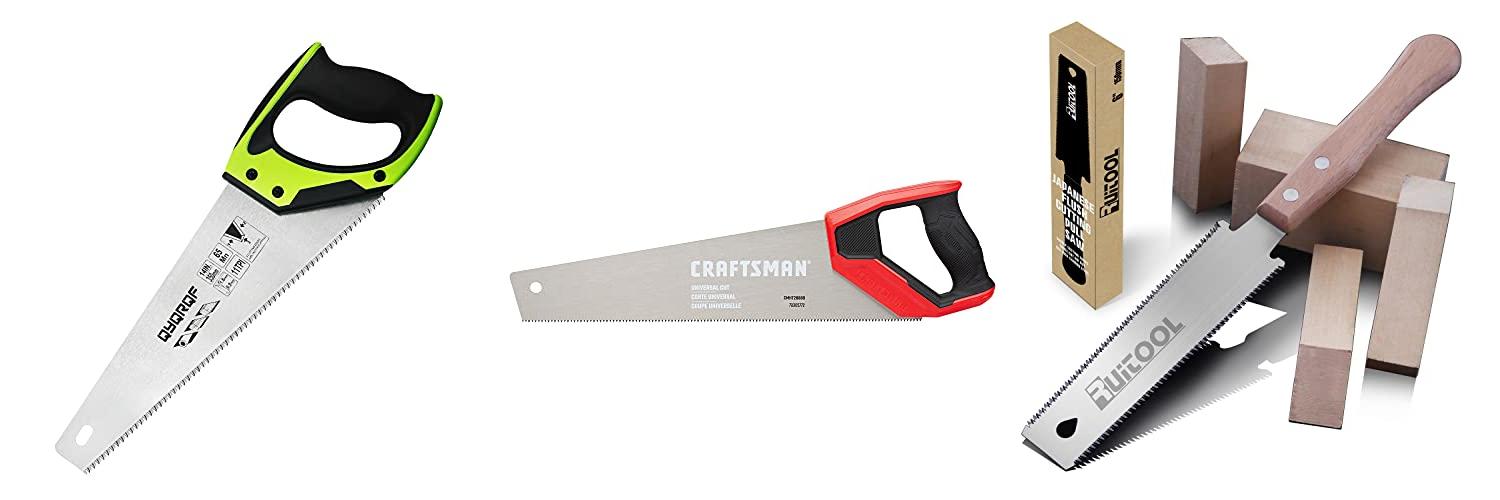
Our Top 5 Hand Saw For Cutting Wood Recommendations at a Glance
Top 5 Hand Saw For Cutting Wood Detailed Reviews
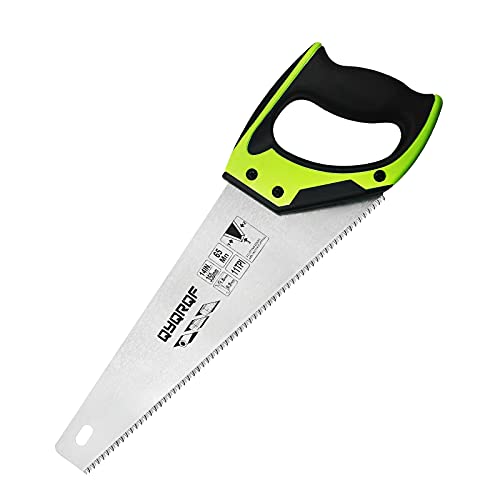
1. 14 in. Pro Hand Saw
Rating: 8.9/10
The 14-inch Pro Hand Saw is a versatile tool designed for a wide range of cutting tasks. Its fine-cut teeth make it perfect for precise work, whether you’re trimming branches in the garden, cutting drywall for a home project, or shaping wood for a craft. The comfortable, non-slip handle makes it easy to grip, even during long jobs.
What We Like:
- The 11 TPI (teeth per inch) fine-cut blade offers excellent precision for detailed work.
- The 0.9mm thick 65Mn steel blade is heat-treated for durability and strength.
- The ergonomic, non-slip TPR handle provides a comfortable and secure grip, reducing hand fatigue.
- Its sharp blade and deep gullets allow for fast, efficient cutting on both push and pull strokes.
- The low-friction coating on the blade helps it glide smoothly through materials.
- It comes with protective covers for the teeth and a hard paper sleeve for safe storage and transport.
- This saw is suitable for a variety of materials, including wood, plastic pipes, plywood, and drywall.
What Could Be Improved:
- While designed for speed, some users might prefer an even coarser blade for extremely rapid, rough cuts.
- The 14-inch length might be a bit short for very large or thick materials.
This Pro Hand Saw is a reliable and efficient tool for both DIY enthusiasts and professionals. Its thoughtful design and sharp blade make cutting tasks much easier.
2. CRAFTSMAN Hand Saw

Rating: 9.3/10
The CRAFTSMAN Hand Saw, 15-Inch (CMHT20880) is a handy tool for any DIY enthusiast or professional. It’s designed to make your cutting tasks easier and more accurate. This saw will help you tackle various projects around the house or in your workshop.
What We Like:
- Fast & Clean Cuts: This saw cuts through wood quickly and leaves a smooth finish. Its special teeth design helps prevent splintering.
- Durability: The teeth are induction hardened. This means they stay sharp for a long time, so you won’t need to replace the saw often.
- Comfortable Grip: The handle is made with two materials and shaped for a comfortable feel. It gives you good control while you saw.
- Built-in Square & Miter: The handle has markings for 45-degree and 90-degree angles. This feature makes it simple to mark and cut precise angles without needing a separate square.
What Could Be Improved:
- For very thick or dense materials, a larger saw might be more efficient.
- While the handle is comfortable, some users might prefer a slightly larger grip.
Overall, the CRAFTSMAN Hand Saw (CMHT20880) is a reliable and user-friendly tool that offers great value. Its combination of cutting performance, durability, and helpful features makes it a solid choice for many woodworking tasks.
3. RUITOOL Japanese Hand Saw 6 Inch Double Edge Sided Pull Saw Ryoba SK5 Flexible Blade 14/17 TPI Flush Cut Beech Handle Wood Saw for Woodworking Tools

Rating: 8.6/10
Unlock your woodworking potential with the RUITOOL Japanese Hand Saw. This 6-inch pull saw is designed for precision and versatility, making it a valuable addition to any woodworker’s toolkit. Its double-edged blade and sharp teeth offer exceptional cutting performance on various wood types. This saw is also a thoughtful gift for anyone who enjoys crafting or carpentry.
What We Like:
- The 6-inch blade is the perfect size for detailed and flush cuts.
- The SK5 high-carbon steel blade is hardened to HRC60-63, making it very durable and flexible.
- It has two cutting sides: 17 TPI for hardwoods and 14 TPI for softwoods, so you can tackle different projects.
- The hardened 3-edge teeth remove chips quickly and cut smoothly.
- It’s a great gift idea for woodworkers, carpenters, and craftspeople.
- RUITOOL offers efficient after-sales service, promising a reply within 24 hours for any issues.
What Could Be Improved:
- While the handle is made of beech, some users might prefer a more ergonomic grip for extended use.
This RUITOOL saw combines Japanese craftsmanship with practical features for excellent results. It’s a reliable tool that will help you achieve clean and precise cuts with ease.
4. REXBETI Folding Saw

Rating: 8.9/10
The REXBETI Folding Saw is a serious tool for anyone who needs to cut wood. Its long, strong blade and tough teeth make quick work of branches. This saw folds up neatly, making it easy to carry on camping trips or keep in your shed. It’s built to last and designed for comfortable use.
What We Like:
- The 11-inch blade is made of strong SK-5 steel. This means it cuts through wood efficiently.
- Its heavy-duty design lets you cut thick branches, up to 6-7 inches wide, much faster.
- The aggressive 7 TPI teeth give you a smooth and sharp cut every time.
- The rubber-coated handle feels good in your hand and provides a secure grip, even in wet or slippery conditions.
- It’s an extra-long folding saw, offering more reach and power than smaller saws.
- It’s great for camping, bushcraft, pruning trees, and general yard work.
What Could Be Improved:
- While it folds, it’s a heavy-duty saw, so it might be a bit bulky for ultra-light camping.
- The hard teeth are great for dry wood, but might wear down a bit faster on very green, wet wood compared to specialized saws.
This REXBETI Folding Saw is a reliable and powerful tool that handles tough cutting jobs with ease. It’s a solid investment for outdoor adventures and home projects.
5. GROWIT Folding Camping saw 11 Inch – Heavy Duty Pruning Saw with Triple-Cut SK5 Blade

Rating: 8.8/10
Meet the GROWIT Folding Camping Saw, your new go-to tool for all your outdoor adventures! This 11-inch saw is built tough and designed for easy carrying. It cuts through branches and wood like a charm, making it perfect for camping trips, gardening, or any job that needs a good trim.
What We Like:
- The foldable design makes it super easy and safe to pack and take anywhere.
- Its SK5 high carbon steel blade cuts smoothly and fast, working well on both wet and dry wood.
- The handle feels good in your hand and won’t make your hand tired, even if you use it for a long time. It also grips well, even if your hands are wet.
- A double lock keeps the saw securely closed when not in use, so it’s safe to carry.
- It’s light and can be used for many things, from trimming trees in your garden to building shelters in the woods.
What Could Be Improved:
- While it’s great for most tasks, for very thick branches, you might need a larger saw.
- The 7 TPI (teeth per inch) is good for general cutting, but for very fine work, a higher TPI might be preferred.
This GROWIT saw is a fantastic, reliable tool for anyone who loves the outdoors. It’s a smart choice for keeping your gear ready and your surroundings tidy.
The Ultimate Buying Guide: Your Perfect Hand Saw for Wood
Choosing the right hand saw for cutting wood can make a big difference in your projects. Whether you’re a beginner or a seasoned DIYer, understanding what to look for will help you find a saw that works well and lasts a long time. Let’s dive into what makes a great wood-cutting hand saw.
Key Features to Look For
When you’re looking at hand saws, some features are more important than others. Pay attention to these:
- Blade Length: Longer blades are good for bigger cuts, like cutting a whole board in half. Shorter blades are better for smaller, more detailed work.
- Tooth Count (TPI – Teeth Per Inch): This tells you how many teeth are on one inch of the blade. More teeth per inch (higher TPI) mean smoother cuts, but they cut slower. Fewer teeth per inch (lower TPI) cut faster but leave a rougher edge.
- Tooth Type: There are different tooth shapes. Some are for fast cutting, and others are for clean, smooth finishes.
- Handle Comfort: You’ll be holding the saw for a while, so a comfortable handle is a must. Look for handles that feel good in your hand and don’t slip.
- Blade Material: This is super important for how well the saw cuts and how long it stays sharp.
Important Materials
The materials used in a hand saw affect its performance and durability. Here’s what to consider:
- Blade Steel: Most good saw blades are made from high-carbon steel or tool steel.
- High-Carbon Steel: This is a common and strong material. It holds an edge well but can rust if not cared for.
- Tool Steel: This is even harder and keeps its sharpness for a very long time. It’s usually found in more expensive saws.
- Handle Materials: Handles can be made from wood, plastic, or rubber.
- Wood: Classic and comfortable, wood handles can feel natural.
- Plastic: Lightweight and durable, plastic handles are easy to clean.
- Rubber/Ergonomic Grips: These offer the best comfort and prevent your hand from slipping, even when wet.
Factors That Improve or Reduce Quality
Not all hand saws are created equal. Here are some things that make a saw better or worse:
- Blade Hardening: A properly hardened blade stays sharp longer and is less likely to bend or break.
- Blade Teeth Sharpening: Sharp teeth cut wood cleanly and with less effort. A saw with well-sharpened teeth is a joy to use. Dull teeth make the job much harder.
- Blade Alignment: The blade should be straight. A bent blade will make your cuts crooked.
- Handle Attachment: The handle needs to be securely attached to the blade. A wobbly handle is unsafe and makes the saw hard to control.
- Blade Flexibility: A good blade has a little bit of flex but not too much. It should be stiff enough to cut straight but flexible enough to avoid snapping.
User Experience and Use Cases
How you plan to use the saw will guide your choice. Think about what you’ll be cutting.
- General Purpose Saws: These are good for most everyday tasks around the house. They usually have a medium TPI and a comfortable handle.
- Ripping Saws: These are designed for cutting along the grain of the wood. They have fewer, larger teeth for faster cutting.
- Crosscut Saws: These are made for cutting across the grain of the wood. They have more, smaller teeth for cleaner cuts.
- Dovetail Saws/Backsaws: These are small saws with a stiff metal spine (the “back”) along the top of the blade. They have very fine teeth for precise cuts, like those needed for making joints in woodworking.
- Folding Saws: These are portable and great for camping or quick jobs. They fold up for easy storage.
A good hand saw should feel balanced in your hand. The cutting should be smooth, and you shouldn’t have to force it too much. If the saw feels awkward or requires a lot of effort, it might not be the right one for you.
Frequently Asked Questions (FAQ)
Q: What is TPI and why does it matter for a wood hand saw?
A: TPI stands for Teeth Per Inch. It tells you how many teeth are on one inch of the saw blade. A higher TPI means more teeth, which makes for smoother, cleaner cuts but slower cutting. A lower TPI means fewer, larger teeth, which cut faster but leave a rougher edge.
Q: What is the difference between a ripping saw and a crosscut saw?
A: A ripping saw cuts along the wood grain and has fewer, larger teeth for fast cutting. A crosscut saw cuts across the wood grain and has more, smaller teeth for a smoother finish.
Q: What kind of wood can I cut with a typical hand saw?
A: Most general-purpose hand saws can cut softwoods like pine and fir, as well as hardwoods like oak and maple, though hardwoods will require more effort.
Q: How do I maintain my hand saw to keep it sharp?
A: Keep the blade clean and dry to prevent rust. You can sharpen the teeth with a file designed for saw blades. Store it in a dry place, preferably with a blade guard.
Q: What makes a handle comfortable?
A: A comfortable handle fits well in your grip, doesn’t have sharp edges, and provides good control. Materials like rubber or ergonomic shapes help reduce fatigue during use.
Q: Is a longer or shorter blade better?
A: It depends on the job. Longer blades are good for cutting through thicker pieces of wood or making long, straight cuts. Shorter blades are better for detailed work and tight spaces.
Q: Can I use a hand saw for metal?
A: No, a hand saw designed for wood has teeth that are too large and shaped incorrectly for cutting metal. You need a special hacksaw for metal.
Q: How can I tell if a saw blade is good quality?
A: Look for blades made from high-carbon steel or tool steel. The teeth should be evenly spaced and sharp. A good blade will also have a bit of flex without being flimsy.
Q: What is a “backsaw”?
A: A backsaw is a type of hand saw that has a stiff metal spine along the top edge of the blade. This spine makes the blade very rigid, allowing for precise, straight cuts, often used in fine woodworking.
Q: How much effort should I expect to use when cutting wood with a hand saw?
A: A good quality, sharp hand saw should cut wood with moderate effort. You should be able to push and pull the saw smoothly. If you have to push very hard or the saw binds, it might be dull, bent, or the wrong type of saw for the job.
In conclusion, every product has unique features and benefits. We hope this review helps you decide if it meets your needs. An informed choice ensures the best experience.
If you have any questions or feedback, please share them in the comments. Your input helps everyone. Thank you for reading.