
Imagine your garden bursting with vibrant flowers and plump vegetables. What if a little secret could unlock that amazing potential? The truth is, every plant needs food to grow strong and healthy, just like we do! But navigating the world of garden fertilizers can feel like a jungle itself.
You walk into the garden center, and suddenly you’re faced with bags and bottles promising miracles. Organic, synthetic, slow-release, liquid – it’s enough to make your head spin! You want the best for your plants, but how do you know what’s truly right? This confusion often leads to wasted money or, worse, plants that don’t thrive.
In this post, we’ll cut through the confusion. We’ll explore what fertilizers actually do for your plants and help you understand the different types available. By the end, you’ll feel confident choosing the perfect food to make your garden the envy of the neighborhood.
Our Top 5 Garden Fertilisers Recommendations at a Glance
Top 5 Garden Fertilisers Detailed Reviews
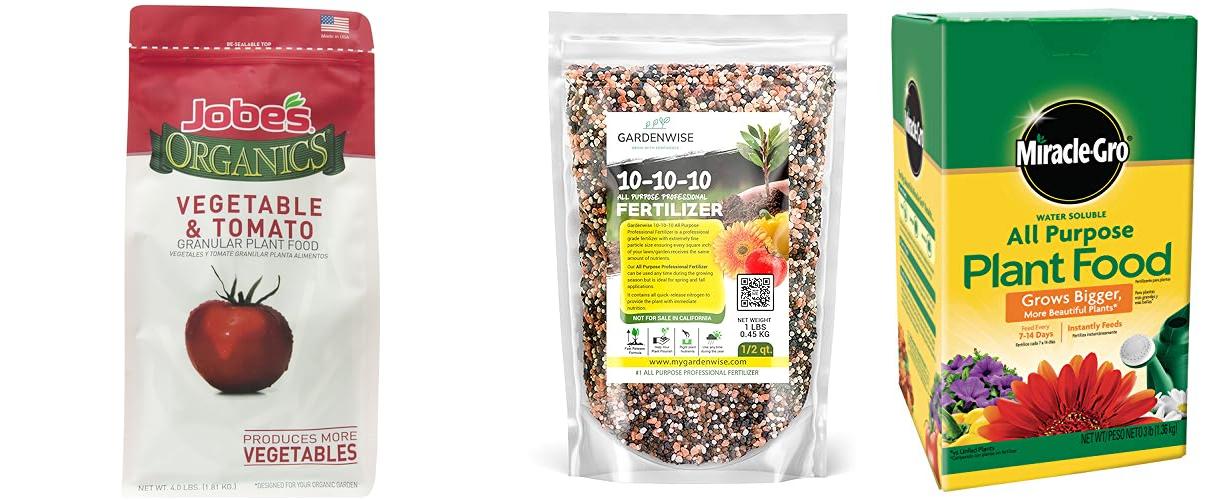
1. Jobe’s Organics Granular Garden Fertilizer

Rating: 8.6/10
Growing delicious vegetables and juicy tomatoes just got easier with Jobe’s Organics Granular Garden Fertilizer. This 4-pound bag is packed with everything your plants need for a bountiful harvest. It’s made to be kind to your garden and the environment, meaning no messy spills or strong smells. Just simple, organic goodness for your food!
What We Like:
- This fertilizer is OMRI listed, which means it’s approved for organic gardening by the USDA.
- It has a 2-5-3 NPK ratio, giving your vegetables and tomatoes the perfect blend of nutrients for lots of fruit and healthy green leaves.
- Applying it is super easy – just spread the grains around your plants every 4 to 6 weeks.
- The grains are easy to measure, so you won’t accidentally give your plants too much food.
- It’s designed to prevent waste and runoff, which is good for the planet.
- It helps your plants grow strong and produce a lot of vegetables and tomatoes.
- It doesn’t have any artificial chemicals, making it a natural choice for your garden.
What Could Be Improved:
- The 4-pound bag might be a bit small for very large gardens.
- While easy to use, it requires regular application throughout the growing season.
Jobe’s Organics Granular Garden Fertilizer is a fantastic way to give your vegetable and tomato plants the best chance to thrive. You’ll love the results of your healthy, productive garden.
2. 10-10-10 Plant Fertilizer Slow Release – 10 10 10 All Purpose Granular Garden Fertilizer for Vegetables

Rating: 8.6/10
Tired of juggling different fertilizers for your garden? The 10-10-10 Plant Fertilizer Slow Release is your all-in-one solution! This balanced granular fertilizer feeds everything from your juicy tomatoes and sweet figs to your stately arborvitae and cheerful roses. It’s packed with 10% Nitrogen, 10% Phosphorus, and 10% Potassium, giving your plants everything they need to thrive. Use it indoors or outdoors; it’s perfect for vegetable patches, fruit trees, shrubs, flowers, and even your potted plants.
What We Like:
- It’s a true all-purpose fertilizer, working great for many different types of plants.
- The slow-release formula feeds your plants for up to 8 weeks, meaning you don’t have to fertilize as often.
- It helps build strong roots, encourages leafy green growth, and makes flowers bloom beautifully.
- The fine granules spread easily for even coverage in your garden.
- It has quick-release nitrogen for an immediate growth boost, plus slow-release for long-term health.
What Could Be Improved:
- The 1/2 quart size might be too small for very large gardens.
- While it offers both quick and slow release, some users might prefer a purely slow-release option.
This fertilizer makes gardening simpler and more effective. Give your plants the balanced nutrition they crave and watch them flourish!
3. Miracle-Gro Water Soluble All Purpose Plant Food

Rating: 9.1/10
Get ready for your plants to thrive with Miracle-Gro Water Soluble All Purpose Plant Food! This handy fertilizer is packed with all the good stuff your plants need. It instantly starts feeding them, helping them grow bigger and more beautiful than plants that don’t get fed. You can use it on pretty much anything – flowers, veggies, trees, shrubs, and even your houseplants, whether they’re inside or outside.
What We Like:
- It’s full of essential nutrients that give your plants a big boost.
- You’ll see bigger, more beautiful plants because it feeds them right away.
- It’s super easy to use with a watering can or the Miracle-Gro Garden Feeder.
- It works for all kinds of plants, so you don’t need different fertilizers for different things.
- You’re guaranteed not to burn your plants when you follow the directions, which is a big relief.
What Could Be Improved:
- You need to feed your plants every 1-2 weeks, so it requires regular attention.
- The 3 lb. size might be more than some people need for just a few small plants.
This plant food is a fantastic way to help your garden and houseplants reach their full potential. Give your plants the nourishment they deserve!
4. Burpee Natural Purpose Granular 4-Lb Organic Food for Growing Strong Plants

Rating: 8.8/10
Nourish your garden with Burpee’s Natural Purpose Granular Organic Food. This 4-pound bag is packed with everything your plants need to thrive, from juicy vegetables to vibrant flowers. It’s like a healthy meal for your garden, giving them energy for up to three months. You can use it for starting seeds, sprucing up your flower beds, or growing delicious herbs. Burpee has been helping gardeners for a long time, so you know you’re getting quality.
What We Like:
- Feeds plants for up to 3 months with a mix of fast-acting and slow-release nutrients.
- Great for all kinds of plants, including vegetables, flowers, herbs, trees, and shrubs.
- OMRI-listed for organic gardening, meaning it’s safe and healthy for your soil and plants.
- Works well for both in-ground gardens and container plants, promising more blooms and better fruits.
- Trusted brand with a long history of helping gardeners succeed.
What Could Be Improved:
- The 4lb bag might be small for very large gardens.
- Instructions on the bag should be very clear for beginners.
This organic plant food is a reliable way to boost your garden’s health and beauty. Give your plants the best, and watch them grow strong and happy!
5. Jobe’s Garden Fertilizer Spikes

Rating: 9.0/10
Jobe’s Garden Fertilizer Spikes are a super easy way to give your tomato plants the food they need to grow big and juicy. This package gives you 18 spikes, and they are made to be neat and tidy. No more messy spills or yucky smells! These spikes are designed to feed your plants right where their roots are busy working underground. This means your tomatoes get a steady meal of nutrients.
What We Like:
- They are super easy to use. Just push them into the soil!
- They help prevent fertilizer from washing away with rain or watering, which is good for the environment.
- The pre-measured amount means you won’t accidentally give your plants too much food.
- Your tomato plants will get the right kind of nutrients (6-18-6 NPK) to grow strong.
- They help make your tomato plants have healthy green leaves and lots of yummy tomatoes.
What Could Be Improved:
- The product is specifically for tomato plants, so you would need different spikes for other types of plants.
- You need to remember to put them in early in the growing season.
If you want healthy, productive tomato plants without a lot of fuss, Jobe’s Garden Fertilizer Spikes are a fantastic choice. They make feeding your plants simple and effective.
Your Garden’s Best Friend: The Ultimate Fertiliser Buying Guide
Feeding your plants is like feeding yourself – they need the right nutrients to grow strong and healthy. Fertilisers are the secret sauce for a thriving garden. This guide will help you pick the best ones.
What to Look For: Key Features of Great Fertilisers
When you shop for fertiliser, keep these things in mind.
1. The N-P-K Numbers: The Big Three
You’ll always see three numbers on a fertiliser bag, like 10-10-10. These are super important.
* N (Nitrogen): This helps plants grow green leaves. Think of it as plant energy for leaves and stems.
* P (Phosphorus): This helps roots grow strong and plants bloom with flowers. It’s like plant building blocks for roots and flowers.
* K (Potassium): This helps plants fight off sickness and handle tough weather. It’s the plant’s shield against bugs and bad weather.
2. Type of Fertiliser: Slow vs. Fast Release
- Fast-Release Fertilisers: These give plants a quick boost. They work fast, but you might need to use them more often.
- Slow-Release Fertilisers: These feed plants over a longer time. They are great for steady growth and less work for you.
3. Organic vs. Synthetic: Nature’s Way or Science’s Way
- Organic Fertilisers: These come from plants and animals, like compost or manure. They improve the soil over time and are gentle on the environment.
- Synthetic Fertilisers: These are made in labs. They give plants exactly what they need, but they don’t help the soil much.
What’s Inside? Important Materials to Know
Fertilisers are made of different things. Knowing what’s in them helps you choose.
- Micronutrients: Plants also need small amounts of other nutrients like iron, zinc, and manganese. Good fertilisers often include these.
- Compost: This is decomposed organic matter. It adds nutrients and makes soil healthy.
- Manure: Animal droppings can be a good source of nitrogen. Make sure it’s aged so it doesn’t burn plants.
- Minerals: Some fertilisers use ground-up rocks and minerals.
What Makes a Fertiliser Great (or Not So Great)? Factors Affecting Quality
Not all fertilisers are made the same. Here’s what can make one better than another.
- Solubility: How well the fertiliser dissolves in water. Easily soluble ones get to plant roots faster.
- pH Level: Some fertilisers can change the soil’s pH. The right pH helps plants absorb nutrients.
- Purity: High-quality fertilisers have fewer fillers. This means more good stuff for your plants.
- Source of Nutrients: Natural sources are often better for long-term soil health.
Putting It to Use: User Experience and Use Cases
How you use fertiliser matters. Different plants and situations need different feeds.
- For Veggie Gardens: You want fertilisers that help produce lots of fruits and vegetables. Higher phosphorus and potassium can be good here.
- For Flower Beds: To get more blooms, fertilisers with more phosphorus are often best.
- For Lawns: Nitrogen is key for lush, green grass.
- For New Plants: A balanced fertiliser helps new plants get established and grow strong roots.
- For Sick Plants: Sometimes, specific nutrients can help plants recover from stress or disease.
Frequently Asked Questions About Garden Fertilisers
Q: What does the N-P-K ratio mean on a fertiliser bag?
A: The N-P-K ratio shows the percentage of Nitrogen (N), Phosphorus (P), and Potassium (K) in the fertiliser. These are the three main nutrients plants need.
Q: Should I use organic or synthetic fertiliser?
A: Organic fertilisers feed your soil and plants slowly, improving soil health over time. Synthetic fertilisers give plants a quick, targeted boost. Many gardeners use a mix of both.
Q: How often should I fertilise my plants?
A: This depends on the type of fertiliser and the plants. Fast-release fertilisers need more frequent application, while slow-release ones last longer. Always read the product instructions.
Q: Can I use too much fertiliser?
A: Yes, you can. Too much fertiliser can “burn” plant roots and harm them. It’s important to follow the recommended amounts.
Q: What is a slow-release fertiliser?
A: A slow-release fertiliser feeds plants nutrients gradually over weeks or months. This provides a steady supply of food and reduces the need for frequent fertilising.
Q: Do all plants need the same type of fertiliser?
A: No, different plants have different needs. For example, flowering plants might need more phosphorus, while leafy greens need more nitrogen.
Q: What are micronutrients and why are they important?
A: Micronutrients are essential vitamins and minerals that plants need in small amounts, like iron and zinc. They help with various plant functions and overall health.
Q: How do I know if my soil needs fertiliser?
A: Your plants might show signs of nutrient deficiency, like yellow leaves or slow growth. A soil test is the best way to know exactly what nutrients your soil is missing.
Q: Can I mix different types of fertilisers?
A: You can, but be careful. Mixing fertilisers can sometimes lead to over-fertilising or unbalanced nutrient levels. It’s best to understand the nutrient content of each before mixing.
Q: Where is the best place to store leftover fertiliser?
A: Store fertiliser in a cool, dry place, away from direct sunlight and moisture. Keep it in its original packaging or a sealed container to maintain its quality.
In conclusion, every product has unique features and benefits. We hope this review helps you decide if it meets your needs. An informed choice ensures the best experience.
If you have any questions or feedback, please share them in the comments. Your input helps everyone. Thank you for reading.