
Imagine your garden bursting with vibrant colors and lush greenery, but your shrubs look a little sad. It’s a common problem! Many plant parents struggle to give their shrubs the perfect food. It can be tricky to know what they need. Do they like a lot of nitrogen? Or is something else better? Choosing the wrong fertilizer can lead to weak plants, fewer flowers, and even damage.
But what if you could easily pick the best fertilizer for your shrubs? What if you could unlock their full potential and see them thrive like never before? In this post, we’ll explore the world of fertilizer shrubs. You’ll learn what makes certain fertilizers work best for different types of shrubs. We’ll help you understand what to look for and what to avoid. Get ready to become a shrub-feeding pro!
Our Top 5 Fertilizer Shrubs Recommendations at a Glance
Top 5 Fertilizer Shrubs Detailed Reviews
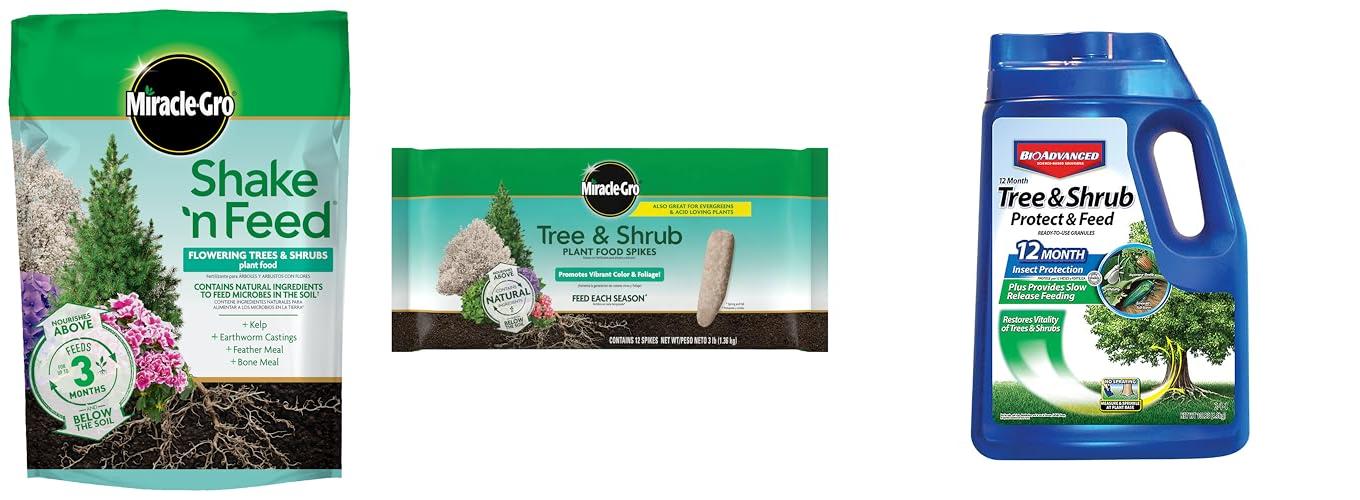
1. Miracle-Gro Shake ‘N Feed Flowering Trees and Shrubs Plant Food

Rating: 8.6/10
Give your flowering trees and shrubs the boost they need with Miracle-Gro Shake ‘N Feed Flowering Trees and Shrubs Plant Food. This special formula helps keep your plants looking their best, with rich green leaves and vibrant flowers all season long. It’s made with natural ingredients like kelp and earthworm castings, and it keeps feeding your plants for up to three months.
What We Like:
- Promotes deep, lush green foliage and colorful blooms.
- Contains natural ingredients like kelp, earthworm castings, bone meal, and feather meal.
- Feeds plants for up to 3 months, reducing the need for frequent applications.
- Versatile for both in-ground and container plants.
- Ideal for flowering trees, shrubs, and other acid-loving plants.
- Easy to apply by shaking onto the soil.
What Could Be Improved:
- Requires reapplication every 3 months for continuous feeding.
- Instructions specify avoiding contact with the trunk or foliage, which might be tricky for very dense plants.
This plant food makes it simple to nurture your garden’s star performers. For beautiful blooms and healthy growth, Miracle-Gro Shake ‘N Feed is a solid choice.
2. Miracle-Gro Tree and Shrub Plant Food Spikes

Rating: 9.0/10
Give your trees and shrubs the boost they need with Miracle-Gro Tree and Shrub Plant Food Spikes. These spikes are designed to make your plants look their best, promoting bright colors and healthy leaves. They deliver food right where your plants can use it – their roots.
What We Like:
- These spikes make feeding your trees and shrubs super simple.
- They feed your plants directly at the roots, which is very effective.
- You can use them on all kinds of trees and shrubs, including flowering and evergreen types.
- They also work well for plants that like acidic soil.
- A little goes a long way, and you get 12 spikes in a package.
- They help your plants show off vibrant colors and lush foliage.
What Could Be Improved:
- You need to remember to apply them twice a year, in spring and fall.
- Figuring out the right number of spikes for very large trees can take a little planning.
These Miracle-Gro spikes offer a straightforward way to nourish your landscape. Your trees and shrubs will thank you with beautiful growth and color.
3. BioAdvanced 12 Month Tree and Shrub Fertilizer

Rating: 8.8/10
Keep your trees and shrubs healthy and bug-free all year long with BioAdvanced 12 Month Tree and Shrub Protect & Feed Granules. This 10 lb bag is a powerful 2-in-1 solution that feeds your plants and kills harmful insects. It’s designed for easy application, making it a simple way to give your greenery the protection it needs.
What We Like:
- Offers a full year of protection against insects with just one application.
- Feeds your plants with a slow-release fertilizer, making them stronger.
- Protects your plants from their roots all the way to their leaves.
- Effectively kills many common pests like Japanese Beetles and Emerald Ash Borers.
- The no-spray formula is easy to use for both in-ground and container plants.
What Could Be Improved:
- The 10 lb bag might be a lot for very small gardens.
- It’s important to follow the instructions carefully for best results.
This product truly simplifies plant care. You can enjoy vibrant, healthy trees and shrubs without constant worry about pests or feeding schedules.
4. BioAdvanced Shrub Care Protect & Feed

Rating: 9.1/10
Tired of seeing your beautiful shrubs struggle with bugs and diseases? BioAdvanced Shrub Care Protect & Feed is here to help! This handy granular product gives your shrubs the protection and nourishment they need to look their best, all season long.
What We Like:
- It protects your whole shrub for up to 6 weeks with just one use.
- It fights off common diseases like Black Spot, Powdery Mildew, Rust, and Southern Blight.
- It kills annoying insects such as Aphids and Lace Bugs, helping your plants stay healthy.
- It feeds your shrubs, which helps them grow strong roots and look vigorous.
- It gives your plants a defense system for up to 6 weeks, helping them thrive.
What Could Be Improved:
- The product is not approved for use on adult Japanese Beetles in California.
BioAdvanced Shrub Care Protect & Feed is a simple way to keep your shrubs healthy and beautiful. Give your plants the care they deserve!
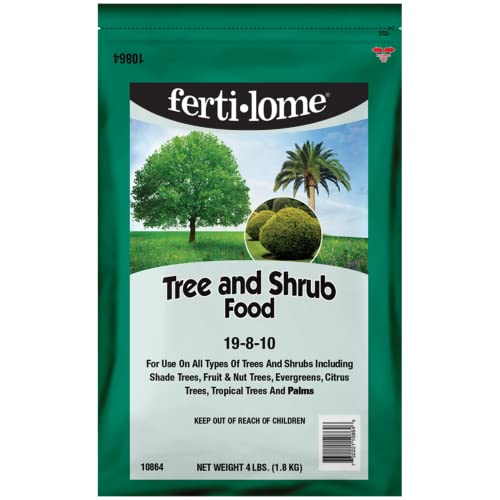
5. Fertilome (10864) Tree and Shrub Food 19-8-10 (4 lbs.)
Rating: 9.4/10
Give your trees and shrubs the nourishment they need with Fertilome (10864) Tree and Shrub Food 19-8-10. This fertilizer provides balanced nutrients that spread throughout the entire plant, promoting healthy growth. It’s perfect for a wide variety of plants, including shade trees, evergreens, citrus, and tropical trees. You’ll love how simple it is to use!
What We Like:
- It feeds all kinds of trees and shrubs.
- The nutrients go all through the plant.
- It’s super easy to put on.
- You just sprinkle it around the drip line.
- No digging holes is needed!
- Feeding twice a year gives the best results.
What Could Be Improved:
- The amount to use changes for different plants.
- You must check the label for the right amount.
This Fertilome fertilizer makes it easy to keep your plants looking their best. Just remember to check the label for specific instructions for your plants.
Choosing the Best Fertilizer for Your Shrubs: A Simple Guide
Shrubs add beauty and structure to any garden. To keep them healthy and vibrant, they need the right food. This guide will help you pick the perfect fertilizer for your shrubs.
1. Key Features to Look For
When you shop for shrub fertilizer, keep these important features in mind.
a) The N-P-K Ratio
Fertilizers have three numbers on their bags: N-P-K. This stands for Nitrogen (N), Phosphorus (P), and Potassium (K).
- Nitrogen (N): Helps leaves grow strong and green.
- Phosphorus (P): Aids in root development and flowering.
- Potassium (K): Supports overall plant health and helps it fight off diseases.
For most shrubs, a balanced N-P-K ratio like 10-10-10 or 12-4-8 works well. Some shrubs might need a specific ratio. For example, flowering shrubs might benefit from more phosphorus.
b) Slow-Release vs. Quick-Release
Fertilizers come in two main types:
- Quick-Release: These give your plants a fast boost. They are good for a quick green-up. However, the nutrients can wash away easily with rain or watering.
- Slow-Release: These feed your plants nutrients over a longer period. This means fewer applications and less risk of burning your plants. They are a great choice for consistent feeding.
c) Organic vs. Synthetic
- Organic Fertilizers: Come from natural sources like compost, manure, or bone meal. They improve soil health over time. They feed the soil, which then feeds the plants.
- Synthetic Fertilizers: Are made in factories. They provide nutrients directly to the plant. They work fast but don’t improve soil structure.
2. Important Materials
The best fertilizers contain a mix of essential nutrients.
- Macronutrients: These are Nitrogen (N), Phosphorus (P), and Potassium (K). They are needed in larger amounts.
- Micronutrients: These include iron, manganese, zinc, and others. Plants need these in smaller amounts, but they are still vital for healthy growth. Many good fertilizers include these.
3. Factors That Improve or Reduce Quality
The quality of a shrub fertilizer depends on a few things.
a) Factors That Improve Quality
- Complete Nutrient Profile: A fertilizer with a good balance of macro and micronutrients provides the best support.
- Consistent Release: Slow-release formulas offer sustained feeding, which is better for plant health.
- Good Source Ingredients: For organic options, the quality of the compost or manure matters. For synthetics, the purity of the compounds is key.
b) Factors That Reduce Quality
- Imbalanced N-P-K: Too much of one nutrient and not enough of another can harm your shrubs.
- High Salt Content: Some synthetic fertilizers can have high salt levels. This can burn plant roots.
- Poorly Sourced Ingredients: Organic fertilizers with contaminants or synthetics with impurities are less effective and can be harmful.
4. User Experience and Use Cases
How you use the fertilizer and your experience with it are important.
a) Ease of Application
Most granular fertilizers are easy to spread around the base of your shrubs. Liquid fertilizers require mixing with water and spraying. Choose what works best for you.
b) Visible Results
You want to see your shrubs respond well. Look for greener leaves and more blooms if your shrub flowers. Good results show you chose the right product.
c) Soil Health
Organic fertilizers often improve the soil over time. This means your soil becomes better at holding water and nutrients. This is a long-term benefit.
Use Cases:
- Spring Feeding: Most shrubs benefit from a feeding in early spring as new growth begins.
- Fall Feeding: Some shrubs can benefit from a fall feeding to help them store energy for winter.
- Addressing Deficiencies: If your shrubs show signs of nutrient problems (like yellowing leaves), a targeted fertilizer can help.
Frequently Asked Questions About Shrub Fertilizer
Q: How often should I fertilize my shrubs?
A: Most shrubs need fertilizing once or twice a year. Early spring is usually the best time. Check the fertilizer package for specific instructions.
Q: What does the N-P-K ratio mean?
A: N-P-K stands for Nitrogen, Phosphorus, and Potassium. These are the three main nutrients plants need for healthy growth.
Q: Is organic fertilizer better than synthetic?
A: Organic fertilizers improve soil health over time and are gentler. Synthetic fertilizers provide nutrients quickly but don’t help soil structure.
Q: Can I over-fertilize my shrubs?
A: Yes, you can. Too much fertilizer can burn the roots and harm the plant.
Q: When is the best time to fertilize shrubs?
A: The best time is usually early spring, as new growth starts. Some shrubs might also benefit from a fall feeding.
Q: What are micronutrients?
A: Micronutrients are essential elements that plants need in small amounts, like iron and zinc. They help with various plant functions.
Q: How do I apply granular fertilizer?
A: Spread the granules around the base of the shrub, extending out to the drip line (the edge of the branches). Water it in afterward.
Q: My shrub’s leaves are yellow. What should I do?
A: Yellow leaves can mean a lack of nutrients, often nitrogen. A balanced fertilizer or one higher in nitrogen might help. However, other issues can also cause yellowing.
Q: Should I fertilize newly planted shrubs?
A: It’s often best to wait a few weeks or even a month after planting before fertilizing. This gives the roots time to establish.
Q: How do I know which fertilizer is best for my specific shrub?
A: Research your specific shrub type. Some have unique needs. For general use, a balanced fertilizer is a good starting point.
In conclusion, every product has unique features and benefits. We hope this review helps you decide if it meets your needs. An informed choice ensures the best experience.
If you have any questions or feedback, please share them in the comments. Your input helps everyone. Thank you for reading.