
Imagine a garden bursting with vibrant, oversized hydrangea blooms, their colors popping against lush green leaves. It’s a dream for many gardeners, but sometimes, those dream hydrangeas just don’t seem to reach their full potential. Do your hydrangeas look a little… sad? Are you wondering why they aren’t as big and beautiful as you’d hoped?
Choosing the right fertilizer for your hydrangeas can feel like a puzzle. There are so many types, and figuring out which one will make your plants happy and healthy can be confusing. You want to give them the best, but you don’t want to guess and end up harming them instead. It’s a common worry for anyone wanting to grow these gorgeous flowers.
But don’t worry! By the end of this post, you’ll understand exactly what your hydrangeas need to thrive. We’ll break down the mystery of hydrangea fertilizers, making it easy for you to pick the perfect food for your plants. Get ready to see your hydrangeas bloom bigger and brighter than ever before!
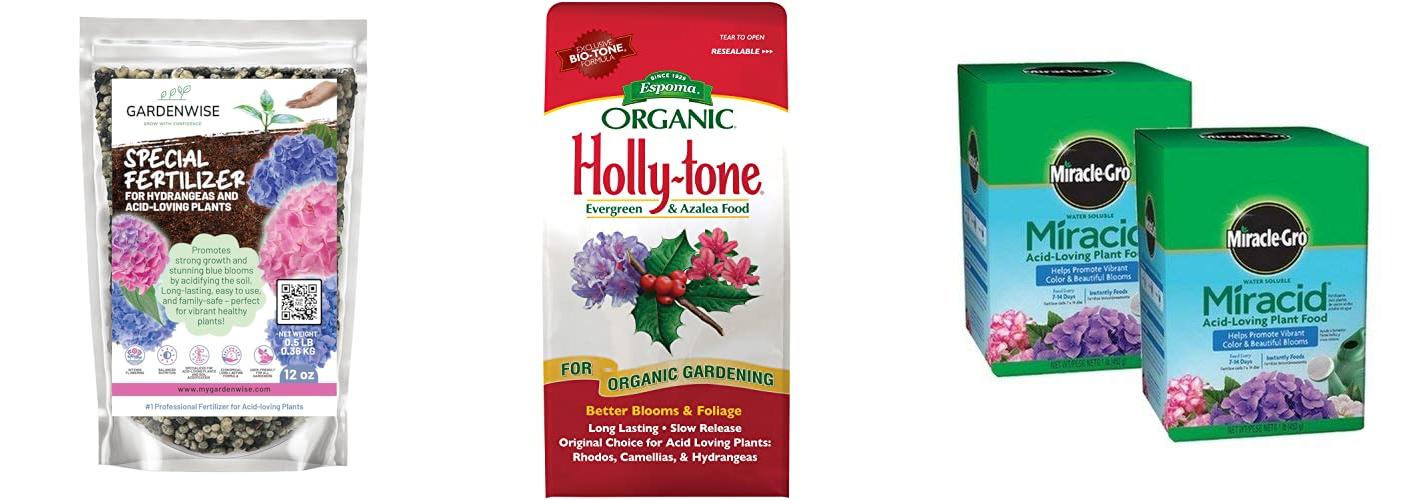
Our Top 5 Fertilizer Hydrangeas Recommendations at a Glance
Top 5 Fertilizer Hydrangeas Detailed Reviews
1. GARDENWISE Slow Release Hydrangea Fertilizer with Iron & Sulfur – Indoor & Outdoor Soil Acidifier for Miracle Growth (12 oz)

Rating: 9.3/10
Dreaming of vibrant, long-lasting hydrangea blooms? The GARDENWISE Slow Release Hydrangea Fertilizer with Iron & Sulfur is here to make that dream a reality. This 12 oz powerhouse is designed to give your acid-loving plants the boost they need for spectacular growth and dazzling flowers. It’s like a superfood for your garden, ensuring happy plants and a beautiful outdoor (or indoor!) space.
What We Like:
- Achieve SPECTACULAR BLOOMS ALL YEAR with its balanced 8-4-8 formula. It’s packed with iron and sulfur to make your flowers brighter and healthier.
- This fertilizer is TAILORED FOR ACID-LOVING PLANTS like hydrangeas, azaleas, camellias, and magnolias. It gives them the nutrients they need for lush leaves and strong growth.
- Application is EFFORTLESS. Just sprinkle it around your plants and water. It’s super simple, even if you’re new to gardening.
- Enjoy LONG-LASTING NOURISHMENT. The slow-release formula feeds your plants for up to three months, so you won’t have to fertilize very often.
- It’s VERSATILE AND RELIABLE, working wonders for both indoor and outdoor plants in any weather. Your garden will thrive no matter what.
What Could Be Improved:
- The 12 oz size might be a bit small for very large gardens, requiring multiple purchases.
- While effective, the slow-release nature means you won’t see instant results, so patience is key.
This fertilizer offers a simple path to a healthier, more beautiful garden. If you want amazing blooms and strong plants with minimal fuss, GARDENWISE is a fantastic choice.
2. Espoma Organic Holly-Tone 4-3-4 Natural & Organic Evergreen & Azalea Plant Food; 4 lb. Bag; The Original & Best Fertilizer for All Acid Loving Plants Including Rhododendrons & Hydrangeas

Rating: 9.0/10
Meet Espoma Organic Holly-Tone, the original and best fertilizer for all your acid-loving plants! This 4 lb. bag is packed with natural and organic goodness, perfect for evergreens, azaleas, rhododendrons, hydrangeas, and even blueberries and strawberries. It’s the go-to choice for gardeners who want healthy, vibrant plants the natural way.
What We Like:
- It’s the original formula, trusted for years to feed acid-loving plants.
- The natural organic ingredients break down slowly, giving plants nutrients over a long time.
- It’s not just for holly; it works wonders on azaleas, hydrangeas, rhododendrons, and more.
- The 4-3-4 formula, with 5% sulfur, is specially designed for plants that prefer acidic soil.
- It’s environmentally safe, with no harmful sludges or toxic ingredients.
- You can use it in spring and fall for shrubs, and early and late spring for berries.
- It’s ready to use right out of the bag – just apply and water!
- It’s approved for organic gardening, meeting all the requirements.
- It’s made in the USA by The Espoma Company, a leader in natural organics since 1929.
What Could Be Improved:
- The 4 lb. bag might be a bit small for very large gardens or multiple plantings.
- Application requires watering, so it’s not a completely “set it and forget it” product.
Espoma Organic Holly-Tone is a fantastic, natural way to boost the health and beauty of your acid-loving plants. If you have plants that thrive in acidic soil, this is a must-have for your garden.
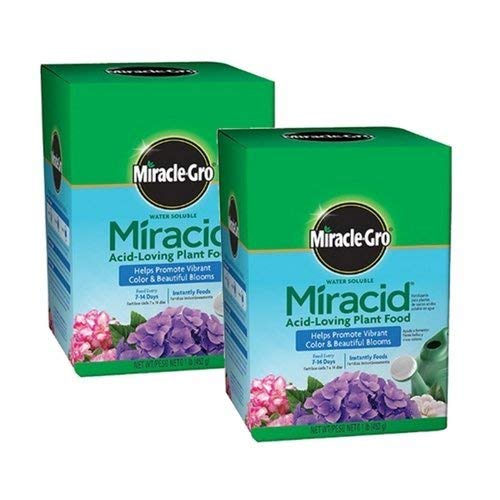
3. Scotts Company Miracle-Gro 1750011 Water Soluble Miracid Acid-Loving Plant Food
Rating: 9.0/10
Give your favorite acid-loving plants the boost they need with Scotts Company Miracle-Gro 1750011 Water Soluble Miracid Acid-Loving Plant Food. This special fertilizer is designed to help plants like azaleas, hydrangeas, and rhododendrons thrive. It’s easy to use and starts feeding your plants right away. You get two pounds of this powerful plant food, perfect for keeping your garden looking its best.
What We Like:
- Instantly feeds acid-loving plants like azaleas, hydrangeas, and rhododendrons.
- Features a double feeding action that nourishes both the roots and the leaves.
- Starts to work right away, so you see results quickly.
- Comes as a convenient 2-pack, giving you plenty of food for your plants.
- It is water-soluble, making it easy to mix and apply.
What Could Be Improved:
- The instructions for mixing could be clearer for beginners.
- The packaging could be more resealable for easier storage.
This Miracid plant food is a fantastic option for anyone looking to enhance the health and beauty of their acid-loving plants. Your garden will thank you for it!
4. Hydrangea Fertilizer for Acid Loving Plants

Rating: 8.7/10
Get ready for stunning, vibrant hydrangeas with this specialized liquid plant food. Designed specifically for acid-loving plants, this 8 oz (250mL) fertilizer helps your hydrangeas thrive. It provides all the nutrients your plants need to grow strong and produce those gorgeous, colorful blooms you love. Plus, with easy-to-follow instructions, caring for your hydrangeas has never been simpler. This formula is proudly made in the USA, ensuring quality and supporting local manufacturing.
What We Like:
- It makes hydrangeas super vibrant and colorful.
- It helps plants grow big and bushy.
- Beautiful blooms are a sure thing!
- The instructions are really clear and easy to understand.
- It’s made right here in the USA.
What Could Be Improved:
- The 8 oz bottle might run out quickly for very large gardens.
- A larger size option could be helpful for some gardeners.
This fertilizer is a fantastic tool for any gardener wanting to boost their hydrangea’s beauty. Give your acid-loving plants the best and enjoy a spectacular display all season long.
5. Hydrangea Fertilizer – Nursery Grade – Controlled Release – Works on All Varieties of Hydrangeas (6 oz.)

Rating: 9.0/10
Revitalize your hydrangeas with this Nursery Grade Controlled Release Fertilizer. This special formula is designed to give all your hydrangea varieties the nutrients they need for a season of lush growth and vibrant blooms. Its unique coating ensures a steady supply of food, making it simple to keep your plants healthy and happy.
What We Like:
- Specially Formulated for Steady Growth: The coated prills release nutrients slowly. This means your hydrangeas get a consistent, even supply of food throughout the entire growing season. You’ll see better, more steady growth, leading to more beautiful flowers.
- Incredibly Easy to Use: Forget complicated mixing or frequent applications. Simply sprinkle the fertilizer around the base of your hydrangea plants. That’s it! It’s ready to go for the whole season, saving you time and effort.
- Prevents Over-Fertilizing: The controlled release action is a big plus. It significantly reduces the risk of giving your plants too much fertilizer. This helps prevent potential damage to their delicate root systems, keeping them safe and healthy.
- Works on All Hydrangea Types: Whether you have bigleaf, panicle, or climbing hydrangeas, this fertilizer is made for them all. It’s a versatile choice for any hydrangea lover.
What Could Be Improved:
- Small Package Size: The 6 oz. container is perfect for a few plants or for trying out the product. However, if you have a large hydrangea collection, you might need multiple bags, which could add up in cost.
This fertilizer takes the guesswork out of feeding your hydrangeas. Give your plants the best chance to thrive with this simple, effective, and safe solution.
Choosing the Best Fertilizer for Your Hydrangeas: A Complete Guide
Hydrangeas are beautiful flowering shrubs that bring vibrant colors to any garden. To keep them healthy and blooming, they need the right food – fertilizer! This guide will help you pick the perfect fertilizer for your hydrangeas.
What to Look for in Hydrangea Fertilizer: Key Features
When shopping for hydrangea fertilizer, keep these key features in mind:
- Nutrient Ratio (NPK): This is the most important thing. Fertilizer has three numbers on the bag, like 10-10-10. These numbers represent Nitrogen (N), Phosphorus (P), and Potassium (K).
- Nitrogen (N): Helps leaves grow big and green.
- Phosphorus (P): Encourages strong roots and lots of flowers.
- Potassium (K): Helps the plant fight off sickness and handle different weather.
For hydrangeas, a balanced fertilizer is often best. Look for something like 5-10-10 or 10-10-10. Some fertilizers are made specifically for hydrangeas. These often have a good balance for their needs.
- Slow-Release vs. Quick-Release:
- Slow-release fertilizers feed your plants over a longer time. You don’t have to feed your hydrangeas as often. This is good for busy gardeners.
- Quick-release fertilizers give your plants a fast boost. You need to use them more often, but they can help if your plant looks like it needs help quickly.
- Micronutrients: Some fertilizers include small amounts of other important nutrients like iron, magnesium, and sulfur. These can help your hydrangeas grow even better.
- Organic vs. Synthetic:
- Organic fertilizers come from natural things like compost, manure, or bone meal. They improve the soil over time. They release nutrients slowly.
- Synthetic fertilizers are made in a lab. They provide nutrients quickly. They are usually cheaper.
Important Materials in Hydrangea Fertilizer
Fertilizers contain essential elements that hydrangeas need to thrive. The main ones are:
- Nitrogen (N): As mentioned, this is crucial for leafy growth.
- Phosphorus (P): This nutrient is vital for developing strong root systems and promoting abundant blooms.
- Potassium (K): This helps the plant become more resilient to stress, like drought or cold.
- Calcium: Helps build strong cell walls in the plant.
- Magnesium: Works with nitrogen to create chlorophyll, which helps plants use sunlight.
Factors That Affect Fertilizer Quality
Several things can make a fertilizer work better or worse for your hydrangeas:
- Nutrient Balance: A fertilizer that is too high in one nutrient and too low in another won’t help your plant as much. For example, too much nitrogen can lead to lots of leaves but fewer flowers.
- Form of Nutrients: Some nutrients are easier for plants to absorb. For instance, chelated iron is easier for plants to take up than regular iron.
- Brand Reputation: Well-known brands often have better quality control. They ensure their fertilizers have the amounts of nutrients they claim.
- Age of Fertilizer: Old fertilizer might lose some of its potency. Always check the expiration date if there is one.
User Experience and Use Cases
People use hydrangea fertilizer for different reasons:
- General Plant Health: Most gardeners use fertilizer to keep their hydrangeas healthy and strong year after year. This means good growth and lots of flowers.
- Boosting Blooms: If you want bigger, more colorful flowers, a fertilizer with higher phosphorus can help.
- Changing Flower Color: Some hydrangeas, like the Bigleaf Hydrangea (Hydrangea macrophylla), can change color based on soil pH.
- Pink Flowers: More alkaline soil (higher pH). Use fertilizer with less phosphorus and more potassium.
- Blue Flowers: More acidic soil (lower pH). Use fertilizer with more phosphorus and sometimes aluminum sulfate.
- White Hydrangeas: These usually stay white and don’t change color.
- New Plant Establishment: Fertilizing helps new hydrangeas settle in and start growing well.
- Reviving Stressed Plants: If a hydrangea looks yellow or is not blooming, the right fertilizer can help it recover.
Using the right fertilizer is like giving your hydrangeas a delicious and nutritious meal. It helps them grow, bloom, and stay healthy, making your garden a more beautiful place.
Frequently Asked Questions About Hydrangea Fertilizer
Q: What is the best NPK ratio for hydrangeas?
A: A balanced NPK ratio like 5-10-10 or 10-10-10 is often best. Some fertilizers made specifically for hydrangeas also work well.
Q: How often should I fertilize my hydrangeas?
A: For slow-release fertilizers, once in early spring and again in early summer is usually enough. For quick-release fertilizers, you might need to feed them more often, following the product instructions.
Q: Can I use regular all-purpose fertilizer on my hydrangeas?
A: Yes, you can, but look for one with a balanced NPK ratio. Fertilizers specifically for hydrangeas are designed to meet their unique needs.
Q: How do I fertilize my hydrangeas to get blue flowers?
A: To get blue flowers, you need acidic soil. Use a fertilizer that is higher in phosphorus and consider adding aluminum sulfate to lower the soil pH.
Q: How do I fertilize my hydrangeas to get pink flowers?
A: For pink flowers, you need more alkaline soil. Use a fertilizer that is lower in phosphorus and higher in potassium. Avoid adding aluminum sulfate.
Q: Should I fertilize hydrangeas in the fall?
A: It’s generally best to avoid fertilizing in the fall. Wait until early spring when new growth begins. Fall fertilization can encourage tender new growth that might be damaged by frost.
Q: What are signs my hydrangea needs fertilizer?
A: Signs include slow growth, pale or yellowing leaves, and few or no flowers. These indicate the plant might be lacking essential nutrients.
Q: Can I over-fertilize my hydrangeas?
A: Yes, you can over-fertilize. Too much fertilizer can burn the roots and damage the plant. Always follow the instructions on the fertilizer package.
Q: Are organic fertilizers good for hydrangeas?
A: Yes, organic fertilizers are excellent for hydrangeas. They improve soil health over time and provide nutrients slowly, reducing the risk of burning the plant.
Q: Where should I apply the fertilizer?
A: Apply the fertilizer around the base of the plant, extending out to the drip line (the edge of the branches). Avoid piling it directly against the stem.
In conclusion, every product has unique features and benefits. We hope this review helps you decide if it meets your needs. An informed choice ensures the best experience.
If you have any questions or feedback, please share them in the comments. Your input helps everyone. Thank you for reading.