
Imagine biting into a perfectly ripe, juicy tomato, bursting with sweet flavor. It’s the taste of summer, the reward for your gardening efforts. But what if your tomato plants are looking a little sad, their leaves yellow, and the fruit just isn’t coming? You’ve watered them, given them sunshine, but something is missing. That something is often the right fertilizer.
Choosing the best fertilizer for your tomato plants can feel like a puzzle. You see bags with numbers like 10-10-10, others labeled for flowers, and some specifically for tomatoes. It’s easy to get confused, and picking the wrong one could mean weak plants, fewer tomatoes, or even damaging your precious harvest. But don’t worry, we’re here to help you solve this riddle.
In this post, we’ll break down what tomatoes really need to thrive. You’ll learn how to understand fertilizer labels, discover the different types available, and figure out which one will give your tomato plants the nutrients they crave. By the end, you’ll feel confident picking the perfect food for your plants, leading to a bountiful harvest of delicious tomatoes you can be proud of.
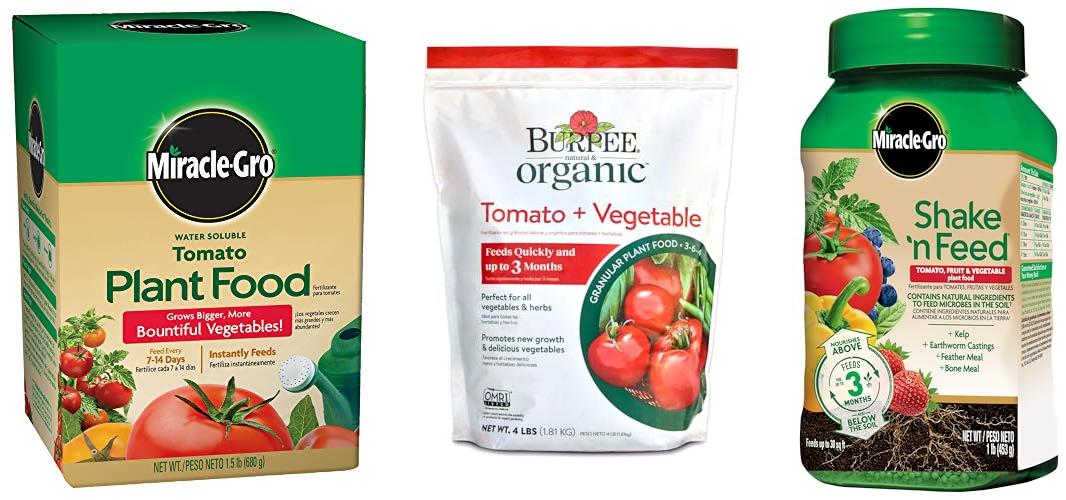
Our Top 5 Fertilizer For Tomatoes Recommendations at a Glance
Top 5 Fertilizer For Tomatoes Detailed Reviews
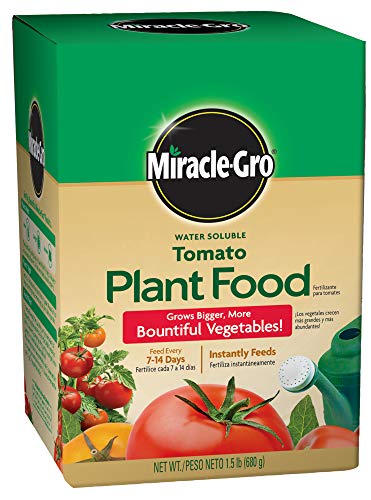
1. Miracle-Gro Water Soluble Tomato Plant Food
Rating: 8.5/10
Want bigger, tastier tomatoes and veggies this year? Miracle-Gro Water Soluble Tomato Plant Food promises to do just that! This easy-to-use plant food is designed to give your plants the nutrients they need to produce more food. It’s a simple way to help your garden thrive.
What We Like:
- It instantly feeds your plants, helping them grow bigger vegetables.
- You’ll get more bountiful harvests compared to plants that don’t get fed.
- It’s great for all your tomatoes and other vegetables.
- You can use it with the Miracle-Gro Garden Feeder or just a regular watering can.
- It’s safe for all plants and won’t burn them if you follow the directions.
What Could Be Improved:
- You need to remember to feed your plants every 1-2 weeks for best results.
- It’s a water-soluble powder, so you have to mix it yourself each time.
Get ready for a more productive garden! This plant food makes it simple to give your veggies the boost they need for a super harvest.
2. Burpee Organic Tomato & Vegetable Granular Plant Food

Rating: 8.5/10
Grow the best tomatoes and vegetables with Burpee Organic Tomato & Vegetable Granular Plant Food. This 4 lb bag is packed with everything your plants need to thrive. It’s easy to use and gives your garden a boost all season long.
What We Like:
- This plant food works for a long time. You won’t need to feed your plants often.
- The granules start feeding your plants right away. They keep feeding them for up to 3 months.
- It’s made with OMRI listed ingredients. This means it’s safe for organic gardening.
- Burpee has been helping gardeners since 1876. You can trust their quality.
- It provides the nutrients your plants need for bigger, better harvests.
What Could Be Improved:
- The 4 lb bag might be too small for very large gardens.
- While easy to apply, some users might prefer a liquid fertilizer for quicker absorption.
Burpee Organic Tomato & Vegetable Granular Plant Food is a reliable choice for any gardener. It helps your plants grow strong and produce delicious vegetables.
3. Miracle-Gro Shake ‘N Feed Tomato

Rating: 8.9/10
Tired of bland tomatoes and sad strawberries? The Miracle-Gro Shake ‘N Feed Tomato, Fruit and Vegetable Plant Food is here to help your garden thrive! This plant food is designed to give your yummy produce the nutrients it needs. It works for both plants in the ground and those in pots. You only need to use it every three months, which makes gardening easier. It even has calcium to make your fruits and veggies stronger and last longer. Plus, it now includes natural ingredients that feed your plants from the roots up!
What We Like:
- Feeds plants for up to 3 months, so you don’t have to feed them often.
- Contains calcium for stronger fruits and vegetables.
- Works for both in-ground and container plants.
- Easy to use – just shake and feed!
- Uses natural ingredients to nourish plants above and below the soil.
What Could Be Improved:
- The 1 lb size might be small for very large gardens.
- Instructions for container plants could be a bit clearer for beginners.
This plant food is a simple way to boost your harvest. Get ready for tastier and more abundant fruits and vegetables this season!
4. Espoma Organic Tomato-Tone 3-4-6 with 8% Calcium. Organic Fertilizer for All Types of Tomatoes and Vegetables. Promotes Flower and Fruit Production. 4 lb. Bag – Pack of 2

Rating: 8.5/10
Grow the best tomatoes and veggies with Espoma Organic Tomato-Tone 3-4-6! This natural fertilizer is designed to help your plants produce lots of juicy fruits and delicious vegetables. It’s perfect for all kinds of tomatoes, from heirlooms to hybrids, and even works wonders on other garden favorites. Plus, it helps prevent blossom end rot, a common problem for tomato plants.
What We Like:
- This fertilizer is made with natural and organic ingredients.
- It has a special formula called Bio-tone that helps plants grow strong.
- The 8% calcium helps stop blossom end rot.
- It’s safe for the environment and doesn’t contain harmful chemicals.
- You can use it on all types of tomatoes and vegetables.
- It’s ready to use, no mixing needed.
- It’s approved for organic gardening.
- You get two bags in each order.
- It’s made in the USA by a company that’s been around since 1929.
What Could Be Improved:
- The instructions suggest fertilizing every two weeks, which might be more often than some gardeners prefer or need.
This Espoma Organic Tomato-Tone is a fantastic choice for anyone wanting healthier, more productive plants. Give your garden the best with this trusted organic fertilizer.
5. Miracle-Gro Water Soluble Tomato Plant Food

Rating: 8.8/10
Get ready for a garden explosion with Miracle-Gro Water Soluble Tomato Plant Food! This amazing plant food is designed to give your veggies a super boost, helping them grow bigger and produce more delicious food than ever before. It’s like giving your plants a healthy, energy-packed meal that they can use right away. Simply mix it with water and watch your garden thrive.
What We Like:
- It instantly feeds your plants, leading to bigger and more bountiful vegetables compared to plants that don’t get fed.
- You can feed your plants every 1 to 2 weeks for consistent growth.
- It’s fantastic for growing juicy tomatoes and a wide variety of other vegetables.
- You can easily use it with a Miracle-Gro Garden Feeder or just a regular watering can, making feeding simple.
- It’s safe for all your plants, so you don’t have to worry about accidentally harming them.
- It’s guaranteed not to burn your plants if you follow the directions.
What Could Be Improved:
- The packaging could be easier to open for some users.
- More specific guidance on how much to use for different types of vegetables could be helpful.
This plant food is a game-changer for home gardeners. It makes it easy to grow a fantastic harvest and enjoy the fruits (and veggies!) of your labor.
Choosing the Best Fertilizer for Your Tomato Plants
Tomatoes are a garden favorite. They bring fresh flavors to salads and sandwiches. To grow big, juicy tomatoes, you need to feed your plants well. Fertilizer is like food for your tomato plants. This guide will help you pick the right one.
Key Features to Look For in Tomato Fertilizer
When you shop for fertilizer, keep these things in mind.
- Nutrient Ratios (NPK): Look for numbers like 10-10-10 or 5-10-5. These numbers show the amounts of Nitrogen (N), Phosphorus (P), and Potassium (K).
- Nitrogen (N): Helps plants grow green leaves and stems. Too much can make plants leafy but not produce much fruit.
- Phosphorus (P): Is important for strong roots and good fruit development.
- Potassium (K): Helps plants fight off diseases and grow healthy fruit.
- Organic vs. Synthetic:
- Organic fertilizers come from natural sources like compost, manure, or bone meal. They feed the soil and release nutrients slowly.
- Synthetic fertilizers are made in factories. They provide nutrients quickly but can sometimes harm the soil if overused.
- Slow-Release vs. Fast-Release:
- Slow-release fertilizers feed your plants over a long time. You won’t need to apply them as often.
- Fast-release fertilizers give plants a quick boost. They are good for immediate needs.
- Micronutrients: Some fertilizers include smaller amounts of other important nutrients like calcium, magnesium, and iron. These help plants grow even better.
Important Materials in Tomato Fertilizer
The ingredients are what make the fertilizer work.
- Nitrogen Sources: These can be things like urea, ammonium nitrate (synthetic), or blood meal, fish emulsion (organic).
- Phosphorus Sources: Common sources include superphosphate (synthetic) or bone meal, rock phosphate (organic).
- Potassium Sources: You might see potassium chloride, sulfate of potash (synthetic), or greensand, wood ash (organic).
- Compost and Manure: These are excellent organic choices. They improve soil structure and provide a wide range of nutrients.
- Seaweed and Fish Emulsion: These liquid fertilizers are rich in nutrients and often contain helpful micronutrients.
Factors That Improve or Reduce Fertilizer Quality
What makes a fertilizer great or not so great?
- Nutrient Availability: High-quality fertilizers make their nutrients easy for plants to absorb. This means your plants get the food they need quickly.
- Soil Health: Organic fertilizers improve soil over time. They help with drainage and water retention. Synthetic fertilizers, if used too much, can harm beneficial soil organisms.
- Salt Content: Some synthetic fertilizers have high salt levels. Too much salt can burn plant roots and damage the soil. Look for low-salt options.
- Purity of Ingredients: For organic fertilizers, knowing where the materials come from is important. Clean, well-processed ingredients lead to better results.
User Experience and Use Cases
How do gardeners use these fertilizers?
- Starting Seeds: A fertilizer with a good balance of nutrients helps young seedlings get a strong start.
- Transplanting: When you move tomato plants into the garden, a little fertilizer can help them settle in and grow new roots.
- Fruiting Stage: As plants start to flower and produce fruit, they need more phosphorus and potassium. Fertilizers with higher middle and last numbers in the NPK ratio are good then.
- Container Gardening: Tomato plants in pots need regular feeding because nutrients wash out faster. Slow-release or liquid fertilizers work well here.
- Problem Plants: If your plants look pale or aren’t growing well, a quick-acting fertilizer can give them a boost.
Frequently Asked Questions About Tomato Fertilizer
Q: What is the best NPK ratio for tomatoes?
A: A good general ratio is 5-10-5 or 10-10-10. For flowering and fruiting, you might want more phosphorus and potassium, like 5-10-10 or even 5-10-15. Always check the plant’s needs.
Q: How often should I fertilize my tomato plants?
A: It depends on the fertilizer. Slow-release types might be applied once or twice a season. Liquid or fast-release fertilizers may need to be applied every 2-4 weeks. Follow the product’s instructions.
Q: Can I use fertilizer made for other plants on my tomatoes?
A: It’s best to use fertilizer specifically made for tomatoes or vegetables. They have the right balance of nutrients. General purpose fertilizers might not provide everything tomatoes need.
Q: Should I fertilize when planting tomatoes?
A: Yes, you can. Mixing a balanced fertilizer or some compost into the soil before planting helps give the young plants a good start.
Q: What are signs my tomatoes need fertilizer?
A: Yellowing leaves (especially lower ones), slow growth, and poor fruit production can mean your plants need more food.
Q: Is organic fertilizer better for tomatoes?
A: Organic fertilizers are great for long-term soil health. They feed the soil and release nutrients slowly. Synthetic fertilizers work faster but can harm soil if not used carefully.
Q: How do I apply liquid fertilizer?
A: You usually mix liquid fertilizer with water. Then, you pour the mixture around the base of the plant. Be sure to follow the dilution instructions on the bottle.
Q: What is “calcium deficiency” and how does fertilizer help?
A: Calcium helps prevent blossom end rot, a common problem where the bottom of the tomato turns black and mushy. Some fertilizers contain calcium, or you can add calcium separately.
Q: Can I over-fertilize my tomatoes?
A: Yes, you can. Too much fertilizer can burn the roots, cause excessive leaf growth without fruit, or even kill the plant. Always follow the recommended amounts.
Q: When should I stop fertilizing tomatoes?
A: Usually, you stop fertilizing about 3-4 weeks before your expected first frost, or once the plants have finished producing their main crop. This helps them prepare for dormancy.
In conclusion, every product has unique features and benefits. We hope this review helps you decide if it meets your needs. An informed choice ensures the best experience.
If you have any questions or feedback, please share them in the comments. Your input helps everyone. Thank you for reading.