
Does your garden sometimes look a little… blah? You’ve planted beautiful shrubs, but they aren’t bursting with the vibrant leaves and pretty blooms you imagined. It’s a common gardening puzzle! Choosing the right fertilizer for these woody wonders can feel like navigating a maze. There are so many bags and bottles on the shelves, each promising amazing results. How do you know which one will actually make your shrubs happy and healthy?
This confusion is totally understandable! We want our gardens to thrive, and when they don’t, it can be frustrating. But the good news is, it doesn’t have to be so complicated. By the end of this post, you’ll understand the basics of shrub fertilizer. You’ll learn what to look for on those confusing labels and discover how to pick the perfect food to give your shrubs the boost they need to look their absolute best.
Let’s dig in and uncover the secrets to happy, healthy shrubs!
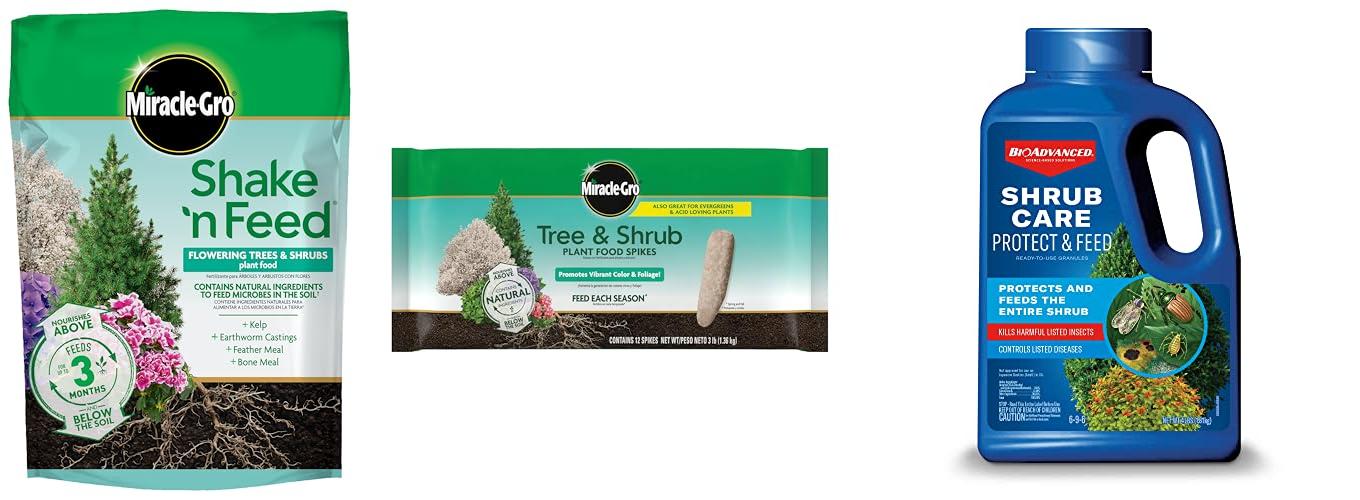
Our Top 5 Fertilizer For Shrubs Recommendations at a Glance
Top 5 Fertilizer For Shrubs Detailed Reviews
1. Miracle-Gro Shake ‘N Feed Flowering Trees and Shrubs Plant Food

Rating: 9.0/10
Give your flowering trees and shrubs the boost they need with Miracle-Gro Shake ‘N Feed. This plant food is made to help your plants grow strong with deep green leaves and lots of beautiful flowers all season long. It’s great for both plants in the ground and those in pots. Plus, it works for plants that like acidic soil, like azaleas and rhododendrons.
What We Like:
- It makes your flowering trees and shrubs grow healthy with rich green leaves and lots of colorful blooms.
- It uses natural ingredients like kelp, earthworm castings, bone meal, and feather meal to feed your plants.
- It feeds your plants for up to 3 months, so you don’t have to apply it too often.
- You can use it on plants in the ground and in containers.
- It’s good for acid-loving plants.
- It’s easy to use – just shake it on and water.
What Could Be Improved:
- It’s important to avoid getting the food directly on the trunk or leaves of your plants.
- You need to reapply it every 3 months for the best results.
Overall, Miracle-Gro Shake ‘N Feed is a simple way to help your flowering plants thrive. It’s a solid choice for anyone wanting more color and healthier growth in their garden.
2. Miracle-Gro Tree and Shrub Plant Food Spikes

Rating: 8.9/10
Give your trees and shrubs the boost they need with Miracle-Gro Tree and Shrub Plant Food Spikes. These handy spikes deliver essential nutrients right to the roots, helping your plants grow strong and look their best.
What We Like:
- Promotes vibrant color and lush foliage in your trees and shrubs.
- Easy to use: just push them into the ground.
- Feeds roots directly, where plants need it most.
- Works for all types of trees and shrubs, including flowering and evergreen varieties.
- Also good for plants that like acidic soil.
- Simple application: use them twice a year, in spring and fall.
- One package has enough spikes for multiple trees.
What Could Be Improved:
- Application requires knowing the tree’s drip line.
- Needs to be applied by hand; not a spray or liquid.
With just two applications a year, these spikes make it simple to keep your landscape looking healthy and beautiful. Your trees and shrubs will thank you for the nourishment.
3. BioAdvanced Shrub Care Protect & Feed

Rating: 8.8/10
Are your shrubs looking a little sad? BioAdvanced Shrub Care Protect & Feed is here to help! This handy 4 lb. bag of granules is designed to give your shrubs the best care. It fights off bugs and sickness while also giving them the food they need to grow strong. Just one application can keep your plants looking great for up to six weeks!
What We Like:
- It protects your whole shrub from bugs and sickness for a long time, up to 6 weeks.
- It stops common plant problems like Black Spot, Powdery Mildew, Rust, and Southern Blight.
- It kills annoying bugs like Aphids and Lace Bugs, making your shrubs healthier.
- It also feeds your shrubs, helping their roots grow deep and strong.
- Your plants get a defense boost to help them grow their best.
What Could Be Improved:
- The product is not approved for use on adult Japanese Beetles in California.
- It’s a granular product, which might not be as easy to apply for some people as a spray.
BioAdvanced Shrub Care Protect & Feed makes it simple to keep your shrubs healthy and beautiful. It’s a great way to give your plants the protection and nourishment they deserve.
4. BioAdvanced 12 Month Tree and Shrub Fertilizer

Rating: 9.4/10
Tired of seeing your beautiful trees and shrubs struggle? The BioAdvanced 12 Month Tree and Shrub Protect & Feed Granules are here to help! This amazing product acts as both a plant food and an insect killer, giving your plants the best of both worlds with just one application. Say goodbye to pesky bugs and hello to healthy, vibrant greenery that lasts.
What We Like:
- Long-lasting protection: Enjoy a full year of defense against insects. One application keeps bugs away for 12 months.
- Feeds your plants: It’s also a slow-release fertilizer. This helps your trees and shrubs grow strong and healthy.
- Protects from roots to leaves: The systemic action means it protects the entire plant, inside and out.
- Kills many common pests: It targets bugs like Japanese Beetles and Emerald Ash Borers. It also stops new infestations.
- Easy to use: No spraying required! Just apply the granules around your plants. It’s simple for any gardener.
What Could Be Improved:
- Limited pest list: While it kills many pests, it doesn’t cover every single bug out there. Always check if it targets your specific problem.
- Granule application: Some people might prefer a liquid spray for faster visible results, though granules are easier for many.
This BioAdvanced product offers a convenient and effective way to keep your trees and shrubs looking their best all year long. It simplifies plant care by combining insect control and feeding into one easy step.
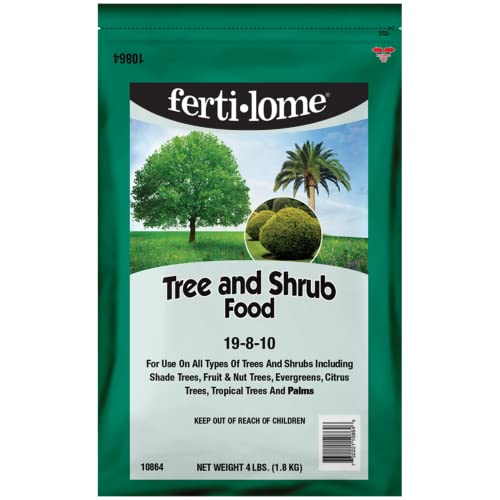
5. Fertilome (10864) Tree and Shrub Food 19-8-10 (4 lbs.)
Rating: 8.9/10
Give your trees and shrubs the best! The Fertilome (10864) Tree and Shrub Food 19-8-10 (4 lbs.) provides balanced nutrients that spread throughout your plants. This fertilizer works for all kinds of trees and shrubs. That includes big shade trees, pointy evergreens, yummy citrus trees, and even tropical plants. It’s super simple to use, too. Just sprinkle it around the edge where the branches reach out. You don’t need to dig any holes!
What We Like:
- Balanced nutrients feed the whole plant.
- Works on many different trees and shrubs.
- Super easy to apply – no digging required!
- Just sprinkle around the drip line.
- Feed your plants twice a year for the best growth.
What Could Be Improved:
- Application rates vary, so you need to check the label for each plant.
- The 4 lb bag might be small for very large properties or many plants.
This Fertilome fertilizer makes it easy to keep your trees and shrubs healthy and vibrant. Follow the label for the best results, and enjoy stronger, more beautiful plants!
Choosing the Best Fertilizer for Your Shrubs
Shrubs add beauty and structure to any garden. To keep them healthy and vibrant, they need the right food – fertilizer! This guide will help you pick the perfect fertilizer for your leafy friends.
Why Do Shrubs Need Fertilizer?
Shrubs use up nutrients in the soil as they grow. Fertilizer replaces these nutrients. This helps them grow stronger, bloom more, and resist pests and diseases.
Key Features to Look For
When you shop for shrub fertilizer, keep these features in mind.
1. The N-P-K Ratio
You’ll see three numbers on fertilizer bags, like 10-10-10. These are the N-P-K numbers.
- N (Nitrogen): Helps with leafy green growth.
- P (Phosphorus): Encourages strong roots and flowers.
- K (Potassium): Boosts overall plant health and disease resistance.
For most shrubs, a balanced fertilizer with equal numbers (like 10-10-10) is a good start. If your shrub has trouble blooming, you might need more phosphorus. If it’s looking pale, more nitrogen can help.
2. Fertilizer Type: Slow-Release vs. Quick-Release
- Slow-Release: These fertilizers feed your shrubs over a long time. You won’t need to fertilize as often. This is great for busy gardeners.
- Quick-Release: These give your shrubs nutrients right away. They can be useful for a quick boost, but you’ll need to apply them more often.
3. Organic vs. Synthetic
- Organic Fertilizers: These come from plants and animals. Think compost, manure, or bone meal. They improve soil health over time and release nutrients slowly.
- Synthetic Fertilizers: These are made in a lab. They provide nutrients directly to the plant. They work fast but don’t improve soil health as much.
Important Materials
Good shrub fertilizers contain essential nutrients.
Macronutrients
These are the big three: Nitrogen (N), Phosphorus (P), and Potassium (K). They are listed as the N-P-K ratio.
Secondary Nutrients
Shrubs also need Calcium (Ca), Magnesium (Mg), and Sulfur (S). Many fertilizers include these.
Micronutrients
These are needed in smaller amounts. Examples include Iron (Fe), Manganese (Mn), and Zinc (Zn). Deficiencies in these can cause yellowing leaves.
Factors That Improve or Reduce Quality
What makes a fertilizer great? What can make it less effective?
Improves Quality
- Balanced N-P-K: A ratio that fits your shrub’s needs.
- Slow-Release Formula: Provides steady feeding.
- Presence of Micronutrients: Helps prevent deficiencies.
- Organic Matter (for organic types): Improves soil structure.
Reduces Quality
- Too Much Nitrogen: Can lead to weak, leggy growth that attracts pests.
- Wrong N-P-K Ratio: Doesn’t give the plant what it needs.
- Burning the Plant: Applying too much fertilizer, especially synthetic types, can damage roots.
- Lack of Micronutrients: Can lead to stunted growth and discolored leaves.
User Experience and Use Cases
How do people use shrub fertilizers?
Most gardeners apply fertilizer in the spring when shrubs start growing. Some apply it again in the fall. Always follow the package directions. Water the fertilizer in well after applying it. This helps the nutrients reach the roots and prevents burning.
If you have a new shrub, you might wait a few months before fertilizing. This lets it get established. For established shrubs, regular feeding keeps them looking their best.
Frequently Asked Questions (FAQ)
Q: How often should I fertilize my shrubs?
A: Usually, once in the spring is enough. Some people fertilize again in the fall. Check the fertilizer package for specific advice.
Q: Can I use lawn fertilizer on my shrubs?
A: It’s best not to. Lawn fertilizers are made for grass. They might have the wrong nutrient balance for shrubs.
Q: What if my shrub’s leaves are yellow?
A: Yellow leaves can mean a few things. It might be a lack of nitrogen or iron. It could also be from over or underwatering. A balanced fertilizer with micronutrients might help.
Q: Should I fertilize in the winter?
A: No. Shrubs are usually dormant in the winter. Fertilizing then can harm them.
Q: How much fertilizer should I use?
A: Always follow the directions on the fertilizer bag. Using too much can hurt your shrub.
Q: What’s the best fertilizer for flowering shrubs?
A: Look for a fertilizer with a higher middle number (phosphorus) in the N-P-K ratio. This helps with blooms.
Q: Can I use compost as fertilizer?
A: Yes! Compost is a great organic fertilizer. It feeds your shrubs and improves your soil.
Q: Do I need to test my soil before fertilizing?
A: It’s a good idea. Soil tests tell you exactly what nutrients your soil is missing. This helps you choose the right fertilizer.
Q: What does “granular” fertilizer mean?
A: Granular fertilizer comes in small pellets or grains. You spread these on the soil around your shrub.
Q: Are organic fertilizers better than synthetic ones?
A: Both have benefits. Organic fertilizers improve soil health over time. Synthetic fertilizers work faster. The best choice depends on your goals and preferences.
In conclusion, every product has unique features and benefits. We hope this review helps you decide if it meets your needs. An informed choice ensures the best experience.
If you have any questions or feedback, please share them in the comments. Your input helps everyone. Thank you for reading.