
Ever bitten into a pepper so bland it tasted like… well, nothing? Or maybe you’ve watched your pepper plants grow tall and leafy, but produce only a handful of tiny, disappointing fruits. The secret to those fiery, flavorful peppers you crave often lies not just in the sun and water, but in the food you give your plants. Choosing the right fertilizer for your pepper plants can feel like navigating a maze, with so many bags and bottles promising miracle growth. It’s easy to feel overwhelmed, wondering which numbers mean what and if you’re even feeding your plants what they truly need to thrive.
But don’t let fertilizer confusion wilt your gardening dreams! This guide is here to cut through the jargon and help you understand exactly what your pepper plants need to produce a bountiful harvest of delicious, vibrant peppers. We’ll break down the essentials of pepper plant nutrition, explain what those confusing numbers on fertilizer bags actually mean, and help you pick the perfect food to unlock your plants’ full potential. Get ready to say goodbye to sad peppers and hello to a garden bursting with flavor and spice!
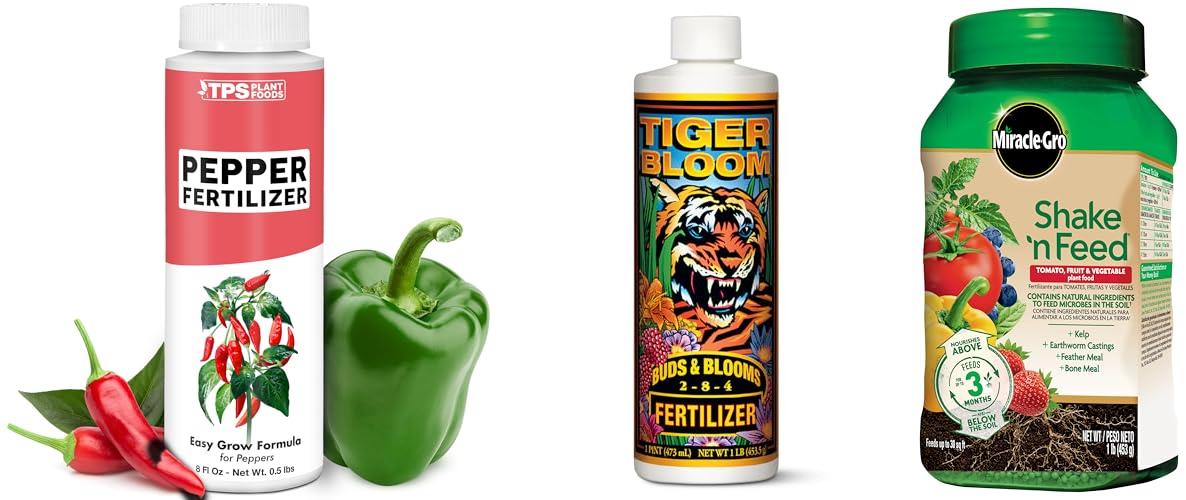
Our Top 5 Fertilizer For Pepper Plants Recommendations at a Glance
Top 5 Fertilizer For Pepper Plants Detailed Reviews
1. Pepper Fertilizer

Rating: 8.5/10
Are you ready to grow the best pepper plants ever? This Pepper Fertilizer, Complete Liquid Pepper Plant Food, 8 oz (250mL) is designed to give your pepper plants exactly what they need. It’s a complete food that helps your plants grow strong and produce lots of delicious peppers. This liquid formula is simple to use and makes a big difference in your garden.
What We Like:
- This fertilizer is a complete food. It has all the nutrients your pepper plants need to thrive.
- It helps plants grow healthy and strong. You’ll see more leaves and sturdier stems.
- It promotes abundant fruit production. Get ready for a great harvest of peppers!
- The instructions are easy to follow. Anyone can use this, even beginner gardeners.
- It’s made right here in the USA. You can trust the quality.
What Could Be Improved:
- The 8 oz bottle is a good size for a few plants. For a larger garden, you might need more.
- It’s a liquid fertilizer. Some gardeners prefer granular options for mixing into soil.
This Pepper Fertilizer is a fantastic way to boost your pepper plants’ health and yield. Give your plants the best food and watch them flourish.
2. FoxFarm Tiger Bloom Liquid Fertilizer Concentrate – Fast Acting Formula for Vicious Growth with Phosphorus – Encourages Fruit

Rating: 9.3/10
Unleash the full potential of your garden with FoxFarm Tiger Bloom Liquid Fertilizer Concentrate. This potent formula is designed to ignite vibrant growth, especially when your plants are getting ready to bloom and produce fruit. Its special blend of nutrients helps your plants develop more flowers, tastier fruits, and bigger buds, leading to an amazing harvest.
What We Like:
- Spark Vigorous Blooms: This fertilizer really gets your plants flowering and fruiting. It’s great for vegetable gardens and helps create abundant harvests.
- Growth Essential Ingredients: The high phosphorus content is key for blooming. It also includes nitrogen for healthy leaves and roots, giving your plants everything they need.
- Maximized Micronutrient Absorption: The balanced pH makes sure your plants can easily soak up important nutrients, leading to stronger, more resilient plants.
- Hydroponic & Soil Ready: It works perfectly whether you grow in soil or use a hydroponic system, giving you great results no matter your setup.
- Effortless Bloom Blending: Mixing this fertilizer is simple. Just follow the easy instructions for general or heavy feeding, or for your hydroponic system.
What Could Be Improved:
- The instructions for pH adjustment could be a bit clearer for beginners.
- The pint size might be too small for very large gardens or commercial growers.
Tiger Bloom is a game-changer for anyone wanting to boost their plant’s blooming and fruiting power. Get ready for a healthier, more productive garden with this fantastic fertilizer.
3. Miracle-Gro Shake ‘N Feed Tomato

Rating: 9.1/10
Tired of bland tomatoes and small strawberries? The Miracle-Gro Shake ‘N Feed Tomato, Fruit and Vegetable Plant Food is here to help your garden produce amazing results. This special food nourishes your plants from their roots up to their leaves, giving them everything they need to grow strong and healthy. It’s designed to make your fruits and vegetables taste better and last longer. You can use it on plants in the ground or in pots, making it super versatile for any gardener.
What We Like:
- Feeds plants for up to 3 months, so you don’t have to worry about feeding them all the time.
- Contains calcium, which helps build stronger cell walls in fruits and vegetables. This means better quality and longer-lasting produce.
- Works for all sorts of plants: tomatoes, fruits, and vegetables.
- Great for both in-ground gardens and container plants, indoors or outdoors.
- Easy to use! Just shake it on and lightly mix it into the soil.
- Now includes natural ingredients that boost plant growth and produce.
What Could Be Improved:
- The 1 lb container might not be enough for very large gardens.
- You need to remember to reapply every 3 months to keep your plants happy.
For a garden bursting with delicious and beautiful produce, this plant food is a fantastic choice. Give your plants the boost they deserve and enjoy the harvest!
4. Big A Pepper Fertilizer – 12 oz Premium Organic Fertilizer for Peppers – Organic Plant Food for Garden – Gardening Nutrients for Crispy and Delicious Veggies of All Types

Rating: 9.5/10
Want to grow the crispiest, most flavorful peppers in your garden? Big A Pepper Fertilizer is here to help! This 12 oz bag of premium organic fertilizer is designed to give your pepper plants exactly what they need to thrive, from root to fruit. It’s made with all-natural ingredients that feed your plants and boost their growth, leading to bigger, tastier peppers.
What We Like:
- Helps peppers grow bigger, tastier, and crisper.
- Uses a special organic blend without harmful fillers.
- Packed with important nutrients like nitrogen, calcium, and vitamins.
- Works for all kinds of peppers, from bell to chili.
- Dissolves easily and quickly for fast plant absorption.
- Comes in a handy resealable bag.
- Supports sustainable gardening practices.
What Could Be Improved:
- The specific patent-pending blend details aren’t fully public.
Big A Pepper Fertilizer is a fantastic choice for any gardener looking to improve their pepper harvest organically. Give your plants the best and enjoy delicious, homegrown peppers!
5. Pepper Fertilizer

Rating: 9.4/10
Ready to grow the best peppers you’ve ever tasted? This Complete Liquid Pepper Plant Food is your secret weapon. This 32-ounce bottle packs a punch with everything your pepper plants need to flourish. It’s designed to give your plants a big boost, leading to more peppers and healthier plants.
What We Like:
- It’s a complete fertilizer, meaning it has all the good stuff your pepper plants need to grow strong.
- This food helps your plants grow healthy and produce lots of yummy peppers.
- You get easy instructions that tell you exactly how to use it.
- It’s made right here in the USA, so you know it’s good quality.
What Could Be Improved:
- The 32-ounce size might be a bit small for very large gardens.
- While it’s easy to use, some gardeners might prefer a granular fertilizer.
This liquid fertilizer is a simple way to help your pepper plants reach their full potential. Give your peppers the nourishment they deserve for a bountiful harvest.
The Ultimate Buying Guide: Fueling Your Pepper Plants for Bountiful Harvests
Growing your own peppers is a rewarding experience. You get fresh, flavorful ingredients right from your garden. To get the best results, your pepper plants need the right food. That’s where fertilizer comes in. Choosing the right fertilizer can make a big difference in how healthy your plants grow and how many peppers you harvest.
Key Features to Look For in Pepper Plant Fertilizer
When you shop for fertilizer, look for a few important things.
- NPK Ratio: This is the most important feature. NPK stands for Nitrogen, Phosphorus, and Potassium. These are the three main nutrients your plants need.
- Nitrogen (N): Helps with leafy green growth. This is good when your plants are young.
- Phosphorus (P): Supports strong roots and flower development. This is crucial for peppers to form.
- Potassium (K): Boosts overall plant health and disease resistance. It also helps with fruit quality.
For pepper plants, a good starting point is a balanced NPK ratio like 10-10-10 or 5-5-5. As your plants start to flower and produce fruit, you might want a fertilizer with more phosphorus and potassium, like 5-10-10.
- Micronutrients: Plants also need smaller amounts of other nutrients. These include iron, magnesium, calcium, and sulfur. Good fertilizers include these to ensure your plants get everything they need.
- Form: Fertilizers come in different forms.
- Granular: These are small pellets you mix into the soil. They release nutrients slowly over time.
- Liquid: You mix these with water and pour them on the soil. They provide nutrients quickly.
- Spikes: These are sticks you push into the soil. They release nutrients slowly.
- Organic vs. Synthetic:
- Organic fertilizers come from natural sources like compost, manure, or bone meal. They improve soil health over time.
- Synthetic fertilizers are made in a lab. They provide nutrients directly to the plant.
Important Materials in Pepper Plant Fertilizer
The “N,” “P,” and “K” are made from different materials.
- Nitrogen Sources: Common sources include urea, ammonium nitrate, and blood meal.
- Phosphorus Sources: These often come from rock phosphate or bone meal.
- Potassium Sources: Potash, a mineral salt, is a common source.
For organic options, look for ingredients like worm castings, fish emulsion, or kelp meal. These natural materials also provide valuable micronutrients.
Factors That Improve or Reduce Fertilizer Quality
The quality of fertilizer can vary.
- How Ingredients Are Processed: For synthetic fertilizers, how the nutrients are made affects how well plants can use them.
- Nutrient Availability: Some fertilizers release nutrients right away, while others release them slowly. Slow-release fertilizers are often better because they prevent “burning” your plants.
- Added Micronutrients: Fertilizers with a good mix of micronutrients are generally higher quality. They support complete plant health.
- Purity: For organic fertilizers, the purity of the source material matters. For example, well-composted manure is better than fresh manure, which can harm plants.
- Storage: How the fertilizer is stored before you buy it also impacts quality. It should be kept dry and out of direct sunlight.
User Experience and Use Cases
Most gardeners find that using the right fertilizer leads to happier, healthier pepper plants.
- Young Plants: Use a balanced fertilizer, like a 10-10-10, when your plants are just starting to grow. This helps them develop strong roots and leaves.
- Flowering and Fruiting: When you see flowers or small peppers forming, switch to a fertilizer with more phosphorus and potassium. This helps the plant produce more fruit.
- Container Gardening: Plants in pots need regular feeding because nutrients wash out faster. Liquid or slow-release fertilizers work well here.
- Soil Improvement: Organic fertilizers not only feed your plants but also improve the soil structure. This is great for long-term garden health.
Choosing the right fertilizer is like choosing the right meal for your pepper plants. With a little knowledge, you can pick a product that will help you grow a fantastic harvest.
Frequently Asked Questions About Fertilizer for Pepper Plants
Q: What is the best NPK ratio for pepper plants?
A: A balanced NPK like 10-10-10 is good for young plants. For flowering and fruiting, try something like 5-10-10.
Q: Should I use organic or synthetic fertilizer for my peppers?
A: Both can work well. Organic fertilizers improve soil health over time, while synthetic fertilizers offer quick nutrient boosts.
Q: How often should I fertilize my pepper plants?
A: It depends on the fertilizer type. Follow the package directions. Generally, every 2-4 weeks for liquid or every 4-6 weeks for granular is a good guide.
Q: Can I use too much fertilizer?
A: Yes, too much fertilizer can harm or even kill your pepper plants. This is called fertilizer burn.
Q: What are micronutrients, and why are they important?
A: Micronutrients are nutrients plants need in small amounts, like iron and magnesium. They help plants grow strong and healthy.
Q: How do I know if my pepper plants need fertilizer?
A: Look for signs like slow growth, yellowing leaves (especially older ones), or poor flowering and fruiting.
Q: Can I fertilize my pepper plants with compost?
A: Yes, compost is an excellent natural fertilizer. You can mix it into the soil or use it as a top dressing.
Q: When is the best time to start fertilizing pepper plants?
A: You can start fertilizing a few weeks after transplanting seedlings into your garden or pots.
Q: Does the type of pepper plant affect the fertilizer I need?
A: While all peppers need similar nutrients, some varieties might be hungrier than others. However, a good general fertilizer usually works for most types.
Q: What should I do if my pepper plant’s leaves are turning yellow?
A: Yellow leaves can mean a lack of nutrients. Check your fertilizer schedule. It could be a nitrogen deficiency, or sometimes it’s a sign of overwatering.
In conclusion, every product has unique features and benefits. We hope this review helps you decide if it meets your needs. An informed choice ensures the best experience.
If you have any questions or feedback, please share them in the comments. Your input helps everyone. Thank you for reading.