
Imagine biting into a perfectly ripe, juicy lemon, bursting with sunshine flavor. For many of us, that dream starts with a healthy lemon tree. But what happens when your little citrus plant seems a bit…uninspired? Yellowing leaves, stunted growth, or a disappointing lack of fruit can be frustrating, especially when you’re just trying to give your tree the best.
Choosing the right fertilizer can feel like navigating a maze. Should you go organic or synthetic? What do those numbers on the bag even mean? It’s easy to feel overwhelmed by all the choices and worry about accidentally harming your precious tree. But don’t let that stop you from enjoying homegrown lemons!
This guide is here to clear the confusion. We’ll break down exactly what your lemon tree needs and how to pick the perfect fertilizer to help it thrive. By the end, you’ll know which nutrients are key, how to read fertilizer labels, and how to give your tree the boost it needs for bountiful harvests. Let’s get your lemon tree producing the most delicious fruit possible!
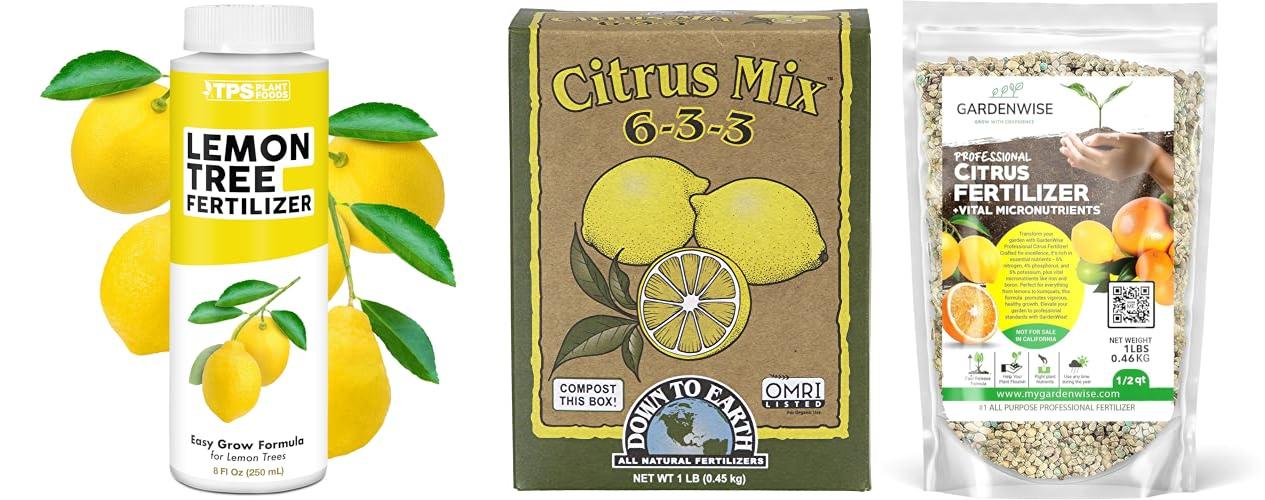
Our Top 5 Fertilizer For Lemon Tree Recommendations at a Glance
Top 5 Fertilizer For Lemon Tree Detailed Reviews
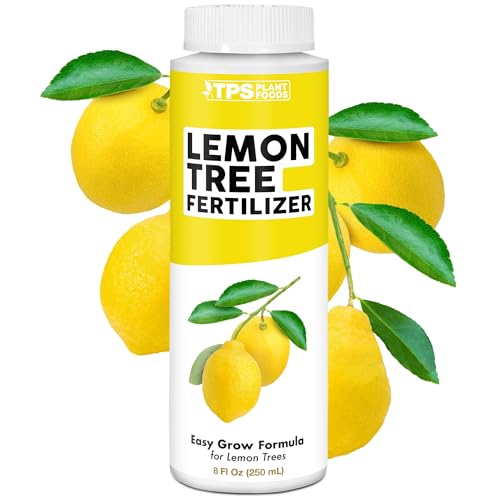
1. Lemon Tree Fertilizer
Rating: 9.5/10
Grow brighter, juicier lemons with this Complete Lemon Tree Plant Food. This 8 oz bottle (250mL) packs a powerful punch of nutrients for your citrus plants. It’s designed to help your lemon trees grow strong and produce lots of delicious fruit.
What We Like:
- Simple to Use: Just mix 2 tablespoons per gallon of water and water your tree as usual.
- Nutrient-Rich Formula: It gives your lemon tree the food it needs for healthy growth and lots of fruit.
- Great for Meyer Lemons: This food works well for Meyer lemon trees and other citrus plants.
- Solves Common Problems: It helps fix slow growth and yellow leaves, making your tree greener.
- Works Everywhere: Use it for lemon trees inside or outside, in pots or in the ground.
What Could Be Improved:
- The 8 oz size might run out quickly for those with many lemon trees.
- While effective, the instructions could include specific watering schedules for different seasons.
This fertilizer is a simple way to give your lemon trees the best care. You’ll be enjoying homegrown lemons in no time!
2. Down To Earth All Natural Fertilizers Citrus Mix 6-3-3

Rating: 8.6/10
Nourish your citrus trees and avocado plants with Down To Earth’s All Natural Fertilizers Citrus Mix 6-3-3. This 1 lb mini box provides everything your fruit-bearing plants need to thrive, from vibrant green leaves to delicious, juicy fruit. It’s designed specifically for lemons, limes, oranges, and avocados, giving them the balanced nutrition they crave.
What We Like:
- Provides balanced nutrition with a 6-3-3 NPK ratio, plus important minerals like calcium, sulfur, iron, and zinc. This helps your plants grow strong, flower beautifully, and produce lots of fruit.
- Made from good, natural ingredients like feather meal, fish bone meal, alfalfa meal, and kelp. These premium sources help your plants soak up nutrients better.
- It’s OMRI-Listed, meaning it’s approved for organic gardening. You won’t find any fake stuff in here.
- The 1 lb mini box is super handy for smaller gardens, pots, or if you just want to try it out. It’s perfect for raised beds and containers.
- Applying it is simple. Just use it 3-4 times a year: at the end of winter, late spring, and early fall. Sprinkle it around the base of your plants or mix it into the soil when you plant or repot.
What Could Be Improved:
- The 1 lb size is great for small jobs but might not be enough for larger gardens or if you have many citrus trees. You’d need to buy multiple boxes.
This fertilizer is a fantastic choice for organic growers looking to boost their citrus and avocado yields. Give your plants the best natural food and watch them flourish.
3. GARDENWISE Professional Citrus Fertilizer + Vital Micronutrients; Perfect Balanced NPK for All Citrus; for Indoor and Outdoor Plants; Orange

Rating: 8.5/10
The GARDENWISE Professional Citrus Fertilizer + Vital Micronutrients is a game-changer for anyone wanting to grow amazing citrus fruits. This fertilizer is made to give your trees exactly what they need to produce lots of tasty, fragrant fruit.
What We Like:
- Explosive Harvest: It really helps your trees produce more fruit. The special mix of nitrogen, phosphorus, and potassium makes your fruits bigger and better.
- Micronutrient Miracle: It has important tiny nutrients like magnesium, zinc, and iron. These help your leaves stay green and strong, and your fruits taste amazing.
- Smart Savings: You don’t need to buy different fertilizers for different citrus plants. This one works for all of them and lasts a long time, saving you money.
- Effortless Mastery: It’s super easy to use. Just sprinkle it around your trees and water. Anyone can get great results, even if they’re new to gardening.
- Year-Round Nourishment: The special coating on the fertilizer makes it release nutrients slowly. This keeps your trees fed all year, helping them recover and get ready to fruit again.
What Could Be Improved:
- While the 1/2 quart size is convenient for smaller gardens or starting out, larger gardens might need a bigger quantity, potentially leading to more frequent purchases.
- The product is highly specialized for citrus; users with a wider variety of plants might still need other fertilizers.
This fertilizer is a simple way to get healthier, more productive citrus trees. It’s a smart choice for better harvests and tastier fruit.
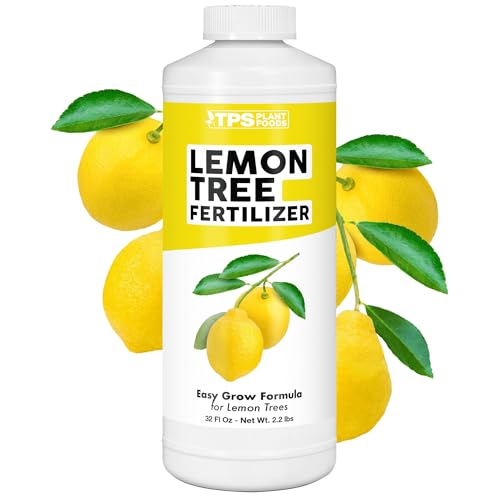
4. Lemon Tree Fertilizer for Lemon Trees and Citrus
Rating: 9.4/10
This Lemon Tree Fertilizer for Lemon Trees and Citrus, Liquid Plant Food, 32 oz (1 Quart) is designed to help your citrus plants grow strong and produce lots of yummy lemons.
What We Like:
- It’s super easy to use! Just mix 2 tablespoons with a gallon of water and water your plants like usual.
- The formula is packed with important nutrients. These help your trees grow well and make lots of fruit.
- It’s made for all sorts of citrus, especially Meyer lemon trees. It gives them the exact food they need.
- This fertilizer helps fix common problems like slow growth or leaves turning yellow. Your trees will look healthier and greener.
- You can use it inside or outside. It works for trees in pots or in the ground.
What Could Be Improved:
- The instructions are simple, but it would be helpful to have a chart showing how often to feed different types of citrus.
- While it’s great for lemon trees, it might be a bit strong for very young or delicate citrus seedlings.
This liquid fertilizer makes it simple to keep your lemon trees happy and productive. You’ll enjoy a bountiful harvest of fresh lemons.
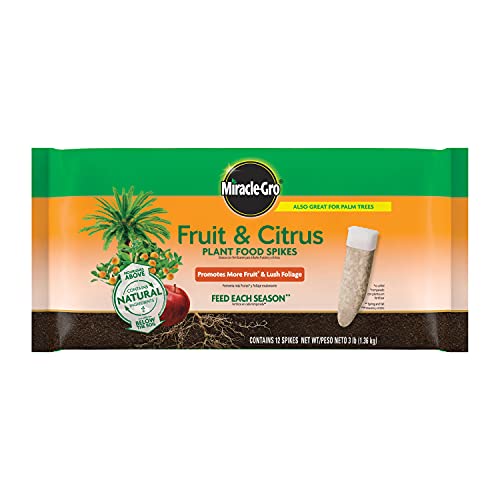
5. Miracle-Gro Fruit & Citrus Plant Food Spikes
Rating: 8.6/10
Want to see more juicy fruits and greener leaves on your plants? The Miracle-Gro Fruit & Citrus Plant Food Spikes are here to help! These handy spikes are designed to give your fruit trees, citrus plants, and even palm trees the food they need to grow strong and produce more. You only need to use them twice a year, making plant care super simple.
What We Like:
- Promotes more fruit and lush foliage compared to plants that don’t get fed.
- Made with natural ingredients, which is good for the environment.
- Easy to use: just push the spikes into the soil once in Spring and once in Fall.
- Nutrients go right to the roots, helping plants grow strong.
- Works great for fruit trees, citrus plants, and palm trees.
What Could Be Improved:
- Some users might prefer a liquid fertilizer for quicker results.
- The packaging could be more eco-friendly.
These spikes are a fantastic way to boost your fruiting plants and palms. They make feeding your plants easy and effective, giving you more to enjoy.
Grow the Zestiest Lemons: Your Ultimate Fertilizer Buying Guide
Want to grow the juiciest, most flavorful lemons right in your backyard or even on your balcony? The secret ingredient is often the right fertilizer! Choosing the best fertilizer for your lemon tree can seem tricky, but this guide will help you pick the perfect one to make your tree thrive.
What to Look For: Key Features of a Great Lemon Tree Fertilizer
When you’re shopping for fertilizer, keep these important features in mind:
1. The N-P-K Ratio: The Fertilizer’s DNA
- Nitrogen (N): This is super important for leafy green growth. Your lemon tree needs good foliage to make food from sunlight.
- Phosphorus (P): This helps with strong roots and healthy flowers, which eventually turn into those delicious lemons.
- Potassium (K): This is the powerhouse nutrient. It helps your tree resist diseases, handle stress (like heat or cold), and produce good quality fruit.
For lemon trees, a balanced N-P-K ratio is often best, but you might see numbers like 10-10-10 or 12-6-6. Some fertilizers are specifically made for citrus trees and have a slightly different balance to meet their unique needs.
2. Micronutrients: The Tiny But Mighty Helpers
Lemon trees are heavy feeders, meaning they need more than just the big three (N-P-K). They also need:
- Iron: Helps keep leaves green and prevents yellowing.
- Magnesium: Works with chlorophyll (the green stuff in leaves) to capture sunlight.
- Manganese: Aids in photosynthesis and enzyme activity.
- Zinc: Important for new growth and fruit development.
Look for fertilizers that list these micronutrients. They make a big difference in overall tree health and fruit production.
3. Slow-Release vs. Quick-Release: How Fast You Want Results
- Quick-Release: These fertilizers give your tree nutrients right away. They can be good for a quick boost, but you’ll need to apply them more often.
- Slow-Release: These fertilizers feed your tree gradually over time. This means fewer applications and a steadier supply of food for your tree. Many gardeners prefer slow-release for its convenience and consistent feeding.
4. Organic vs. Synthetic: Nature’s Way or Lab Creation?
- Organic Fertilizers: These come from natural sources like compost, manure, or bone meal. They improve soil health over time and release nutrients slowly. They’re great for building a healthy ecosystem around your tree.
- Synthetic Fertilizers: These are made in a lab and provide nutrients in a readily available form. They can give your tree a faster response, but they don’t add much to soil health.
Both can work well, but organic options are often favored for long-term soil improvement.
Important Materials and What They Do
Fertilizers contain different materials that provide those essential nutrients:
- Nitrogen Sources: Urea, ammonium nitrate, or organic sources like blood meal or feather meal.
- Phosphorus Sources: Superphosphate or bone meal.
- Potassium Sources: Muriate of potash or sulfate of potash, or organic sources like kelp meal.
- Micronutrient Sources: Chelated forms of iron, magnesium, manganese, and zinc are often best because the plant can absorb them easily.
Factors That Affect Quality: Making Your Choice Even Better
- Brand Reputation: Stick with well-known brands that have good reviews for their plant food.
- Formulation: Is it a granular, liquid, or spike fertilizer? Granular is common and easy to use. Liquid fertilizers are fast-acting. Spikes release nutrients slowly.
- Ease of Use: Some fertilizers are simple to sprinkle around the base of the tree, while others require mixing with water. Choose what fits your gardening style.
User Experience and Use Cases: Putting Fertilizer to Work
- For Young Trees: Young lemon trees benefit from a balanced fertilizer to help them establish strong roots and grow vigorously.
- For Fruiting Trees: As your tree matures and starts producing fruit, you might want a fertilizer with slightly more potassium to support fruit quality and yield.
- For Container-Grown Trees: Trees in pots need more frequent feeding because nutrients can wash out faster. A good quality, slow-release fertilizer is ideal.
- When Leaves Turn Yellow: Yellowing leaves can be a sign of nutrient deficiency, especially iron or magnesium. A fertilizer containing these micronutrients can help restore the vibrant green color.
By understanding these key features and factors, you’re well on your way to choosing the perfect fertilizer to help your lemon tree produce a bountiful harvest of delicious, sun-kissed lemons!
Frequently Asked Questions (FAQ) About Lemon Tree Fertilizer
Q: How often should I fertilize my lemon tree?
A: Generally, you should fertilize your lemon tree every 2-3 months during its growing season (spring through fall). Reduce or stop fertilizing in winter when the tree is less active.
Q: What’s the best N-P-K ratio for lemon trees?
A: A balanced ratio like 10-10-10 or a formula specifically for citrus trees (often with a bit more potassium) works well. Look for fertilizers designed for citrus.
Q: Should I use organic or synthetic fertilizer?
A: Both can work! Organic fertilizers improve soil health over time, while synthetic fertilizers offer quicker results. Many gardeners prefer organic for long-term benefits.
Q: My lemon tree’s leaves are yellow. What should I do?
A: Yellow leaves can mean a nutrient deficiency. Check if your fertilizer contains essential micronutrients like iron and magnesium. A specific micronutrient supplement might also help.
Q: Can I use regular garden fertilizer on my lemon tree?
A: While some general fertilizers might provide basic nutrients, it’s best to use a fertilizer formulated for citrus trees. They have the right balance of nutrients that lemon trees need.
Q: What are micronutrients and why are they important?
A: Micronutrients are essential elements like iron, magnesium, and zinc that plants need in small amounts. They help with things like leaf color, photosynthesis, and fruit development.
Q: How do I apply granular fertilizer?
A: Sprinkle the recommended amount around the base of the tree, keeping it a few inches away from the trunk. Water the area afterward to help the nutrients soak into the soil.
Q: Can I fertilize my lemon tree if it’s in a pot?
A: Yes! Container-grown lemon trees need feeding. Use a good quality fertilizer, and since nutrients can wash out faster, you might need to fertilize a bit more often.
Q: When is the best time of year to fertilize?
A: Fertilize during the active growing season, which is typically from early spring to late fall. Avoid fertilizing during the winter when the tree is dormant.
Q: How much fertilizer should I use?
A: Always follow the instructions on the fertilizer package. Using too much can harm your tree, and too little won’t provide enough nutrients.
In conclusion, every product has unique features and benefits. We hope this review helps you decide if it meets your needs. An informed choice ensures the best experience.
If you have any questions or feedback, please share them in the comments. Your input helps everyone. Thank you for reading.