

Do you dream of vibrant, blooming hibiscus bushes that turn heads in your garden? Those big, beautiful flowers need the right food to truly shine! But walk down the garden center aisle, and you’re suddenly faced with a wall of bags and bottles, each promising the best for your plants. It can feel overwhelming and confusing, leaving you wondering if you’re picking the right stuff or just wasting your money.
Choosing the wrong fertilizer can lead to sad, stunted plants instead of the tropical paradise you imagined. You want to nurture your hibiscus, not harm it! That’s why understanding what your hibiscus actually needs is so important. In this post, we’re going to break down the mystery of hibiscus fertilizer, making it easy for you to understand.
By the time you finish reading, you’ll know exactly what to look for, what ingredients matter, and how to feed your hibiscus for the most stunning blooms. Get ready to transform your hibiscus from a good plant into a showstopper!
Our Top 5 Fertilizer For Hibiscus Recommendations at a Glance
Top 5 Fertilizer For Hibiscus Detailed Reviews
1. BGI HIBISGAIN 2lb Bag

Rating: 9.4/10
Unlock the secret to vibrant, blooming hibiscus with BGI HIBISGAIN 2lb Bag, Hibiscus Fertilizer. This special fertilizer is made just for hibiscus plants, helping them grow their best. It’s like a secret weapon used by the pros in sunny Homestead, Florida, where hibiscus thrive.
What We Like:
- It’s made specifically for hibiscus, so it gives them exactly what they need.
- Commercial growers who know their hibiscus use and trust this fertilizer.
- You can just sprinkle it right on top of the soil and mulch – no messy mixing needed.
- The bag has a handy resealable top to keep it fresh for your next use.
What Could Be Improved:
- The 2lb bag might run out quickly for very large gardens with many hibiscus plants.
- More detailed instructions on the frequency of application could be helpful for beginners.
BGI HIBISGAIN makes it simple to give your hibiscus the boost they deserve. Get ready to enjoy a garden bursting with beautiful, healthy blooms.
2. Hibiscus Fertilizer for Tropical and Flowering Plants

Rating: 9.4/10
Give your tropical and flowering plants the boost they need with this Hibiscus Fertilizer. It’s a liquid plant food designed to help your hibiscus and other blooming beauties thrive.
What We Like:
- This fertilizer really makes hibiscus flowers pop with vibrant colors.
- It’s super easy to mix with water and apply to your plants.
- Tropical plants, like your hibiscus, get the nutrients they crave.
- You’ll see your plants grow stronger and produce more blooms.
- The 8 oz bottle is a good size to get started.
What Could Be Improved:
- The instructions could be a little clearer for beginners.
- A larger size option might be nice for those with many plants.
If you want to see your tropical and flowering plants reach their full potential, this fertilizer is a solid choice. It’s a simple way to nurture healthier, more beautiful blooms.
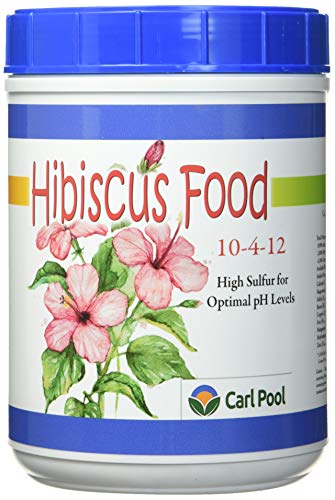
3. Carl Pool Hibiscus Plant Food 10-4-12 4 Lbs
Rating: 9.5/10
Tired of dull, sad hibiscus plants? The Carl Pool Hibiscus Plant Food 10-4-12 is here to help! This special fertilizer is made to give your hibiscus the best chance to grow big and beautiful. It’s great for all kinds of hibiscus, from the tropical ones to the hardy garden varieties. You can easily find it on Amazon. Get ready to see your hibiscus bloom like never before!
What We Like:
- It’s scientifically made to help plants grow their best.
- This food works for every type of hibiscus you might have.
- It has special trace elements that plants need to stay healthy.
- It’s easy to buy from a popular online store like Amazon.
- The 10-4-12 formula provides a balanced mix of nutrients for strong growth and blooms.
What Could Be Improved:
- The 4 lb bag size might be a bit small for very large gardens with many hibiscus plants.
- While it’s great for hibiscus, it’s not meant for other types of plants.
Overall, if you want to boost your hibiscus’s health and encourage vibrant blooms, this Carl Pool Hibiscus Plant Food is a fantastic option. Your flowers will thank you!
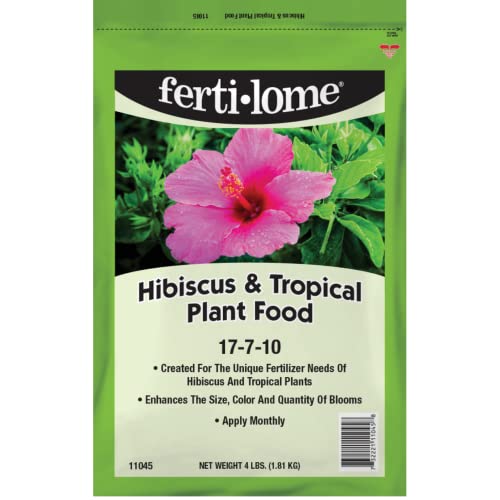
4. Fertilome (11045) Hibiscus and Tropical Plant Food 17-7-10 (4 lbs.)
Rating: 9.0/10
Dreaming of vibrant hibiscus and lush tropical flowers? The Fertilome (11045) Hibiscus and Tropical Plant Food 17-7-10 (4 lbs.) is your secret weapon. This special food is designed to make your plants bigger, brighter, and bloom more. It works wonders on hibiscus and other beautiful tropical plants and trees. It’s easy to use and gives your plants the nutrients they need to thrive.
What We Like:
- It makes flowers bigger and more colorful.
- It helps plants produce more blooms.
- It is effective for both hibiscus and other tropical plants.
- The 17-7-10 formula provides a balanced mix of essential nutrients: 17% Nitrogen, 7% Phosphate, and 10% Potassium, plus other important elements.
- The 4 lb. container is a good size for most home gardens.
What Could Be Improved:
- Application instructions can be a bit tricky for different plant sizes and containers; you need to check the label carefully.
- The frequency of application changes during the growing season, which might require some attention.
This plant food is a fantastic way to boost the beauty of your tropical garden. Give your plants the best chance to shine with this specialized formula.
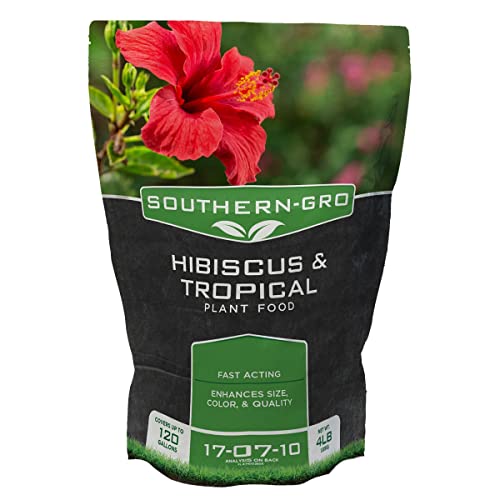
5. SouthernGRO Hibiscus & Tropical Plant Food 4lb. Bag (17-07-10 5.8% S 1.95% MG 1.5% FE .26% MN .26% ZN .05% CU)
Rating: 8.9/10
Get ready for some seriously stunning blooms with the SouthernGRO Hibiscus & Tropical Plant Food! This 4lb bag is packed with everything your colorful tropical plants, especially hibiscus, need to thrive. Its special formula, with the NPK ratio of 17-07-10, plus important extras like sulfur, magnesium, iron, manganese, zinc, and copper, helps your plants grow big, bright, and beautiful. It’s designed to work fast, so you’ll see amazing results quickly.
What We Like:
- It works fast to give your plants a quick boost.
- It makes flowers bigger and more vibrant.
- Your plants will look healthier and stronger.
- The balanced nutrients help improve overall plant quality.
- It’s easy to measure and apply.
What Could Be Improved:
- The bag size might be a bit much for very small gardens.
- The detailed ingredient list could be a little confusing for beginners.
If you want to see your hibiscus and tropical plants reach their full, colorful potential, this plant food is a fantastic option. It’s a simple way to achieve impressive growth and breathtaking blooms.
Choosing the Best Fertilizer for Your Hibiscus: A Blooming Guide
Hibiscus plants are showstoppers with their big, beautiful flowers. To keep them healthy and blooming their best, they need the right food – fertilizer! This guide will help you pick the perfect fertilizer for your hibiscus.
Why Fertilize Your Hibiscus?
Just like people need food for energy, plants need nutrients from fertilizer to grow strong and produce vibrant flowers. Hibiscus are hungry plants, especially when they’re actively growing and flowering. Fertilizer gives them the essential building blocks they need.
1. Key Features to Look For in Hibiscus Fertilizer
When you’re shopping for hibiscus fertilizer, keep these important features in mind:
-
Balanced N-P-K Ratio: This is the most crucial feature. N-P-K stands for Nitrogen (N), Phosphorus (P), and Potassium (K). These are the three main nutrients plants need.
- Nitrogen (N): Helps with leafy green growth. Too much can lead to lots of leaves but fewer flowers.
- Phosphorus (P): Encourages strong roots and lots of blooms. This is very important for hibiscus!
- Potassium (K): Helps the plant fight off diseases and handle stress like heat or cold. It also helps with overall plant health.
- Look for a balanced ratio like 10-10-10 or something similar. For flowering, a slightly higher middle number (Phosphorus) can be good.
-
Micronutrients: Plants also need smaller amounts of other nutrients like iron, magnesium, and calcium. Many good hibiscus fertilizers include these to ensure complete plant nutrition.
-
Slow-Release vs. Quick-Release:
- Slow-release fertilizers feed your plant over a longer period. You won’t need to fertilize as often. This is great for busy gardeners.
- Quick-release fertilizers give your plant nutrients right away. You’ll see faster results, but you’ll need to apply them more often.
-
Formulation: Fertilizers come in different forms.
- Granular: Small pellets you mix into the soil.
- Liquid: You mix with water and pour onto the soil. These are absorbed quickly.
- Spikes: Stick directly into the soil.
2. Important Materials to Consider
The ingredients in your fertilizer matter. Here are some common and beneficial materials:
-
Organic Fertilizers: These come from natural sources like compost, manure, or bone meal. They feed the soil as well as the plant and release nutrients slowly. They are generally gentler on plants.
- Examples: Fish emulsion, worm castings, composted bark.
-
Synthetic Fertilizers: These are made in a lab. They provide nutrients in a form that plants can use right away. They can be very effective.
- Examples: Ammonium sulfate, superphosphate.
-
Chelated Micronutrients: This means micronutrients are bound to a substance that helps the plant absorb them easily, especially in certain soil types. Iron is often chelated.
3. Factors That Improve or Reduce Quality
-
Improving Quality:
- Reputable Brands: Stick with well-known brands that have a good track record.
- Clear Labeling: Fertilizers with clear N-P-K ratios and ingredient lists are usually higher quality.
- Inclusion of Micronutrients: Fertilizers that list essential micronutrients are often better.
- Organic Ingredients (for organic fertilizers): High-quality organic materials mean a better organic fertilizer.
-
Reducing Quality:
- Unclear Labels: If you can’t tell what’s in it, it might not be the best choice.
- Very High Nitrogen (N): Too much nitrogen can make your hibiscus grow too many leaves and not enough flowers. It can also make the plant weak.
- No Micronutrients: A fertilizer missing important micronutrients might not give your plant everything it needs.
- Old or Damaged Packaging: This could mean the fertilizer has lost its potency.
4. User Experience and Use Cases
- For Beginners: A slow-release, balanced granular fertilizer is often the easiest to use. You just sprinkle it around the plant and water. It’s hard to overdo it.
- For Experienced Gardeners: Liquid fertilizers offer more control. You can adjust the strength and frequency. They are good for giving plants a quick boost.
- For Container Hibiscus: Plants in pots need more frequent feeding because nutrients wash out with watering. Liquid or slow-release fertilizers work well.
- For Hibiscus Needing a Boost: If your hibiscus isn’t flowering well, a fertilizer with a slightly higher phosphorus number (the middle number) can help.
- For Hibiscus in Poor Soil: Organic fertilizers are excellent because they improve the soil structure and health over time, which benefits the plant.
Frequently Asked Questions (FAQ) about Hibiscus Fertilizer
Q: What is the best N-P-K ratio for hibiscus fertilizer?
A: A balanced N-P-K ratio like 10-10-10 or 20-20-20 is generally good. For more blooms, a fertilizer with a slightly higher middle number (Phosphorus) can be helpful, such as 15-30-15.
Q: How often should I fertilize my hibiscus?
A: It depends on the fertilizer type. Slow-release fertilizers are usually applied every 2-3 months during the growing season. Quick-release or liquid fertilizers might be needed every 2-4 weeks.
Q: Can I use any fertilizer for my hibiscus?
A: While many general fertilizers can work, fertilizers specifically formulated for flowering plants or tropical plants are often best. Avoid fertilizers with very high nitrogen.
Q: What are the signs my hibiscus needs fertilizer?
A: Look for slow growth, pale or yellowing leaves (especially older ones), and a lack of flowers. These are signs the plant is missing nutrients.
Q: Should I fertilize my hibiscus in winter?
A: No. Most hibiscus go dormant in cooler weather. Stop fertilizing in late summer or early fall until new growth appears in spring.
Q: Can I over-fertilize my hibiscus?
A: Yes, you can. Over-fertilizing can burn the roots, damage the leaves, and even kill the plant. Always follow the instructions on the fertilizer package.
Q: What is the difference between organic and synthetic fertilizer?
A: Organic fertilizers come from natural sources and improve soil health. Synthetic fertilizers are man-made and provide nutrients quickly. Both can be effective.
Q: How do I apply liquid fertilizer?
A: You usually mix the liquid concentrate with water. Then, you water your hibiscus with this mixture. Always check the dilution instructions on the bottle.
Q: My hibiscus is planted in a pot. Does it need different fertilizer?
A: Yes. Potted plants lose nutrients faster. They often benefit from more frequent feeding with a balanced liquid fertilizer or a slow-release option.
Q: Are there any fertilizers that are bad for hibiscus?
A: Fertilizers with extremely high nitrogen levels can cause too much leafy growth and fewer flowers. Also, be careful with very strong, concentrated fertilizers if you’re unsure how to use them.
In conclusion, every product has unique features and benefits. We hope this review helps you decide if it meets your needs. An informed choice ensures the best experience.
If you have any questions or feedback, please share them in the comments. Your input helps everyone. Thank you for reading.