
Imagine your garden bursting with vibrant flowers and plump, juicy vegetables. It’s a beautiful dream, but sometimes our plants just don’t seem to reach their full potential. You might wonder, “Why aren’t my tomatoes redder?” or “Why are my roses so small?” Often, the missing ingredient is the right food for your plants – fertilizer!
Choosing the perfect fertilizer can feel like navigating a maze. There are so many different types, each with its own set of numbers and promises. It’s easy to get confused and worry about accidentally harming your precious plants. But don’t let this overwhelm you!
This post is here to guide you through the wonderful world of garden fertilizers. We’ll break down what they are, why your plants need them, and how to pick the best one for your specific needs. By the end, you’ll feel confident in choosing the right fertilizer to help your garden thrive, making your green thumb even greener!
Our Top 5 Fertilizer For Garden Recommendations at a Glance
Top 5 Fertilizer For Garden Detailed Reviews
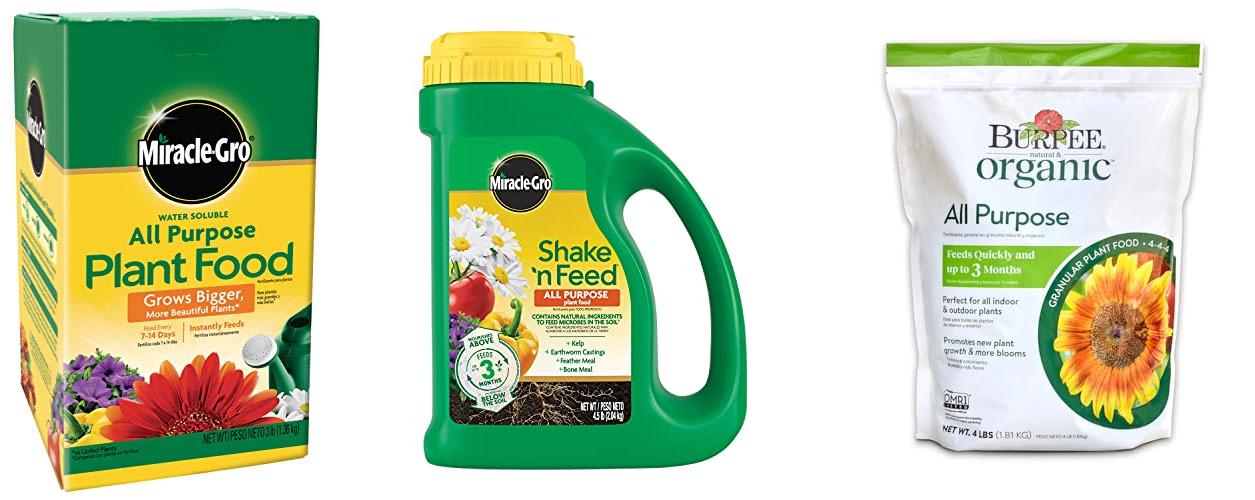
1. Miracle-Gro Water Soluble All Purpose Plant Food

Rating: 9.5/10
Get ready to transform your garden with Miracle-Gro Water Soluble All Purpose Plant Food! This 3 lb. container is packed with everything your plants need to thrive, whether they’re inside your home or out in the yard. It’s like a super-food for your flowers, veggies, trees, and even your houseplants!
What We Like:
- It’s packed with essential nutrients that plants need to grow strong.
- You’ll see bigger, more beautiful plants compared to ones that don’t get fed.
- It works instantly, so you don’t have to wait long for results.
- You can feed your plants every 1 to 2 weeks to keep them happy.
- It’s super easy to use with either the Miracle-Gro Garden Feeder or a simple watering can.
- It’s safe for all kinds of plants – flowers, vegetables, trees, shrubs, and houseplants.
- The product is guaranteed not to burn your plants when you follow the directions.
What Could Be Improved:
- The packaging could be easier to reseal for long-term storage.
- For very large gardens, the 3 lb. size might run out quickly.
This plant food is a fantastic way to give your plants the boost they need for impressive growth and vibrant blooms. You’ll love the results you see in your garden!
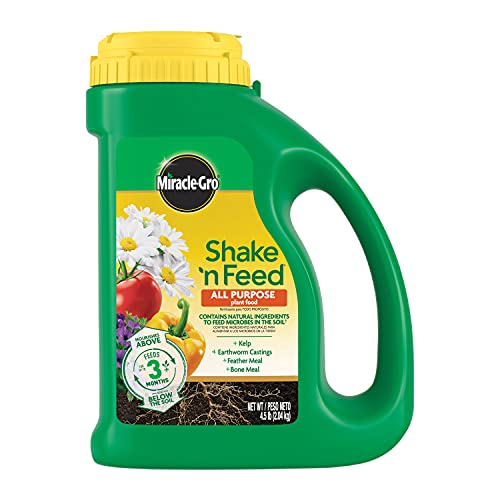
2. Miracle-Gro Shake ‘N Feed All Purpose Plant Food
Rating: 9.4/10
Tired of plants that look a little sad? The Miracle-Gro Shake ‘N Feed All Purpose Plant Food is here to help. This easy-to-use plant food nourishes your plants for up to three months, making them stronger and more vibrant. It works both above and below the soil, giving your flowers, veggies, and herbs the nutrients they need to thrive.
What We Like:
- Feeds plants for a long time, up to 3 months.
- Works for all kinds of plants, in the ground or in pots.
- Contains good stuff that helps plants grow strong and look great.
- Uses natural ingredients for feeding and nourishing.
- Simple to apply – just shake it on and water.
What Could Be Improved:
- Needs to be reapplied every 3 months.
- Requires regular watering to activate.
This plant food is a fantastic way to give your garden a boost. Get ready for a beautiful and productive outdoor space all season long.
3. Burpee Natural Purpose Granular 4-Lb Organic Food for Growing Strong Plants

Rating: 8.7/10
Burpee’s Natural Purpose Granular Organic Plant Food is a fantastic way to help your garden thrive. This 4-pound bag is packed with everything your plants need to grow big and strong, from vegetables and flowers to herbs and even seedlings. It’s a natural choice for gardeners who want healthy plants and a vibrant garden.
What We Like:
- Feeds plants right away and keeps feeding them for up to 3 months.
- Works great for all kinds of plants: vegetables, flowers, herbs, trees, shrubs, and even indoor plants.
- It’s OMRI labeled, meaning it’s approved for organic gardening.
- Helps your plants grow better and produce more blooms and fruits.
- Perfect for container gardens, giving your potted plants a boost.
- Burpee has a long history of providing quality gardening products since 1876.
What Could Be Improved:
- The instructions for application are on the bag, so you need to have the bag handy when you fertilize.
This organic plant food makes it easy to nourish your garden naturally. It’s a reliable choice for anyone looking to grow their best garden yet.
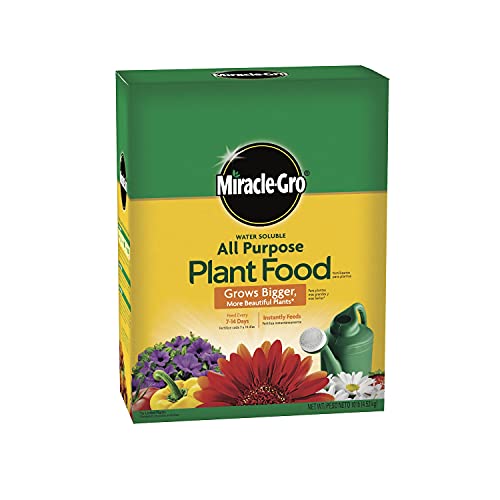
4. Miracle-Gro Water Soluble All Purpose Plant Food
Rating: 8.7/10
Want to see your plants thrive like never before? The Miracle-Gro Water Soluble All Purpose Plant Food is your secret weapon. This powerful fertilizer is designed to give your plants the boost they need to grow bigger and more beautiful, whether they’re inside your home or out in the garden. It works fast, so you’ll see amazing results quickly. You can use it with a watering can or the handy Miracle-Gro Garden Feeder. It’s perfect for all sorts of plants, from vibrant flowers and lush roses to healthy vegetables and sturdy trees, and even your favorite houseplants!
What We Like:
- Grows bigger, more beautiful plants compared to plants that don’t get fed.
- Starts working right away to bring quick, lovely results.
- Works with a watering can or the Miracle-Gro Garden Feeder.
- Versatile for indoor and outdoor plants, including flowers, veggies, and trees.
- One 10 lb. container can feed a large area, about 4,000 sq. ft.
What Could Be Improved:
- The instructions for mixing can be a little tricky to remember for both indoor and outdoor use.
- The large 10 lb. size might be too much for someone with only a few small plants.
This Miracle-Gro plant food is a fantastic way to give all your plants a healthy, vibrant life. Get ready to enjoy your most beautiful garden or houseplants yet!
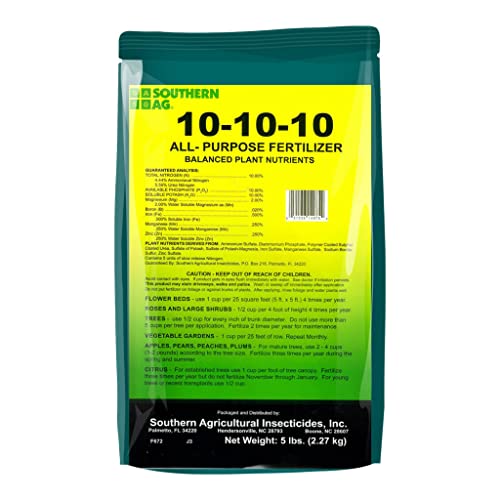
5. Southern Ag All Purpose Granular Fertilizer 10-10-10
Rating: 9.0/10
The Southern Ag All Purpose Granular Fertilizer 10-10-10, in its handy 5 LB size, is designed to give your plants the balanced nutrients they need to thrive. This fertilizer provides an equal mix of nitrogen, phosphorus, and potassium, which are essential for healthy growth, strong roots, and vibrant blooms. It’s a straightforward option for gardeners looking to boost the overall health and appearance of their flowers, vegetables, and other garden plants.
What We Like:
- Provides a balanced 10-10-10 nutrient ratio, great for general plant feeding.
- The granular form is easy to spread and work into the soil.
- The 5 LB size is convenient for smaller gardens or for trying out the product.
- It’s a cost-effective way to nourish your plants.
What Could Be Improved:
- The “N/A” for specific features suggests that detailed information might be limited, which could be a drawback for some users.
- Packaging could be more robust to prevent spills during transport or storage.
For general garden feeding, the Southern Ag All Purpose Granular Fertilizer 10-10-10 is a solid and budget-friendly choice. It helps your plants get the essential building blocks they need for a flourishing garden.
Your Garden’s Best Friend: A Fertilizer Buying Guide
Does your garden look a little sad? Are your plants not growing as tall or as colorful as you’d like? Fertilizer can be the secret ingredient to a thriving garden! Choosing the right fertilizer might seem tricky, but this guide will help you pick the perfect food for your plants.
Key Features to Look For
When you’re shopping for fertilizer, keep these important things in mind:
- Nutrient Ratios (NPK): This is the most important thing. You’ll see three numbers on the bag, like 10-10-10. These numbers stand for Nitrogen (N), Phosphorus (P), and Potassium (K).
- Nitrogen (N): Helps plants grow big, green leaves. Think of it as a growth spurt for foliage.
- Phosphorus (P): Good for strong roots and healthy flowers or fruits. It’s like the plant’s energy booster.
- Potassium (K): Helps plants fight off diseases and handle tough weather. This is the plant’s immune system.
- Type of Fertilizer:
- Granular: These are small pellets that you spread around your plants. They release nutrients slowly, which is good for long-term feeding.
- Liquid: You mix these with water and pour them on your plants. They work fast, giving plants a quick boost.
- Organic: Made from natural materials like compost, manure, or bone meal. They improve soil health over time.
- Synthetic: Made in a lab. They provide nutrients quickly and precisely.
- Slow-Release vs. Quick-Release: Slow-release fertilizers feed your plants over a longer period. Quick-release fertilizers give plants nutrients right away.
Important Materials
Fertilizers get their power from different ingredients.
- For Synthetic Fertilizers: These often contain chemicals like ammonium nitrate (for nitrogen), superphosphate (for phosphorus), and potassium chloride (for potassium).
- For Organic Fertilizers: These can include:
- Compost: Decomposed food scraps and yard waste.
- Manure: Animal droppings that have been aged.
- Bone Meal: Made from ground animal bones.
- Fish Emulsion: Made from fish parts.
Factors That Improve or Reduce Quality
What makes a fertilizer great, and what makes it not so great?
- Improves Quality:
- Balanced NPK Ratio: The right mix of nutrients for your specific plant needs.
- Micronutrients: Some fertilizers include small amounts of other important nutrients like iron, zinc, and manganese. These are like vitamins for plants.
- Good Brand Reputation: Companies known for making quality products usually have better fertilizers.
- Clear Instructions: Easy-to-follow directions on the packaging help you use it correctly.
- Reduces Quality:
- Too Much of One Nutrient: An overload of one nutrient can actually harm your plants.
- Poorly Mixed Ingredients: If the nutrients aren’t spread evenly, some plants might get too much and others too little.
- Old or Damaged Packaging: This can mean the fertilizer has lost its effectiveness or might be contaminated.
- No Clear Labeling: If you can’t tell what’s inside, it’s hard to know if it’s right for your garden.
User Experience and Use Cases
How do people use fertilizer, and what results do they see?
- For New Gardeners: Starting with an all-purpose, balanced fertilizer like a 10-10-10 granular type is a good idea. It’s forgiving and works for most plants. You just spread it around the base of your plants according to the package directions.
- For Vegetable Gardens: You might need different fertilizers at different times. For leafy greens like lettuce, a fertilizer higher in nitrogen is great. For fruiting plants like tomatoes or peppers, one with more phosphorus and potassium helps them produce more. Liquid fertilizers can be used for a quick boost when plants are flowering or setting fruit.
- For Flower Gardens: To get lots of blooms, look for fertilizers that have a higher middle number (Phosphorus). This helps them produce beautiful flowers.
- For Lawns: Lawn fertilizers are specifically designed to make grass green and thick. They often have a higher nitrogen number.
- For Houseplants: These need special, often liquid, fertilizers made for indoor plants. They are usually gentler.
Choosing the right fertilizer helps your plants grow strong, healthy, and beautiful. Happy gardening!
Frequently Asked Questions About Garden Fertilizer
Q: What does the NPK number on a fertilizer bag mean?
A: The NPK number shows the percentage of three main nutrients: Nitrogen (N), Phosphorus (P), and Potassium (K). These numbers tell you how much of each nutrient is in the fertilizer.
Q: Should I use organic or synthetic fertilizer?
A: Organic fertilizers improve soil health over time and release nutrients slowly. Synthetic fertilizers provide nutrients quickly and are often more precise. Both have their benefits, and the best choice depends on your gardening goals.
Q: How often should I fertilize my garden?
A: This depends on the type of fertilizer and the plants you are growing. Always follow the instructions on the fertilizer package. Some fertilizers are applied once or twice a year, while others are used more often.
Q: Can I use too much fertilizer?
A: Yes, you can. Using too much fertilizer can burn your plants’ roots and harm them. It’s important to follow the recommended amounts carefully.
Q: What is the best fertilizer for flowering plants?
A: For plants that produce flowers, a fertilizer with a higher middle number (Phosphorus) is usually best. This helps encourage more blooms.
Q: How do I know which fertilizer to choose for my specific plants?
A: Look at the NPK numbers. Plants that need more leafy growth benefit from higher Nitrogen. Plants that need to flower or produce fruit benefit from higher Phosphorus and Potassium.
Q: What is slow-release fertilizer?
A: Slow-release fertilizer feeds your plants nutrients over a longer period, often weeks or months. This means you don’t have to fertilize as often.
Q: Can I use fertilizer on a vegetable garden?
A: Yes, absolutely! Fertilizer helps vegetables grow bigger and taste better. You might need different fertilizers for different stages of growth.
Q: What are micronutrients in fertilizer?
A: Micronutrients are nutrients that plants need in very small amounts, like iron or zinc. Some fertilizers include these to give plants a more complete diet.
Q: How do I store leftover fertilizer?
A: Store fertilizer in a cool, dry place away from children and pets. Make sure the bag or container is sealed tightly to keep moisture out.
In conclusion, every product has unique features and benefits. We hope this review helps you decide if it meets your needs. An informed choice ensures the best experience.
If you have any questions or feedback, please share them in the comments. Your input helps everyone. Thank you for reading.