

Imagine biting into a perfectly ripe, juicy apple, or plucking a sun-warmed peach straight from your own tree. That dream harvest, however, can feel far away when your fruit trees aren’t producing the way you hoped. Many home gardeners face the frustrating reality of stunted growth, fewer blossoms, and disappointing fruit quality. It’s a common problem, and often, the missing piece of the puzzle is the right fertilizer.
Choosing the perfect fertilizer for your fruit trees can feel like navigating a maze. There are so many different types, each with its own numbers and promises. What does NPK even mean? Which one will truly help your trees thrive, not just survive? It’s easy to feel overwhelmed and unsure if you’re making the best choice for your precious trees. But what if there was a simpler way to understand what your trees need?
This guide is here to clear the confusion. We’ll break down the basics of fruit tree nutrition and help you understand how different fertilizers work. By the end, you’ll feel confident in selecting the best food for your trees, leading to healthier plants, more abundant blooms, and, most importantly, a bountiful harvest of delicious fruit. Let’s dig in and give your fruit trees the nourishment they deserve!
Our Top 5 Fertilizer For Fruit Trees Recommendations at a Glance
Top 5 Fertilizer For Fruit Trees Detailed Reviews
1. Dr. Earth Natural Wonder Fruit Tree Fertilizer 4 lb

Rating: 8.9/10
Grow juicy, delicious fruit right in your backyard with Dr. Earth Natural Wonder Fruit Tree Fertilizer. This 4-pound bag is packed with the good stuff your fruit trees need to thrive. It’s made with natural ingredients that are safe for your family and pets. Plus, it’s certified organic and non-GMO, so you can feel good about what you’re putting into your soil.
What We Like:
- The NPK ratio of 5-5-2 is great for healthy fruit development.
- It’s completely safe for people and pets, giving you peace of mind.
- The Non-GMO Project Verified and Certified Organic labels mean it’s a natural, healthy choice.
- One 4-pound bag covers a good area – 60 square feet or 16 five-gallon pots.
- It feeds your trees for up to two months, so you don’t have to fertilize too often.
- The fertilizer is made right here in the USA using sustainable ingredients.
What Could Be Improved:
- For very large orchards, you might need to buy multiple bags, which could add up.
- While it feeds for two months, some gardeners might prefer a formula that lasts even longer.
This Dr. Earth fertilizer offers a natural and effective way to boost your fruit trees. It’s a simple solution for anyone wanting to grow better fruit.
2. Farmer’s Secret Fruit Tree Booster Fertilizer (32oz) – Super Concentrated and Phosphorus Rich – Formulated for All Fruit Trees Including Peach

Rating: 9.1/10
Get ready for a fruit-filled harvest with Farmer’s Secret Fruit Tree Booster Fertilizer! This powerful 32oz bottle is packed with nutrients to help your fruit trees thrive. It’s super concentrated, meaning a little goes a long way to make your trees healthy, strong, and produce tons of delicious fruit. Whether you have peach, banana, or apple trees, this formula is designed for them all.
What We Like:
- Super Concentrated Formula: You only need a tiny amount to make a big difference. This means one bottle lasts a long time, saving you money.
- Phosphorus Rich: This special ingredient helps your trees grow strong roots and bloom beautifully, leading to more fruit.
- Perfect for Early Growth: It’s made to give your trees the best food when they’re just starting to grow after winter, which is super important for a good harvest.
- Works on All Fruit Trees: No matter what kind of fruit tree you have, this fertilizer can help it grow better.
- Easy to Use: Just mix a little bit with water and pour it around the base of your tree. The instructions are clear and simple.
- Farmer-Approved: It uses the same science farmers trust, bringing professional-level care to your backyard garden.
- Made in the USA: This product is bottled with pride in Kentucky.
What Could Be Improved:
- Dilution Instructions for Young Trees: While clear, the instructions for very young trees (first two seasons) might require a bit of careful measuring to ensure the right amount is used.
This fertilizer is a fantastic way to give your fruit trees the boost they need for a bountiful harvest. You’ll be enjoying homegrown fruit in no time!
3. Jobe’s Organics Granular Garden Fertilizer

Rating: 9.3/10
Grow juicy fruits and vibrant citrus with Jobe’s Organics Granular Garden Fertilizer. This 4-pound bag is packed with everything your fruit and citrus plants need to thrive. It’s made to be clean and easy to use, so you won’t have to worry about a big mess or bad smells. Just sprinkle it around your plants, and they’ll get the right food for lots of delicious fruit and beautiful green leaves.
What We Like:
- It’s all-natural and safe for organic gardening, meaning no yucky synthetic chemicals.
- The special formula (3-5-5 NPK) gives your fruit and citrus plants the exact nutrients they need for a great harvest.
- Using it is super simple – just spread it around every 4-8 weeks during the growing season.
- You can easily measure out the right amount, so you don’t have to stress about giving your plants too much food.
- It’s designed to prevent wasteful runoff, keeping your garden and the environment cleaner.
What Could Be Improved:
- The 4-pound bag might be a bit small for gardeners with many large fruit trees.
- While easy to use, it still requires a little effort to spread around plants.
Jobe’s Organics fertilizer makes growing your own delicious fruits and citrus simple and effective. You’ll love the results you see in your garden.
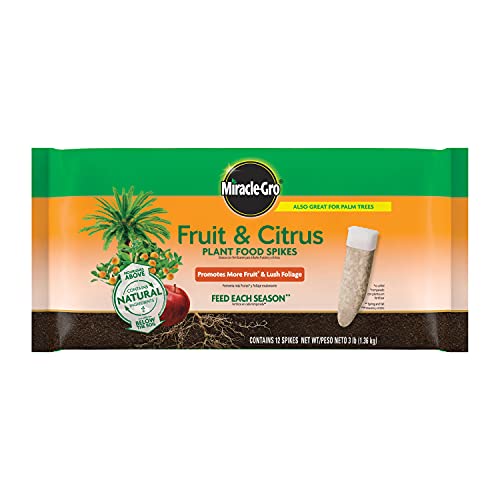
4. Miracle-Gro Fruit & Citrus Plant Food Spikes
Rating: 9.4/10
Want to grow more juicy fruits and see your citrus trees become super lush? Miracle-Gro Fruit & Citrus Plant Food Spikes are here to help! These easy-to-use spikes are like a special meal for your fruit-bearing plants and even palm trees. They give your plants exactly what they need, right where they need it – at the roots.
What We Like:
- Helps plants grow more fruit and have greener leaves.
- Made with natural ingredients.
- You only need to use them twice a year, once in spring and once in fall.
- They work great for palm trees too!
- The spikes are simple to push into the soil.
- Nutrients go straight to the roots, helping plants grow strong.
What Could Be Improved:
- The spikes are designed for specific feeding times, so you can’t just use them whenever.
- If you have a very large garden with many fruit trees, you might need a lot of spikes.
Overall, these spikes are a simple and effective way to give your fruit and citrus trees the boost they need for a bountiful harvest. They make feeding your plants easy and rewarding.
5. Jobe’s Organics Granular Garden Fertilizer

Rating: 8.9/10
Grow bigger, tastier fruits and nuts with Jobe’s Organics Granular Garden Fertilizer! This 4-pound bag is packed with plant food specifically for your fruit and nut trees. It’s made to be good for your plants and good for the environment. You can easily feed your plants without making a mess or worrying about strong smells. It’s a simple way to help your garden thrive.
What We Like:
- This fertilizer is made with organic ingredients. It’s OMRI listed, which means it’s approved for organic gardening by the USDA.
- It has a 3-5-5 NPK formula. This gives your fruit and nut plants the right nutrients they need for lots of yummy fruit and healthy green leaves.
- Applying it is super easy. Just spread it around your plants every 4 to 8 weeks during the growing season.
- The grains are easy to measure. This helps you give your plants the perfect amount of food without hurting them by giving them too much.
- It helps prevent wasteful runoff, mess, hazards, and smells, making gardening cleaner and safer.
What Could Be Improved:
- The application frequency of every 4-8 weeks might require a bit of remembering during a busy growing season.
- While organic, the upfront cost of a 4lb bag might be a consideration for very large orchards compared to synthetic options.
Jobe’s Organics Granular Fertilizer is a fantastic choice for gardeners who want to grow healthy, productive fruit and nut plants the natural way. It simplifies feeding your trees and helps them produce a bountiful harvest.
Choosing the Best Fertilizer for Your Fruit Trees
Growing delicious fruit right in your backyard is a rewarding experience. To get the best harvests, your fruit trees need the right food – fertilizer! This guide will help you pick the perfect fertilizer to make your trees strong and productive.
Why Fertilize Fruit Trees?
Fruit trees need nutrients to grow, bloom, and produce fruit. Over time, they use up the nutrients in the soil. Fertilizing replenishes these nutrients, giving your trees the energy they need to thrive.
Key Features to Look For in Fruit Tree Fertilizer
When you’re shopping for fertilizer, keep these important features in mind:
-
Balanced Nutrients (NPK Ratio): Fertilizers have three main numbers on their bags, like 10-10-10. These numbers represent Nitrogen (N), Phosphorus (P), and Potassium (K).
- Nitrogen (N): Helps with leafy green growth. Too much can make your tree grow lots of leaves but not much fruit.
- Phosphorus (P): Important for root development and flowering.
- Potassium (K): Helps the tree fight off diseases and produce good quality fruit.
A balanced fertilizer (where the numbers are similar) is often a good start. For fruit trees, you might look for one with a bit more phosphorus and potassium, especially when the tree is mature.
-
Slow-Release vs. Quick-Release:
- Quick-release fertilizers give your tree nutrients right away. They are good for a fast boost but can sometimes burn the roots if too much is used.
- Slow-release fertilizers feed your tree over a longer period. They are safer and provide a steady supply of food. This is often a better choice for fruit trees.
-
Organic vs. Synthetic:
- Organic fertilizers come from natural sources like compost, manure, or bone meal. They improve soil health over time and are gentler on plants.
- Synthetic fertilizers are made in factories. They offer precise nutrient amounts but don’t improve soil structure as much.
-
Micronutrients: Fruit trees also need small amounts of other nutrients like iron, zinc, and manganese. Some fertilizers include these to ensure your tree gets everything it needs.
Important Materials to Consider
The ingredients in your fertilizer matter. Look for fertilizers that contain:
- Nitrogen (N): Sources include urea, ammonium sulfate, or blood meal.
- Phosphorus (P): Often comes from rock phosphate or bone meal.
- Potassium (K): Commonly found in potash or sulfate of potash.
- Organic Matter: If choosing organic, look for compost, aged manure, or worm castings. These add beneficial microbes to the soil.
Factors That Improve or Reduce Fertilizer Quality
-
Improve Quality:
- Slow-release formulas provide consistent feeding.
- Organic ingredients build healthy soil.
- Complete nutrient profiles (including micronutrients) offer balanced nutrition.
- Reputable brands usually have higher quality control.
-
Reduce Quality:
- Too much nitrogen can lead to excessive leafy growth and fewer fruits.
- Over-fertilizing can “burn” the roots, damaging the tree.
- Poorly mixed fertilizers may not provide even nutrient distribution.
- Fertilizers with fillers might offer less actual plant food.
User Experience and Use Cases
- Beginner Gardeners: Simple, balanced, slow-release fertilizers are easiest to use. They are forgiving and less likely to cause problems.
- Established Trees: Mature trees might need a fertilizer tailored to fruit production, often with higher phosphorus and potassium.
- Specific Tree Types: Some fruit trees have unique needs. For example, citrus trees often benefit from fertilizers with extra magnesium.
- Soil Type: Sandy soils lose nutrients faster, so slow-release or frequent, light applications might be necessary. Clay soils hold nutrients better.
Frequently Asked Questions about Fruit Tree Fertilizer
Q: How often should I fertilize my fruit trees?
A: Most fruit trees benefit from fertilizing once in late winter or early spring before new growth begins. Some may need a second application in late spring or early summer, especially young trees or those in sandy soil. Always follow the product’s instructions.
Q: When is the best time to fertilize fruit trees?
A: The best time is usually in late winter or early spring. This helps the tree prepare for new growth and flowering. Avoid fertilizing in late summer or fall, as this can encourage new growth that may be damaged by frost.
Q: How much fertilizer should I use?
A: The amount depends on the fertilizer’s strength (NPK ratio) and the tree’s age and size. Always read and follow the directions on the fertilizer package. It’s better to use too little than too much.
Q: Can I use a general-purpose fertilizer on my fruit trees?
A: Yes, a balanced, general-purpose fertilizer can work, especially for young trees. However, fertilizers specifically designed for fruit trees often provide the right balance of nutrients for better fruit production.
Q: What does the NPK ratio mean on a fertilizer bag?
A: NPK stands for Nitrogen (N), Phosphorus (P), and Potassium (K). These are the three main nutrients plants need. The numbers on the bag tell you the percentage of each nutrient in the fertilizer.
Q: Should I use organic or synthetic fertilizer for my fruit trees?
A: Both can work. Organic fertilizers improve soil health over time and are gentler. Synthetic fertilizers provide nutrients quickly and precisely. Many gardeners prefer organic for long-term soil benefits.
Q: What are micronutrients, and do my fruit trees need them?
A: Micronutrients are essential nutrients that plants need in small amounts, like iron, zinc, and manganese. Many fruit trees need these to stay healthy and produce good fruit. Some fertilizers include them.
Q: How do I know if my fruit tree needs fertilizer?
A: Signs include slow growth, pale or yellowing leaves (especially older leaves), and poor fruit production. However, it’s best to fertilize on a regular schedule rather than waiting for problems to appear.
Q: Can I fertilize a newly planted fruit tree?
A: Wait a few weeks after planting before fertilizing. Use a fertilizer that is less concentrated or a starter fertilizer designed for new plants. This helps the tree establish its roots without being overwhelmed.
Q: What happens if I over-fertilize my fruit tree?
A: Over-fertilizing can damage the tree’s roots, leading to yellowing leaves, stunted growth, or even death. It can also cause the tree to produce too much leafy growth and not enough fruit.
In conclusion, every product has unique features and benefits. We hope this review helps you decide if it meets your needs. An informed choice ensures the best experience.
If you have any questions or feedback, please share them in the comments. Your input helps everyone. Thank you for reading.