

Imagine biting into a juicy, sun-ripened peach straight from your own backyard. Or plucking a perfectly sweet strawberry, bursting with flavor. For many home gardeners, this dream feels just out of reach. You might have the perfect spot, the right plants, but your fruit harvest is disappointing. You’re not alone! Choosing the right fertilizer for your fruit plants can feel like navigating a maze. So many bags and bottles claim to be the best, and it’s easy to get confused. What if you pick the wrong one and harm your precious plants?
Don’t let this frustration stop you from enjoying the fruits of your labor! This guide is here to help. We’ll break down the mystery of fruit plant fertilizers so you can understand exactly what your plants need. You’ll learn about the different types of nutrients, how to read fertilizer labels, and which ones will give your fruit the biggest boost. By the end of this post, you’ll have the knowledge to confidently select the perfect fertilizer, leading to healthier plants and a bountiful harvest you’ll be proud of.
Our Top 5 Fertilizer For Fruit Plants Recommendations at a Glance
Top 5 Fertilizer For Fruit Plants Detailed Reviews
1. Jobe’s Organics Granular Garden Fertilizer

Rating: 9.3/10
Want bigger, tastier fruit and brighter green leaves on your citrus trees? Jobe’s Organics Granular Garden Fertilizer is here to help! This 4-pound bag is packed with all the good stuff your fruit and citrus plants need to thrive. It’s made to be good for the planet, too, meaning less mess and no yucky smells. Plus, it’s super easy to use, so you can give your plants a nutrient boost without any fuss.
What We Like:
- It’s organic and OMRI listed, so you know it’s safe for your garden and the environment.
- The 3-5-5 NPK formula is just right for fruit and citrus, helping them grow strong and produce more fruit.
- Application is simple: just sprinkle it around your plants every 4-8 weeks.
- It won’t waste away or cause harm, which is great for your garden.
- You can easily measure what you need, so you won’t accidentally give your plants too much.
What Could Be Improved:
- The 4-pound bag might be a bit small for gardeners with many fruit trees.
- While easy to use, beginners might need a little guidance on exact measurements for different plant sizes.
This Jobe’s Organics fertilizer is a fantastic option for anyone wanting to give their fruit and citrus plants the best care. Your plants will thank you with a bountiful harvest!
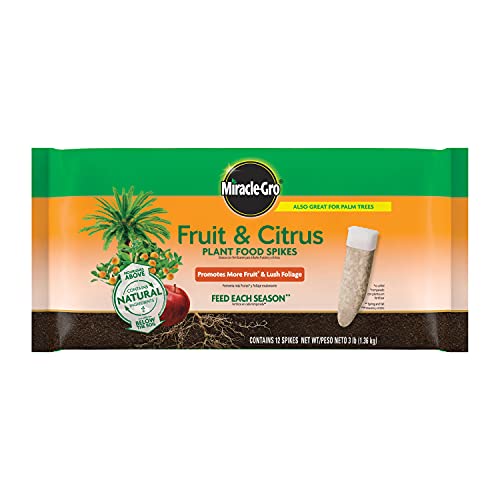
2. Miracle-Gro Fruit & Citrus Plant Food Spikes
Rating: 9.2/10
Want to grow more yummy fruit and have greener, healthier plants? Miracle-Gro Fruit & Citrus Plant Food Spikes are here to help! These little spikes make it super simple to feed your fruit trees, citrus plants, and even palm trees. They work by releasing food right where the roots can get it, making your plants strong and productive.
What We Like:
- Spikes make feeding your plants a breeze.
- Plants grow more fruit and have lusher leaves compared to plants that don’t get fed.
- Uses natural ingredients, which is good for the environment.
- You only need to use them twice a year – once in spring and again in fall.
- They are also fantastic for keeping palm trees looking their best.
- The easy-to-use spikes deliver nutrients right to the roots.
What Could Be Improved:
- The spikes are designed for specific plants, so they won’t work for every single type of plant.
- While they are easy to use, you need to be careful not to bend or break them when pushing them into the soil.
Overall, Miracle-Gro Fruit & Citrus Plant Food Spikes are a simple solution for healthier, more fruitful plants. They make feeding your garden easy and effective.
3. Espoma Organic Citrus-Tone 5-2-6 Natural & Organic Fertilizer and Plant Food for All Citrus

Rating: 8.6/10
Get ready for a fruitful harvest with Espoma Organic Citrus-Tone! This 4 lb. bag of natural and organic fertilizer is designed to give your citrus, fruit, nut, and avocado trees the boost they need for strong growth and loads of delicious fruit. It’s made with the finest natural ingredients and includes Espoma’s special Bio-tone formula, giving your plants a 5-2-6 nutrient mix with a little extra calcium.
What We Like:
- It works great for all kinds of citrus trees like lemons, limes, and oranges.
- Avocado and nut trees love it too!
- The 5-2-6 fertilizer blend with added calcium helps plants grow strong.
- It’s safe for the environment because it doesn’t use any yucky sludges or poisons.
- This fertilizer is approved for organic gardening, meaning it meets strict rules.
- It’s super easy to use – just sprinkle it around the tree’s drip line and water. No mixing needed!
- It’s made right here in the USA by a company that’s been a leader in natural products since 1929.
What Could Be Improved:
- The 4 lb. bag might be a bit small for larger orchards or if you have many trees.
- The instructions suggest specific times to fertilize, which might require a bit of planning.
If you want healthier trees and more tasty fruit, Espoma Organic Citrus-Tone is a fantastic choice for your garden.
4. Miracle-Gro Shake ‘N Feed Tomato

Rating: 9.4/10
Dreaming of juicy tomatoes, sweet berries, and crisp veggies right from your garden? The Miracle-Gro Shake ‘N Feed Tomato, Fruit and Vegetable Plant Food is here to help make that a reality. This special plant food is designed to give your edible plants exactly what they need to thrive, whether they’re growing in the ground or in pots on your patio. It’s a simple way to boost your harvest and enjoy delicious, home-grown food.
What We Like:
- It feeds your plants for a long time, up to 3 months, so you don’t have to worry about feeding them constantly.
- It contains calcium, which helps make your fruits and vegetables stronger and last longer.
- It works for all sorts of plants like tomatoes, fruits, and vegetables, no matter where you plant them.
- It’s easy to use – just shake it on and water!
- It uses natural ingredients to feed your plants above and below the soil.
What Could Be Improved:
- The 1 lb bag might run out quickly if you have a very large garden or many plants.
- For very established plants, you might need to be careful not to overwork the food into the soil.
With Miracle-Gro Shake ‘N Feed, you can expect to see healthier plants and enjoy a more bountiful harvest. It’s a fantastic tool for any gardener looking to grow their best produce.
5. Farmer’s Secret Fruit & Bloom Booster Fertilizer (16oz) – Super Concentrated – Boosts Flowering and Yield on All Varieties of Fruits

Rating: 8.9/10
The Farmer’s Secret Fruit & Bloom Booster Fertilizer is your secret weapon for a garden bursting with life. This super concentrated formula is designed to give your plants a boost, especially when the seasons start to change. It helps your plants grow stronger roots. This makes them better at soaking up nutrients. That means more flowers and more yummy fruits and veggies for you!
What We Like:
- Makes your plants produce lots of beautiful flowers and tasty fruits.
- Works on all kinds of plants, like fruit trees, berries, and colorful flowers.
- You only need a tiny bit because it’s super concentrated, so one bottle lasts a long time.
- It’s very easy to mix with water and use.
- Perfect for giving your plants extra help in late summer and early fall.
What Could Be Improved:
- The instructions for dilution are very specific, so pay close attention.
- It’s formulated for a specific time of year, so you might need other fertilizers for different seasons.
If you want to see your garden thrive in the later part of the growing season, this fertilizer is a fantastic choice. Get ready for a harvest you won’t believe!
Choosing the Best Fertilizer for Your Fruit Plants
Growing delicious fruit right in your backyard is a rewarding experience. To get the juiciest berries and the sweetest apples, you need to give your plants the right food – fertilizer! This guide will help you pick the perfect fertilizer so your fruit plants can thrive.
What to Look For: Key Features
When you’re shopping for fertilizer, keep these important features in mind.
1. The N-P-K Numbers: A Plant’s Diet
- Nitrogen (N): This helps plants grow green leaves and strong stems. Think of it as the plant’s energy booster for growth.
- Phosphorus (P): This is super important for healthy roots and flowers. Good roots help the plant soak up water and nutrients. Phosphorus also helps your plants produce more fruit.
- Potassium (K): This nutrient helps the whole plant stay strong and fight off diseases. It also helps fruits develop good flavor and color.
You’ll see three numbers on fertilizer bags, like 10-10-10. These numbers tell you the percentage of Nitrogen, Phosphorus, and Potassium in the fertilizer. A balanced fertilizer has similar numbers. For fruit plants, you might want a fertilizer with slightly more Phosphorus and Potassium to encourage fruiting.
2. Slow-Release vs. Quick-Release
- Quick-Release: This fertilizer works fast. Your plants get nutrients right away. But, you’ll need to apply it more often. Sometimes, too much can burn delicate roots.
- Slow-Release: This fertilizer releases nutrients over a longer time. It’s like a steady meal for your plants. You don’t have to fertilize as often, and it’s gentler on roots.
3. Organic vs. Synthetic
- Organic Fertilizers: These come from natural sources like compost, manure, or bone meal. They improve the soil over time and feed beneficial soil microbes. They often release nutrients more slowly.
- Synthetic Fertilizers: These are made in a lab. They provide nutrients quickly and precisely. They are usually cheaper and easier to find.
Important Materials in Fertilizer
Fertilizers contain essential nutrients. Besides N-P-K, some also have:
- Micronutrients: These are needed in smaller amounts but are still vital. Examples include iron, zinc, and manganese. They help with things like leaf color and overall plant health.
- Compost: This is decomposed organic matter. It adds nutrients and greatly improves soil structure, helping with drainage and water retention.
What Makes Fertilizer Better or Worse?
Several things can affect how good a fertilizer is for your fruit plants.
Factors That Improve Quality:
- Balanced N-P-K Ratio: The right numbers for your specific fruit plant.
- Presence of Micronutrients: These help plants grow strong and healthy.
- Slow-Release Formula: Provides steady feeding and is less likely to harm plants.
- Organic Matter Content: Especially in organic fertilizers, this improves soil health.
Factors That Reduce Quality:
- Too Much of One Nutrient: Can cause imbalances and harm plant growth. For example, too much nitrogen can lead to lots of leaves but few fruits.
- Lack of Essential Nutrients: If a key nutrient is missing, your plant won’t grow well.
- Poorly Processed Ingredients: In organic fertilizers, if materials aren’t fully composted, they can cause problems.
- High Salt Content: Some synthetic fertilizers can build up salts in the soil, which can damage roots.
User Experience and Use Cases
People use fertilizers in different ways depending on their goals and gardening style.
- Beginner Gardeners: Often choose balanced, easy-to-use, slow-release fertilizers. These are forgiving and help ensure basic needs are met.
- Experienced Gardeners: Might use soil tests to figure out exactly what nutrients their plants need and choose specific blends or even create their own. They might opt for organic methods to build healthy soil.
- Specific Fruit Plants: Berry bushes might need a different fertilizer than fruit trees. Tomatoes, which are technically fruits, also have specific needs. Always check what your particular plant likes best!
Frequently Asked Questions About Fruit Plant Fertilizer
Q: How often should I fertilize my fruit plants?
A: It depends on the fertilizer and the plant. Generally, you fertilize when plants start to grow in spring and sometimes again in mid-summer. Slow-release fertilizers need less frequent application than quick-release ones.
Q: Can I use the same fertilizer for all my fruit plants?
A: Most fruit plants benefit from a balanced fertilizer. However, some, like blueberries, prefer acidic soil and might need a special fertilizer. It’s good to check the needs of your specific fruit.
Q: What does “bloom booster” fertilizer mean?
A: Bloom boosters have higher phosphorus numbers. They are designed to encourage plants to produce more flowers, which can lead to more fruit.
Q: Is it okay to fertilize when plants are fruiting?
A: Yes, some plants benefit from a mid-season feeding. However, too much nitrogen during fruiting can make the fruit taste bland. Focus on phosphorus and potassium.
Q: What are the signs my fruit plant needs fertilizer?
A: Look for slow growth, pale or yellow leaves (especially older ones), and poor fruit production. These are signs your plant is missing important nutrients.
Q: Can I over-fertilize my fruit plants?
A: Yes, you can. Too much fertilizer can burn the roots, cause excessive leaf growth at the expense of fruit, and even harm the plant. Always follow the package directions.
Q: How do I apply fertilizer?
A: Most fertilizers are spread around the base of the plant, away from the trunk, and then watered in. Granular fertilizers are mixed into the soil. Liquid fertilizers are diluted with water.
Q: Should I use organic or synthetic fertilizer?
A: Organic fertilizers improve soil health over time and are gentler. Synthetic fertilizers offer quick, targeted nutrition. Both can be effective, and many gardeners use a combination.
Q: How do I know if my soil needs fertilizer?
A: The best way is to get a soil test. This tells you exactly what nutrients are missing. You can also observe your plants for signs of nutrient deficiency.
Q: What is the best time of year to fertilize fruit plants?
A: The most common time is in early spring when new growth begins. Some plants might benefit from a second, lighter feeding in early summer.
In conclusion, every product has unique features and benefits. We hope this review helps you decide if it meets your needs. An informed choice ensures the best experience.
If you have any questions or feedback, please share them in the comments. Your input helps everyone. Thank you for reading.