
Imagine your crape myrtle tree bursting with vibrant blooms, a cascade of color that brightens your entire yard. But sometimes, despite your best efforts, those spectacular flowers just don’t appear, or the leaves look a little pale. It can be frustrating when your beautiful plant isn’t thriving.
Choosing the right fertilizer for your crape myrtle can feel like a puzzle. There are so many different types, and figuring out what your tree actually needs can be confusing. You want to give it the best care, but it’s easy to feel lost in a sea of numbers and ingredients. What if you pick the wrong one and it does more harm than good?
Don’t worry! By the end of this post, you’ll understand exactly what your crape myrtle needs to flourish. We’ll break down the mystery of fertilizer numbers, explain the best times to feed your tree, and reveal simple secrets to unlock its full blooming potential. Get ready to transform your crape myrtle into a showstopper!
Our Top 5 Fertilizer For Crape Myrtles Recommendations at a Glance
Top 5 Fertilizer For Crape Myrtles Detailed Reviews
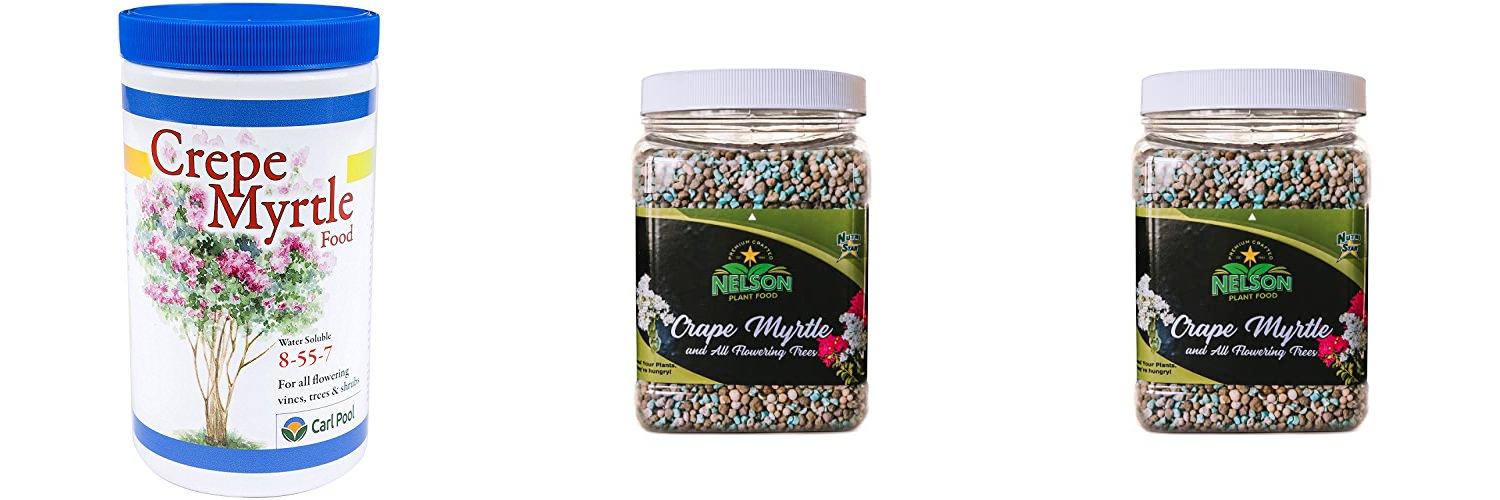
1. Carl Pool Crepe Myrtle Plant Food 24oz 8-55-7

Rating: 8.9/10
Are you ready for vibrant, blooming crepe myrtles? The Carl Pool Crepe Myrtle Plant Food 24oz 8-55-7 is here to help your plants thrive. This special food is made just for crepe myrtles. It gives them the nutrients they need to grow strong and show off beautiful flowers. You can find it easily on Amazon.
What We Like:
- It’s designed specifically for crepe myrtles.
- You’ll see results quickly!
- It feeds your plants through both their roots and leaves.
- The formula is scientifically made for the best plant growth.
- It’s available for purchase on Amazon, making it easy to get.
What Could Be Improved:
- The 24oz size might run out quickly for very large gardens.
- While it’s great for crepe myrtles, it’s not suitable for other types of plants.
This plant food offers a simple way to boost your crepe myrtles. Get ready to enjoy healthier, more colorful blooms this season.
2. Crape Myrtle & All Flowering Trees Desert Willow Mimosa Orchid Tree Indoor Outdoor Container Grown Granular Fertilizer NutriStar (4 lb.)

Rating: 9.0/10
This NutriStar granular fertilizer is specifically made for Crape Myrtles and other beautiful flowering trees like Desert Willows, Mimosas, and Orchid Trees. It works for plants grown both inside and outside in containers. The 4 lb. bag is a good size for many gardeners.
What We Like:
- It feeds your flowering trees the nutrients they need.
- This fertilizer helps promote strong blooms.
- It’s easy to spread around the base of your plants.
- The formula is designed for a variety of popular flowering trees.
- It’s convenient to buy on Amazon.
What Could Be Improved:
- The 4 lb. bag might be too small for someone with many trees.
- It’s a granular fertilizer, so some people prefer liquid options.
- Instructions could be clearer for very specific tree types.
This NutriStar fertilizer is a solid choice for anyone wanting to boost their flowering trees’ health and bloom production. It offers a simple way to give your plants the food they crave.
3. Crape Myrtle & All Flowering Trees Desert Willow Mimosa Orchid Tree Indoor Outdoor Container Grown Granular Fertilizer NutriStar 10-15-9 (2 lb.)
Rating: 8.6/10
Unlock the secret to vibrant blooms with NutriStar 10-15-9, the granular fertilizer designed to make your flowering trees the envy of the neighborhood. This plant food is a game-changer for Crape Myrtles, Desert Willows, Mimosas, Orchid Trees, and any other plant that bursts into flower. It’s perfect for both in-ground beauties and container-grown darlings on your patio.
What We Like:
- This fertilizer packs a powerful punch with a balanced NPK ratio (10-15-9) that specifically targets flowering plants.
- It contains essential micronutrients like sulfur, copper, iron, manganese, and zinc, which are crucial for creating more blooms, bigger blooms, and a greater quantity of blooms.
- NutriStar boasts five different nitrogen sources, each releasing nutrients at its own pace. This ensures your plants receive steady nutrition for up to 4 months, preventing shock and promoting continuous growth.
- It works with the soil’s natural biology to deliver the right nutrients at the right time, giving your plants an immediate boost and lasting benefits.
- Trusted by landscapers since 1986, this is a high-quality product that truly delivers on its promises.
- It’s incredibly versatile and can be used on almost any plant that produces flowers, whether it’s in a garden bed or a pot.
What Could Be Improved:
- While the 2 lb. bag is convenient for smaller gardens, larger landscaping projects might require purchasing multiple bags, which could add up.
- The product description mentions recommended application rates and a plant list, but these details are not directly on the packaging itself, requiring a separate look-up.
NutriStar 10-15-9 is a top-tier choice for anyone serious about cultivating stunning flowering trees. Give your plants the superior nutrition they deserve and enjoy an explosion of color.
4. Crepe Myrtle Fertilizer

Rating: 8.6/10
Give your crepe myrtle trees the best with our Complete Liquid Crepe Myrtle Tree Plant Food. This 8 oz bottle is packed with everything your trees need to grow strong and beautiful. It helps them produce amazing flowers and sturdy branches. Plus, it’s super easy to use!
What We Like:
- This fertilizer is complete, meaning it has all the good stuff your crepe myrtle needs to thrive.
- It makes your crepe myrtle trees bloom with bright, vibrant colors.
- It helps them grow strong, healthy branches that can support all those beautiful flowers.
- You get clear instructions that are simple to follow, even if you’re new to gardening.
- It’s proudly made right here in the USA, so you know you’re getting a quality product.
What Could Be Improved:
- For very large gardens or a lot of trees, you might need to buy multiple bottles since this is an 8 oz size.
- While the liquid form is easy to mix, some people might prefer a granular option.
This Crepe Myrtle Fertilizer is a fantastic way to ensure your trees look their absolute best. Your garden will thank you for it!
5. Crape Myrtle & All Flowering Trees Desert Willow Mimosa Orchid Tree Indoor Outdoor Container Grown Granular Fertilizer NutriStar (15 lb.)

Rating: 8.7/10
Give your beautiful flowering trees the boost they need with NutriStar Granular Fertilizer. This 15 lb. bag is specially made for Crape Myrtles, Desert Willows, Mimosas, and Orchid Trees. You can use it for plants grown both inside and outside in containers. It provides the essential nutrients your trees need to produce more blooms and stay healthy.
What We Like:
- Feeds a variety of flowering trees including Crape Myrtle, Desert Willow, Mimosa, and Orchid Tree.
- Suitable for both indoor and outdoor container-grown plants.
- Comes in a large 15 lb. bag, offering good value.
- Easy to apply granular form.
What Could Be Improved:
- Specific NPK ratio is not provided, making it hard to compare with other fertilizers.
- Instructions for application rates might need more detail for different plant sizes and stages.
- The “N/A” feature listed makes it difficult to assess other potential benefits or drawbacks.
NutriStar Fertilizer helps your flowering trees reach their full potential. It’s a solid option for anyone looking to improve the health and beauty of their container-grown flowering plants.
Choosing the Best Fertilizer for Your Crape Myrtle
Crape myrtles (Lagerstroemia) are stunning flowering trees and shrubs that add vibrant color to any garden. To keep them healthy and blooming profusely, the right fertilizer is essential. This guide will help you pick the perfect food for your crape myrtles.
Key Features to Look For
1. N-P-K Ratio
The most important thing on a fertilizer bag is the N-P-K ratio. These three numbers represent Nitrogen (N), Phosphorus (P), and Potassium (K). They tell you the percentage of each nutrient in the fertilizer. For crape myrtles, a balanced fertilizer is usually best. Look for ratios like 10-10-10 or 12-12-12. Some gardeners prefer a slightly higher Phosphorus number to encourage more blooms. A ratio like 10-20-10 can be beneficial.
2. Slow-Release vs. Quick-Release
Slow-release fertilizers feed your crape myrtles over a longer period. This means you won’t have to fertilize as often. Quick-release fertilizers give your plants a fast boost of nutrients. For most crape myrtles, a slow-release option is preferred to avoid over-fertilizing and potential root burn. You can apply it once or twice a year.
3. Micronutrients
Your crape myrtles also need smaller amounts of other nutrients, called micronutrients. These include iron, magnesium, and zinc. Many fertilizers include these. Healthy soil often provides some micronutrients, but adding them can boost your plant’s overall health, especially if your soil is lacking. Look for fertilizers that mention added micronutrients.
Important Materials
Fertilizers are made from various sources. Some are synthetic, meaning they are made in a lab. Others are organic, coming from natural sources like compost, manure, or bone meal. Organic fertilizers improve soil health over time, while synthetic ones offer a more direct nutrient boost. Both can work well for crape myrtles. Many gardeners choose a blend or focus on organic options for a more sustainable approach.
Factors That Improve or Reduce Quality
Improving Quality
- Balanced Nutrients: A fertilizer with a good balance of N-P-K and essential micronutrients will lead to healthier growth and more flowers.
- Slow-Release Formula: This prevents nutrient overload and provides steady feeding.
- Reputable Brand: Stick with well-known brands that have good reviews.
- Correct Application: Following the package directions is crucial.
Reducing Quality
- Too Much Nitrogen: This can lead to lots of leafy growth but fewer flowers.
- Wrong N-P-K Ratio: Using a fertilizer not suited for crape myrtles can hinder blooming.
- Over-fertilizing: Applying too much can burn the roots and damage the plant.
- Incorrect Timing: Fertilizing at the wrong time of year can be ineffective or harmful.
User Experience and Use Cases
Most gardeners find that fertilizing their crape myrtles in early spring, just as new growth appears, works best. A second application in early summer can sometimes encourage even more blooms. Beginners often find pre-mixed, slow-release fertilizers easiest to use. Experienced gardeners might experiment with different N-P-K ratios or organic amendments. Applying fertilizer around the drip line (the outer edge of the branches) and watering it in is a common practice. People use fertilizer to:
- Encourage vibrant, abundant blooms.
- Promote strong, healthy growth.
- Improve the plant’s resistance to pests and diseases.
- Revitalize older or struggling crape myrtles.
Frequently Asked Questions (FAQ)
Q1: When is the best time to fertilize my crape myrtle?
A1: The best time is in early spring when new growth begins. You can fertilize again in early summer if needed.
Q2: What is the ideal N-P-K ratio for crape myrtles?
A2: A balanced ratio like 10-10-10 or 12-12-12 is good. Some prefer slightly more phosphorus for blooms, like 10-20-10.
Q3: Should I use organic or synthetic fertilizer?
A3: Both work. Organic fertilizers improve soil over time, while synthetics offer a quicker nutrient boost. Choose what fits your gardening style.
Q4: How much fertilizer should I use?
A4: Always follow the instructions on the fertilizer package. Too much can harm your plant.
Q5: Can I fertilize my crape myrtle if it’s a new planting?
A5: Wait a few weeks after planting before fertilizing. This gives the roots time to settle.
Q6: What are the signs of over-fertilizing?
A6: Signs include yellowing leaves, burnt leaf edges, and stunted growth.
Q7: Do crape myrtles need special fertilizer?
A7: They benefit from a balanced fertilizer. A formula designed for flowering trees and shrubs is usually suitable.
Q8: What if my crape myrtle isn’t blooming?
A8: Lack of blooms can be due to too much nitrogen, not enough sunlight, or incorrect pruning. Ensure your fertilizer is balanced and consider these other factors.
Q9: How do I apply granular fertilizer?
A9: Spread it evenly around the base of the plant, out to the drip line, and then water it in thoroughly.
Q10: Can I fertilize crape myrtles in the fall?
A10: It’s generally not recommended. Fertilizing in fall can encourage new growth that is vulnerable to frost.
In conclusion, every product has unique features and benefits. We hope this review helps you decide if it meets your needs. An informed choice ensures the best experience.
If you have any questions or feedback, please share them in the comments. Your input helps everyone. Thank you for reading.