
Imagine biting into a perfectly ripe, juicy orange, bursting with sunshine flavor. That sweet, tangy goodness often starts not just with the right tree, but with the right food for your citrus! But when you walk down the gardening aisle, the sheer variety of fertilizers can feel overwhelming. Which one will truly make your lemon tree flourish or your grapefruit produce abundantly? It’s easy to feel lost, unsure if you’re feeding your trees what they truly need to thrive.
Choosing the wrong fertilizer can lead to sad, unproductive trees, yellowing leaves, or even no fruit at all. You want vibrant green leaves and a bounty of delicious fruit, but figuring out the perfect blend of nutrients can feel like a puzzle. This post is here to clear up the confusion and help you become a citrus-feeding pro!
By the time you finish reading, you’ll understand exactly what your citrus trees crave, how to pick the best fertilizer for their specific needs, and simple tips to ensure your trees are happy and healthy. Get ready to unlock the secrets to a more bountiful harvest and enjoy the fruits of your labor!
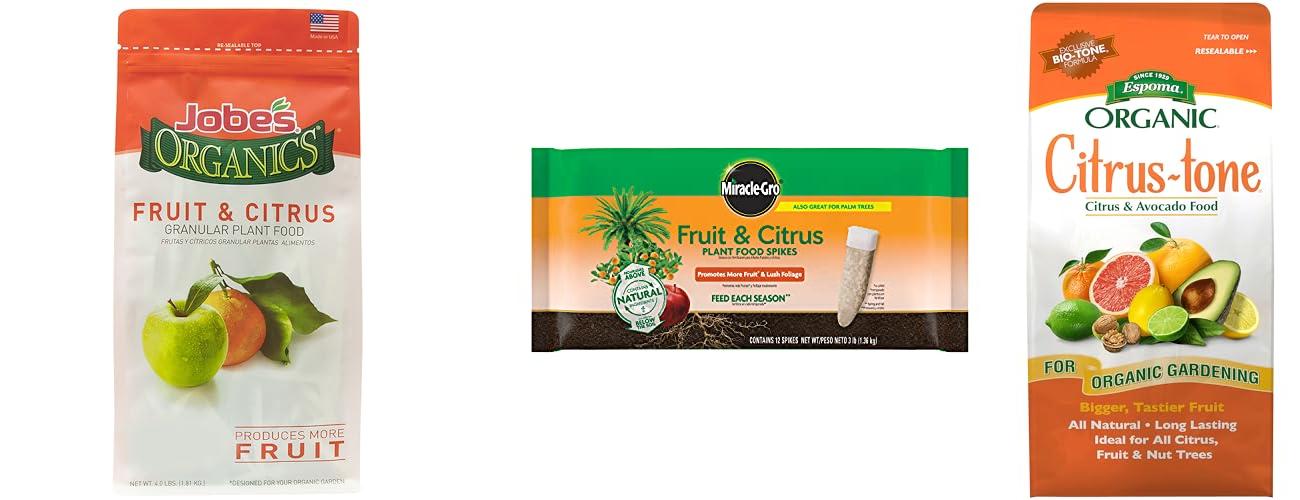
Our Top 5 Fertilizer For Citrus Fruit Trees Recommendations at a Glance
Top 5 Fertilizer For Citrus Fruit Trees Detailed Reviews
1. Jobe’s Organics Granular Garden Fertilizer

Rating: 9.5/10
Grow bigger, tastier fruit and keep your citrus trees looking their best with Jobe’s Organics Granular Garden Fertilizer. This 4-pound bag is packed with the nutrients your fruit and citrus plants crave. It’s designed to be mess-free and easy to use, so you can spend more time enjoying your garden and less time worrying about your plants.
What We Like:
- The 3-5-5 NPK formula gives fruit and citrus plants the right food for lots of fruit and healthy green leaves.
- It’s OMRI Listed, meaning it’s made with only organic ingredients and is safe for your garden.
- The granular form means no messy spills, bad smells, or extra hazards.
- You can easily measure out the perfect amount, so you won’t accidentally give your plants too much food.
- Applying it every 4-8 weeks during the growing season is simple.
What Could Be Improved:
- The 4-pound bag might be a bit small for gardeners with many fruit trees or a large citrus grove.
- While easy to use, it does require remembering to reapply every 4-8 weeks.
Jobe’s Organics Granular Garden Fertilizer is a smart choice for anyone wanting to boost their fruit and citrus production naturally. It makes feeding your plants simple and effective.
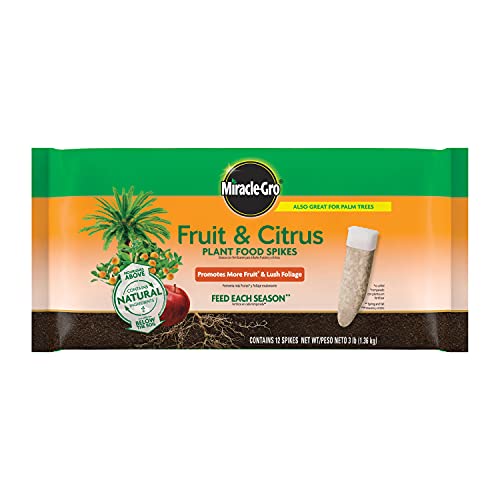
2. Miracle-Gro Fruit & Citrus Plant Food Spikes
Rating: 8.6/10
Dreaming of a bountiful harvest from your fruit trees and citrus plants? Or perhaps you want to see your palm trees reach their full, lush potential? The Miracle-Gro Fruit & Citrus Plant Food Spikes are designed to help you achieve just that. These easy-to-use spikes deliver essential nutrients right where your plants need them – directly to the root zone. This means stronger, healthier plants that produce more delicious fruit and vibrant foliage. It’s a simple way to give your plants the boost they need to thrive.
What We Like:
- Spikes promote more fruit and lusher leaves compared to plants that aren’t fed.
- Made with natural ingredients, which is good for your plants and the environment.
- You only need to feed your plants once in the spring and again in the fall.
- Works wonderfully for palm trees too, not just fruit and citrus.
- The spikes are super easy to use. Just push them into the soil.
- Nutrients go straight to the roots, helping your trees grow strong.
What Could Be Improved:
- The spikes are for specific types of plants, so they won’t work for all your garden needs.
- You need to remember to feed them twice a year; some people might prefer a simpler, single application.
These spikes are a straightforward solution for anyone looking to improve their fruit and citrus yields. They offer a simple, effective way to nourish your trees and see them flourish throughout the seasons.
3. Espoma Organic Citrus-Tone 5-2-6 Natural & Organic Fertilizer and Plant Food for All Citrus

Rating: 8.9/10
Get ready for a bountiful harvest with Espoma Organic Citrus-Tone! This 4 lb. bag of natural and organic fertilizer is specially made for all your citrus, fruit, nut, and avocado trees. It’s designed to help your trees grow strong and produce lots of delicious fruit. This fertilizer is safe for the environment and great for organic gardening.
What We Like:
- It works wonders for all kinds of citrus trees like lemons, limes, and oranges.
- It’s also great for avocado and nut trees.
- The special Bio-tone formula helps your plants grow strong.
- It contains 5% calcium, which is good for plant health.
- It’s safe for the environment with no harmful ingredients.
- It’s approved for organic gardening, so you can feel good about using it.
- You just spread it around the tree and water, no mixing needed!
- It’s made in the USA by a company that has been around since 1929.
What Could Be Improved:
- The 4 lb. bag might be a bit small if you have many trees.
- The instructions suggest using it at specific times of the year, which requires planning.
Espoma Organic Citrus-Tone is a fantastic choice for anyone wanting healthier trees and more fruit. Give your trees the best with this natural and effective plant food.
4. GARDENWISE Professional Citrus Fertilizer + Vital Micronutrients; Perfect Balanced NPK for All Citrus; for Indoor and Outdoor Plants; Orange

Rating: 9.0/10
This GARDENWISE Professional Citrus Fertilizer + Vital Micronutrients; Perfect Balanced NPK for All Citrus; for Indoor and Outdoor Plants; Orange, Lime, Avocado and Lemon Tree Fertilizer (1/2 Quart) is designed to give your citrus trees the boost they need for amazing harvests.
What We Like:
- It helps your citrus trees produce a lot more fruit.
- The special mix of nutrients makes leaves greener and fruits taste better.
- It has important micronutrients like magnesium, zinc, and iron for healthy plants.
- This one fertilizer works for all types of citrus trees, saving you money and effort.
- It’s very easy to use; just sprinkle it and water.
- The special coating releases nutrients slowly, feeding your trees for up to two months.
- It helps trees recover after fruiting and get ready for the next season.
What Could Be Improved:
- The 1/2 quart size might be too small for very large gardens.
- It would be helpful to have more specific application instructions for different citrus types.
This fertilizer makes growing delicious, aromatic citrus fruit much simpler. It’s a great choice for anyone wanting healthier, more productive citrus trees.
5. Farmer’s Secret Citrus Tree Booster Fertilizer (32oz) – Super Concentrated – Formulated for All Citrus Trees Including All Types of Lemons

Rating: 8.7/10
Are you dreaming of juicy lemons, zesty limes, and sweet oranges right from your own backyard or balcony? The Farmer’s Secret Citrus Tree Booster Fertilizer (32oz) promises to help make that dream a reality. This super concentrated formula is made for all types of citrus trees, whether they live outside or inside in pots. It’s designed to help your trees grow strong, stay healthy, and give you tons of fruit.
What We Like:
- It’s super concentrated, meaning a little bit of this fertilizer goes a really long way, saving you money.
- The formula is professionally made to help your citrus trees produce lots of healthy fruit.
- It works for all kinds of citrus, including lemons, limes, and oranges, both inside and outside.
- It’s also great for avocado trees!
- It’s proudly bottled in Kentucky.
What Could Be Improved:
- The instructions for indoor/container trees require you to cut the dosage in half or apply every other week, which might be a little confusing for some users.
- It’s a bit of a secret formula, so we don’t know exactly what makes it so special!
This fertilizer brings professional farmer-grade science to your garden. Get ready for a bountiful harvest with Farmer’s Secret!
Nourishing Your Sunshine: The Ultimate Buying Guide for Citrus Fertilizers
Growing your own juicy oranges, tangy lemons, or sweet grapefruits is a rewarding experience. To get the best fruit, your citrus trees need the right food. That food comes in the form of fertilizer. Choosing the right one can make a big difference in how healthy and productive your trees are. This guide will help you pick the perfect fertilizer for your citrus buddies.
Key Features to Look For
When you’re shopping for citrus fertilizer, keep these important features in mind:
- Balanced NPK Ratio: NPK stands for Nitrogen, Phosphorus, and Potassium. These are the three main nutrients plants need. For citrus, a common and effective ratio is 2-1-1 or 2-2-2. This means there’s more nitrogen, which helps with leafy growth, and good amounts of phosphorus for roots and flowers, and potassium for overall health and fruit quality.
- Micronutrients: Citrus trees are hungry for more than just NPK. They also need smaller amounts of other nutrients like iron, zinc, manganese, and magnesium. Look for fertilizers that include these “micronutrients.” They are super important for vibrant green leaves and healthy fruit development.
- Slow-Release Formula: Many good citrus fertilizers are slow-release. This means they feed your tree gradually over time. You won’t need to fertilize as often, and it prevents the tree from getting too much of a nutrient all at once, which can be harmful.
- Organic vs. Synthetic: Both organic and synthetic fertilizers work. Organic fertilizers, like compost or manure, improve soil health over time. Synthetic fertilizers provide nutrients quickly. Many gardeners prefer a mix of both.
Important Materials
The ingredients in your fertilizer are what make it work. For citrus, these are some key materials you’ll find:
- Nitrogen (N): This is usually the first number in the NPK ratio. It helps your tree grow strong green leaves. Look for sources like urea, ammonium sulfate, or organic sources like blood meal.
- Phosphorus (P): The second number. It’s vital for healthy roots, blossoms, and fruit. Common sources include superphosphate or bone meal.
- Potassium (K): The third number. Potassium helps your tree fight off diseases and makes your fruit taste great. Sulfate of potash is a common source.
- Chelated Iron: This is a special form of iron that citrus trees can easily absorb. Iron deficiency causes yellow leaves with green veins, a common problem for citrus.
- Magnesium, Zinc, and Manganese: These micronutrients are often included and are crucial for photosynthesis and overall tree vigor.
Factors That Improve or Reduce Quality
What makes a citrus fertilizer great, and what can make it less effective?
-
Improve Quality:
- Complete Nutrient Profile: A fertilizer that contains all the essential macro and micronutrients will produce the best results.
- Proper NPK Ratio for Citrus: Fertilizers specifically formulated for citrus trees usually have the right balance of nutrients.
- Slow-Release Action: This provides consistent feeding and reduces the risk of over-fertilizing.
- Good Reviews from Other Gardeners: Real-world experiences can tell you a lot about a product’s effectiveness.
-
Reduce Quality:
- Lack of Micronutrients: Without these essential trace elements, your tree can develop deficiencies.
- Too Much Nitrogen Alone: This can lead to lots of leaves but fewer flowers and fruit.
- Poorly Formulated Slow-Release: If the slow-release doesn’t work as intended, you might get nutrient spikes and dips.
- Generic Lawn Fertilizers: These often have a different NPK ratio and may lack the specific micronutrients citrus trees need.
User Experience and Use Cases
How do people use citrus fertilizers, and what are their experiences?
- Container Growing: If your citrus tree lives in a pot, it will need regular feeding. Slow-release granular fertilizers or liquid fertilizers are popular choices. You’ll fertilize more often than with trees in the ground.
- In-Ground Trees: For trees planted in the ground, follow the fertilizer package directions. Usually, you’ll fertilize a few times a year, especially during the growing season.
- Addressing Deficiencies: Many gardeners use specific micronutrient supplements, like iron spray, if they notice yellowing leaves. However, a good all-around citrus fertilizer should prevent most of these issues.
- Improving Fruit Yield and Taste: Users report that using the right fertilizer leads to more abundant harvests and sweeter, juicier fruit. Healthy trees are also more resistant to pests and diseases.
Citrus Fertilizer FAQs
Q: How often should I fertilize my citrus tree?
A: For trees in the ground, fertilize about 3-4 times a year, usually in spring, summer, and fall. For potted citrus, you might need to fertilize more often, perhaps every 1-2 months, depending on the fertilizer type.
Q: What does the NPK ratio mean on a fertilizer bag?
A: NPK stands for Nitrogen, Phosphorus, and Potassium. These are the three main nutrients. The numbers show the percentage of each nutrient in the bag. For example, 10-10-10 means 10% Nitrogen, 10% Phosphorus, and 10% Potassium.
Q: Can I use regular plant fertilizer on my citrus tree?
A: It’s best to use a fertilizer specifically made for citrus trees. Regular plant fertilizers might not have the right balance of nutrients or the specific micronutrients citrus trees need.
Q: My citrus leaves are turning yellow. What should I do?
A: Yellow leaves can mean a few things, but often it’s a sign of an iron deficiency. Make sure your fertilizer contains iron, or you might need to use a separate iron supplement.
Q: What is a slow-release fertilizer?
A: A slow-release fertilizer feeds your plant nutrients gradually over a period of time. This helps prevent over-fertilizing and means you don’t have to feed your plant as often.
Q: Should I fertilize my young citrus tree?
A: Yes, young trees need nutrients to grow strong. Start with a light feeding and follow the instructions for young or newly planted trees.
Q: Can I fertilize my citrus tree when it’s flowering or fruiting?
A: Yes, this is a crucial time for feeding! Fertilizing during flowering and fruiting helps support the development of healthy blossoms and delicious fruit.
Q: What are micronutrients?
A: Micronutrients are essential nutrients that plants need in very small amounts. For citrus, important ones include iron, zinc, manganese, and magnesium.
Q: How do I apply granular fertilizer?
A: Spread the fertilizer evenly around the base of the tree, extending out to the drip line (the edge of the branches). Water the area well after applying.
Q: Is organic fertilizer better for citrus trees?
A: Organic fertilizers improve soil health over time and provide nutrients naturally. Synthetic fertilizers give a quicker boost. Many gardeners find success using a combination of both.
In conclusion, every product has unique features and benefits. We hope this review helps you decide if it meets your needs. An informed choice ensures the best experience.
If you have any questions or feedback, please share them in the comments. Your input helps everyone. Thank you for reading.