
Imagine your azaleas bursting with vibrant color, their blooms a dazzling spectacle that brightens your garden. But what if your azaleas are looking a little sad, with fewer flowers than you’d hoped for? Choosing the right fertilizer can feel like a guessing game. You want to give your plants the best food, but the shelves are full of confusing options. It’s frustrating when you’ve put in the effort, but your azaleas aren’t showing their full potential.
Don’t worry, you’re not alone! This guide is here to clear up the confusion. We’ll break down exactly what your azaleas need to thrive. By the end, you’ll know how to pick the perfect fertilizer, understand why it’s so important, and watch your azaleas transform. Get ready to unlock the secret to a truly spectacular azalea display!
Our Top 5 Fertilizer Azaleas Recommendations at a Glance
Top 5 Fertilizer Azaleas Detailed Reviews
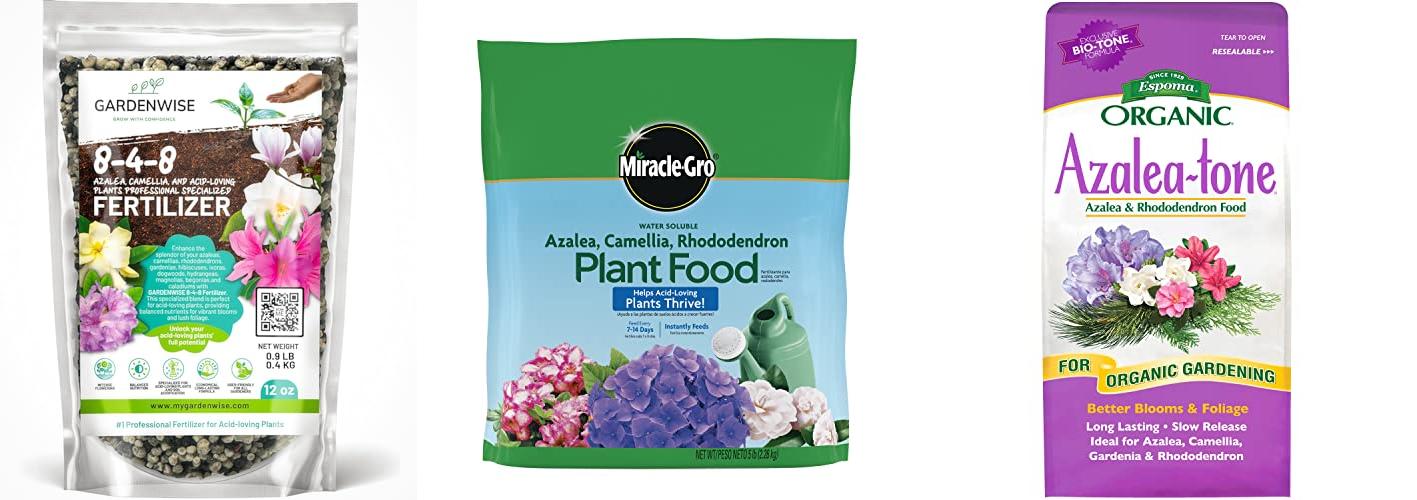
1. GARDENWISE 8-4-8 Acidic Fertilizer for Azaleas

Rating: 8.7/10
Transform your garden with GARDENWISE 8-4-8 Acidic Fertilizer. This plant food is specially made for acid-loving plants like azaleas, hydrangeas, and blueberries. It helps them grow strong and bloom beautifully.
What We Like:
- This fertilizer gives your plants the nutrients they need for vibrant blooms and healthy growth. It has magnesium, iron, and manganese to stop yellowing leaves.
- It also makes your soil more acidic, which is perfect for plants that need it, like gardenias and hydrangeas.
- The formula includes beneficial microbes that improve soil health naturally.
- It’s super easy to use! Just sprinkle, mix, and water.
- It’s an economical choice because you only need to feed your plants three times a year. The slow-release granules provide nutrients over time.
- It’s great for gardenias and hydrangeas, making them extra special. It also helps blueberries produce more delicious berries.
What Could Be Improved:
- The 12 OZ size might be small for very large gardens.
- While it’s bio-solid, some gardeners might prefer to avoid products derived from wastewater treatment, even with the rigorous purification process.
GARDENWISE 8-4-8 is a fantastic choice for anyone wanting to boost their acid-loving plants. It offers an effective and simple way to achieve a thriving, colorful garden.
2. Miracle-Gro Water Soluble Azalea

Rating: 8.6/10
Are your azaleas looking a little sad? Do your rhododendrons need a boost? Miracle-Gro Water Soluble Azalea, Camellia, Rhododendron Plant Food is here to help your acid-loving plants flourish. This special fertilizer gives your plants the nutrients they need to grow big and strong. It’s easy to use and works fast to bring vibrant life back to your favorite flowers.
What We Like:
- It makes acid-loving plants like azaleas, camellias, and rhododendrons grow better.
- It feeds plants right away, so you see results quickly.
- It works on both plants inside your house and plants outside in your garden or pots.
- You can use it with a watering can or a special Miracle-Gro feeder.
- It won’t hurt your other plants or burn their leaves if you follow the directions.
What Could Be Improved:
- The 5 lb size might be too much for someone with only a few small plants.
- It specifically targets acid-loving plants, so it’s not for every type of plant in your yard.
This Miracle-Gro plant food is a simple way to give your acid-loving plants the best care. You’ll be rewarded with beautiful blooms and healthy greenery.
3. Espoma Organic Azalea-Tone 4-3-4 Natural & Organic Fertilizer and Plant Food for All Flowering Evergreen Shrubs. 4 lb. Bag. Use for Planting & Feeding to Promote Growth & Blooming – Pack of 2

Rating: 8.8/10
Nourish your beautiful flowering evergreen shrubs with Espoma Organic Azalea-Tone 4-3-4! This natural and organic fertilizer is specially designed to help plants like azaleas, rhododendrons, camellias, and gardenias grow strong and bloom vibrantly. You’ll get two 4 lb. bags, perfect for planting or feeding your plants in both spring and fall. It’s ready to use right out of the bag, making it super convenient for any gardener.
What We Like:
- Works great for all flowering evergreens like azaleas, rhododendrons, camellias, and gardenias.
- Contains a special Bio-tone formula for healthier plants.
- It’s safe for the environment, with no yucky sludges or toxins.
- Approved for organic gardening, so it’s good for the earth.
- Made in the USA by a company that’s been around since 1929.
- Comes in a convenient 2-bag pack for ongoing feeding.
What Could Be Improved:
- The 4 lb. bags might be a bit small for very large gardens or many shrubs.
- While it’s ready to use, some gardeners might prefer a liquid option for quicker absorption.
If you want to see your flowering evergreens thrive, Espoma Organic Azalea-Tone is a fantastic choice. It’s a simple way to boost growth and get amazing blooms naturally.
4. Jobe’s Garden Fertilizer Spikes

Rating: 9.3/10
Jobe’s Garden Fertilizer Spikes are a simple way to feed your favorite acid-loving plants. These spikes are designed specifically for azaleas, camellias, rhododendrons, and other plants that prefer acidic soil. They provide the essential nutrients your plants need to grow strong and produce beautiful flowers. The package includes 10 spikes, making it easy to give your plants a boost.
What We Like:
- Mess-free application: You just push the spikes into the soil near the plant’s roots. This means no messy liquids or powders.
- No waste: The spikes release nutrients slowly, so there’s less chance of fertilizer washing away in the rain. This is good for the environment.
- Balanced nutrients: The 9-8-7 NPK formula gives acid-loving plants exactly what they need for lots of blooms.
- Prevents over-fertilizing: The spikes are pre-measured. This helps you avoid giving your plants too much food, which can harm them.
- Easy to use: Simply insert the spikes into the soil every 4-6 weeks during the growing season.
- Variety available: Jobe’s offers different formulas and sizes for various gardening needs.
What Could Be Improved:
- Limited formula for specific needs: While great for acid-loving plants, you might need other products for plants that prefer different soil pH.
- Finding the right spot: For very established shrubs, finding the perfect spot to insert the spike might require a little effort.
These fertilizer spikes offer an easy and effective way to nourish your acid-loving plants. Give your garden the food it needs for a season of vibrant color.
5. SouthernGRO Azaleas

Rating: 8.8/10
Give your favorite flowering plants the boost they need with SouthernGRO Azaleas, Camellia, Gardenia Fertilizer 04-08-08. This 4lb bag is packed with a special mix of nutrients designed to make your plants healthier and their leaves greener. It also helps their roots grow strong and deep. You can use it on your lawn, in your garden, or even in food plots for a nutrition upgrade.
What We Like:
- The special nutrient mix helps plants grow strong and look their best.
- The 04-08-08 formula is balanced to give plants exactly what they need.
- It works for many plants like Azaleas, Camelias, Gardenias, and evergreens.
- It’s super easy to spread around the base of your plants.
- SouthernGRO is a brand you can trust for great plant food.
What Could Be Improved:
- The 4lb bag might be a bit small for very large gardens.
- The specific plant types mentioned are great, but it would be helpful to know if it works for other acid-loving plants too.
This fertilizer is a simple way to help your plants thrive. You’ll see greener leaves and stronger growth with this trusted formula.
Choosing the Best Fertilizer for Your Azaleas
Azaleas are beautiful flowering shrubs. They bring vibrant colors to your garden. Giving them the right food helps them grow strong and bloom brilliantly. This guide will help you pick the perfect fertilizer for your azaleas.
1. Key Features to Look For
When shopping for azalea fertilizer, keep these features in mind:
- Acid-Loving Plant Formula: Azaleas need acidic soil to thrive. Look for fertilizers specifically made for acid-loving plants like rhododendrons, azaleas, and evergreens. These formulas help maintain the right soil pH.
- Balanced NPK Ratio: NPK stands for Nitrogen (N), Phosphorus (P), and Potassium (K). These are the three main nutrients plants need. For azaleas, a balanced ratio like 10-10-10 or a slightly higher phosphorus number can be good. Nitrogen helps with leafy growth. Phosphorus aids in root development and flowering. Potassium supports overall plant health.
- Slow-Release Option: Slow-release fertilizers feed your plants over a longer period. This means you don’t have to fertilize as often. It also prevents the plant from getting too much food at once, which can harm it.
- Micronutrients: Azaleas also benefit from small amounts of other nutrients, called micronutrients. These include iron, magnesium, and sulfur. Many azalea fertilizers include these to give your plants a complete diet.
2. Important Materials
The ingredients in your fertilizer matter. Here are some to look for:
- Organic Matter: Fertilizers with organic materials like compost, bone meal, or fish emulsion are great. They improve soil structure and feed beneficial microbes. This makes nutrients more available to your azaleas.
- Sulfur: Sulfur is often added to help lower soil pH. This is very important for azaleas.
- Chelated Iron: Iron is crucial for azaleas to produce green leaves. Chelated iron is a form that plants can easily absorb, even in slightly alkaline soil. This helps prevent yellowing leaves (chlorosis).
3. Factors That Improve or Reduce Quality
Several things affect how good a fertilizer is for your azaleas:
-
Improves Quality:
- Correct pH Adjustment: Fertilizers that help keep the soil acidic are best.
- Slow and Steady Feeding: Slow-release formulas provide consistent nutrition.
- Complete Nutrient Profile: Fertilizers with both macronutrients and essential micronutrients lead to healthier plants.
- Reputable Brand: Choosing a well-known brand often means a higher quality product.
-
Reduces Quality:
- High Salt Content: Fertilizers with a lot of salts can burn plant roots.
- Wrong pH: Using a fertilizer that makes the soil too alkaline will hurt your azaleas.
- Over-fertilizing: Too much fertilizer can damage or even kill your plants. Always follow the directions.
- Lack of Key Nutrients: Fertilizers missing essential elements like iron will lead to poor growth and color.
4. User Experience and Use Cases
How people use and experience azalea fertilizers can guide your choice:
- Easy Application: Many gardeners prefer fertilizers that are easy to spread or mix. Granular forms are common. Liquid fertilizers are also available for quick feeding.
- Visible Results: Users look for fertilizers that make their azaleas grow more vigorously and produce more flowers. Healthier green leaves are also a good sign.
- Long-Term Plant Health: A good fertilizer supports the plant year-round, not just during blooming season. It helps the plant resist diseases and pests.
- When to Use:
- Spring Feeding: The best time to fertilize is after your azaleas finish blooming in the spring. This helps them prepare for the next year’s blooms.
- Mid-Summer (Optional): A second, lighter feeding in mid-summer can benefit some azaleas, especially in areas with a long growing season.
- Avoid Late Summer/Fall: Do not fertilize late in the season. This can encourage new growth that may be damaged by frost.
Frequently Asked Questions About Azalea Fertilizer
Q: What is the most important nutrient for azaleas?
A: Azaleas need a balance of nutrients, but they are particularly sensitive to soil pH. They need acidic soil to absorb nutrients like iron. Fertilizers that help maintain this acidity are very important.
Q: Can I use regular plant fertilizer on my azaleas?
A: It’s best not to use regular plant fertilizer. Most general fertilizers are not formulated for the specific needs of acid-loving plants like azaleas. They might not provide the right nutrients or could even harm your plants.
Q: How often should I fertilize my azaleas?
A: Generally, fertilize once in the spring after they finish blooming. Some gardeners give a second, lighter feeding in mid-summer. Avoid fertilizing late in the season.
Q: What does the NPK ratio mean on a fertilizer bag?
A: NPK stands for Nitrogen, Phosphorus, and Potassium. These are the three main nutrients plants need. The numbers on the bag show the percentage of each nutrient in the fertilizer.
Q: My azalea leaves are turning yellow. What should I do?
A: Yellowing leaves, especially with green veins, often means your azalea isn’t getting enough iron. This is usually because the soil pH is too high. Use a fertilizer specifically for acid-loving plants that contains chelated iron.
Q: Are organic fertilizers better for azaleas?
A: Organic fertilizers can be excellent for azaleas. They feed the soil as well as the plant and release nutrients slowly. They also help improve soil structure over time.
Q: When is the best time to buy azalea fertilizer?
A: The best time to buy is in early spring, before you plan to fertilize your plants. Garden centers usually have a good selection then.
Q: How do I apply granular azalea fertilizer?
A: Read the instructions on the bag carefully. Usually, you spread the granules evenly around the base of the plant, avoiding direct contact with the trunk. Then, water the area well.
Q: Can I fertilize azaleas when they are blooming?
A: It’s generally not recommended to fertilize when azaleas are in full bloom. The best time is after the blooms have fallen.
Q: What are some signs of over-fertilizing?
A: Signs include brown leaf tips or edges, wilting even with enough water, stunted growth, and a white crusty layer on the soil surface. Always follow the recommended dosage.
In conclusion, every product has unique features and benefits. We hope this review helps you decide if it meets your needs. An informed choice ensures the best experience.
If you have any questions or feedback, please share them in the comments. Your input helps everyone. Thank you for reading.