
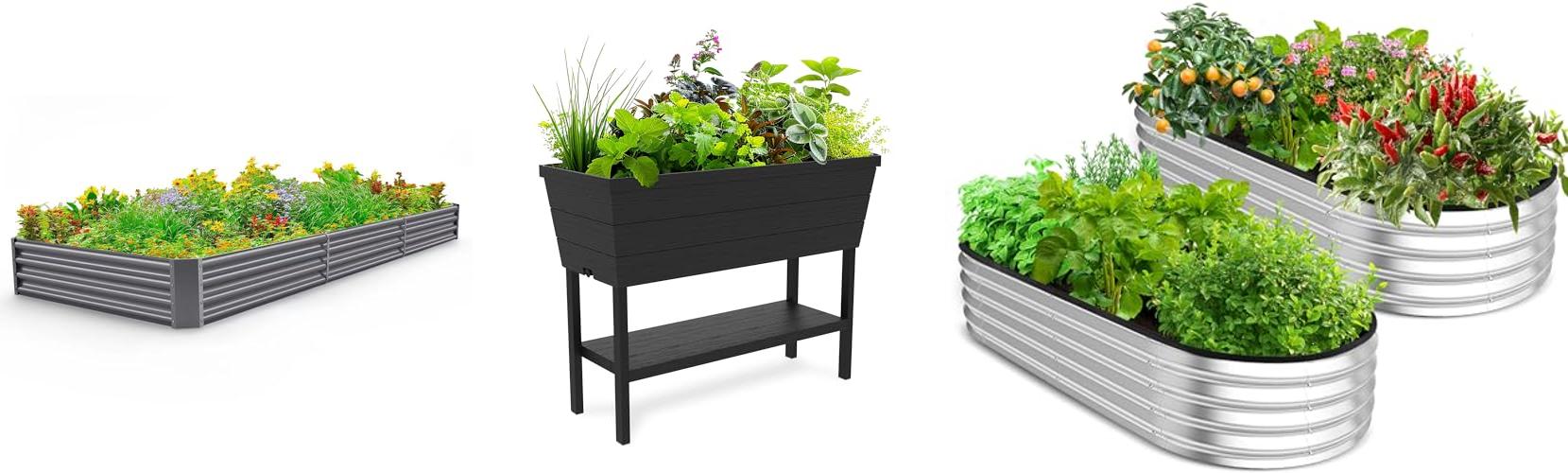
Imagine a garden bursting with fresh vegetables, fragrant herbs, and vibrant flowers, all easily accessible and looking picture-perfect. Sounds amazing, right? But before you can harvest those delicious tomatoes or admire those colorful blooms, you need to build your raised garden beds. And that’s where a big question pops up: what are the best dimensions?
Choosing the right size for your raised garden beds can feel like a puzzle. Too small, and you won’t have enough room for your plants to grow. Too big, and you might struggle to reach the middle to weed or harvest. It’s easy to get overwhelmed by all the different possibilities. But don’t worry, getting this right is key to a successful and enjoyable gardening experience.
In this post, we’ll break down the secrets to choosing the perfect dimensions for your raised garden beds. We’ll explore what makes a size work best for different needs and plant types. By the end, you’ll feel confident picking the ideal dimensions so you can start building and growing your dream garden without any guesswork.
Our Top 5 Dimensions For Raised Garden Beds Recommendations at a Glance
Top 5 Dimensions For Raised Garden Beds Detailed Reviews
1. Land Guard 12×4×1ft Galvanized Raised Garden Bed Kit for Vegetables

Rating: 9.0/10
Ready to grow a huge garden? The Land Guard 12×4×1ft Galvanized Raised Garden Bed Kit is a super-sized metal planter perfect for all your vegetable-growing dreams. This giant garden box holds a whopping 359 gallons of soil, giving your plants plenty of room to spread out and thrive. Its tough, grey galvanized steel is built to last through sun, rain, and snow.
What We Like:
- Generous Size: At 12×4×1ft, this bed offers a massive 48 cubic feet of planting space, perfect for growing lots of veggies.
- Durable Construction: Made from strong, coated steel, it resists rust and corrosion, meaning it will last for years outdoors.
- Plant-Friendly Finish: The metal dyeing and spray molding process is safe for plants and won’t peel or fade easily like paint.
- Sturdy Design: Reinforced cross bars and support stakes keep the bed shape strong and prevent soil from leaking out.
- Healthy Roots: The open base design lets extra water drain away, keeping plant roots healthy and helping them absorb nutrients better.
- Easy Assembly: Comes with clear instructions so you can build it quickly and start planting right away.
What Could Be Improved:
- Weight: Due to its large size and metal construction, it might be heavy to move once assembled.
- Sharp Edges: While durable, assembling metal garden beds can sometimes involve handling potentially sharp edges.
This oversized raised garden bed kit from Land Guard offers an excellent way to create a bountiful garden. Its robust design and ample space make it a fantastic choice for any gardening enthusiast.
2. Keter Urban Bloomer 12.7 Gallon Raised Garden Bed and Outdoor Herb Garden Planter with Self Watering Gauge and Drainage Plug

Rating: 9.2/10
The Keter Urban Bloomer 12.7 Gallon Raised Garden Bed and Outdoor Herb Garden Planter in Dark Grey is your simple solution for growing herbs and plants, even in small spaces. Its smart design makes gardening easy for everyone, from beginners to experienced green thumbs. This planter is ideal for balconies, patios, or any urban outdoor area where you want to bring a touch of green.
What We Like:
- It has a built-in water gauge that tells you exactly when your plants need a drink.
- The drainage system lets you control watering, so your plants get just the right amount of moisture.
- A water reservoir prevents roots from rotting and stops you from overwatering.
- Assembly is super easy with clear, step-by-step instructions.
- It’s perfect for creating an herb garden or adding plants to your balcony.
- The dimensions (32.3 in. L x 14.7 in. W x 30.7 in. H) are great for fitting into various outdoor spots.
What Could Be Improved:
- The dark grey color might not match all outdoor decor styles.
- While it’s designed for urban living, larger gardening needs might require multiple units.
Overall, the Keter Urban Bloomer offers a user-friendly and efficient way to enjoy fresh herbs and add greenery to your urban environment. This planter makes successful gardening achievable for anyone.
3. Utopia Home Galvanized Raised Garden Bed

Rating: 8.6/10
Tired of struggling with traditional garden plots? The Utopia Home Galvanized Raised Garden Bed offers a smarter, easier way to grow your favorite vegetables, fruits, and flowers. This set comes with two spacious beds, each measuring a generous 4 by 2 feet, giving your plants plenty of room to thrive. Their silver, galvanized steel construction is not only stylish but also built to last, resisting rust and corrosion. Plus, setting them up is a breeze, making gardening accessible for everyone.
What We Like:
- You get two large garden beds in one pack, so you can grow even more!
- The open bottom lets plant roots spread out and get the best nutrients from the soil.
- Good drainage and airflow help keep your plants healthy and happy.
- The galvanized steel is strong and won’t rust, so your garden beds will last for years.
- They are lightweight, making them easy to move around your yard.
- Assembly is super simple and doesn’t require any special tools.
What Could Be Improved:
- While lightweight, the assembly instructions could be a bit clearer for absolute beginners.
- The silver finish, while attractive, might be prone to showing dirt more easily than darker options.
These raised garden beds make gardening more convenient and rewarding. You’ll enjoy bigger harvests and a beautiful garden with minimal effort.
4. Gardeal Garden 6x3x1ft Galvanized Raised Garden Bed Kit – Metal Planter Boxes for Vegetables/Herbs/Flowers

Rating: 9.0/10
The Gardeal Garden 6x3x1ft Galvanized Raised Garden Bed Kit offers a robust and long-lasting solution for your gardening needs. This metal planter box is designed to hold vegetables, herbs, and flowers, providing a dedicated space for your plants to thrive. Its heavy-duty steel construction ensures it can withstand the elements, making it a reliable choice for any outdoor garden.
What We Like:
- This garden bed is built to last. It uses pro-grade galvanized steel that is 3X more rust-resistant than typical metal boxes. You can expect over 10 years of use, even in tough weather.
- The wavy design adds extra strength. This makes the bed more stable and prevents it from bending or deforming over time.
- Setting up is a breeze. With pre-drilled holes and wing nuts, you can assemble it in about 10 minutes without any tools.
- The 1-foot height is great for your back. It means less bending and straining when you plant or weed.
- Plants grow better with this design. The open bottom lets water drain naturally, so roots don’t get waterlogged. It also helps soil breathe, leading to stronger plants.
- It holds a good amount of soil. This bed can hold 7.14 cubic feet of soil, more than many basic metal garden boxes.
What Could Be Improved:
- While the assembly is tool-free, some users might prefer the option to secure it further with traditional screws for ultimate rigidity.
- The product description mentions using Gardeal’s hardware cloth to deter rodents. This is a separate purchase and not included in the kit.
This raised garden bed is a durable and user-friendly option for creating a thriving garden. Its thoughtful design promotes healthy plant growth and makes gardening more comfortable.
5. LEETOLLA Elevate 32″ Tall Raised Garden Bed Outdoor with Wheels & Shelf for Mobility

Rating: 9.0/10
Tired of bending over to garden? The LEETOLLA Elevate 32″ Tall Raised Garden Bed is here to help! This sturdy steel planter box makes growing your favorite vegetables and herbs easier than ever. Its clever design means less strain on your back and knees. Plus, it’s built to last, so you can enjoy fresh produce season after season.
What We Like:
- It’s super strong! This bed holds up to 400 pounds without bending.
- It won’t rust easily. The special coating keeps it looking good for over 3 years, even in bad weather.
- Moving it is a breeze. The big wheels and handle let you push it around easily, even when full.
- It fits in small spaces. It’s only 29.5 inches wide, perfect for balconies.
- Your plants will stay healthy. It has a great drainage system to prevent soggy roots.
- It’s tall! At 32 inches high, you won’t have to bend down much.
- There’s a handy shelf below for your gardening tools and supplies.
- It comes with a lifetime warranty, so you can get a free replacement if it rusts or bends.
What Could Be Improved:
- Assembly might take a little time.
- The price might be a bit higher than basic wooden garden beds.
This raised garden bed is a fantastic choice for anyone wanting a comfortable and durable gardening experience. It’s built to make gardening enjoyable and accessible.
Choosing the Right Dimensions for Your Raised Garden Bed
Raised garden beds are a fantastic way to grow your own food and flowers. They offer better drainage, warmer soil, and easier access for planting and harvesting. But before you buy or build, you need to think about the dimensions. The size and shape of your raised bed can make a big difference in how successful and enjoyable your gardening experience is. Let’s dive into how to pick the perfect dimensions for your raised garden bed.
Key Features to Look For in Raised Bed Dimensions
When you’re looking at raised garden beds, or planning your own, keep these key features in mind:
- Width: This is probably the most important feature. You need to be able to reach the middle of the bed from either side to plant, weed, and pick your veggies. A good rule of thumb is to make it no wider than 4 feet (about 1.2 meters). This way, even if you’re standing on one side, you can easily reach across. If your bed will be against a wall or fence, aim for 2-3 feet (about 0.6-0.9 meters) wide.
- Length: The length can be as long as you want or have space for! Longer beds are great for growing more plants. Just make sure you can still comfortably manage the length, especially if you’re reaching from both ends.
- Depth (Height): This is how tall your raised bed is. The minimum depth for most vegetables is about 6-8 inches (about 15-20 cm). This gives their roots enough space to grow. For root vegetables like carrots or potatoes, you’ll want a deeper bed, at least 10-12 inches (about 25-30 cm) or even more. Deeper beds also mean less bending over, which is great for your back!
- Shape: Most raised beds are rectangular, which is easy to build and fill. However, you can also find or make square, L-shaped, or even tiered beds. Think about the shape of your yard and what will fit best.
Important Materials for Raised Garden Beds
The materials used to build your raised bed can affect its durability and how safe it is for growing food.
- Wood: This is a popular choice. Cedar and redwood are great because they naturally resist rot and insects. Pine and fir are cheaper but won’t last as long unless treated. Make sure any treated wood you use is safe for vegetable gardens. Untreated wood is always the safest bet for edible plants.
- Metal: Galvanized steel or corrugated metal beds are very durable and can last a long time. They heat up quickly in the spring, which can help your plants grow faster.
- Composite Materials: These are made from recycled plastic and wood fibers. They are very strong and won’t rot. They are a good option if you want something that lasts a long time.
- Stone or Brick: These materials look very nice and are extremely durable. They can be more expensive and harder to build with.
Factors That Improve or Reduce Quality
Several things can make your raised garden bed better or worse:
- Good Drainage: This is crucial. Raised beds naturally have good drainage, but making sure the bottom isn’t blocked is important. If you live in a very wet area, consider adding a layer of gravel at the bottom.
- Sturdy Construction: A well-built bed will last longer and won’t bow out from the weight of the soil. Make sure the corners are strong and the sides are well-supported.
- Soil Quality: The dimensions are important, but what you fill your bed with matters too! Use a good mix of compost and topsoil for the best results. Poor soil will lead to poor plant growth, no matter the bed’s size.
- Sunlight Exposure: Think about where you place your raised bed. Most vegetables need at least 6-8 hours of sunlight each day. The dimensions should fit the sunny spots in your yard.
User Experience and Use Cases
Raised garden beds are versatile and can be used in many ways:
- For Beginners: Simple, rectangular beds that are 4 feet wide and 8-10 feet long are great for starting out. They are easy to manage and offer enough space for a good variety of plants.
- For Small Spaces: Square beds or narrow, long beds can fit on balconies, patios, or in small yards. Even a small 2×2 foot bed can grow a lot of herbs.
- For Accessibility: Taller raised beds (18-24 inches or more) are excellent for people who have trouble bending or kneeling. This makes gardening more comfortable and accessible for everyone.
- For Specific Plants: If you love growing deep-rooted vegetables like parsnips, you’ll need a deeper bed. If you want to grow sprawling plants like pumpkins, you might need a wider bed or plan for them to vine over the edges.
Choosing the right dimensions for your raised garden bed is an important step towards a successful and rewarding gardening journey.
Frequently Asked Questions About Raised Garden Bed Dimensions
Q: What is the most common width for a raised garden bed?
A: The most common and recommended width for a raised garden bed is 4 feet. This allows you to reach the center from either side comfortably.
Q: How deep should my raised garden bed be?
A: For most vegetables, a depth of 6-8 inches is enough. For root vegetables or if you want to reduce bending, aim for 10-12 inches or more.
Q: Can I make a raised garden bed longer than 10 feet?
A: Yes, you can make them as long as you like or have space for. Just make sure you can still reach the middle from both ends.
Q: What are the best materials for a raised garden bed that will last a long time?
A: Cedar, redwood, metal, and composite materials are very durable and will last for many years.
Q: Is it okay to use treated wood for my raised garden bed?
A: It’s best to use untreated wood, especially for edible gardens. If you use treated wood, make sure it is rated safe for vegetable gardens.
Q: How much soil do I need for a raised garden bed?
A: You will need to calculate the volume of your bed by multiplying its length, width, and depth. For example, a 4×8 foot bed that is 1 foot deep needs 32 cubic feet of soil.
Q: What is the benefit of having a taller raised garden bed?
A: Taller beds (18-24 inches or more) make gardening easier for people who have trouble bending or kneeling. They also provide better drainage.
Q: Can I grow flowers in a raised garden bed?
A: Absolutely! Raised garden beds are great for growing all kinds of flowers, both annuals and perennials.
Q: What if I have a small balcony? What dimensions should I consider?
A: For small spaces like balconies, consider smaller square beds (2×2 feet) or narrow, long beds that can fit along railings.
Q: Do I need to put anything at the bottom of my raised garden bed?
A: For most raised beds, just filling them with good soil is enough. In very wet areas, a layer of gravel at the bottom can help improve drainage.
In conclusion, every product has unique features and benefits. We hope this review helps you decide if it meets your needs. An informed choice ensures the best experience.
If you have any questions or feedback, please share them in the comments. Your input helps everyone. Thank you for reading.