

Imagine this: you’re driving down the road, and you need to stop. Your brake pedal feels soft, or worse, spongy. That’s a scary feeling, right? The fluid in your car’s braking system is the unsung hero that makes sure you can slow down and stop safely. But choosing the right brake fluid can feel like a puzzle with too many pieces.
There are different types of brake fluid, and picking the wrong one can cause problems. It might not work as well, or it could even damage your car’s brake parts. You want to be sure you’re protecting your vehicle and keeping yourself and others safe on the road. This confusion is a common worry for many car owners.
By the end of this post, you’ll understand what brake fluid is, why it matters so much, and how to choose the best type for your car. We’ll break down the different kinds and explain what those numbers and letters mean. Get ready to become a brake fluid expert!
Our Top 5 Brake Fluid Recommendations at a Glance
Top 5 Brake Fluid Detailed Reviews
1. Lucas Oil 10826 Brake Fluid – 1 Quart

Rating: 9.3/10
Keeping your car’s brakes in top shape is super important for safety. The Lucas Oil 10826 Brake Fluid is a great choice for this. It’s a high-quality fluid made from a special mix of chemicals called polyethylene glycol ethers and other helpful additives. This fluid works with all kinds of rubber parts in your brake system and mixes well with other brake fluids you might already have. It helps stop rubber seals from getting too hard or too soft, which can cause leaks. Plus, it protects your brake parts from getting rusty or corroded, and it helps everything move smoothly.
What We Like:
- It’s made with a high-quality blend of ingredients for good performance.
- You can use it with all rubber parts and other brake fluids without worry.
- It stops brake seals from getting damaged, either too hard or too soft.
- It keeps your brake system safe from rust and corrosion.
- The fluid provides excellent lubrication, helping your brakes work smoothly.
What Could Be Improved:
- The quart size might require multiple purchases for larger brake systems.
- Availability might vary depending on your local auto parts store.
This Lucas Oil brake fluid offers excellent protection and performance for your vehicle’s braking system. It’s a reliable choice for maintaining your car’s safety and ensuring smooth operation.
2. STP Synthetic Brake Fluid

Rating: 9.3/10
When it comes to keeping your car’s brakes working safely, the right brake fluid is super important. STP Synthetic Brake Fluid, Dot 4 is designed to do just that. It protects your entire brake system, including ABS, disc, and drum brakes. This fluid is made to handle tough conditions and keep your brakes performing their best. It comes in a 12 oz bottle, which is usually enough for a standard brake fluid change or top-up.
What We Like:
- It raises the dry boiling point. This means your brakes can handle more heat and work reliably, especially during long drives or hard braking.
- It stops vapor lock. Vapor lock can make your brakes feel spongy and fail. This fluid prevents that from happening.
- It protects your brake system from rust and damage. This helps your brake parts last longer.
- It works with any brake system that needs DOT 4 fluid. This makes it a versatile choice for many vehicles.
- It meets and even beats important safety standards. This shows it’s a high-quality product you can trust.
What Could Be Improved:
- The 12 oz size might not be enough for a full flush and refill on larger vehicles or if there are significant leaks. You might need to buy multiple bottles.
- While it’s widely available, sometimes specific auto parts stores might run out, so checking stock beforehand is a good idea.
STP Synthetic Brake Fluid, Dot 4 offers excellent protection and reliability for your vehicle’s braking system. It’s a solid choice for maintaining safe and effective braking power.
3. Honda 08798-9108 DOT 3 Motor Vehicle Brake Fluid 32 FL OZ (1 Quart) (3)

Rating: 8.8/10
Keep your Honda’s braking system in top shape with Honda 08798-9108 DOT 3 Motor Vehicle Brake Fluid. This 32 fl oz (1 quart) bottle offers advanced protection and is specially made for Honda vehicles. It meets important safety standards, ensuring your brakes work reliably when you need them most.
What We Like:
- Designed specifically for Honda cars, trucks, and SUVs.
- Provides advanced protection for your braking system.
- Meets Federal Motor Vehicle Safety Standard No. 116.
- Complies with SAE J1703 specification for quality.
- Features a minimum wet boiling point of 284°F (140°C) to prevent brake fade.
What Could Be Improved:
- DOT 3 fluid is suitable for many vehicles but might not be the best choice for high-performance or racing applications that require DOT 4 or DOT 5.
- Availability might be limited to Honda dealerships or authorized parts stores.
This Honda brake fluid is a smart choice for maintaining your Honda’s safety and performance. It provides the specific care your vehicle’s braking system needs.
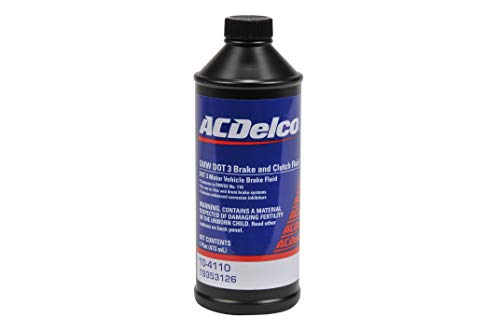
4. ACDelco GM Original Equipment 10-4110 (19353126) DOT 3 Hydraulic Brake Fluid – 16 oz
Rating: 9.0/10
Keeping your car’s brakes in top shape is super important for safety. The ACDelco GM Original Equipment 10-4110 (19353126) DOT 3 Hydraulic Brake Fluid is a high-quality fluid designed to do just that. It’s made by ACDelco, a trusted name in car parts, and is the same kind of fluid that comes with many GM vehicles. This 16-ounce bottle is a good amount for a standard brake fluid flush or top-off.
What We Like:
- It protects your brake system’s metal parts from rust and damage, even when things get hot.
- This fluid has a high boiling point, which means it won’t easily turn into vapor and cause your brakes to feel spongy, especially during hard braking.
- It works well even in cold weather, keeping your brakes responsive.
- The formula is stable, meaning it keeps its good qualities over time and in different temperatures.
What Could Be Improved:
- DOT 3 fluid is a common type, but some newer cars might need a different DOT rating, so always check your owner’s manual.
- Brake fluid is a consumable item and will need to be replaced periodically as part of regular maintenance.
For anyone looking for reliable and effective brake fluid, the ACDelco GM Original Equipment 10-4110 is a solid choice. It offers excellent performance to keep your braking system safe and working its best.
5. LIQUI MOLY DOT 4 Brake Fluid

Rating: 8.8/10
This LIQUI MOLY DOT 4 Brake Fluid, 1 Liter (Pack of 1) is a top-notch choice for keeping your car’s braking system in tip-top shape. It’s made with a special synthetic blend that works hard to ensure your brakes perform their best, no matter what the driving conditions are like.
What We Like:
- Its synthetic formula, a mix of glycol ethers, alkyl polyglycols, and glycol ether esters, is super effective.
- It has a high boiling point, meaning it stays cool and works well even when your brakes get hot during tough drives.
- Special ingredients protect against rust and oxidation, keeping your brake system healthy for a long time.
- It has unique additives that stop steam bubbles from forming when moisture gets in, so your brakes stay strong and reliable.
- The 1-liter bottle is a good size for most car maintenance needs.
What Could Be Improved:
- It’s important to check if DOT 4 fluid is the correct type for your specific car model before buying.
- While the 1-liter pack is convenient, some might prefer larger or smaller sizes depending on their needs.
This brake fluid offers excellent protection and performance, making it a smart investment for any car owner. You can trust LIQUI MOLY to keep your brakes working safely and effectively.
Brake Fluid: Your Car’s Lifeline
When your car needs to stop, your brake fluid works hard. It’s a crucial part of your braking system. This guide helps you understand brake fluid and choose the right one for your car.
Why is Brake Fluid Important?
Your brake pedal activates a hydraulic system. When you press the pedal, it pushes a piston. This piston forces brake fluid through tiny tubes. The fluid then pushes brake pads against the rotors. This friction slows your wheels down. Good brake fluid ensures this process works smoothly and safely.
Key Features to Look For
1. Boiling Point
Brake fluid gets hot when you brake a lot. A high boiling point is important. It means the fluid won’t turn into gas easily. Gas can’t push like liquid. If the fluid boils, your brakes might feel soft or fail completely. Look for DOT 3, DOT 4, or DOT 5.1 fluids. They have higher boiling points.
2. Viscosity
Viscosity means how thick or thin the fluid is. The right viscosity helps the fluid flow easily. It needs to flow quickly to your brakes. It also needs to be thick enough to create pressure. Most brake fluids have a good viscosity for their type.
3. Moisture Absorption
Brake fluid can soak up water from the air. This is called hygroscopic. Water lowers the boiling point of the fluid. It can also cause rust inside your brake system. Some fluids absorb less water than others. Regular flushing and replacement help with this.
4. Compatibility
Different cars need different types of brake fluid. Using the wrong type can damage your brake system. Always check your car’s owner’s manual. It will tell you which DOT rating is best.
Important Materials
Brake fluid is usually made from a few main ingredients.
- Glycol Ethers: These are the most common base for DOT 3, DOT 4, and DOT 5.1 fluids. They help the fluid absorb water and have good lubricating properties.
- Borate Esters: These are often added to glycol-based fluids. They increase the fluid’s boiling point and help it absorb even more water.
- Additives: Small amounts of other chemicals are added. These additives prevent rust and keep the rubber parts in your brake system from swelling too much.
Factors That Improve or Reduce Quality
Improving Quality
- High-Quality Base Fluids: Brands that use purer base materials often make better fluids.
- Advanced Additive Packages: Well-formulated additives protect your brakes better.
- Rigorous Testing: Reputable brands test their fluids to ensure they meet or exceed standards.
Reducing Quality
- Contamination: Dirt, debris, or the wrong type of fluid can ruin brake fluid.
- Age: Over time, brake fluid absorbs moisture and breaks down. It loses its effectiveness.
- Extreme Heat: Constant, hard braking can overheat and degrade the fluid.
User Experience and Use Cases
Everyday Driving
For most daily drivers, a standard DOT 3 or DOT 4 fluid is perfect. It offers reliable performance for normal braking situations. Changing the fluid every two years keeps your brakes working well.
Performance Driving and Racing
Drivers who push their cars hard, like on a racetrack or during spirited driving, need a higher performance fluid. DOT 4 or DOT 5.1 fluids with very high dry and wet boiling points are ideal. They resist boiling even under extreme heat.
Older Vehicles
Some older cars might have used silicone-based DOT 5 fluid. It’s important to stick with the recommended type. Mixing DOT 5 with other types can cause serious damage.
Frequently Asked Questions (FAQ)
Q: What are the main DOT ratings for brake fluid?
A: The most common DOT ratings are DOT 3, DOT 4, and DOT 5.1. DOT 5 is silicone-based and not compatible with other types.
Q: Can I mix different types of brake fluid?
A: It’s generally not recommended to mix different DOT ratings. DOT 3, DOT 4, and DOT 5.1 are usually compatible, but DOT 5 is not. Always check your manual.
Q: How often should I change my brake fluid?
A: Most manufacturers recommend changing brake fluid every two years or every 30,000 miles, whichever comes first.
Q: What happens if I use the wrong type of brake fluid?
A: Using the wrong type can damage your brake system’s seals and metal parts. It can also affect braking performance and safety.
Q: Why does my brake fluid turn dark?
A: Brake fluid turns dark as it absorbs moisture and picks up contaminants. This means it’s time for a change.
Q: What is the “wet boiling point” vs. “dry boiling point”?
A: The dry boiling point is the boiling point of fresh fluid. The wet boiling point is the boiling point after the fluid has absorbed some water.
Q: Does brake fluid expire?
A: Yes, brake fluid degrades over time, especially as it absorbs moisture. Always check the manufacturing date on the bottle.
Q: Can I use brake fluid for power steering?
A: No, brake fluid and power steering fluid are different. They are not interchangeable.
Q: What are the signs of bad brake fluid?
A: Signs include a spongy brake pedal, a longer stopping distance, or warning lights on your dashboard.
Q: Where can I find out which brake fluid my car needs?
A: Your car’s owner’s manual is the best place to find this information. There is often a sticker under the hood as well.
In conclusion, every product has unique features and benefits. We hope this review helps you decide if it meets your needs. An informed choice ensures the best experience.
If you have any questions or feedback, please share them in the comments. Your input helps everyone. Thank you for reading.