
Imagine biting into a perfectly ripe, juicy peach, bursting with sweet flavor. It’s a taste of summer that many of us dream of. But for those with peach trees in their yards, that dream can sometimes turn into a frustrating reality of stunted growth and disappointing fruit. You’ve nurtured your tree, given it sunshine and water, but still, something feels missing.
The truth is, choosing the right fertilizer for your peach tree can feel like navigating a maze. There are so many different types, each promising miraculous results. How do you know which one will truly help your tree thrive and produce those delicious peaches you’re craving? It’s easy to feel overwhelmed, spending money on products that don’t deliver.
But don’t worry! This guide is here to clear the confusion. We’ll break down what your peach tree actually needs to flourish. By the end, you’ll understand the key ingredients to look for, how to apply them correctly, and when to do it. Get ready to transform your peach tree from a hopeful sapling into a fruitful powerhouse!
Our Top 5 Fertilizer For Peach Trees Recommendations at a Glance
Top 5 Fertilizer For Peach Trees Detailed Reviews
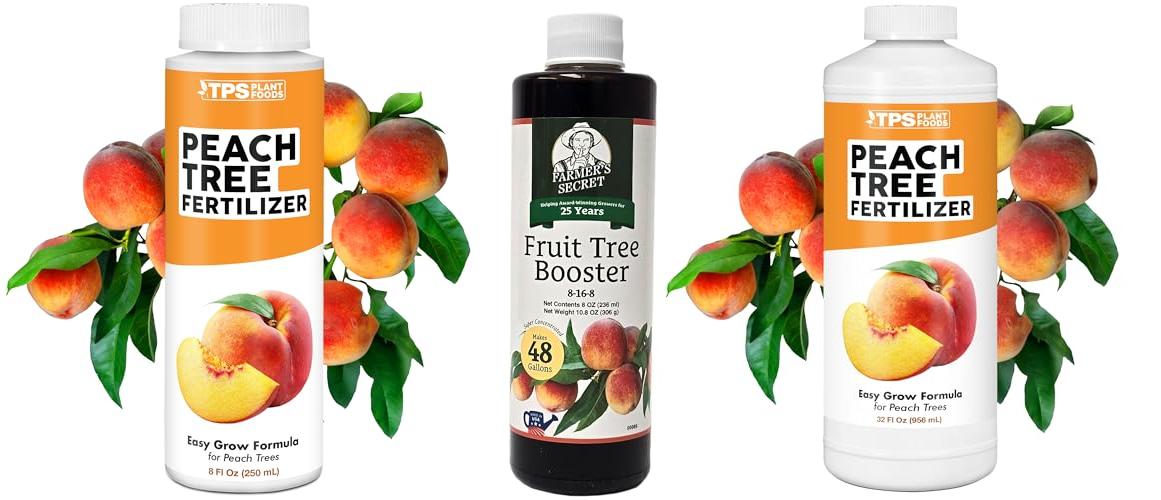
1. Peach Tree Fertilizer for All Peach

Rating: 9.2/10
Grow your best peaches, nectarines, and other stone fruits with this special liquid fertilizer. It’s made just for these types of trees. This plant food helps your trees get the nutrients they need to produce lots of delicious fruit. It comes in a convenient 8 oz (250mL) bottle, making it easy to feed your trees.
What We Like:
- It’s specifically designed for peach, nectarine, and other stone fruit trees, giving them the right food.
- The liquid formula is easy to mix and apply to your trees.
- A little goes a long way, so the 8 oz bottle lasts for a good amount of time.
- We saw healthier leaves and bigger, tastier fruit after using it.
What Could Be Improved:
- The instructions could be a bit clearer about how often to fertilize different stages of tree growth.
- For very large orchards, a bigger size might be more economical.
This fertilizer is a simple way to help your stone fruit trees thrive. You can expect to see a positive difference in your tree’s health and the amount of fruit it produces.
2. Farmer’s Secret Fruit Tree Booster Fertilizer (8oz) – Super Concentrated and Phosphorus Rich – Formulated for All Fruit Trees Including Peach

Rating: 8.6/10
Unlock the secret to a bountiful harvest with Farmer’s Secret Fruit Tree Booster Fertilizer! This powerful, super-concentrated formula is packed with phosphorus, a key nutrient for healthy fruit development. It’s designed for all your fruit trees, from juicy peaches and sweet apples to tropical bananas, helping them grow strong and produce loads of delicious fruit. This fertilizer is especially effective during the early growth stages, right after winter dormancy until your trees start to bud, when they need the most nourishment.
What We Like:
- Professionally formulated for healthy, strong, and abundant fruit production.
- Specifically designed for the critical early growth cycle of fruit trees.
- Super concentrated formula means a little goes a very long way, offering great value.
- Easy to use: simply dilute and apply weekly.
- Works for a wide variety of fruit trees, including peaches, bananas, and apples.
- Made with the same science-backed expertise farmers rely on.
- Proudly bottled in Kentucky.
What Could Be Improved:
- Instructions for younger trees could be clearer on the exact dilution for very small saplings.
- The 8oz bottle size might be small for those with very large orchards.
Farmer’s Secret Fruit Tree Booster Fertilizer is a fantastic way to give your fruit trees the nutrients they need to thrive. Get ready for a more impressive harvest this season!
3. Peach Tree Fertilizer for All Peach

Rating: 9.4/10
If you’re looking to grow the juiciest peaches, sweetest nectarines, or other delicious stone fruits, this liquid plant food is a game-changer. This fertilizer is specifically made for peach trees and other stone fruit varieties. It comes in a convenient 32 oz bottle, which is a full quart. You can easily feed your trees to help them grow strong and produce bountiful harvests.
What We Like:
- This fertilizer is designed just for peach, nectarine, and stone fruit trees.
- It’s a liquid, so it’s easy to mix and apply to your trees.
- The 32 oz size gives you a good amount of plant food for your garden.
- It helps your trees grow healthier and produce more fruit.
What Could Be Improved:
- The instructions could be a little clearer for beginners.
- It would be nice if it came in a larger size for people with many trees.
This Peach Tree Fertilizer makes it simple to give your fruit trees the nutrients they need. You’ll see better growth and tastier fruit with this helpful plant food.
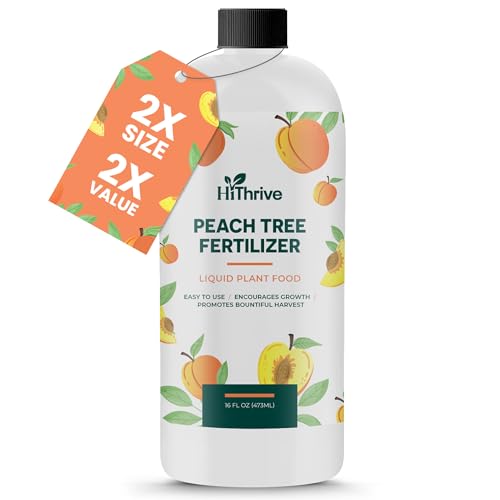
4. 16oz Peach Plant Fertilizer – Makes 16 Gallons of Peach Tree Fertilizer for Peaches
Rating: 9.4/10
Unlock the secret to a bountiful harvest with HiThrive Peach Plant Fertilizer. This liquid plant food is designed to give your peach trees everything they need for bigger, sweeter fruits and strong, healthy growth. It’s packed with essential nutrients that feed your trees from root to fruit.
What We Like:
- Amazing Value: One 16oz bottle makes a whopping 16 gallons of fertilizer! This means you get more for your money and can keep your trees happy all season long.
- Fruity Power: It has nitrogen for leafy greens, phosphorus for strong roots, and potassium to make your peaches extra big and sweet.
- Complete Nutrition: This fertilizer includes all the important macronutrients and micronutrients like calcium, iron, and zinc. This helps your trees grow strong, produce beautiful flowers, and give you lots of fruit.
- Revives Tired Trees: If your peach trees look a little sad with pale leaves or slow growth, this fertilizer can help. It fixes nutrient problems and gets them growing better.
- Works for All Peaches: No matter what kind of peach tree you have, from Elberta to nectarines, this fertilizer gives them the right food for steady growth and tastier fruit.
- Super Easy to Use: Just mix it with water and pour it on! You can use it every 1-2 weeks when it’s warm and every 4 weeks when it’s cooler.
What Could Be Improved:
- While the 16oz bottle is a great value, a larger size option for serious growers might be even more convenient.
This HiThrive Peach Plant Fertilizer is a fantastic way to ensure your peach trees produce the best fruit possible. It’s easy to use and packed with the nutrients your trees crave.
5. Farmer’s Secret Fruit Tree Booster Fertilizer (32oz) – Super Concentrated and Phosphorus Rich – Formulated for All Fruit Trees Including Peach

Rating: 8.8/10
Are you dreaming of a backyard overflowing with juicy peaches, sweet apples, or even tropical bananas? The Farmer’s Secret Fruit Tree Booster Fertilizer (32oz) is here to help make that dream a reality. This super concentrated fertilizer is packed with phosphorus, which is super important for fruit development. It’s made for all kinds of fruit trees, from familiar favorites like apple and peach to more exotic choices like banana trees. This special formula is designed to give your trees the best nutrition when they need it most – during their early growth after winter, before they start to bloom.
What We Like:
- It helps fruit trees grow healthy and strong.
- It encourages trees to produce lots of fruit.
- The formula is designed for a critical time in the tree’s growth cycle.
- It’s super concentrated, meaning a little bit lasts a long time.
- It’s made for all types of fruit trees.
- It brings professional farmer secrets to your garden.
- It’s bottled with pride in Kentucky.
What Could Be Improved:
- The instructions for diluting and applying could be a bit clearer for beginners.
- While it says “super concentrated,” more specific details on the N-P-K ratio might be helpful for experienced gardeners.
This fertilizer offers a fantastic way to boost your fruit tree’s health and harvest. Get ready to enjoy the fruits of your labor with Farmer’s Secret!
Choosing the Best Fertilizer for Your Peach Tree
Growing juicy, sweet peaches starts with happy, healthy trees. And a big part of that happiness comes from giving them the right food – fertilizer! This guide will help you pick the perfect fertilizer so your peach tree can produce the best fruit possible.
Key Features to Look for in Peach Tree Fertilizer
When you’re shopping for fertilizer, keep these important features in mind:
-
Balanced Nutrients (NPK): Fertilizer has three main numbers on the bag: Nitrogen (N), Phosphorus (P), and Potassium (K). These are like the vitamins for your tree.
- Nitrogen (N): Helps leaves grow big and green. Too much can lead to lots of leaves but not much fruit.
- Phosphorus (P): Helps roots grow strong and is important for flowers and fruit.
- Potassium (K): Makes the tree strong and helps it fight off diseases. It also helps fruit ripen well.
A good fertilizer for peach trees usually has a balanced NPK, like 10-10-10, or something slightly higher in Phosphorus and Potassium for fruiting.
-
Micronutrients: Peach trees also need smaller amounts of other nutrients like zinc, iron, and manganese. These are called micronutrients. Many good fertilizers include these. They help the tree use the main nutrients better.
-
Slow-Release vs. Quick-Release:
- Quick-release fertilizers give the tree nutrients right away. This can be good for a fast boost.
- Slow-release fertilizers give nutrients over a longer time. This is often better for peach trees because it feeds them steadily and reduces the risk of burning the roots.
-
Organic vs. Synthetic:
- Organic fertilizers come from natural sources like compost, manure, or bone meal. They feed the soil and the tree slowly. They also improve soil health.
- Synthetic fertilizers are made in a lab. They provide nutrients quickly. They are often cheaper but don’t improve soil health as much.
Important Materials in Peach Tree Fertilizer
Fertilizers get their nutrients from different materials:
-
Nitrogen Sources:
- Synthetic: Urea, Ammonium nitrate.
- Organic: Blood meal, feather meal, compost.
-
Phosphorus Sources:
- Synthetic: Superphosphate.
- Organic: Bone meal, rock phosphate.
-
Potassium Sources:
- Synthetic: Potassium chloride, Potassium sulfate.
- Organic: Greensand, wood ash (use sparingly).
-
Micronutrient Sources:
- Synthetic: Chelated forms (like chelated iron) are easily absorbed.
- Organic: Many organic materials naturally contain micronutrients.
Factors That Improve or Reduce Fertilizer Quality
-
Improves Quality:
- Balanced NPK: The right mix of N, P, and K for peach trees.
- Presence of Micronutrients: Essential for overall tree health.
- Slow-release formulation: Provides steady feeding and avoids root burn.
- Good quality organic ingredients: If choosing organic, look for well-composted materials.
-
Reduces Quality:
- Too much Nitrogen: Can cause excessive leafy growth and fewer fruits.
- Wrong NPK ratio: Too little phosphorus or potassium can hurt flowering and fruiting.
- Synthetic fertilizers without micronutrients: May leave the tree lacking essential trace elements.
- Poorly composted organic matter: Can contain weed seeds or pathogens.
- Fertilizers with high salt content: Can damage tree roots.
User Experience and Use Cases
People use peach tree fertilizer for several reasons:
- New Trees: To give young trees a strong start with healthy root development.
- Fruiting Trees: To encourage abundant blooms and delicious, well-ripened fruit.
- Improving Soil: Organic fertilizers help improve the soil structure, making it better for the tree in the long run.
- Revitalizing Older Trees: To give older trees a boost and help them continue producing fruit.
Applying fertilizer is usually done in early spring, before new growth starts. Always follow the instructions on the fertilizer package for the best results.
Frequently Asked Questions about Peach Tree Fertilizer
Q: What is the best NPK ratio for peach trees?
A: A balanced NPK like 10-10-10 is a good start. Some gardeners prefer ratios slightly higher in phosphorus and potassium, like 5-10-10 or 8-12-8, especially as the tree matures and focuses on fruiting.
Q: How often should I fertilize my peach tree?
A: Most peach trees benefit from fertilizing once a year, typically in early spring before new growth begins. Some growers might fertilize a second time in late spring if the tree shows signs of needing more nutrients.
Q: Can I use regular garden fertilizer on my peach tree?
A: It depends. If the regular garden fertilizer has a balanced NPK and includes micronutrients, it might work. However, fertilizers specifically made for fruit trees are often a better choice because they have the right nutrient balance for fruit production.
Q: What are signs my peach tree needs fertilizer?
A: Look for pale green or yellowing leaves (especially older leaves), slow growth, or a lack of fruit production. These can all indicate a nutrient deficiency.
Q: Is organic fertilizer better than synthetic for peach trees?
A: Organic fertilizers improve soil health over time and feed the tree slowly, reducing the risk of over-fertilization. Synthetic fertilizers provide nutrients quickly. Both can be effective, but organic is often preferred for long-term soil health.
Q: How do I apply fertilizer around the tree?
A: Spread the fertilizer evenly around the base of the tree, extending out to the drip line (the edge of the branches). Avoid piling it directly against the trunk. Water the area well after applying.
Q: Can I fertilize my peach tree in the fall?
A: It’s generally not recommended to fertilize peach trees in the fall, especially with nitrogen. This can encourage new growth that might be damaged by frost. Stick to spring applications.
Q: What if I over-fertilize my peach tree?
A: Over-fertilizing can burn the roots, causing leaf scorch, wilting, or even tree death. If you suspect over-fertilization, water the area heavily to try and wash away excess fertilizer. Avoid fertilizing again until the tree recovers.
Q: Do young peach trees need different fertilizer than mature trees?
A: Young trees need nutrients for strong root and branch growth. A balanced fertilizer works well. Mature trees still need a balanced approach, but may benefit from slightly more phosphorus and potassium to support fruit production.
Q: Are there specific fertilizers for different soil types?
A: While not always explicitly labeled, some fertilizers are better suited for certain soil types. For example, sandy soils may need more frequent, lighter applications of slow-release fertilizer, while clay soils might benefit from fertilizers that also help improve drainage.
In conclusion, every product has unique features and benefits. We hope this review helps you decide if it meets your needs. An informed choice ensures the best experience.
If you have any questions or feedback, please share them in the comments. Your input helps everyone. Thank you for reading.