
Imagine your garden bursting with vibrant colors, a symphony of blooms that turn heads and bring smiles. But sometimes, despite your best efforts, those beautiful blossoms just don’t appear. You water, you give them sun, yet something is missing. It’s a common frustration for plant lovers: how do you truly unlock your flowering plants’ full potential?
Choosing the right fertilizer can feel like navigating a maze. You see labels with numbers, words like “bloom booster,” and wonder which one will actually make a difference. Will it feed your petunias or your roses best? Is there one magic formula, or does each plant have its own special needs? This confusion can lead to wasted money and, worse, disappointing bare branches instead of show-stopping flowers.
But what if you could finally understand what your flowering plants are craving? By the end of this post, you’ll know how to pick the perfect fertilizer to encourage bigger, brighter, and more abundant blooms. We’ll break down the confusing language of fertilizer labels and reveal the secrets to feeding your flowers so they can truly shine.
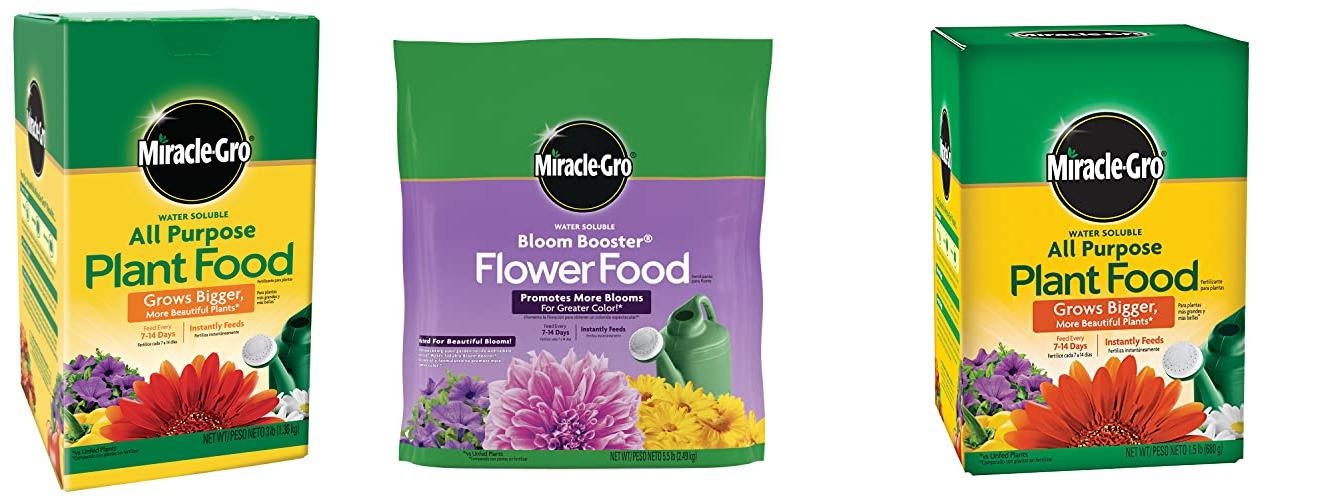
Our Top 5 Fertilizer For Flowering Plants Recommendations at a Glance
Top 5 Fertilizer For Flowering Plants Detailed Reviews
1. Miracle-Gro Water Soluble All Purpose Plant Food

Rating: 8.7/10
Tired of watching your plants struggle? The Miracle-Gro Water Soluble All Purpose Plant Food is your secret weapon for vibrant, flourishing greenery. This powerful formula delivers a burst of essential nutrients that your plants will drink up instantly. You’ll see a noticeable difference, with bigger, more beautiful flowers, tastier vegetables, and healthier trees and shrubs. It’s a simple way to give all your plants, from your prize-winning roses to your favorite houseplants, the boost they need.
What We Like:
- It’s packed with all the important nutrients plants need to thrive.
- It works fast, giving your plants a quick energy drink.
- You’ll grow bigger and more beautiful plants compared to those that don’t get fed.
- You can feed your plants every one to two weeks for consistent growth.
- It’s super easy to use with a Miracle-Gro Garden Feeder or just a watering can.
- It’s safe for every single plant you own, indoors or out.
- It’s guaranteed not to burn your plants if you follow the directions.
- It works for all kinds of plants: flowers, veggies, trees, shrubs, and houseplants.
What Could Be Improved:
- The 3 lb. size might be a lot for someone with only a few small plants.
- Some users might prefer a slow-release option instead of feeding every couple of weeks.
This plant food is a game-changer for anyone wanting healthier, more impressive plants. Give your garden the love it deserves with this easy-to-use, effective fertilizer.
2. Miracle-Gro Water Soluble Bloom Booster Flower Food

Rating: 9.0/10
Want more colorful flowers this season? Miracle-Gro Water Soluble Bloom Booster Flower Food promises to help your annual and perennial flowers burst with more blooms. This plant food works fast, giving your plants the nutrients they need right away. You can use it in your flower beds or in pots, and it’s great for all kinds of flowering plants like roses, hydrangeas, hibiscus, and many more.
What We Like:
- It makes your flowers bloom more, giving your garden more color compared to plants that don’t get fed.
- It feeds plants instantly, so you can see results quickly.
- You can feed your plants every 7 to 14 days for continuous growth.
- It works for both in-ground plants and container plants, including a wide variety of popular flowers.
- You can use it indoors with a watering can or outdoors with a Miracle-Gro Garden Feeder.
- A 5.5 lb. container covers a large area, about 2,200 sq. ft.
What Could Be Improved:
- The product is a powder that needs to be mixed with water, which takes an extra step compared to liquid fertilizers.
- For outdoor use, a separate Miracle-Gro Garden Feeder is recommended for easier application, adding to the overall cost if you don’t already own one.
This bloom booster is an easy way to get more vibrant colors from your flowers. It’s a good choice for anyone looking to enhance their garden’s beauty.
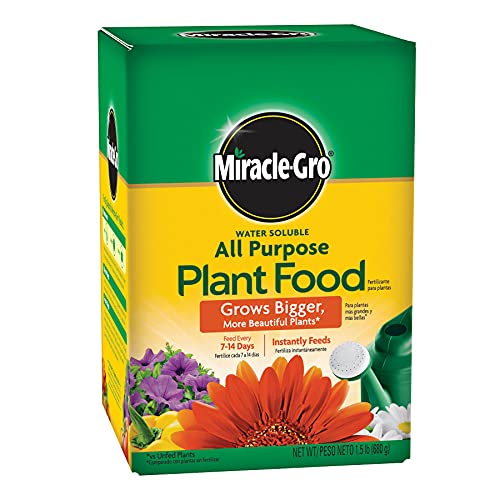
3. Miracle-Gro Water Soluble All Purpose Plant Food
Rating: 9.3/10
The Miracle-Gro Water Soluble All Purpose Plant Food is a fantastic solution for anyone looking to give their plants a boost. This product is designed to feed all kinds of plants, whether they live inside your house or outside in your garden. It works quickly to help your plants grow bigger and look more beautiful. The formula contains essential nutrients like Nitrogen, Phosphorus, and Potassium, which plants need to stay healthy and strong.
What We Like:
- It feeds all your plants, from delicate houseplants to sturdy trees and shrubs.
- It helps grow bigger, more beautiful plants compared to plants that don’t get fed.
- It starts working right away for fast and noticeable results.
- The NPK ratio of 24-8-16 provides the key nutrients plants need to thrive.
- It’s easy to mix and use for both indoor and outdoor plants.
- One container covers a large garden area, making it a great value.
What Could Be Improved:
- The mixing instructions are a bit different for indoor versus outdoor plants, which might require a quick read.
- While it’s a powder, some users might prefer a liquid fertilizer for even simpler application.
This plant food is a reliable choice for gardeners of all levels. It makes plant care simple and delivers impressive results, helping your greenery flourish.
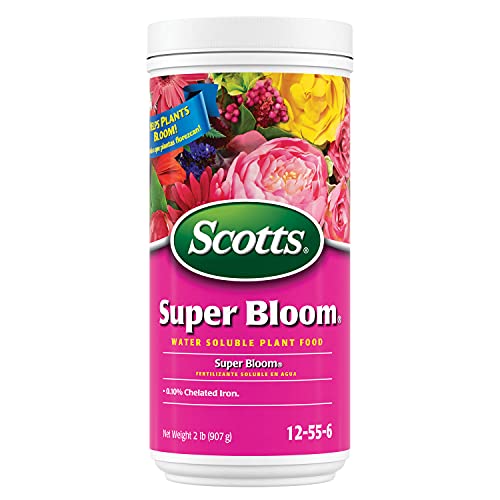
4. Scotts Super Bloom Water Soluble Plant Food
Rating: 9.0/10
Get ready for a garden explosion with Scotts Super Bloom Water Soluble Plant Food! This 2 lb bag packs a punch with its special NPK 12-55-6 formula, designed to make your outdoor flowers, juicy fruits, and container plants truly shine. It’s like giving your plants an instant energy drink that they can use right away!
What We Like:
- Boosts Blooms: The high phosphorus content is a game-changer for helping your plants produce more flowers and fruit.
- Fast-Acting: Since it’s water-soluble, your plants get the nutrients they need right away, so you see results quickly.
- Versatile Use: It works great for all sorts of outdoor plants, from colorful flower beds to your favorite potted herbs and vegetables.
- Safe for Plants: You don’t have to worry about burning your plants. As long as you follow the directions, it’s safe and effective.
- Easy Feeding Schedule: Feeding your plants every 1-2 weeks is simple and keeps them consistently happy and healthy.
What Could Be Improved:
- Packaging Size: For larger gardens, a bigger bag might be more convenient.
- Mixing Instructions: While generally clear, some users might prefer more visual guides for mixing the perfect solution.
This plant food is a fantastic way to give your garden a serious upgrade. Your plants will thank you with vibrant colors and delicious harvests.
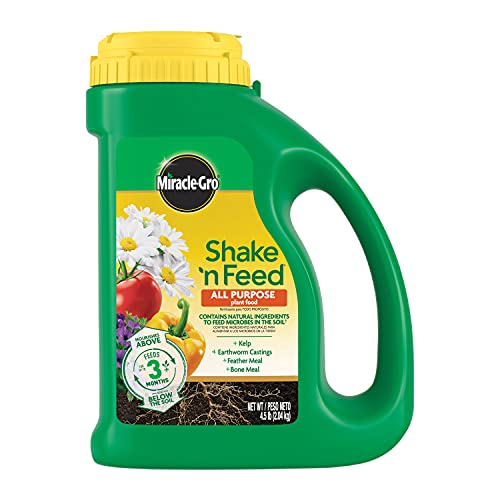
5. Miracle-Gro Shake ‘N Feed All Purpose Plant Food
Rating: 8.6/10
Tired of plants that look sad and don’t grow much? The Miracle-Gro Shake ‘N Feed All Purpose Plant Food is here to help. This 4.5 lb bag is like a super meal for your plants, working for up to three whole months. It feeds them both above and below the ground, giving them everything they need to thrive. You can use it on almost any plant, whether it’s in a pot on your balcony or planted right in the garden. Flowers, veggies, herbs – they’ll all love it!
What We Like:
- Feeds plants for a long time, up to 3 months.
- Works for plants in pots and in the ground.
- Helps grow stronger, brighter, and more productive plants.
- Contains natural ingredients to feed and nourish.
- Easy to use – just shake it on and water.
What Could Be Improved:
- The bag is a bit heavy to carry around.
- You need to remember to reapply every 3 months.
This plant food is a fantastic way to give your garden a boost. With a little effort, you can enjoy a beautiful and bountiful garden all season long.
Choosing the Best Fertilizer for Vibrant Blooms
Want your flowers to burst with color and life? The right fertilizer makes a huge difference. This guide helps you pick the perfect plant food for your flowering friends.
Key Features to Look For
When you shop for fertilizer, keep these things in mind:
- NPK Ratio: This is the most important part. NPK stands for Nitrogen (N), Phosphorus (P), and Potassium (K).
- Nitrogen (N): Helps plants grow green leaves and stems.
- Phosphorus (P): This is the star for flowers! It helps plants make strong roots and produce lots of blooms.
- Potassium (K): Helps plants fight off sickness and makes them stronger overall.
- For flowering plants, you usually want a fertilizer with a higher middle number (Phosphorus). Look for numbers like 10-20-10 or 15-30-15.
- Micronutrients: Plants also need small amounts of other nutrients like iron, magnesium, and calcium. Good fertilizers include these.
- Form: Fertilizers come in different forms:
- Granular: Little pellets you mix into the soil or spread on top. They release nutrients slowly.
- Liquid: You mix them with water and pour them on the soil. They work fast.
- Water-Soluble: Powders you dissolve in water. They also work quickly.
Important Materials
Fertilizers are made of different ingredients. Some are better than others.
- Organic Materials: These come from plants and animals. Examples include compost, manure, and bone meal. They feed the soil and release nutrients slowly. This is great for long-term plant health.
- Synthetic Materials: These are made in factories. They give plants nutrients right away. They are often cheaper but can harm the soil if used too much.
- Slow-Release: Some fertilizers have coatings that make them release nutrients over a longer time. This is helpful because you don’t have to fertilize as often.
Factors That Improve or Reduce Quality
What makes a fertilizer great or not so great?
- Nutrient Balance: A fertilizer with the right NPK ratio for flowering plants is key. Too much nitrogen can lead to lots of leaves but few flowers.
- Purity of Ingredients: Fertilizers made with high-quality, pure ingredients work better. Avoid fillers that don’t help your plants.
- Ease of Use: A fertilizer that is easy to measure and apply saves you time and effort.
- Environmental Impact: Some fertilizers can harm the environment. Organic options are generally better for the planet.
- Storage: Fertilizers should store well without clumping or losing their power.
User Experience and Use Cases
How do people use these fertilizers? And what do they think?
- For Blooming Flowers: The main use is to help plants produce more and bigger flowers. This works for annuals (plants that live for one year) and perennials (plants that come back every year).
- Container Plants: Flowers in pots need regular feeding because nutrients wash out of the soil quickly. Liquid or water-soluble fertilizers are popular here.
- Established Gardens: For plants already in the ground, slow-release granular fertilizers are a good choice. You apply them once or twice a season.
- Boosting Plant Health: Besides flowers, good fertilizer helps plants become stronger and healthier overall. They can resist pests and diseases better.
- Beginner Friendly: Many users prefer fertilizers that come with clear instructions. Simple application methods make gardening easier for everyone.
Frequently Asked Questions (FAQ)
Q: What is the best NPK ratio for flowering plants?
A: For most flowering plants, you want a higher middle number (Phosphorus). Look for ratios like 10-20-10 or 15-30-15. This number helps with blooming.
Q: Should I use organic or synthetic fertilizer?
A: Organic fertilizers feed the soil and release nutrients slowly, which is great for long-term health. Synthetic fertilizers work faster but can harm soil if overused. Many gardeners use a mix of both.
Q: How often should I fertilize flowering plants?
A: This depends on the fertilizer type and your plants. Liquid fertilizers might be used every 2-4 weeks. Slow-release granular ones might be applied once or twice a season. Always check the product label.
Q: Can I use fertilizer for vegetables on my flowers?
A: Sometimes, but it’s not ideal. Vegetable fertilizers might have too much nitrogen for flowers, leading to leafy growth instead of blooms. Look for fertilizers made specifically for flowering plants.
Q: What happens if I use too much fertilizer?
A: Using too much fertilizer can “burn” the plant’s roots. This can damage or even kill the plant. It can also cause too much leafy growth and fewer flowers.
Q: How do I apply granular fertilizer?
A: You usually spread the granules around the base of the plant. Gently mix them into the top layer of soil. Then, water the plant well. This helps the nutrients start working.
Q: What are micronutrients?
A: Micronutrients are vitamins for plants. They are needed in small amounts but are very important for plant health. Examples include iron, manganese, and zinc.
Q: Can fertilizer help wilting flowers?
A: Sometimes, wilting can be a sign of nutrient deficiency. However, wilting can also be caused by too much or too little water. Check the watering first before assuming it’s a fertilizer issue.
Q: What is the difference between fertilizer and plant food?
A: These terms are often used the same way. “Fertilizer” specifically refers to products that add nutrients to the soil. “Plant food” is a broader term that can include fertilizers and other products that help plants grow.
Q: Where should I store my fertilizer?
A: Store fertilizer in a cool, dry place away from direct sunlight and moisture. Keep it in its original container with the lid tightly closed. This keeps it from clumping and losing its effectiveness.
In conclusion, every product has unique features and benefits. We hope this review helps you decide if it meets your needs. An informed choice ensures the best experience.
If you have any questions or feedback, please share them in the comments. Your input helps everyone. Thank you for reading.