
Ever felt like your feet were screaming after a long day on hard surfaces? You’re not alone. Walking or working on concrete all day can be tough on your feet, ankles, and even your knees. It’s like trying to run a marathon on a treadmill that’s constantly pushing back!
Choosing the right shoes for this kind of work shouldn’t be a chore, but it often is. So many brands, so many features – it’s easy to get confused. You want shoes that feel good, protect your feet from impact, and last a long time. But how do you find those perfect sneakers or boots among all the choices?
In this post, we’ll break it all down. We’ll explore what makes a shoe great for concrete, what to look for, and some top picks that will make your feet thank you. Get ready to step into comfort and discover the best shoes to conquer those concrete jungles!
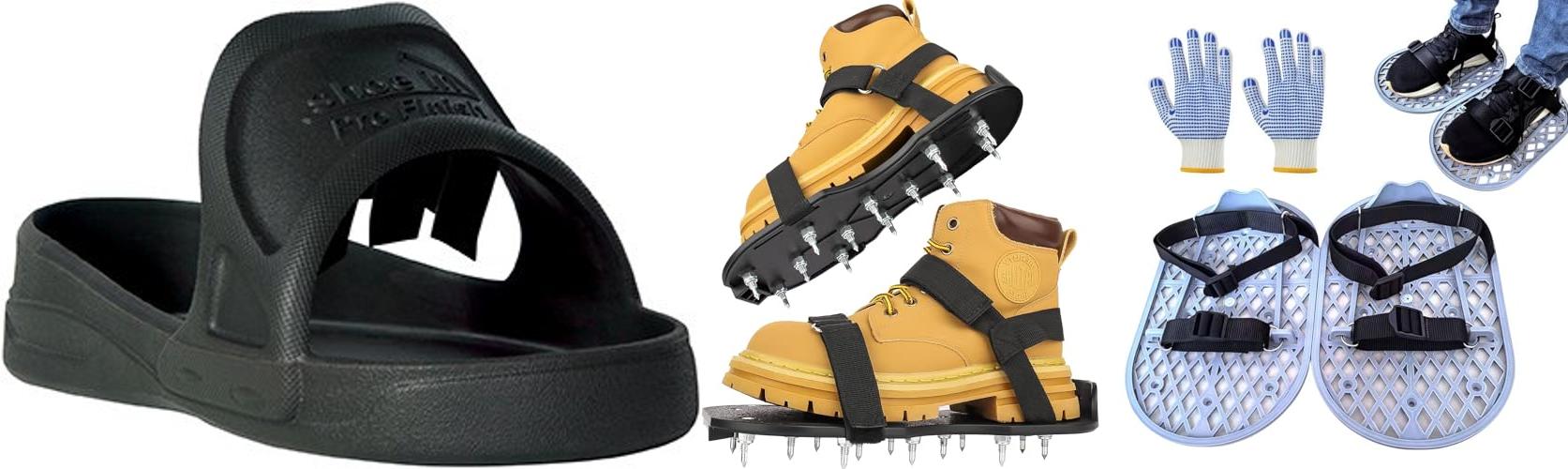
Our Top 5 Shoes For Concrete Recommendations at a Glance
Top 5 Shoes For Concrete Detailed Reviews
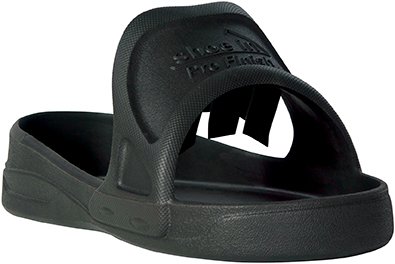
1. Seymour 46162 Flat Style Concrete Finishing Shoe
Rating: 9.1/10
The Seymour 46162 Flat Style Concrete Finishing Shoe, Large is a handy tool for anyone working with concrete. It helps you get a smooth finish on your concrete projects. This shoe is designed to make your job easier and give your concrete a professional look.
What We Like:
- It slips on in seconds, saving you time.
- It’s made for concrete installation, so it’s perfect for the job.
- You won’t leave annoying tread marks or heel marks on your concrete.
- It’s great for decorative concrete stamping and general surface troweling.
- The wide base gives you extra stability while you work.
What Could Be Improved:
- While it’s a great tool, it’s designed specifically for concrete finishing, so it might not be useful for other tasks.
- The “large” size might not fit everyone perfectly.
This concrete finishing shoe is a solid choice for professionals and DIYers alike. It makes achieving a smooth, clean concrete surface much simpler.
2. FIETODK Epoxy Floor Spiked Shoes Fully Assembled Gunite Spiked Shoes with 3/4″ Short Spikes for Garage Floor Epoxy

Rating: 8.8/10
Tired of leaving footprints on your freshly laid epoxy or concrete floors? The FIETODK Epoxy Floor Spiked Shoes are your solution! These fully assembled shoes come with short, 3/4″ spikes designed to help you walk on wet surfaces without leaving a mark. They provide excellent balance and grip, making them a must-have tool for anyone working with self-leveling paints, epoxy, gunite, or overlays.
What We Like:
- Fully assembled and ready to use right out of the box.
- Adjustable straps fit most standard adult shoe sizes (US Men 6-11, US Women 4-11.5).
- Short spikes prevent sticking and help remove air bubbles during application.
- Nylon locking nuts keep the spikes securely attached, ensuring safety and durability.
- Protects your finished surfaces from unwanted footprints.
- Comes with a free small wrench for easy adjustments.
- Professional customer service offers replacement if there are quality issues.
What Could Be Improved:
- Not suitable for shoe sizes above US Men 12 or very thick work boots. A larger size option is available.
These FIETODK spike shoes are a practical and essential tool for achieving a professional finish on your flooring projects. They simplify the application process and help maintain the integrity of your work.
3. Concrete Finishing Shoes

Rating: 9.0/10
Tired of leaving messy footprints on your fresh cement work? These Concrete Finishing Shoes are your new best friend on the job! They’re a smart replacement for old-fashioned knee boards. These shoes help you get the job done smoothly and professionally.
What We Like:
- These shoes stop you from making footprints in wet cement. This keeps your finished floor looking neat.
- They are made from strong ABS plastic. This plastic is tough and lasts a long time.
- The bottoms have a special grip to stop you from slipping. This makes them safer to use.
- Strong nylon straps hold the shoes securely on your feet. You can move around easily.
- They fit almost everyone! You don’t need to guess your size.
- You can use them for cement, mortar, and plaster jobs. They are very useful for many projects.
- They help you work longer without getting tired.
What Could Be Improved:
- While they are universal fit, some people with very large or very small feet might find them less comfortable.
- The plastic construction, while durable, might not offer the same level of cushioning as some other footwear options for extremely long workdays.
These concrete finishing shoes make your work easier and cleaner. They are a great tool for any construction worker.
4. Epoxy Floor Concrete Spike Shoes epoxy Garage Cleats Floor Coating gunite self Leveling Coating Spike Shoes No Heel Barrier

Rating: 8.8/10
Applying epoxy coatings to garage floors, gunite surfaces, or self-leveling floors can be a messy job. You need to walk on wet coatings without leaving footprints. These Epoxy Floor Concrete Spike Shoes are designed to help you do just that. They are spike shoes, also called cleats, that you wear over your regular shoes. This keeps you from stepping directly into the wet coating. They work for epoxy, garage floors, gunite, and self-leveling coatings.
What We Like:
- They fit everyone! These shoes have universal sizing. You can adjust them to fit any shoe size and type. They even fit over safety shoes with their extended straps.
- No need to put them together. They come pre-assembled. This saves you time and avoids mistakes. You can save up to 15 minutes.
- They help you stay balanced. The ergonomic design keeps you steady on your feet. This stops you from falling or twisting your ankle.
- They are tough but light. Made from strong nylon, they are built to last. They are also comfortable to wear.
- They are made better now. The shoe board is stronger. They use nuts to make sure the parts do not come loose.
What Could Be Improved:
- The spike length might be too long for very thin coatings.
- While durable, prolonged heavy use might eventually wear down the straps.
These spike shoes make applying floor coatings much easier. They offer good stability and a secure fit for many different situations.
5. Plastering Cushion Sleeper

Rating: 9.4/10
Introducing the Plastering Cushion Sleeper Set, your ultimate companion for concrete and cement finishing work. This innovative set includes special shoes, waterproof sleeves, and leggings, all designed to make your job easier and cleaner. Say goodbye to messy footprints and hello to professional-looking finishes!
What We Like:
- These cushion sleepers are amazing for plaster work. They prevent shoe marks on your finished floors, keeping everything looking neat.
- They are super easy to wear. Just slip your own shoe inside and strap it on.
- The special rubber band holds your shoes securely, so your feet stay put and don’t slip out.
- Made from strong ABS material, they are built to last.
- They are also less slippery on wet surfaces, which is a big help.
- The set comes with waterproof sleeves and leggings, offering full protection.
- The one-size-fits-all design (11.8 inches) works for most people.
- They are lightweight, so your feet won’t get tired, even after long hours.
What Could Be Improved:
- While they are one size fits all, some users with very large feet might find them a bit snug.
- The ABS material, though sturdy, could potentially scratch very delicate finishes if not used carefully.
This Plastering Cushion Sleeper Set is a game-changer for anyone doing concrete or cement finishing. It helps you work smarter and achieve cleaner results.
Finding the Best Shoes for Concrete: Your Ultimate Guide
Walking or working on concrete all day can be tough on your feet. You need shoes that offer good support and cushioning. This guide helps you pick the perfect pair.
Key Features to Look For
When you’re shopping for shoes to wear on concrete, keep these important features in mind:
- Excellent Cushioning: This is super important. Look for shoes with thick midsoles. They act like shock absorbers. This helps reduce the impact on your joints.
- Good Arch Support: Your arches need support to prevent pain. Shoes with built-in arch support keep your feet comfortable.
- Durability: Concrete is a hard surface. You need shoes that can withstand daily wear and tear. Strong stitching and tough soles make a big difference.
- Breathability: Your feet can get hot and sweaty. Shoes with mesh or breathable materials keep your feet cool and dry.
- Traction: You don’t want to slip. Good grip on the outsole prevents accidents.
Important Materials
The materials used in shoes greatly affect their comfort and performance.
- Midsoles:
- EVA (Ethylene Vinyl Acetate): This is a common foam. It’s lightweight and offers good cushioning. Many running shoes use EVA.
- PU (Polyurethane): PU is denser than EVA. It provides excellent shock absorption and is very durable. It’s often found in work boots.
- Outsoles:
- Rubber: Natural or synthetic rubber provides great grip and flexibility. It’s a top choice for traction.
- Carbon Rubber: This is a tougher type of rubber. It’s more resistant to wear, making shoes last longer.
- Uppers:
- Mesh: This material is very breathable. It lets air flow through, keeping feet cool.
- Leather: Leather is strong and durable. It offers good protection. Some leather shoes have breathable linings.
- Synthetic Materials: These can be lightweight and water-resistant. They often offer a good balance of durability and comfort.
Factors That Improve or Reduce Quality
Several things can make a shoe better or worse for concrete:
- Improvements:
- Thicker Midsoles: More cushioning means less stress on your feet.
- Reinforced Toe Boxes: This protects your toes and makes the shoe last longer.
- Padded Collars and Tongues: These add comfort around your ankle and the top of your foot.
- Removable Insoles: You can swap them out for custom orthotics if needed.
- Reductions:
- Thin Soles: These offer little protection from hard surfaces.
- Poor Arch Support: This can lead to foot pain and other problems.
- Stiff Materials: Shoes that are too rigid can be uncomfortable for long periods.
- Lack of Cushioning: This is a major problem for concrete wear.
User Experience and Use Cases
Who needs these shoes and why?
- Workers: People who stand or walk on concrete for hours, like factory workers, nurses, or retail staff, benefit the most. These shoes reduce fatigue.
- Athletes: Runners and walkers who train on pavement need good cushioning and support. This helps prevent injuries.
- Everyday Wear: If you live in a city with lots of concrete sidewalks, comfortable shoes make your daily walks much more pleasant.
The right shoes make a huge difference. They protect your feet and keep you comfortable, no matter what you’re doing on hard surfaces.
Frequently Asked Questions (FAQ)
Q: What are the main features to look for in shoes for concrete?
A: You should look for excellent cushioning, good arch support, durability, breathability, and good traction.
Q: What are the best materials for shoe midsoles on concrete?
A: EVA and PU are great materials. EVA is lightweight and offers good cushioning. PU is denser, very durable, and absorbs shock well.
Q: How does an outsole material affect shoe quality for concrete?
A: Rubber outsoles provide excellent grip and flexibility. Carbon rubber is tougher and resists wear, making shoes last longer.
Q: What makes a shoe’s upper material good for concrete?
A: Mesh uppers are very breathable, keeping your feet cool. Leather is strong and protective, while synthetic materials can be lightweight and water-resistant.
Q: What factors improve the quality of shoes for concrete?
A: Thicker midsoles, reinforced toe boxes, padded collars and tongues, and removable insoles improve quality.
Q: What factors can reduce the quality of shoes for concrete?
A: Thin soles, poor arch support, stiff materials, and a lack of cushioning reduce quality.
Q: Who benefits most from wearing shoes designed for concrete?
A: People who work on their feet all day, like factory workers or nurses, and athletes who train on hard surfaces benefit the most.
Q: Can I wear regular sneakers on concrete?
A: Some regular sneakers might work if they have good cushioning and support. However, shoes specifically designed for concrete offer better protection and comfort for long periods.
Q: How often should I replace my shoes if I wear them on concrete daily?
A: It depends on the shoe’s quality and how much you wear them. Generally, you might need to replace them every 300-500 miles of walking or running, or when the cushioning feels worn out.
Q: Should I consider the weight of the shoe when buying for concrete?
A: Yes, lighter shoes can be more comfortable for long wear. However, don’t sacrifice cushioning and support for a lighter shoe. A good balance is key.
In conclusion, every product has unique features and benefits. We hope this review helps you decide if it meets your needs. An informed choice ensures the best experience.
If you have any questions or feedback, please share them in the comments. Your input helps everyone. Thank you for reading.