
Ever laced up a pair of running shoes and felt like you were flying? Or maybe you’ve experienced the opposite – shoes that felt clunky and slow, leaving your feet aching after just a short jog. That’s the power of the right running shoe, and for men, finding that perfect fit can feel like searching for a needle in a haystack.
The world of men’s running shoes is huge. There are so many brands, styles, and technologies, it’s easy to feel overwhelmed. You might be wondering: what’s the difference between a cushioned shoe and a stability shoe? Does my arch type really matter? These questions can make buying new running shoes a frustrating task, especially when you just want to hit the pavement or trail without discomfort or injury.
But don’t worry! This guide is here to make things simple. We’ll break down the key features to look for, explain what all those fancy terms mean, and help you understand how to choose shoes that will support your stride, boost your performance, and keep your feet happy mile after mile. Get ready to discover the secrets to finding your ultimate running companions.
Our Top 5 Male Running Shoes Recommendations at a Glance
Top 5 Male Running Shoes Detailed Reviews
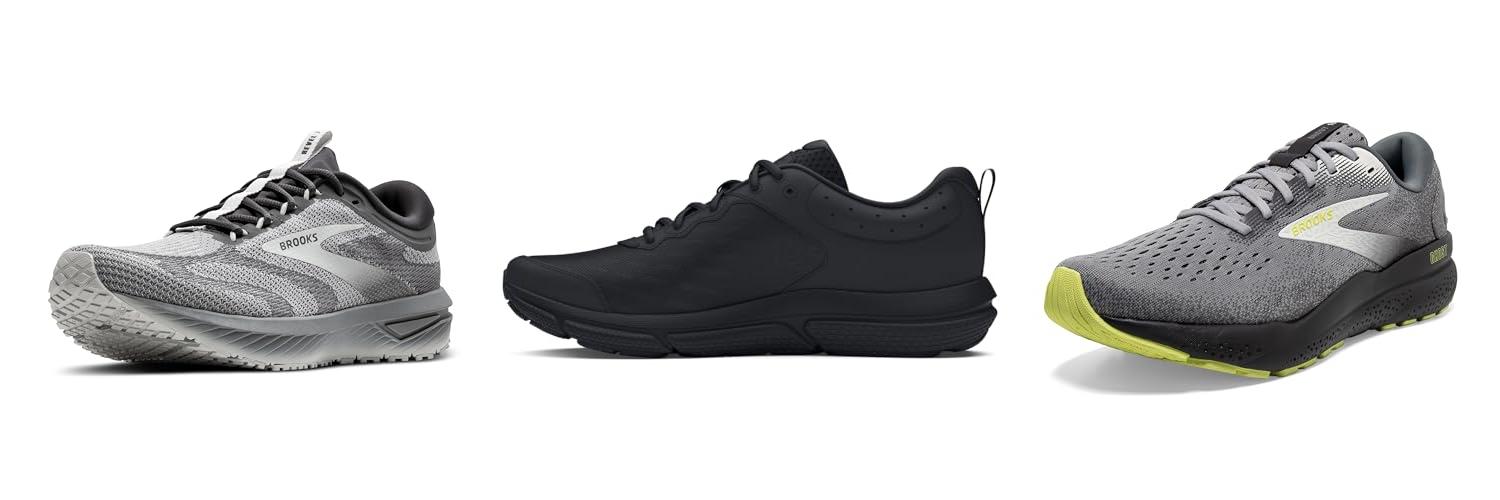
1. Brooks Men’s Revel 7 Neutral Running Shoe – Primer/Blackened Pearl – 12 Medium

Rating: 9.3/10
The Brooks Men’s Revel 7 Neutral Running Shoe in Primer/Blackened Pearl, size 12 Medium, is a fantastic choice for runners who want a shoe that can do it all. Whether you’re hitting the gym, going for a weekend run, or just need comfortable shoes for your busy day, the Revel 7 has you covered. It’s the latest version, improving on the already popular Revel 6.
What We Like:
- The DNA midsole cushioning adapts to how you run. It absorbs impact, keeping your body protected.
- You’ll feel a spring in your step. The shoe’s bottom gives back energy with every move.
- It feels really comfortable. The tongue is soft, and the collar is designed for all-day wear.
- The new knit upper looks stylish and fits well. It gives you support and lets your feet breathe.
- This shoe is super versatile. It works for workouts, casual wear, and everything in between.
What Could Be Improved:
- Some runners might prefer more cushioning for very long distances.
- The color options are limited, so you might not find exactly what you’re looking for.
The Brooks Men’s Revel 7 offers a great balance of comfort and responsiveness. It’s a dependable shoe that keeps up with your active lifestyle.
2. Under Armour Men’s Charged Assert 10

Rating: 9.3/10
The Under Armour Men’s Charged Assert 10 in Black/Black/Black is a versatile shoe designed for comfort and performance. It’s built to handle your daily runs, gym sessions, or just running errands. This shoe aims to give you a good balance of support and cushioning.
What We Like:
- It has a lightweight and breathable mesh upper. This helps keep your feet cool.
- Synthetic overlays add extra strength and support where you need it.
- The EVA sockliner feels soft when you put the shoe on.
- The Charged Cushioning midsole uses special foam. This foam gives you great responsiveness and lasts a long time.
- The solid rubber outsole covers important areas. This makes the shoe more durable without adding a lot of weight.
- The shoe has an offset of 10mm. This is a common measurement for running shoes.
What Could Be Improved:
- Warning: This product can expose you to chemicals including chromium (hexavalent compounds). This chemical is known in California to cause cancer and birth defects or other reproductive harm.
Overall, the Under Armour Charged Assert 10 offers solid comfort and durability for active individuals. It’s a good option if you’re looking for a reliable everyday shoe.
3. Brooks Men’s Ghost 16 Neutral Running Shoe – Primer/Grey/Lime – 11 Wide

Rating: 9.1/10
The Brooks Men’s Ghost 16 Neutral Running Shoe in Primer/Grey/Lime, size 11 Wide, is designed for runners who want a smooth and comfortable experience. It’s made to help you enjoy your runs without any distractions. This shoe is also special because it’s a certified diabetic shoe and has been recognized by the APMA. Plus, it’s good for the planet as it’s a carbon-neutral product!
What We Like:
- Super soft cushioning with nitrogen-infused DNA Loft v3 makes every step feel light and comfy.
- The shoe provides neutral support, which is great for many runners.
- It’s perfect for road running, walking, and even gym workouts.
- The engineered air mesh upper keeps your feet cool and comfortable.
- The new RoadTack rubber outsole is tough and gives a good rebound.
- The shoe offers smooth transitions from when you land to when you push off.
- It has a refined 3D Fit Print for a more secure and seamless feel.
- It’s a certified diabetic shoe and has the APMA Seal of Acceptance.
- The Ghost 16 is a certified carbon-neutral product, which is eco-friendly.
What Could Be Improved:
- The “Primer/Grey/Lime” colorway might not be everyone’s favorite.
- As a newer model, its long-term durability compared to the Ghost 15 is yet to be fully tested by the public.
Overall, the Brooks Men’s Ghost 16 is a well-rounded running shoe that offers comfort and support. It’s a great choice for various activities, and its eco-friendly features are a bonus.
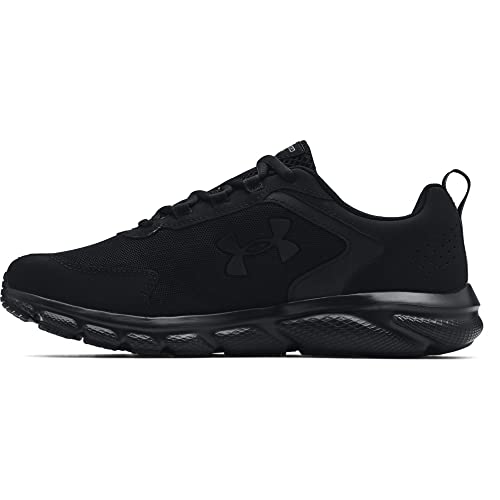
4. Under Armour Mens Charged Assert 9 Running Shoe
Rating: 9.3/10
The Under Armour Charged Assert 9 Running Shoe in Black-003, size 12 X-Wide, is designed for runners who need extra room and great performance. This shoe offers a blend of comfort, support, and durability, making it a solid choice for your runs.
What We Like:
- The lightweight mesh upper lets your feet breathe easily.
- Leather overlays add extra support and keep your foot secure.
- The soft EVA sockliner feels great from the moment you put them on.
- Charged Cushioning provides a bouncy and lasting feel with every step.
- The tough rubber outsole protects key areas and keeps the shoe light.
- The 4E sizing is perfect for athletes with wide feet.
- This shoe is ideal for neutral runners needing flexibility and cushioning.
What Could Be Improved:
- Some runners might prefer more aggressive tread for very slippery conditions.
- The standard tie laces, while reliable, could be seen as less convenient than alternative closures by some.
Overall, the Under Armour Charged Assert 9 is a fantastic option for wide-footed runners seeking comfort and responsive cushioning. It delivers on its promises for everyday training and versatile use.
5. YITUHIO Running Shoes for Mens Fashion Sneakers Gym Tennis Walking Shoes Lightweight

Rating: 9.0/10
Introducing the YITUHIO Running Shoes for Men, a versatile and stylish option for your active lifestyle. These black, men’s size 10 sneakers are designed for comfort and performance, whether you’re hitting the gym, going for a run, or just enjoying a casual day out.
What We Like:
- The skin-friendly materials offer a soft, breathable upper and superior cushioning for all-day comfort.
- These shoes are incredibly lightweight, reducing foot fatigue and making movement easy.
- The basic, fashionable slip-on look with elasticated opening makes them super easy to put on and take off.
- Durable laces provide a secure and adjustable fit for your personal preference.
- The anti-slip and wear-resistant outsole ensures excellent grip and stability on various surfaces, helping to prevent slips.
- They are machine washable, adding to their convenience.
- These shoes are perfect for a wide range of activities, including walking, running, gym workouts, sports, hiking, and even casual wear with jeans or shorts.
What Could Be Improved:
- While the slip-on feature is convenient, some users might prefer a more traditional lace-up design for enhanced ankle support during intense activities.
- The “fashion sneakers” aspect might not appeal to those seeking highly technical athletic footwear for specialized sports.
Overall, the YITUHIO Running Shoes are a fantastic choice for anyone looking for comfortable, stylish, and versatile footwear. They offer great value and can easily become your go-to shoes for many occasions.
Choosing the Best Male Running Shoes: Your Ultimate Guide
Ready to hit the pavement or trail? Picking the right running shoes makes a big difference. It keeps you comfortable, helps prevent injuries, and makes your runs more enjoyable. This guide will help you find the perfect pair.
What to Look for in Running Shoes
Let’s break down the important parts of a running shoe.
Key Features for a Great Run
- Cushioning: This is how much padding the shoe has. More cushioning means a softer ride, which is good for long runs or if you have joint pain. Less cushioning gives you a more responsive feel, great for speed.
- Support: Some shoes offer more support to help control how your foot moves when you run. This is important if your feet tend to roll inward (overpronation) or outward (supination).
- Fit: The shoe should feel snug but not tight. Your toes need a little wiggle room. A good fit prevents blisters and discomfort.
- Traction: The bottom of the shoe has grips to keep you from slipping. Different types of terrain need different kinds of traction.
- Breathability: The shoe’s upper material lets air flow through. This keeps your feet cool and dry.
Understanding Shoe Materials
The materials used in running shoes affect how they perform.
Important Materials that Matter
- Uppers: These are usually made of mesh or knit fabrics. They are lightweight and breathable. Some have synthetic overlays for extra support or durability.
- Midsoles: This is the middle layer, where most of the cushioning and support comes from. Common materials include EVA (ethylene vinyl acetate) and PU (polyurethane). EVA is lighter and more flexible. PU is denser and more durable. Many shoes use a combination.
- Outsoles: This is the bottom layer that touches the ground. It’s typically made of rubber. Different rubber compounds offer varying levels of durability and grip.
What Makes a Shoe Great (or Not So Great)?
Quality can vary. Here’s what to watch out for.
Factors That Affect Shoe Quality
- Durability: How long will the shoe last? High-quality materials and construction mean your shoes will hold up longer. Look for reinforced areas and sturdy stitching.
- Weight: Lighter shoes often feel faster and less tiring. However, very lightweight shoes might sacrifice cushioning or support.
- Flexibility: The shoe should bend naturally with your foot. A shoe that’s too stiff can feel awkward.
- Water Resistance: Some shoes have materials that resist water, which is helpful for wet conditions. However, this can sometimes reduce breathability.
Your Running Experience
How you use your shoes matters a lot.
User Experience and Use Cases
- Road Running: For running on paved surfaces like roads and sidewalks, you’ll want good cushioning and smooth-rolling soles. Shoes designed for road running are usually lighter.
- Trail Running: If you run on dirt paths, rocky trails, or uneven terrain, you need shoes with aggressive tread for grip and more protection. Trail shoes are often more durable and may have water-resistant uppers.
- Everyday Training: Most runners need a versatile shoe that can handle daily runs. These shoes balance cushioning, support, and durability.
- Racing: For competitive races, runners often choose lighter shoes with less cushioning for maximum speed. These shoes might not be as durable for everyday training.
Frequently Asked Questions (FAQ)**
Q: What are the main Key Features I should look for?
A: You should look for good cushioning for comfort, appropriate support for your foot type, a comfortable and secure fit, reliable traction for grip, and breathability to keep your feet cool.
Q: How important is the material of the shoe?
A: The materials are very important. Uppers made of mesh offer breathability. Midsoles made of EVA or PU provide cushioning and support. Outsoles made of rubber offer grip and durability.
Q: Will a more expensive shoe always be better quality?
A: Not always. While higher-priced shoes often use premium materials and advanced technology, a mid-range shoe might be a better fit for your needs. Focus on features that match your running style and preferences.
Q: How do I know if a shoe fits correctly?
A: The shoe should feel snug around your heel and midfoot, but you should have about a thumb’s width of space between your longest toe and the end of the shoe. Your toes should be able to wiggle freely.
Q: How often should I replace my running shoes?
A: Most running shoes last between 300 to 500 miles. You’ll know it’s time to replace them when the cushioning feels flat, the tread is worn down, or you start feeling new aches and pains.
Q: Can I use the same shoes for road and trail running?
A: It’s best to have separate shoes for each. Trail shoes have specialized grip and protection for uneven surfaces that road shoes lack. Road shoes are lighter and smoother for paved paths.
Q: What does “pronation” mean?
A: Pronation is the natural inward rolling motion of your foot as you walk or run. Overpronation is when your foot rolls too far inward, and supination is when it rolls outward.
Q: Do I need special shoes if I have flat feet?
A: People with flat feet often overpronate. You might benefit from stability shoes that offer extra support to control your foot’s motion. Trying on different types is key.
Q: How does cushioning affect my run?
A: More cushioning provides a softer landing and can reduce impact on your joints, which is good for comfort and recovery. Less cushioning offers a more direct feel of the ground and can help you feel faster.
Q: What’s the difference between running shoes and training shoes?
A: Running shoes are specifically designed for forward motion and the impact of running. Training shoes, or cross-trainers, are more versatile and built for a variety of movements like jumping and lateral shuffling.
In conclusion, every product has unique features and benefits. We hope this review helps you decide if it meets your needs. An informed choice ensures the best experience.
If you have any questions or feedback, please share them in the comments. Your input helps everyone. Thank you for reading.