
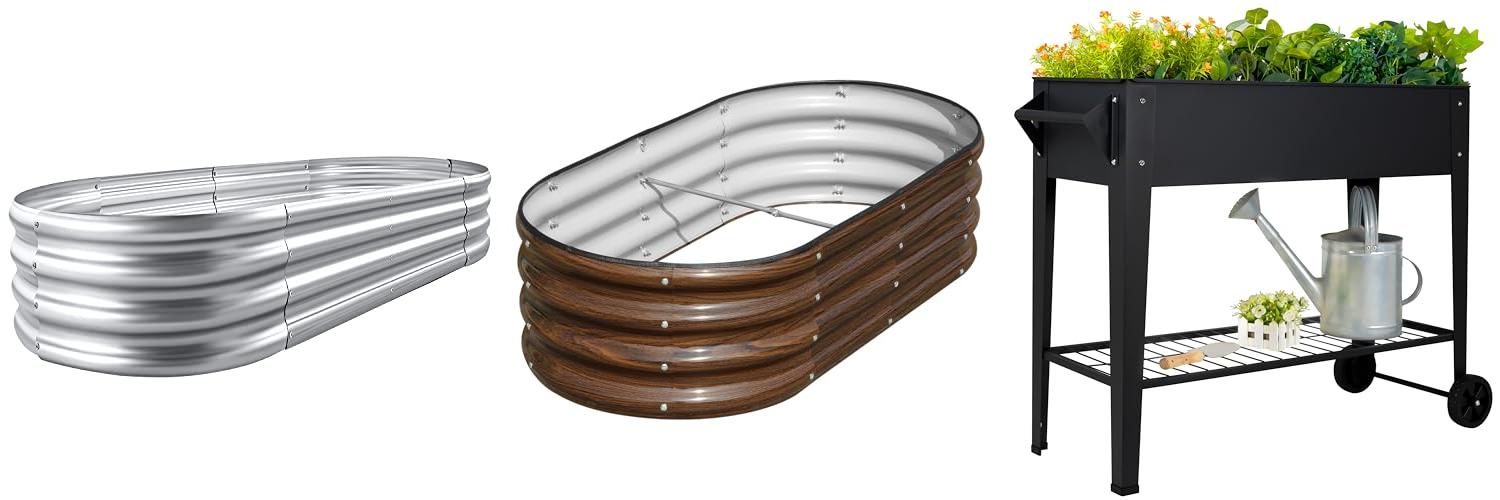
Ever dreamed of a garden overflowing with vibrant veggies and beautiful blooms, but felt overwhelmed by where to start? You’re not alone! Choosing the perfect plants for your raised garden beds can feel like navigating a jungle of choices. Will your tomatoes thrive? Can you actually grow those juicy strawberries? The worry of picking the wrong ones, only to see them wilt or fail, can be a real garden buzzkill.
But what if we told you that selecting the ideal plants for your raised beds could be simple and rewarding? This guide is your key to unlocking a flourishing garden. We’ll cut through the confusion and help you discover plants that are not only perfect for raised beds but will also bring you bountiful harvests and stunning displays.
Get ready to say goodbye to gardening guesswork and hello to a thriving oasis. We’re about to explore the best plants that will make your raised garden beds the envy of the neighborhood. Let’s dig in!
Our Top 5 Plants For Raised Garden Beds Recommendations at a Glance
Top 5 Plants For Raised Garden Beds Detailed Reviews
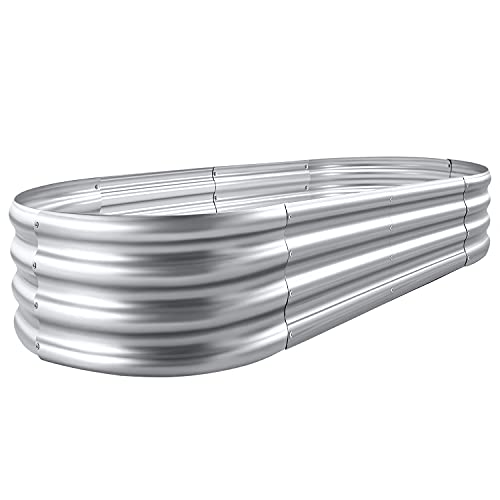
1. Land Guard Galvanized Raised Garden Bed Kit
Rating: 9.3/10
The Land Guard Galvanized Raised Garden Bed Kit is a fantastic choice for anyone wanting to create a beautiful and productive garden. This large, oval metal planter box is designed for growing vegetables and offers a sturdy place to start your plants. Its generous 4x2x1ft size provides plenty of room for roots to grow and for you to plant a variety of your favorite veggies.
What We Like:
- Sturdy and Long-Lasting: Made from strong Q195 galvanized metal, this garden bed features a double-layer anti-corrosion coating. This means it’s built to last for many years, resisting rust and staying strong.
- Beautiful Oval Design: The oval shape isn’t just pretty; it also helps the bed withstand pressure better at the connections, keeping it from becoming loose or misshapen over time.
- Super Easy Setup: You can have this garden bed ready for planting in about 5 minutes. No complicated tools or instructions needed – just quick assembly!
- Healthy Plant Roots: The open base design lets extra water drain away, preventing root rot. This also helps plant roots get the nutrients they need to grow strong.
- Thick and Durable Metal: With a thickness of at least 0.78mm, and up to 1.56mm in thicker parts, this metal is much stronger than ordinary garden beds. It’s built to handle the weight of soil and plants without bending.
What Could Be Improved:
- Size Specificity: While the size is listed as 4x2x1ft, some gardeners might prefer more options for smaller or larger spaces.
- Color Options: Currently, the description only mentions galvanized metal, so offering different color choices could appeal to a wider range of aesthetic preferences.
This raised garden bed kit offers a durable and user-friendly way to enhance your gardening experience. Its robust construction and thoughtful design make it a worthwhile investment for any vegetable garden.
2. SnugNiture Galvanized Raised Garden Bed

Rating: 8.6/10
Transform your outdoor space into a thriving garden with the SnugNiture Galvanized Raised Garden Bed. This oval metal planter box offers a generous 4x2x1ft size, giving your vegetables, flowers, and plants plenty of room to grow and flourish.
What We Like:
- Ample Growing Space: The 47.24″L x 23.62″W x 11.81″H dimensions provide a large area for planting all your favorite outdoor crops.
- Durable and Rust-Resistant: Made from 0.5 mm thick galvanized steel, this planter box is built to last and resists corrosion, even when in constant contact with soil.
- Excellent Drainage: The bottomless design allows for great drainage, keeping your soil permeable and letting plant roots spread out freely for healthier growth.
- Quick and Easy Setup: You can assemble this garden bed in just a few simple steps, saving you time and effort so you can start planting sooner.
- Safe for Your Plants: The eco-friendly coatings on the galvanized bed ensure that no harmful substances leach into the soil, protecting your plants.
What Could Be Improved:
- The oval shape, while stylish, might make it slightly trickier to place against a perfectly straight wall compared to a rectangular bed.
- While durable, the metal could potentially get warm in direct, intense sunlight, so consider its placement for heat-sensitive plants.
This SnugNiture raised garden bed is a fantastic choice for anyone looking to create a beautiful and productive garden. Its sturdy construction and thoughtful design make gardening easier and more rewarding.
3. LEETOLLA Elevate 32″ Tall Raised Garden Bed Outdoor with Wheels & Shelf for Mobility

Rating: 8.7/10
Get ready to grow your favorite veggies and herbs with the LEETOLLA Elevate 32″ Tall Raised Garden Bed. This sturdy steel planter box is designed for easy gardening, even if you have limited space or physical challenges.
What We Like:
- Super strong steel can hold up to 400 pounds without bending.
- It won’t rust easily, even when it’s out in the rain or snow.
- Moving it around is a breeze with its big wheels and handy handlebar.
- It fits nicely in tight spots, making it great for small balconies.
- Your plants will stay healthy because water drains out well.
- The tall design means you don’t have to bend over as much.
- The extra shelf is perfect for keeping your gardening tools close by.
- It comes with a lifetime warranty, so you can get a free replacement if anything goes wrong.
What Could Be Improved:
- The instructions for putting it together could be clearer.
- While it’s anti-rust, some users have reported minor cosmetic rust spots after a very long time.
This garden bed makes gardening accessible and enjoyable for everyone. It’s a smart choice for anyone wanting to create their own green space.
4. Yaheetech 8×2ft Wooden Horticulture Raised Garden Bed Divisible Elevated Planting Planter Box for Flowers/Vegetables/Herbs in Backyard/Patio Outdoor

Rating: 9.2/10
The Yaheetech 8x2ft Wooden Raised Garden Bed offers a versatile and sturdy solution for your gardening needs. This natural wood planter box is designed to elevate your planting experience, allowing you to grow a variety of flowers, vegetables, and herbs right in your backyard or on your patio. Its practical design makes gardening more convenient and enjoyable.
What We Like:
- Multifunctional Design: The planter is divided into two sections, perfect for separating different types of plants. You can also remove the divider to create one large growing space.
- Practical Use: It’s ideal for growing vegetables, flowers, or herbs on your patio, yard, garden, or even in a greenhouse. It makes managing your plants much easier.
- Simple Assembly: Putting this garden bed together is quick and easy. It has a stable structure and uses heavy-duty screws for a secure connection.
- Flexible DIY Options: The corner posts have been improved with more slots, allowing you to connect multiple beds together in different ways. This gives you more freedom to design your garden space.
- Stable Construction: Each side of the bed has a complete plate that prevents soil from leaking out. The whole structure is very stable and easy to install.
What Could Be Improved:
- The natural wood finish might require sealing or treatment to withstand harsh weather conditions for longer periods.
- While assembly is simple, some users might prefer pre-drilled holes for even faster setup.
This raised garden bed is a fantastic addition to any outdoor space, offering both functionality and the ability to customize your garden layout. It’s a practical choice for gardeners of all levels.
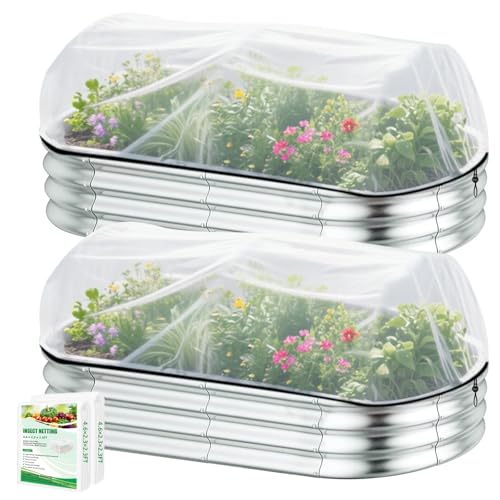
5. 2 Packs Garden Netting Pest Barrier for Raised Beds
Rating: 8.6/10
Protect your precious plants from pesky critters with this 2-pack garden netting set! These plant covers are designed specifically for raised garden beds, offering a safe haven for your vegetables, fruits, and flowers. They’re easy to use and provide excellent protection without blocking essential sunlight, air, or rain.
What We Like:
- These nets come in a pack of two, giving you double the coverage for your garden beds.
- The fine mesh (0.05in) effectively keeps out insects while letting in sunlight, air, and rain.
- Each net has an adjustable drawstring, making it easy to create a snug, wind-proof seal around your raised beds.
- They fit perfectly on 4×2×1FT raised beds and are also great for planter boxes and flower boxes.
- Made from UV-resistant HDPE, these nets won’t fade in the sun and are built to last.
- The design is tough yet lightweight, making them easy to carry, install, and store.
- You can use them for more than just raised beds; they work on young trees, herbs, and other crops.
- The white mesh blends nicely into your garden, keeping it looking good.
- This set offers great value and is an eco-friendly choice since HDPE is recyclable.
What Could Be Improved:
- The product description doesn’t explicitly state the dimensions of the drawstring itself, which might be helpful for some users.
- While the nets are durable, exceptionally strong winds might still pose a challenge if not secured properly with the drawstring.
Overall, this garden netting set is a fantastic, cost-effective solution for protecting your plants. It’s a versatile and easy-to-use product that helps ensure a healthy and bountiful harvest.
Choosing the Best Plants for Your Raised Garden Beds
Raised garden beds offer a fantastic way to grow your own food and flowers. They give you more control over your soil, improve drainage, and make gardening easier on your back. But what plants thrive in these elevated spaces? This guide will help you pick the perfect plants for your raised garden bed.
Key Features to Look For
When selecting plants for raised beds, consider a few important things:
- Root Depth: Some plants have deep taproots that might struggle in the limited depth of a raised bed. Look for plants that have shallower root systems.
- Sunlight Needs: Know how much sun your garden bed gets. Some plants need full sun (6+ hours a day), while others prefer partial shade (3-6 hours). Match plants to your bed’s location.
- Water Requirements: Different plants need different amounts of water. Group plants with similar watering needs together to make watering easier.
- Size and Growth Habit: Will the plant get too big for your bed? Does it spread aggressively? Choose plants that fit your space and won’t overwhelm their neighbors.
Important Materials (for the Plants Themselves!)
While you’re buying plants, think about what makes them healthy:
- Healthy Roots: Look for plants with a good root system. The roots should be white and firm, not brown or mushy. Avoid plants that are root-bound, meaning their roots are circling tightly around the pot.
- Vibrant Foliage: The leaves should be a healthy green color and free from spots or wilting.
- No Pests or Diseases: Inspect the plants carefully for any signs of bugs or sickness. You don’t want to bring problems into your garden.
Factors That Improve or Reduce Quality
Several things impact how well your plants will grow:
- Sunlight: This is crucial. Too little sun means weak growth and fewer flowers or fruits. Too much intense sun can scorch some plants.
- Water: Consistent watering is key. Don’t let plants dry out completely, but also don’t drown them.
- Soil Quality: Even though raised beds are great for soil, using good compost and nutrients will make a big difference.
- Spacing: Giving plants enough room to grow prevents overcrowding. Overcrowded plants compete for resources and can get diseases more easily.
- Climate: Choose plants that are suited to your local climate and growing season.
User Experience and Use Cases
Raised garden beds are incredibly versatile. Here are some popular ways people use them:
- Vegetable Gardens: Grow all sorts of veggies like tomatoes, peppers, lettuce, carrots, and beans. Root vegetables like potatoes and sweet potatoes do well.
- Herb Gardens: Herbs like basil, mint, rosemary, and thyme are perfect for raised beds. They are easy to harvest and add flavor to meals.
- Flower Gardens: Create beautiful displays with flowers like marigolds, zinnias, petunias, and lavender.
- Pollinator Gardens: Plant flowers that attract bees and butterflies, helping your garden and local wildlife.
- Accessibility Gardening: Raised beds are higher off the ground, making them easier for people with mobility issues to garden.
10 FAQs About Plants for Raised Garden Beds
Q: What are the best vegetables for raised garden beds?
A: Many vegetables thrive! Leafy greens like lettuce and spinach, root vegetables such as carrots and radishes, and bush varieties of beans and peas are excellent choices. Fruiting plants like tomatoes and peppers also do well if your bed is deep enough.
Q: Can I grow deep-rooted vegetables like potatoes in raised beds?
A: Yes, but you need a deep raised bed, at least 12-18 inches deep. You can also plant potatoes in grow bags or containers within your raised bed for extra depth.
Q: What herbs grow well in raised beds?
A: Most herbs love raised beds! Basil, mint (consider planting it in a pot within the bed to control its spread), parsley, cilantro, chives, and thyme are all great options.
Q: How much sun do most raised garden bed plants need?
A: Most vegetables and many flowers need at least 6-8 hours of direct sunlight per day. However, some leafy greens and herbs can tolerate partial shade.
Q: Should I choose plants that are drought-tolerant for my raised bed?
A: It depends on your watering habits and climate. If you tend to forget to water or live in a dry area, drought-tolerant plants like lavender, rosemary, and sedum are good choices.
Q: Can I mix flowers and vegetables in the same raised bed?
A: Absolutely! This is called companion planting. Some flowers, like marigolds, can help deter pests from your vegetables. It also makes your garden look beautiful.
Q: How do I know if a plant is healthy before buying it?
A: Look for bright green leaves and a firm stem. The soil in the pot should be moist but not soggy. Avoid plants with yellowing leaves, spots, or visible bugs.
Q: What is the biggest mistake people make when choosing plants for raised beds?
A: Overcrowding is a common mistake. People often plant too many things too close together, which leads to poor growth and disease.
Q: How deep should my raised bed be for most plants?
A: For most common vegetables and flowers, a depth of 8-12 inches is sufficient. Deeper beds are better for root vegetables.
Q: Are there any plants I should avoid in raised beds?
A: Very large or aggressive spreading plants, like certain fruit trees or vines that need extensive support, might be better suited for in-ground gardens. Also, avoid plants that need very deep soil if your bed is shallow.
In conclusion, every product has unique features and benefits. We hope this review helps you decide if it meets your needs. An informed choice ensures the best experience.
If you have any questions or feedback, please share them in the comments. Your input helps everyone. Thank you for reading.