
Imagine biting into a juicy, sun-ripened tomato you grew yourself, or pulling crisp, sweet carrots straight from the earth. That feeling of accomplishment and fresh flavor is within reach for everyone. But before you can harvest those delicious rewards, you need to start with the very beginning: vegetable seeds.
Choosing the right seeds can feel overwhelming. There are so many types, each promising different tastes, colors, and growing habits. It’s easy to get lost in the jargon, worried you might pick the wrong ones and end up with disappointing harvests. Will they grow well in your garden? Will they taste good? These are common questions that can make seed shopping a chore instead of an exciting first step.
This post is here to help! We’ll break down the mystery of vegetable seeds, making it simple to understand what makes a good seed for your garden. You’ll learn how to pick the perfect varieties for your space and taste buds, ensuring a successful and rewarding growing season. Get ready to transform your garden from a dream into a delicious reality.
Our Top 5 Vegetable Seeds Recommendations at a Glance
Top 5 Vegetable Seeds Detailed Reviews
1. 55 Vegetable Seeds Variety Pack – 35

Rating: 9.4/10
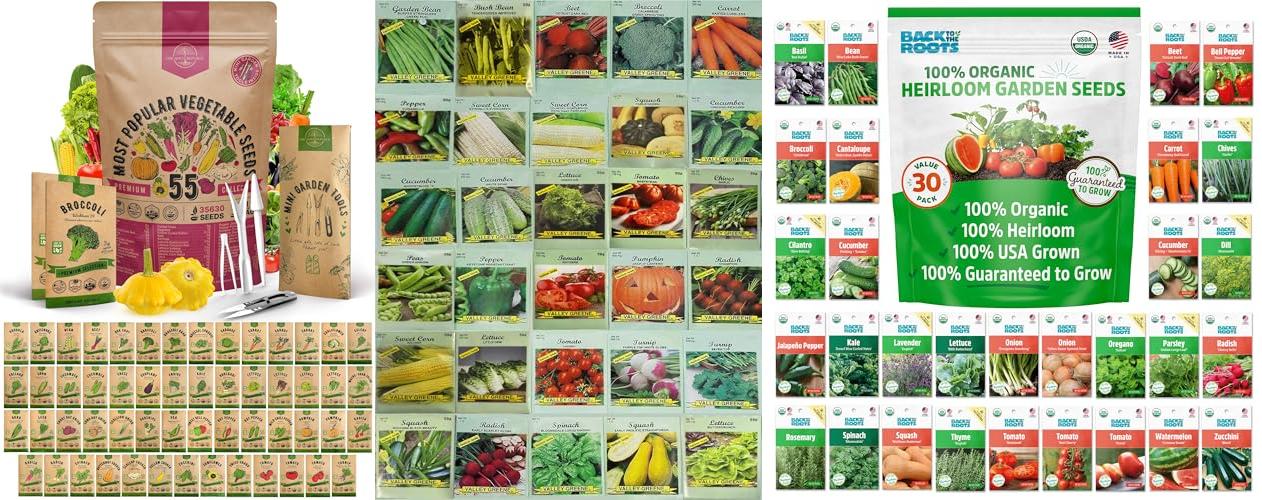
Ready to transform your garden dreams into a delicious reality? The 55 Vegetable Seeds Variety Pack is your all-in-one ticket to a bountiful harvest, no matter your gardening space. This impressive collection brings you over 35,600 non-GMO heirloom seeds, offering an incredible selection of popular vegetables and even some fruits. Each seed is carefully packaged, ensuring you have everything you need to start growing, from your first sprout to your first tasty bite.
What We Like:
- Huge variety: 55 different types of seeds mean endless planting possibilities.
- Great value: Less than $0.70 per seed variety makes this an affordable way to stock up.
- Beginner-friendly: Includes mini gardening tools and QR codes for growing guides and recipes.
- Versatile: Works for indoor hydroponics, outdoor gardens, and all skill levels.
- High germination rate: Over 90% germination means more seeds sprout successfully.
- USA-made quality: Proudly produced by a small family business with tested seeds.
- Long-lasting: Seeds are sealed to stay fresh for up to 2 years.
What Could Be Improved:
- Detailed seed count per packet not specified, making it hard to estimate exact quantities of each type.
- While a “culinary book” is mentioned, the specifics of its content could be clearer.
This variety pack is an excellent starting point for anyone eager to grow their own food. You’ll enjoy the satisfaction of nurturing plants and savoring fresh, homegrown flavors.
2. 30 Packs of Deluxe Valley Greene Heirloom Vegetable Garden Seeds Non-GMO(Guaranteed 30 Different Varieties as Listed)

Rating: 9.5/10
Dreaming of a bountiful harvest from your own backyard? The 30 Packs of Deluxe Valley Greene Heirloom Vegetable Garden Seeds Non-GMO is your ticket to a truly deluxe vegetable garden. This incredible collection offers 30 different varieties of heirloom seeds, all guaranteed to be 100% non-GMO. You’ll receive 30 individual seed packs, each filled with high-quality seeds that are ready to sprout. These seeds boast a high germination rate, meaning most of them will sprout within 7 to 14 days, giving you a head start on your gardening journey. Plus, with seeds dated for December 2025, and the knowledge that heirloom seeds can stay viable for years when stored properly, you have plenty of time to get planting.
What We Like:
- Amazing variety: You get 30 different types of heirloom vegetable seeds.
- High germination rate: Seeds sprout quickly, usually within 7-14 days.
- Heirloom and Non-GMO: You’re growing pure, natural vegetables.
- Great value: Lots of seeds for a fantastic gardening experience.
- Freshness guaranteed: Seeds are dated for 2025 and can last even longer.
What Could Be Improved:
- Specific variety list not provided in the title: While the title guarantees 30 different varieties, knowing what those varieties are upfront would be helpful for planning.
- Storage instructions could be more detailed: While it mentions “cool dry place,” more specific guidance on optimal storage would be beneficial for maximizing seed life.
This seed collection makes creating your dream garden easy and exciting. You’ll be enjoying fresh, homegrown vegetables in no time.
3. Back to the Roots Heirloom Organic

Rating: 8.8/10
Embark on a gardening adventure with the Back to the Roots Heirloom Organic, Non-GMO & USA Grown Seeds. This 30-count assortment is packed with a variety of herbs, fruits, and veggies, perfect for both indoor and outdoor growing. It’s designed to make gardening easy for everyone, even beginners!
What We Like:
- 100% Organic & Non-GMO: You can trust that these seeds are pure and natural, without any harmful additives that could affect your plants’ growth.
- Year-Round Gardening: These seeds are tested and selected for quick, easy growth, letting you enjoy fresh harvests no matter the season.
- Amazing Variety: Discover a delightful mix of flavorful herbs, hearty vegetables, and crisp greens. You’ll have tons of options for delicious meals.
- Guaranteed to Grow: If you have any issues, Back to the Roots will send you more seeds. They stand by their promise!
- Grow One Give One Campaign: This kit is a fantastic gift. Plus, when you share your gardening journey online, you help donate a kit to a classroom.
What Could Be Improved:
- Assortment May Vary: The exact seeds you receive might differ from the picture, which could be a surprise if you’re looking for something very specific.
This seed bundle offers a fantastic way to start your own garden and enjoy fresh, healthy food. It’s an excellent choice for anyone looking to connect with nature and grow their own delicious produce.
4. Gardeners Basics Survival Vegetable Seeds Garden Kit Over 16
Rating: 8.7/10
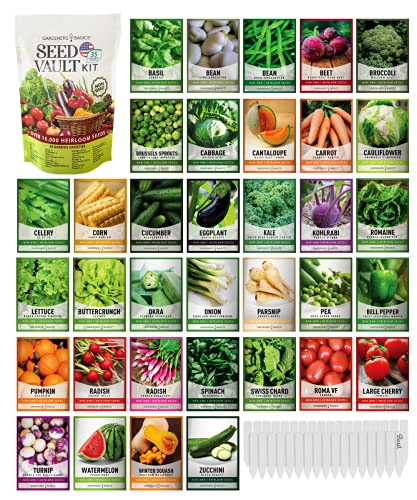
The Gardeners Basics Survival Vegetable Seeds Garden Kit is a fantastic choice for anyone looking to grow their own food, whether for daily meals or emergency preparedness. This kit offers an incredible assortment of 35 different easy-to-grow vegetable varieties, totaling over 16,000 non-GMO and heirloom seeds. It’s designed to provide you with a reliable food source, making it perfect for home gardens, indoor growing systems, and bug-out situations.
What We Like:
- Massive seed count with 35 popular and easy-to-grow vegetable varieties.
- All seeds are non-GMO and heirloom, ensuring quality and the ability to save seeds for future planting.
- Seeds are professionally packed in individual packets to prevent mold and include growing instructions.
- Sourced and packaged in the USA, making it a great gift for gardeners and preppers.
- Designed for ease of growth, suitable for both beginners and experienced gardeners.
- Comes with 35 free plant markers for easy identification.
- Water-resistant packaging is ideal for long-term storage.
What Could Be Improved:
- While a comprehensive kit, specific germination rates for each variety are not listed, which can be helpful for planning.
- The sheer volume of seeds might be overwhelming for someone with very limited space or who is brand new to gardening.
This kit empowers you to take control of your food supply. It’s a smart investment for anyone who values self-sufficiency and fresh, homegrown produce.
5. Sereniseed Certified Organic Vegetable Seeds (10-Pack) – Non GMO

Rating: 9.0/10
Ready to start your own amazing vegetable garden? The Sereniseed Certified Organic Vegetable Seeds (10-Pack) offers a fantastic way to grow your own fresh, healthy food right at home. This collection includes ten popular and trusted varieties, all USDA Certified Organic and non-GMO. You’ll find everything from flavorful Genovese Basil to crisp Cascadia Snap Peas and juicy Brandywine Pink Tomatoes. It’s a complete package for beginners and experienced gardeners alike, promising a bountiful harvest.
What We Like:
- USDA Certified Organic by Oregon Tilth, ensuring high quality and sustainable practices.
- Includes 10 popular vegetable varieties: Basil, Snap Pea, Broccoli, Bean, Jalapeno, Tomato, Lettuce, Cucumber, Carrot, and Zucchini.
- All seeds are 100% non-GMO and open-pollinated, so you can save seeds for future planting.
- Seeds are packed fresh for the current and following year, and stored in a temperature-controlled environment for the best germination.
- Germination is guaranteed, and the company pledges to make things right if you have any issues.
- The variety pack provides a great mix for a diverse and delicious garden.
What Could Be Improved:
- Specific planting instructions for each variety are not included within the pack, requiring separate research.
- While the varieties are trusted, some gardeners might prefer more unique or heirloom options.
This seed pack is an excellent starting point for anyone dreaming of a homegrown vegetable patch. With its quality organic seeds and germination guarantee, you can plant with confidence and enjoy the fruits (and veggies!) of your labor.
Your Guide to Growing Amazing Vegetables: Choosing the Best Seeds
Starting your own vegetable garden is a rewarding experience. You get fresh, healthy food right from your backyard. But picking the right vegetable seeds is the first big step. This guide will help you choose wisely so your garden thrives.
Key Features to Look For in Vegetable Seeds
When you look at seed packets, some things stand out. These are the key features that tell you what to expect.
- Variety Name: This tells you what kind of vegetable it is. For example, “Cherry Tomato” or “Butter Lettuce.”
- Days to Maturity: This is super important. It tells you how long it will take from planting the seed to harvesting the vegetable. Some plants grow fast, others take longer.
- Planting Depth and Spacing: The packet tells you how deep to plant the seed and how much room each plant needs. This helps them grow strong without crowding.
- Sunlight Needs: Does the plant like full sun all day, or does it prefer some shade? This is crucial for where you plant it in your garden.
- Disease Resistance: Some seeds are bred to fight off common plant diseases. This means less worry for you and healthier plants.
- Heirloom vs. Hybrid:
- Heirloom seeds are old varieties that have been passed down for generations. They often have unique flavors and colors. You can save seeds from heirloom plants to grow next year.
- Hybrid seeds are created by crossing two different parent plants. They are often bred for specific traits like higher yields or better disease resistance. You usually can’t save seeds from hybrid plants and expect the same results.
Important Materials and What They Mean
For vegetable seeds, the “material” is really about the seed itself and its packaging.
- The Seed: The seed is the tiny beginning of your plant. Good quality seeds are plump and free from damage.
- Seed Packet: This is your instruction manual! It’s usually made of paper and contains all the important information mentioned above. Look for clear printing and easy-to-understand instructions.
- Seed Tape (Optional): Some seeds come attached to paper tape. This makes planting at the correct spacing super easy, especially for tiny seeds like carrots.
Factors That Improve or Reduce Seed Quality
What makes a seed great, and what can hurt it?
- Freshness: Older seeds might not sprout as well. Seed companies usually print an expiration or best-by date on their packets. Always check this.
- Storage: Seeds need to be kept cool, dry, and dark. If seeds are stored improperly (like in a hot, humid garage), their ability to grow can be reduced.
- Source: Buying seeds from reputable companies usually means you’re getting good quality. They know how to handle and store seeds properly.
- Seed Treatment: Some seeds have a coating to protect them from pests and diseases when they are young. This can improve their chances of survival.
User Experience and Use Cases
How do people use vegetable seeds? It’s all about what you want to grow and where!
- Beginner Gardeners: Simple, fast-growing vegetables are great for starting out. Think radishes, lettuce, or bush beans. These give you quick wins and build confidence.
- Experienced Gardeners: You might want to try more challenging plants or unique heirloom varieties. Growing tomatoes from seed, or trying different types of peppers, can be very rewarding.
- Small Spaces: If you have a balcony or small yard, choose compact or “bush” varieties of vegetables. These don’t take up much room.
- Container Gardening: Many vegetables grow well in pots. Look for seeds specifically recommended for containers.
- Specific Needs: Do you love spicy food? Choose hot pepper seeds. Do you want to make salads? Pick a variety of lettuce seeds. You can grow exactly what you like to eat!
Frequently Asked Questions about Vegetable Seeds
Q: How do I know if my seeds are still good?
A: Check the expiration date on the seed packet. You can also do a “germination test.” Place a few seeds on a damp paper towel inside a plastic bag. Keep it in a warm spot for a week. If most of them sprout, they are still good.
Q: What’s the difference between heirloom and hybrid seeds?
A: Heirloom seeds are old varieties that produce seeds true to the parent plant. Hybrid seeds are a mix of two parent plants and might not grow the same next year if you save the seeds.
Q: How deep should I plant my seeds?
A: The seed packet will tell you the exact depth. A general rule is to plant seeds about twice as deep as they are wide. Tiny seeds are often just lightly pressed into the soil’s surface.
Q: Can I plant vegetable seeds indoors before it’s warm outside?
A: Yes, many gardeners start seeds indoors. This is called “starting seeds indoors” or “transplanting.” Look for seeds that say they can be started indoors a few weeks before your last frost date.
Q: What does “days to maturity” mean?
A: It’s the number of days from when you plant the seed until you can harvest the vegetable. It helps you plan your garden and know when to expect your food.
Q: How much space do my plants need?
A: The seed packet will give you spacing recommendations. Giving plants enough room helps them grow strong and healthy without fighting for sunlight, water, and nutrients.
Q: What if my seeds don’t sprout?
A: This can happen! It might be because the seeds were old, planted too deep or too shallow, the soil was too wet or too dry, or the temperature wasn’t right.
Q: Are organic seeds better?
A: Organic seeds are grown without synthetic pesticides or fertilizers. Many gardeners prefer them for health and environmental reasons. They will still grow great vegetables.
Q: Can I save seeds from store-bought vegetables?
A: Usually, no. Most vegetables sold in stores are hybrids, and their seeds won’t grow true to the parent. Plus, some are treated so they won’t sprout.
Q: What’s the best way to store extra seeds?
A: Keep them in a cool, dark, and dry place. An airtight container in a refrigerator or a cool closet works well. This helps them stay viable for longer.
In conclusion, every product has unique features and benefits. We hope this review helps you decide if it meets your needs. An informed choice ensures the best experience.
If you have any questions or feedback, please share them in the comments. Your input helps everyone. Thank you for reading.